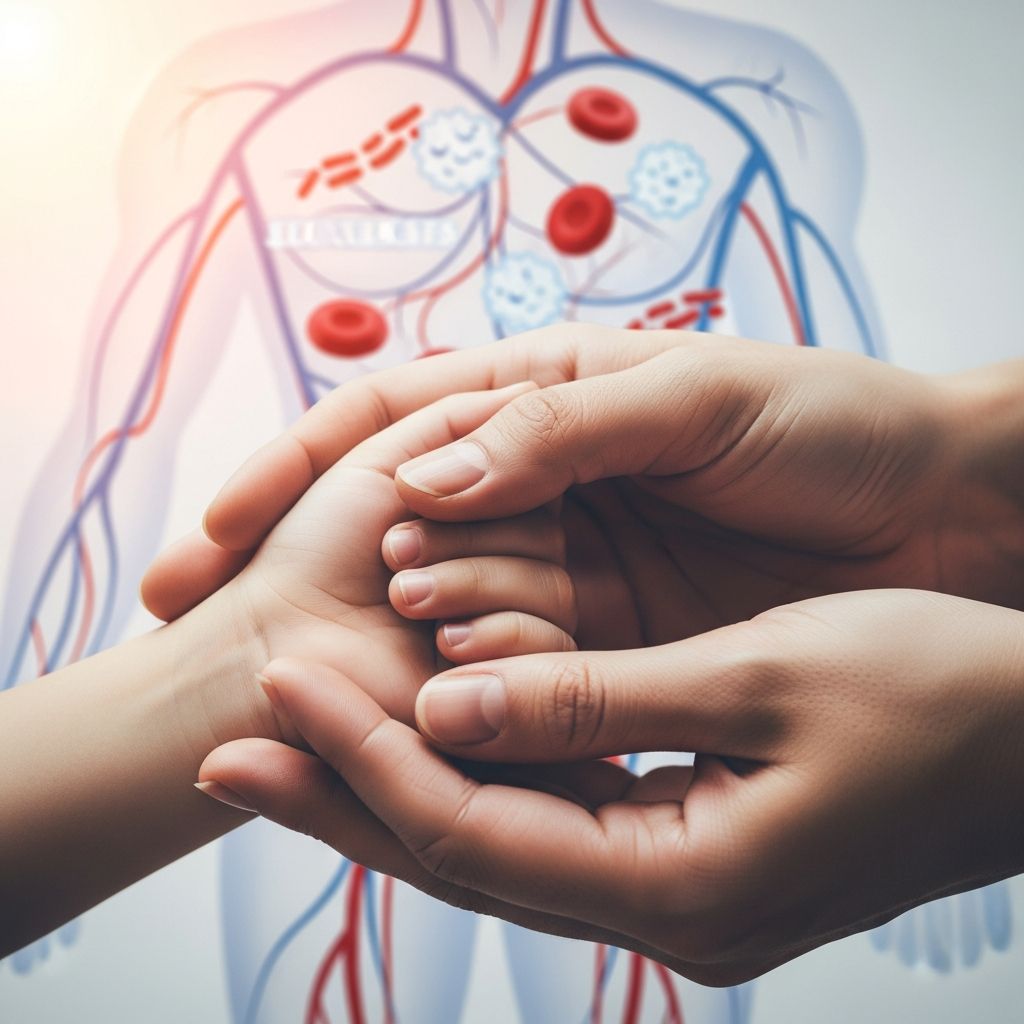
Pediatric hematology focuses on diagnosing and managing blood-related conditions in children, encompassing disorders of red blood cells, white blood cells, platelets, bone marrow, and clotting mechanisms. These specialists address issues that impact oxygen transport, infection fighting, and injury recovery in young patients.
Core Components of Blood and Their Roles in Children
Blood is a vital fluid composed of plasma, red blood cells, white blood cells, and platelets. Red blood cells carry oxygen from the lungs to tissues; white blood cells combat infections; platelets facilitate clotting to prevent excessive bleeding; and plasma transports nutrients and proteins. In children, disruptions in these elements can lead to fatigue, frequent illnesses, or unexplained bruising.
Children’s blood systems are dynamic, rapidly producing new cells in the bone marrow. Imbalances here can signal serious conditions requiring prompt attention from hematologists.
Common Signs That Warrant a Pediatric Hematologist Visit
Parents should watch for indicators like persistent fatigue, pale skin, frequent infections, easy bruising, prolonged bleeding from cuts or nosebleeds, or swollen lymph nodes. These symptoms often stem from low red blood cell counts (anemia), reduced platelets (thrombocytopenia), or immune system irregularities.
- Unexplained bruising or petechiae: Small red or purple spots from minor trauma suggest platelet issues.
- Chronic tiredness or dizziness: Points to anemia, where oxygen delivery falters.
- Recurrent infections: Low white blood cells impair defense against pathogens.
- Enlarged spleen or lymph nodes: May indicate bone marrow problems or storage disorders.
- Heavy menstrual bleeding in teens: Could link to clotting factor deficiencies.
Early detection through routine blood tests can prevent complications, as many issues are treatable when caught soon.
Prevalent Blood Disorders in Pediatric Patients
Children face unique blood challenges, from inherited conditions to acquired ones. Here’s an overview of key disorders:
| Disorder | Description | Common Symptoms |
|---|---|---|
| Anemia (Iron Deficiency or Others) | Insufficient healthy red blood cells, often from poor nutrition or chronic disease. | Fatigue, pallor, rapid heartbeat. |
| Sickle Cell Disease & Thalassemia | Hemoglobin abnormalities causing distorted cells and blockages. | Pain crises, jaundice, infections. |
| Hemophilia & Von Willebrand Disease | Clotting factor shortages leading to bleeding tendencies. | Joint bleeds, easy bruising. |
| Immune Thrombocytopenia (ITP) | Autoimmune destruction of platelets. | Purple spots, nosebleeds. |
| Bone Marrow Failure Syndromes (e.g., Aplastic Anemia) | Reduced cell production in marrow. | Anemia, infections, bleeding. |
These conditions vary in severity; some like iron deficiency respond to supplements, while others need ongoing therapy.
Diagnostic Approaches in Pediatric Hematology
Hematologists employ advanced tools for precise diagnosis. Initial steps include complete blood counts (CBC) to assess cell levels, followed by peripheral smears examining cell shapes under microscopy.
Further tests might involve:
- Bone marrow aspiration/biopsy: Samples marrow to evaluate production.
- Coagulation panels: Measure clotting times and factors.
- Genetic testing: Identifies inherited mutations.
- Flow cytometry: Analyzes cell surface markers for immune disorders.
Imaging like ultrasounds for spleen size or PET scans for complex cases aids comprehensive evaluation.
Treatment Strategies for Young Patients
Tailored therapies aim to correct deficiencies and manage symptoms. Options include:
- Medications: Iron supplements for anemia, factor replacements for hemophilia, immunosuppressants for ITP.
- Transfusions & Apheresis: Boost red cells or remove faulty ones.
- Prophylactic infusions: Scheduled clotting factor doses to prevent bleeds.
- Stem cell transplants: For severe marrow failures or hemoglobinopathies.
Clinical trials offer cutting-edge options, especially for recurrent leukemias or resistant disorders.
Multidisciplinary Care Teams: Holistic Support
Top centers feature teams of pediatric hematologists, oncologists, nurses, genetic counselors, nutritionists, physical therapists, social workers, and child life specialists. This approach addresses physical, emotional, and family needs.
Services extend to home infusion referrals, school advocacy, and long-term survivor clinics monitoring late effects.
Lifestyle Tips and Prevention for Families
While genetics play a role, nutrition rich in iron, folate, and vitamin B12 supports blood health. Encourage balanced diets, hydration, and activity while avoiding contact sports for bleeding-prone kids.
Regular check-ups catch issues early. Vaccinations reduce infection risks in immunocompromised children.
Choosing the Right Pediatric Hematology Center
Seek programs with 24/7 expertise, on-site infusion centers, and participation in national groups like Children’s Oncology Group. Renowned facilities provide second opinions, family accommodations, and community outreach.
Factors to consider:
- Board-certified specialists in pediatric-specific conditions.
- Access to trials and advanced diagnostics.
- Comprehensive support services.
Frequently Asked Questions (FAQs)
What age groups do pediatric hematologists treat?
From newborns to young adults, focusing on conditions unique to growing bodies.
Is hemophilia curable in children?
Not curative, but manageable with preventive treatments to enable normal lives.
How long does treatment for ITP last?
Many cases resolve spontaneously; others need monitoring or short-term therapy.
Can diet alone fix childhood anemia?
Often for iron deficiency, but underlying causes require professional evaluation.
What if my child has abnormal bloodwork from a routine check?
Consult a hematologist promptly; many findings are benign, but some need follow-up.
Long-Term Outlook and Family Empowerment
Advances have improved survival rates dramatically. Families thrive by partnering with experts, adhering to plans, and accessing support networks. Education empowers parents to advocate effectively.
(Word count: 1678)
References
- Pediatric Hematology | Children’s Hospital Colorado — Children’s Hospital Colorado. 2023. https://www.childrenscolorado.org/doctors-and-departments/departments/cancer-and-blood-disorders/programs/hematology/
- Why Your Child Might Need a Pediatric Hematologist-Oncologist — Connecticut Children’s. 2023. https://www.connecticutchildrens.org/growing-healthy/why-your-child-might-need-pediatric-hematologist-oncologist-10-expert-reasons
- Pediatric Hematology/Oncology – Augusta University — Augusta University. 2023. https://www.augusta.edu/mcg/pediatrics/hemoc-oncol/
- Pediatric Hematology/Oncology – Overview – Mayo Clinic — Mayo Clinic. 2023. https://www.mayoclinic.org/departments-centers/pediatric-hematology-oncology/sections/overview/ovc-20564333
- Pediatric Hematology (Blood Disorders) — M Health Fairview. 2023. https://www.mhealthfairviewpeds.org/specialties/pediatric-hematology
- Pediatric Hematology | University of Michigan Health — University of Michigan Health. 2023. https://www.uofmhealth.org/our-care/specialties-services/pediatric-hematology