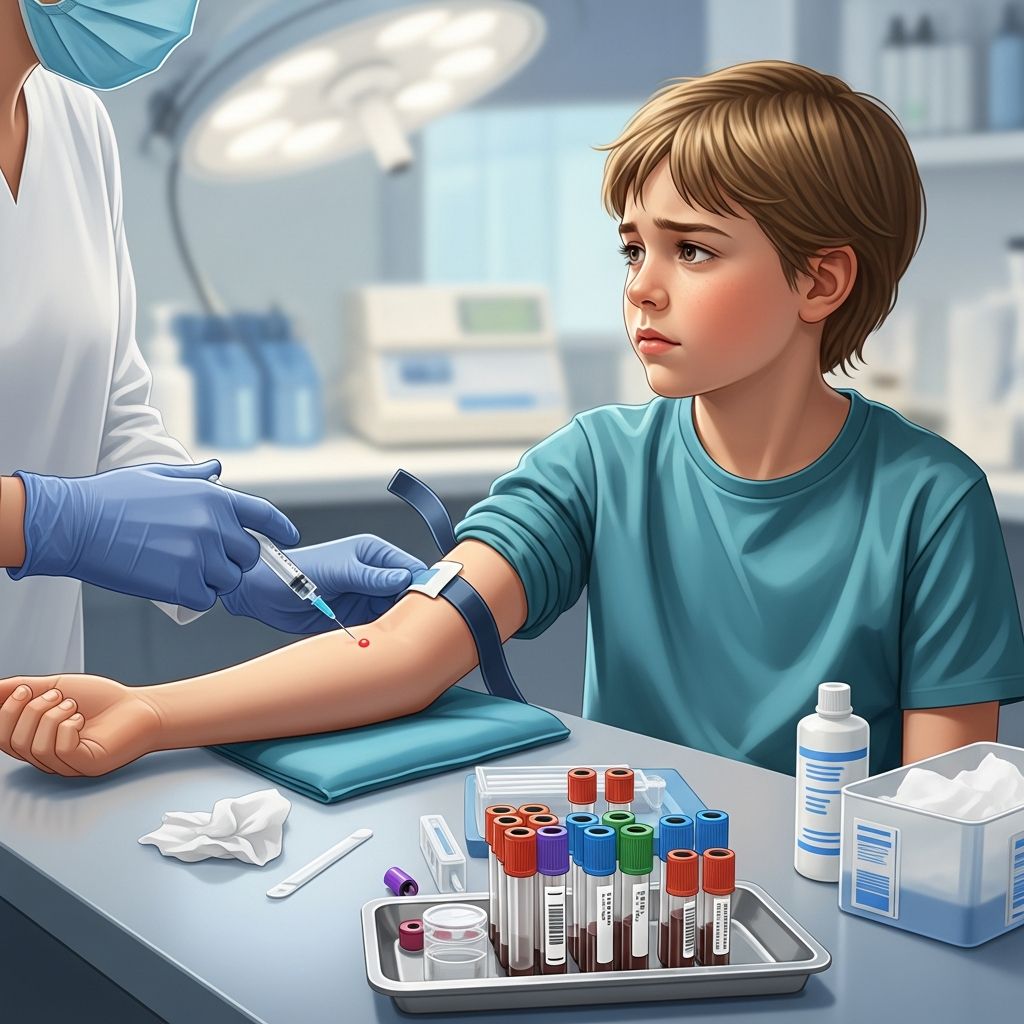
Navigating the world of children’s healthcare often involves encountering unfamiliar terminology. This guide breaks down essential medical terms, professional roles, procedures, and abbreviations commonly used in pediatric settings. Designed for parents, it provides clear, straightforward explanations to help you feel more confident during doctor visits, hospital stays, or everyday health discussions.
Understanding Pediatric Healthcare Professionals
Children’s hospitals and clinics employ a wide range of specialists trained specifically for young patients. Knowing who does what can ease anxiety and improve communication with your child’s care team.
- Pediatrician: A doctor focused on the health, growth, and development of infants, children, and adolescents. They handle routine check-ups, vaccinations, and common illnesses.
- Neonatologist: Specializes in caring for newborns, especially premature or critically ill babies born before 37 weeks.
- Hematologist: Expert in blood disorders, such as anemia or clotting issues in children.
- Nephrologist: Diagnoses and treats kidney-related conditions, including infections or chronic diseases.
- Neurologist: Manages disorders of the brain, spinal cord, and nervous system, like epilepsy or migraines.
- Neurosurgeon: Performs surgery on the brain and spinal cord for issues like tumors or injuries.
- Intensivist: Critical care doctor dedicated to severely ill or injured children in intensive care units.
Support staff play crucial roles too. A nurse practitioner is an advanced registered nurse who can diagnose, treat, and manage illnesses under physician oversight. Physician assistants provide hands-on care after specialized training, always supervised by doctors. Lactation consultants assist new mothers with breastfeeding challenges.
Key Nursing and Support Roles in Child Care
Nurses form the backbone of daily patient care. Understanding their levels helps parents appreciate the team’s structure.
| Role | Description | Typical Responsibilities |
|---|---|---|
| Registered Nurse (RN) | Licensed nurse with comprehensive training | Bedside monitoring, medication administration, vital checks |
| Licensed Practical Nurse (LPN) | Basic care provider under RN or doctor supervision | Vital signs, hygiene assistance, simple treatments |
| Public Health Nurse | Home-visit specialist post-hospital discharge | Family education, newborn assessments |
| Patient Care Assistant (PCA) | Nurse aide in intensive units | Daily living support like bathing and feeding |
Other vital team members include pharmacists, who ensure safe medication dosing for kids, and music therapists, who use music to reduce stress and pain during hospital stays.
Common Procedures and Devices in Pediatric Care
Many treatments involve tubes, monitors, or imaging. Here’s what these mean for your child.
- IV (Intravenous): A thin tube in a vein delivering fluids, medications, or nutrition directly into the bloodstream.
- Intubate: Inserting a breathing tube into the airway to support respiration in critical cases.
- Extubate: Removing the breathing tube once the child breathes independently.
- Foley Catheter: Tube in the bladder to drain urine continuously, often for monitoring output.
- G-tube (Gastric Tube): Surgical tube through the abdomen into the stomach for feeding or meds, useful for swallowing difficulties.
- Nasal Cannula: Soft tubes in the nose providing low-flow oxygen.
- PICC Line: Long-term central catheter inserted in an arm vein for ongoing IV therapy.
Imaging like CT (Computed Tomography) creates detailed 3D body images from X-rays, while PET Scan detects metabolic activity for complex diagnoses.
Decoding Hospital Abbreviations and Acronyms
Hospitals use shorthand for efficiency. Familiarity prevents confusion during fast-paced care.
| Abbreviation | Full Form | Explanation |
|---|---|---|
| CBC | Complete Blood Count | Tests red/white blood cells, platelets, hemoglobin |
| CPAP | Continuous Positive Airway Pressure | Machine aiding breathing, common for sleep apnea |
| PICU | Pediatric Intensive Care Unit | Specialized area for critically ill children |
| PIM-U | Pediatric Intermediate Unit | Step-down care for stabilizing patients |
| PRN | Pro Re Nata (as needed) | Medications given when symptoms arise |
| qid | Quater in Die | Four times daily |
| WNL | Within Normal Limits | Test results are healthy |
Other frequent terms: OOB (out of bed), OR (operating room), PT (physical therapy), and OT (occupational therapy). Vital signs shorthand includes P (pulse), RR (respiratory rate).
Specialized Terms for High-Risk and Chronic Conditions
For children with complex needs, specific experts step in. Maternal-Fetal Medicine Physicians (perinatologists) manage high-risk pregnancies, focusing on both mother and fetus. In oncology, terms relate to cancer studies and treatments tailored for kids.
Conditions like PDA (Patent Ductus Arteriosus) involve heart vessel defects, while VSD (Ventricular Septal Defect) is a hole in the heart wall. Amblyopia (lazy eye) requires vision therapy, and croup features a distinctive barking cough from airway swelling.
Therapies and Support Services Explained
Beyond medicine, therapies aid recovery. Physical Therapy (PT) improves strength and mobility, Occupational Therapy (OT) enhances daily skills like dressing. Respiratory Therapists manage breathing support.
In neonatal care, terms like preemie denote preterm babies, often needing Hyaline Membrane Disease treatment (respiratory distress syndrome).
Frequently Asked Questions (FAQs)
What is a PICU?
A Pediatric Intensive Care Unit for critically ill children, staffed by intensivists and specialists.
What’s the difference between an RN and a Nurse Practitioner?
RNs provide direct care; Nurse Practitioners diagnose and prescribe after advanced training.
What does PRN mean on a medication label?
It means ‘as needed,’ given based on symptoms within guidelines.
Why might my child need a G-tube?
For safe feeding when oral intake is unsafe or insufficient, temporary or long-term.
What is a neonatologist’s role?
Caring for premature or sick newborns in specialized units.
Empowering Parents Through Knowledge
Mastering these terms transforms overwhelming medical speak into understandable information. Use this guide during appointments to ask informed questions, advocate effectively, and support your child’s journey to wellness. Always consult professionals for personalized advice.
References
- Glossary of Pediatric Clinicians — UNC Children’s Hospital. 2023. https://www.uncchildrens.org/uncmc/unc-childrens/patients-family/glossary-of-pediatric-clinicians/
- Glossary of Medical Terms — Upstate Golisano Children’s Hospital. 2024. https://www.upstate.edu/gch/patients-families/socialwork/glossary.php
- Pediatric Terminology — Slideshare. 2016-10-01. https://www.slideshare.net/slideshow/pediatric-terminology/74914580
- Common Terminology | Pediatric Intensive Care Unit (PICU) — Cincinnati Children’s Hospital. 2025. https://www.cincinnatichildrens.org/service/p/picu/terminology
- Pediatric Terminology — National Cancer Institute (NCI). 2023. https://www.cancer.gov/about-nci/organization/cbiit/vocabulary/pediatric
- NICHD Pediatric Terminology Files — NCI Enterprise Vocabulary Services. 2024. https://evs.nci.nih.gov/ftp1/Pediatric_Terminologies/NICHD/About.html