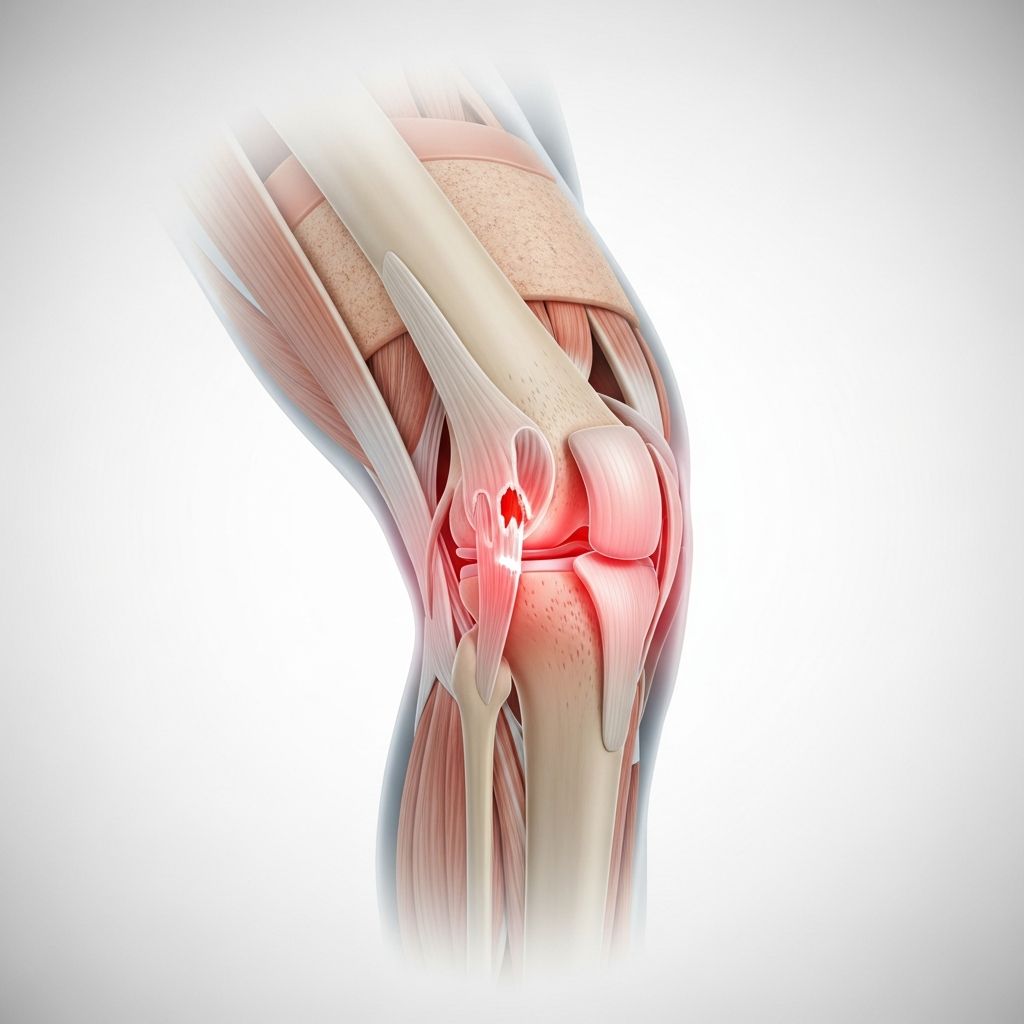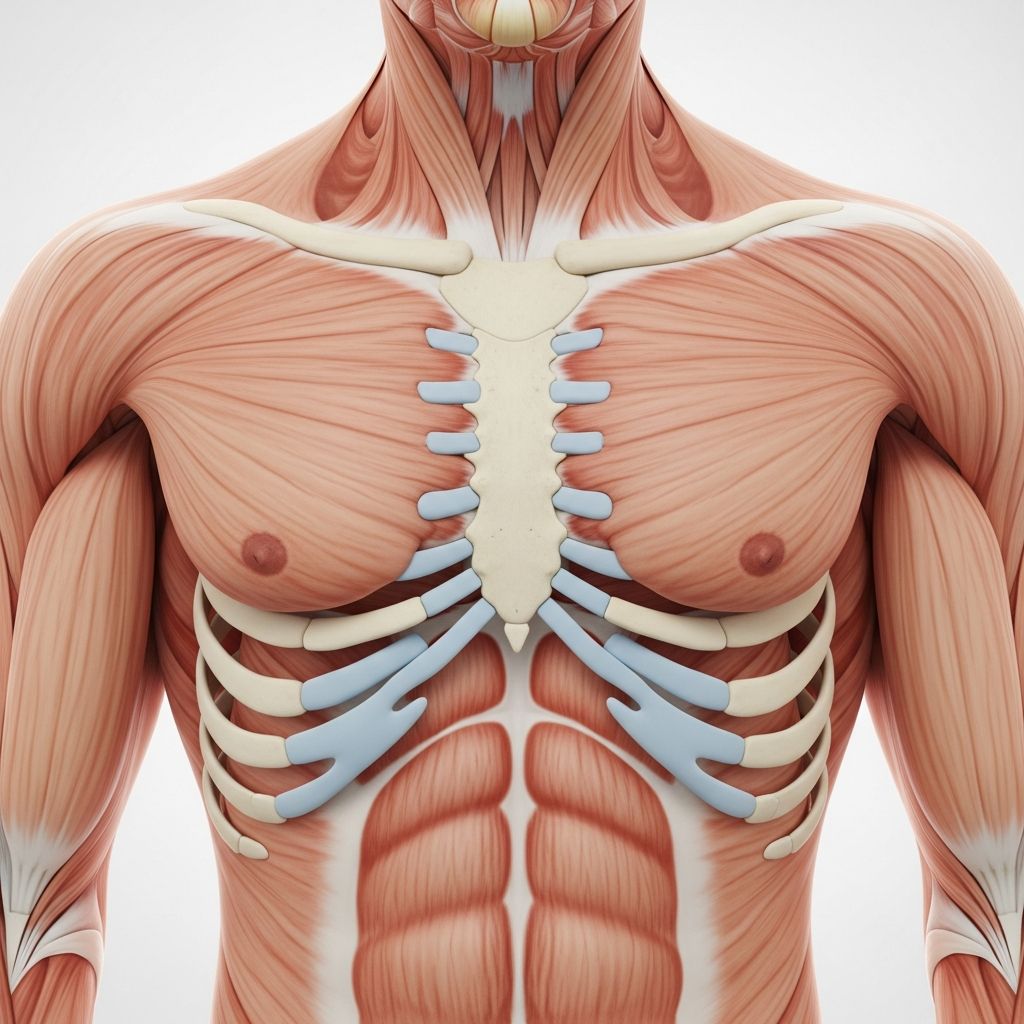
Pectus carinatum, commonly known as pigeon chest, is a structural chest wall condition in which the breastbone (sternum) and nearby ribs grow outward instead of lying flat against the chest. It usually becomes noticeable during the early teen years and can affect how a child or teen feels about their body, even if it doesn’t cause serious health problems. This article explains what pectus carinatum is, how it develops, what signs to look for, and the most effective ways to manage it.
What Is Pectus Carinatum?
Pectus carinatum is a congenital chest wall deformity where the sternum and the cartilage connecting the ribs to the breastbone grow abnormally, pushing the front of the chest forward. This gives the chest a prominent, sometimes bird-like or keel-shaped appearance, which is why it’s often called pigeon chest or keel chest. Unlike pectus excavatum (sunken chest), where the breastbone caves inward, pectus carinatum causes a protrusion.
The condition is usually present from birth but often only becomes obvious during a growth spurt, typically between ages 11 and 15. It is more common in boys than in girls and tends to run in families, suggesting a genetic component. While it is not life-threatening, it can affect breathing, posture, and, more commonly, a young person’s self-image and confidence.
How the Chest Wall Changes
In a typical chest, the ribs connect to the sternum through flexible cartilage that allows the chest to expand and contract with each breath. In pectus carinatum, this cartilage grows too quickly or in an irregular way, forcing the sternum to push forward. The protrusion can be symmetrical (affecting both sides evenly) or asymmetrical (more pronounced on one side, often the right).
As the chest sticks out, the surrounding ribs may flatten or curve inward on the opposite side, creating a “barrel-chest” look. This altered shape can slightly change how the chest moves during breathing, which may explain why some individuals feel short of breath during exercise. The heart’s position is usually normal, but there is a slightly higher chance of certain heart conditions, like mitral valve prolapse, in people with pectus carinatum.
Common Signs and When It Appears
The most obvious sign is a visible bump or bulge in the middle or upper part of the chest that sticks out more than the rest of the chest wall. This protrusion often becomes more noticeable during puberty, especially during rapid growth. Parents or the child themselves may first notice it when the child is changing clothes, swimming, or playing sports.
Other physical signs can include:
- A chest that looks uneven, with one side more prominent than the other
- Flattened or indented areas on the sides of the chest opposite the protrusion
- Poor posture, such as slouching or rounded shoulders, which can develop as the child tries to hide the chest
- Mild chest wall tenderness, especially when lying face down or during physical activity
Some children also report mild chest discomfort or a feeling of breathlessness during intense exercise, although many have no physical symptoms at all.
Physical and Emotional Impact
From a medical standpoint, pectus carinatum usually does not severely affect heart or lung function. Most children with this condition have normal exercise capacity and overall health. However, in more pronounced cases, the altered chest shape can slightly reduce lung expansion, leading to mild shortness of breath during vigorous activity. Rarely, it may be associated with other conditions like scoliosis (curvature of the spine) or connective tissue disorders.
The emotional and social impact is often more significant than the physical one. Many children and teens feel self-conscious about their chest, especially in situations where the chest is exposed, such as at the pool, gym, or during changing for sports. This can lead to:
- Avoidance of activities that require removing a shirt
- Lower self-esteem and body image concerns
- Anxiety or social withdrawal in group settings
- Reduced participation in sports or physical education
These feelings are completely valid and can affect quality of life, even if the chest protrusion is mild.
When to See a Doctor
It’s a good idea to consult a pediatrician or pediatric specialist if:
- A noticeable chest protrusion appears or worsens during growth
- The child complains of chest pain, difficulty breathing, or frequent respiratory infections
- The child seems unusually self-conscious, avoids activities, or shows signs of low self-esteem related to their chest
- There is a family history of chest wall deformities or related conditions
Early evaluation helps rule out other conditions and allows for timely discussion of treatment options, especially while the chest is still flexible and more responsive to non-surgical approaches.
How Doctors Diagnose Pectus Carinatum
Diagnosis usually begins with a physical exam, where the doctor looks at the shape of the chest, checks symmetry, and feels for tenderness or abnormal movement. They will also ask about symptoms, growth patterns, and family history of chest or spine issues.
To get a clearer picture, doctors may order one or more of the following:
- Chest X-ray: To assess the position of the sternum, ribs, and spine, and to check for scoliosis or other chest abnormalities
- CT scan of the chest: Provides a detailed 3D view of the chest wall and can help measure the severity of the protrusion
- Pulmonary function tests: Used if there are breathing complaints, to see how well the lungs are working
- Heart tests (ECG and echocardiogram): To evaluate heart rhythm and structure, especially if there are symptoms like palpitations or chest pain
These tests help determine whether the condition is mild, moderate, or severe and whether it is affecting heart or lung function.
Non-Surgical Treatment: The Chest Brace
For most children and teens, the first-line treatment is a custom-fitted chest brace, similar in concept to orthodontic braces for teeth. The brace applies gentle, steady pressure to the protruding area, gradually reshaping the chest wall over time.
Key points about bracing:
- It works best in younger patients whose bones and cartilage are still flexible, typically ages 10–16
- Success rates are high when the brace is worn consistently, usually 12–20 hours per day
- Most patients see visible improvement within a few months, with full correction often taking 6–18 months
- The brace is usually worn under clothing and can be removed for sports, bathing, and special occasions
Regular follow-up visits allow the care team to adjust the brace and monitor progress. Compliance is crucial; the more consistently the brace is worn, the better the outcome.
Surgical Options for Severe Cases
Surgery is considered when bracing is not effective, not tolerated, or when the deformity is very severe and causing significant physical or emotional distress. It is usually reserved for older teens or young adults whose chest wall has mostly finished growing.
Common surgical approaches include:
- Ravitch procedure: Involves removing or reshaping the abnormal cartilage and sometimes repositioning the sternum, often with temporary support bars
- Modified techniques: Less invasive versions that aim to correct the shape with smaller incisions and shorter recovery times
Surgery can provide a more dramatic and permanent correction, but it also carries risks such as infection, pain, and a longer recovery period. The decision is made jointly by the family, the child, and the surgical team after a thorough evaluation.
Supporting Your Child’s Well-Being
Managing pectus carinatum isn’t just about the physical appearance; it’s also about supporting the child’s emotional health. Open conversations about body image, reassurance that the condition is not dangerous, and encouragement to stay active can make a big difference.
Parents and caregivers can help by:
- Listening to the child’s concerns without minimizing them
- Encouraging participation in activities they enjoy, even if they feel self-conscious
- Seeking support from counselors or support groups if anxiety or low self-esteem becomes a concern
- Working with the medical team to set realistic expectations for treatment and timeline
Many children who receive treatment report feeling more confident and comfortable in their bodies, especially once the chest begins to improve.
Living with Pectus Carinatum
With proper care, most children and teens with pectus carinatum go on to live healthy, active lives. Many can participate fully in sports and physical activities, especially once any breathing limitations are addressed. The goal of treatment is not only to improve the chest’s appearance but also to support overall health and well-being.
Long-term follow-up may include periodic check-ups to monitor chest shape, posture, and any related conditions like scoliosis. In most cases, once the chest wall has been corrected (either with a brace or surgery), the results are stable into adulthood.
FAQs About Pectus Carinatum
Is pectus carinatum dangerous?
No, pectus carinatum is not dangerous for most children. It rarely causes serious problems with the heart or lungs, and many people with mild forms have no symptoms at all. However, it can affect self-esteem and quality of life, which is why treatment is sometimes recommended.
Can pectus carinatum go away on its own?
It usually does not go away without treatment. In fact, the protrusion often becomes more noticeable during growth spurts. Early intervention with a brace can often correct the shape while the chest is still flexible.
At what age should treatment start?
Treatment is most effective during the early teen years, typically between ages 10 and 16, when the chest wall is still growing and more responsive to bracing. However, older teens and young adults can still benefit from treatment, including surgery if needed.
Does pectus carinatum affect sports and exercise?
Most children with pectus carinatum can participate in sports and physical activities. Some may feel mild shortness of breath during intense exercise, but this usually improves with treatment. Staying active is encouraged, as it supports overall health and can help with posture.
Is pectus carinatum linked to other health problems?
It can sometimes occur alongside other conditions, such as scoliosis, asthma-like symptoms, or certain heart valve issues like mitral valve prolapse. A thorough evaluation by a specialist can identify any related concerns and guide appropriate care.