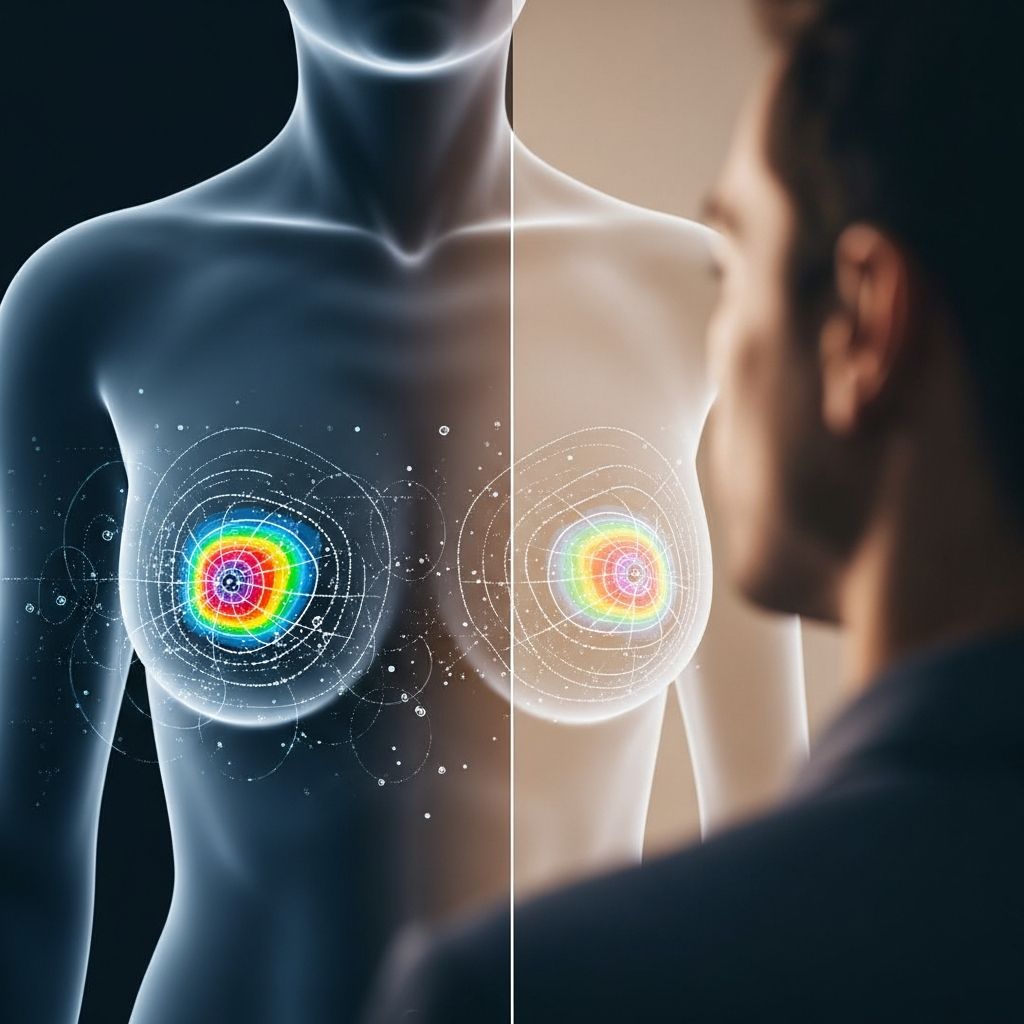
PCP, short for phencyclidine, is a powerful and unpredictable street drug that can severely affect a young person’s thinking, emotions, and behavior. Parents who understand what PCP is, how it works, and what warning signs to watch for are better prepared to keep their kids safe and get help early if there is a problem.
What PCP Is and Why It Matters
PCP began as an anesthetic medicine many decades ago, but doctors stopped using it in people after noticing that it caused serious confusion, agitation, and hallucinations. Today it is made and sold illegally as a recreational drug, often under names like “angel dust.”
PCP is classified as a dissociative drug, meaning it can make users feel detached from their bodies and surroundings. This detachment can lead to very risky behavior because people under the influence may feel strangely powerful, invincible, or not fully connected to reality.
Common Street Names and Forms
PCP is rarely sold to young people with its full chemical name, so knowing common slang can help parents recognize a potential problem. It can appear alone or mixed into other drugs, which makes it especially dangerous.
- Street names: angel dust, ozone, rocket fuel, love boat, wet, embalming fluid (even though it is not real embalming fluid).
- Typical forms: white or off-white powder, tablets or capsules, and liquid that can be sprayed on plant material.
- Routes of use: smoking (often on cigarettes or marijuana joints dipped in liquid PCP), swallowing pills, snorting powder, or more rarely injecting.
How PCP Affects the Brain
PCP interferes with the normal flow of messages between brain cells. It acts mainly on chemical systems involved in learning, memory, and emotional control, which is why people on PCP can seem confused, detached, or out of touch with what is really happening around them.
Because the teen brain is still developing, disrupting these chemical systems can have especially strong effects. Young people may have more intense mood swings, distorted perceptions, and difficulty making safe decisions even after a single use.
Short-Term Effects: What Use Can Look Like
The effects of PCP can start within minutes and may last many hours. They can change quickly, which makes it hard to predict how someone will act from one moment to the next.
- Feeling detached or “numb,” as if watching themselves from the outside.
- Distorted sight and sound, including seeing or hearing things that are not there.
- Poor coordination and balance, leading to clumsy movements or staggering.
- Slowed or slurred speech and a blank or glassy stare.
- Sudden shifts in mood, from calm to angry or panicked without warning.
- Agitation, aggressive outbursts, or violent behavior in some users.
- Nausea, vomiting, heavy sweating, or dizziness.
Short-Term Physical and Mental Effects Table
| Type of effect | Examples during a PCP high |
|---|---|
| Perception | Hallucinations, altered sense of time, feeling unreal or disconnected. |
| Thinking | Confusion, difficulty following simple conversations, bizarre or illogical ideas. |
| Mood | Rapid swings between euphoria, fear, anger, suspicion, or panic. |
| Movement | Stumbling, rigid muscles, jerky movements, trouble sitting or standing still. |
| Body | Numbness, increased heart rate, sweating, nausea, changes in blood pressure. |
Dangerous Complications and Overdose
Even a single use of PCP can lead to a medical emergency. Because the drug blunts pain and distorts reality, people may not realize they are badly hurt or in a life-threatening situation.
- Serious injuries from risky behavior, such as jumping from heights or running into traffic.
- Very high blood pressure, dangerously fast heartbeat, or irregular heart rhythms.
- Seizures, extremely high body temperature, or loss of consciousness.
- Coma or death, especially if PCP is combined with alcohol, sedatives, or opioid drugs.
Signs of a possible PCP emergency include extreme confusion, violent or bizarre behavior, difficulty breathing, chest pain, seizures, or unresponsiveness. Parents or caregivers should call emergency services right away rather than trying to physically restrain the person themselves.
Long-Term Risks of PCP Use
Repeated use of PCP can create lasting problems even when a young person is not currently high. These long-term effects can interfere with school, relationships, and emotional health.
- Ongoing memory problems and trouble concentrating.
- Slower thinking and difficulty organizing thoughts or following instructions.
- Persistent mood changes such as depression, anxiety, or irritability.
- Social withdrawal, loss of interest in activities, or isolation from family and friends.
- Episodes of paranoia, delusional thinking, or hallucinations that resemble serious mental illness.
Some people who have used PCP heavily may experience frightening flashbacks or brief returns of hallucinations long after they stop, especially during times of stress or when they use other substances.
PCP and Addiction
PCP can be addictive in both psychological and physical ways. Over time, the brain becomes used to the drug’s presence, and the person feels a strong urge to keep using it despite clear harm.
- Needing more of the drug to get the same effect (tolerance).
- Spending more time thinking about, obtaining, and using PCP.
- Continuing to use despite problems at school, work, home, or with the law.
- Feeling irritable, anxious, or low when not using.
Not everyone who tries PCP becomes addicted, but young people are at higher risk because their reward and self-control systems are still maturing. Early and repeated use raises the chances of developing a long-lasting pattern of abuse.
Risk Factors for Young People
While any child or teen can be exposed to PCP, certain circumstances make experimentation and regular use more likely. Understanding these risk factors can help parents focus prevention efforts where they matter most.
- Friends or peers who use drugs or talk casually about getting high.
- Frequent parties, unsupervised hangouts, or older friends who supply substances.
- History of trauma, bullying, depression, anxiety, or other mental health challenges.
- Family conflict, lack of clear rules, or very limited communication at home.
- Easy access to money or little oversight of online purchases and social media interactions.
Warning Signs a Child or Teen May Be Using PCP
Many signs of PCP use overlap with symptoms of other drug use or mental health issues, so no single change proves that a young person has taken the drug. However, a pattern of unusual behavior combined with physical symptoms should prompt a calm, proactive response from caregivers.
Behavior and Mood Changes
- Sudden, unexplained mood swings, including bursts of anger or fear.
- Odd or paranoid ideas, talking to themselves, or laughing at things that are not there.
- Unusual risk-taking, defiance, or reckless behavior that seems out of character.
- Dropping grades, skipping school, or loss of interest in once-enjoyed activities.
Physical and Appearance Clues
- Red or glassy eyes, blank stare, or rapid eye movements.
- Unsteady walk, clumsiness, or unexplained bruises and injuries.
- Strong chemical smells on clothing, breath, or in the bedroom.
- Pills, powders, unmarked bottles, or cigarettes and joints that look dipped or unusually wet.
How Parents Can Talk About PCP
Open, ongoing conversations about drugs are one of the strongest protective factors against use. Children and teens are more likely to listen when parents communicate clearly, calmly, and without shaming or lecturing.
- Choose a relaxed time, not in the middle of an argument or crisis.
- Start with questions (“What do you know about PCP?”) rather than a speech.
- Share accurate, age-appropriate facts about the risks without exaggeration.
- Explain personal and family expectations about not using drugs and why those rules matter.
- Practice ways to say no, such as suggesting another activity or blaming a strict parent rule.
Responding If You Suspect Use
If a parent thinks their child may have tried PCP, staying calm is essential. Reacting with fear or anger can shut down communication and make it harder to understand what is really happening.
- Ensure immediate safety. If the young person looks very ill, confused, violent, or unresponsive, seek emergency medical help right away.
- Talk when everyone is calm. Use open-ended questions and listen more than you speak.
- Gather information. Try to learn what was taken, how much, and whether other substances were involved.
- Schedule a medical checkup. A health professional can screen for complications and provide referrals if needed.
- Reach out for support. Consider counseling or a substance use specialist, especially if there are signs of repeated use.
Treatment and Support Options
There is no single “cure” for PCP misuse, but a combination of medical care, counseling, and family support can help most young people recover and move forward. Early intervention usually leads to better outcomes.
- Medical evaluation: Doctors can assess physical health, check for injuries, and manage withdrawal symptoms or lingering effects.
- Counseling and therapy: Individual and family counseling can address reasons for use, teach coping skills, and repair strained relationships.
- Substance use programs: Outpatient or inpatient programs designed for adolescents offer structured treatment, education, and peer support.
- School and community support: School counselors, coaches, and mentors can help with academic recovery and positive activities.
Protective Strategies for Families
While there is no guaranteed way to prevent drug use, certain everyday habits make it less likely that a child or teen will experiment with substances like PCP. These strategies also strengthen the overall family environment.
- Know your child’s friends and where they spend their time.
- Set clear rules and consistent consequences related to drug and alcohol use.
- Model healthy coping skills and avoid normalizing substance use at home.
- Encourage sports, arts, clubs, and other activities that build confidence and connection.
- Make time for regular family meals or check-ins, even if brief.
Frequently Asked Questions About PCP
Is PCP the same as other hallucinogens?
PCP is in a category called dissociative drugs, which is somewhat different from classic hallucinogens. While both can cause hallucinations, PCP more strongly disrupts the sense of connection to one’s body and surroundings and is well known for triggering unpredictable, sometimes aggressive behavior.
Can someone die the first time they use PCP?
Yes. A first-time user can suffer a fatal reaction, especially if the dose is high or the drug is mixed with alcohol, sedatives, or opioids. Even when death does not occur, severe injuries, seizures, or life-threatening heart problems can happen during an initial experiment.
How long do the effects of PCP last?
The effects usually begin within minutes and can last for many hours. Some people experience confusion, mood changes, or memory problems that linger into the next day or longer, particularly after heavy use.
Is PCP legal anywhere?
PCP is illegal to make, possess, or sell in most places and is tightly controlled by drug laws. Possession can lead to arrest, fines, and a criminal record in addition to health risks.
What should I tell my child if their friends use PCP?
Encourage your child to prioritize safety and to avoid situations where drugs are present. Offer specific strategies for leaving unsafe gatherings, such as calling home for a ride, blaming family rules, or meeting friends in places where trusted adults are nearby.
Key Takeaways for Parents
- PCP is a powerful, illegal dissociative drug that can quickly lead to dangerous behavior and medical emergencies.
- Even short-term use can cause hallucinations, confusion, and violent outbursts, while long-term use may damage memory, thinking, and emotional health.
- Parents can reduce risk by staying informed, keeping open lines of communication, setting clear expectations, and seeking professional help early if they suspect use.