Polycystic ovary syndrome (PCOS) affects 6-15% of women of reproductive age, disrupting hormonal balance and ovarian function, which complicates conception and elevates pregnancy risks. Women with PCOS face heightened chances of miscarriage, gestational diabetes, preeclampsia, and preterm delivery, yet with targeted monitoring and lifestyle adjustments, many achieve healthy outcomes.
Defining PCOS: Hormonal Foundations and Prevalence
PCOS manifests through irregular ovulation, elevated androgens like testosterone, and often insulin resistance, leading to ovarian cysts resembling a “string of pearls” on imaging. This condition impacts roughly 1 in 10 women, altering menstrual cycles and fertility. Beyond reproduction, it correlates with obesity (seen in 60% of cases), type 2 diabetes, cardiovascular issues, and mental health challenges like anxiety.
Insulin resistance exacerbates hyperandrogenism, promoting symptoms such as hirsutism, acne, and central weight gain. These factors suppress ovulation, making natural conception elusive for many.
Fertility Hurdles Posed by PCOS
Irregular cycles hinder ovulation prediction, a core barrier to pregnancy. Hormonal imbalances and insulin issues compound this, often necessitating assisted reproductive technologies; nearly 14% of PCOS patients require such interventions. Obesity, prevalent in PCOS, further impairs fertility by disrupting hormone signaling.
- Ovulation Disruption: Anovulation affects most women with PCOS, delaying family planning.
- Weight Influence: Excess weight worsens insulin resistance, but even modest loss (5-10%) can restore cycles.
- Psychological Toll: Fertility struggles heighten depression and anxiety risks.
Preconception care, including metformin for insulin sensitivity or clomiphene for ovulation induction, boosts success rates significantly.
Pregnancy Designation: Why PCOS Counts as High-Risk
PCOS elevates pregnancy to high-risk status due to multisystem effects, demanding vigilant prenatal surveillance. The 2023 International PCOS Guideline urges early identification for tailored monitoring, as complications affect up to 17 million pregnancies yearly. Maternal obesity and metabolic traits amplify vulnerabilities.
| Risk Factor | PCOS Impact | Prevalence Increase |
|---|---|---|
| Miscarriage | 3x higher odds | Early pregnancy loss |
| Gestational Diabetes | Insulin resistance driven | 2-3x elevated |
| Preeclampsia | Hypertension linkage | Significantly higher |
| Preterm Birth | Multifactorial | Increased rates |
Maternal Health Concerns During Gestation
Pregnant women with PCOS encounter amplified metabolic and hypertensive risks. Gestational diabetes arises from underlying insulin resistance, potentially requiring insulin therapy and risking macrosomia (large babies). Preeclampsia, marked by high blood pressure and organ threats, mandates close watch, often culminating in early delivery.
Pregnancy-induced hypertension and cesarean needs rise, driven by fetal size and labor complications like shoulder dystocia. Postpartum, type 2 diabetes risk persists, underscoring lifelong management. Symptoms like pelvic pain or sleep apnea may intensify, necessitating holistic care.
Fetal and Neonatal Implications
Offspring of PCOS mothers face distinct threats: premature birth, low Apgar scores, and neonatal intensive care admission. Paradoxically, while macrosomia occurs from diabetes, some studies note lower birth weight, height, and head circumference, worsened by maternal BMI.
- Macrosomia: Leads to delivery difficulties and C-sections.
- Prematurity: Higher NICU needs.
- Genetic Link: Daughters have up to 50% PCOS risk.
Enhanced fetal monitoring, including ultrasounds for growth, mitigates these.
Proven Strategies for Managing PCOS in Pregnancy
Success hinges on preconception optimization and prenatal vigilance. Healthy weight maintenance improves ovulation and trims complication odds. Dietary focus on low-glycemic foods combats insulin issues, paired with exercise.
Medications like metformin may continue early pregnancy under supervision. Regular screenings for glucose, blood pressure, and fetal development are standard. Multidisciplinary teams—obstetricians, endocrinologists, dietitians—optimize results.
- Pre-Pregnancy Planning: Achieve BMI goals, screen for diabetes.
- Prenatal Monitoring: Frequent visits, glucose tests at 24-28 weeks.
- Lifestyle Integration: Balanced nutrition, 150 minutes weekly activity.
- Postpartum Follow-Up: Diabetes screening 4-12 weeks post-delivery.
Lifestyle and Nutritional Blueprint for PCOS Pregnancies
Nutrition targets insulin control: prioritize whole grains, lean proteins, vegetables, and healthy fats while limiting refined sugars. Anti-inflammatory foods like berries and fatty fish aid hormonal balance. Hydration and portion control prevent excessive gain.
Exercise, including walking, yoga, or resistance training, enhances insulin sensitivity without overexertion. Stress management via mindfulness reduces cortisol, benefiting hormones. Sleep hygiene counters apnea risks.
Medical Interventions and Monitoring Protocols
Metformin aids glucose control in select cases, though evidence varies. Aspirin prophylaxis may prevent preeclampsia in high-risk profiles. Third-trimester growth scans and non-stress tests ensure fetal well-being. Delivery planning often favors C-section for macrosomia or preeclampsia.
The 2023 PCOS Guideline stresses education gaps in obstetrics, advocating comprehensive curricula for better outcomes.
Early Pregnancy Indicators with PCOS
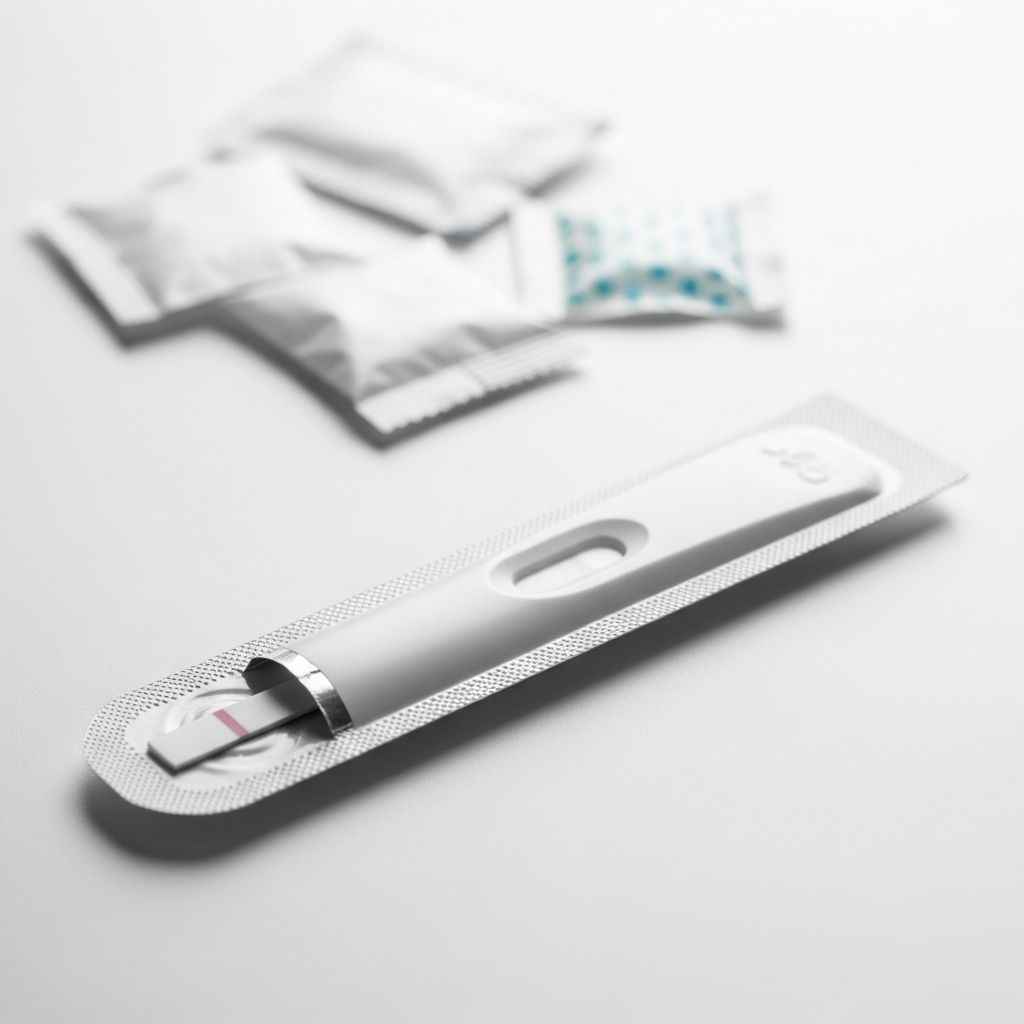
Subtle signs like fatigue, nausea, breast tenderness, and frequent urination may emerge amid irregular cycles. Home tests confirm hCG, but ultrasound verifies viability given miscarriage risks.
Postpartum Recovery and Long-Term Wellness
After birth, PCOS symptoms may recur; monitor for persistent diabetes or hypertension. Breastfeeding supports metabolic health. Ongoing care prevents cardiovascular and oncologic risks.
Frequently Asked Questions
Can women with PCOS conceive naturally?
Yes, though challenges persist; lifestyle changes and medications like clomiphene help 70-80% ovulate.
Does PCOS always cause high-risk pregnancy?
Not invariably, but elevated risks necessitate monitoring; healthy BMI lowers odds.
Will my child inherit PCOS?
Girls face up to 50% risk; boys may have metabolic predispositions.
How to prevent gestational diabetes with PCOS?
Diet, exercise, and early screening; metformin preconception if advised.
Is C-section more likely with PCOS?
Yes, due to macrosomia and complications; rates exceed general population.
References
- Polycystic Ovarian Syndrome (PCOS) and Pregnancy: Symptoms — Healthline. 2023. https://www.healthline.com/health/pregnancy/pcos
- Polycystic ovarian syndrome (PCOS) and pregnancy — Pregnancy Birth & Baby. 2023. https://www.pregnancybirthbaby.org.au/pcos-and-pregnancy
- Addressing Polycystic Ovary Syndrome in Pregnancy Care — JAMA Network Open. 2024-03-04. https://jamanetwork.com/journals/jamanetworkopen/fullarticle/2822874
- PCOS and Pregnancy – A Complete Guide — Stella Mattina LLC. 2023. https://stellamattina.com/pcos-and-pregnancy-a-complete-guide/
- PCOS (Polycystic Ovary Syndrome): Symptoms & Treatment — Cleveland Clinic. 2023-10-18. https://my.clevelandclinic.org/health/diseases/8316-polycystic-ovary-syndrome-pcos