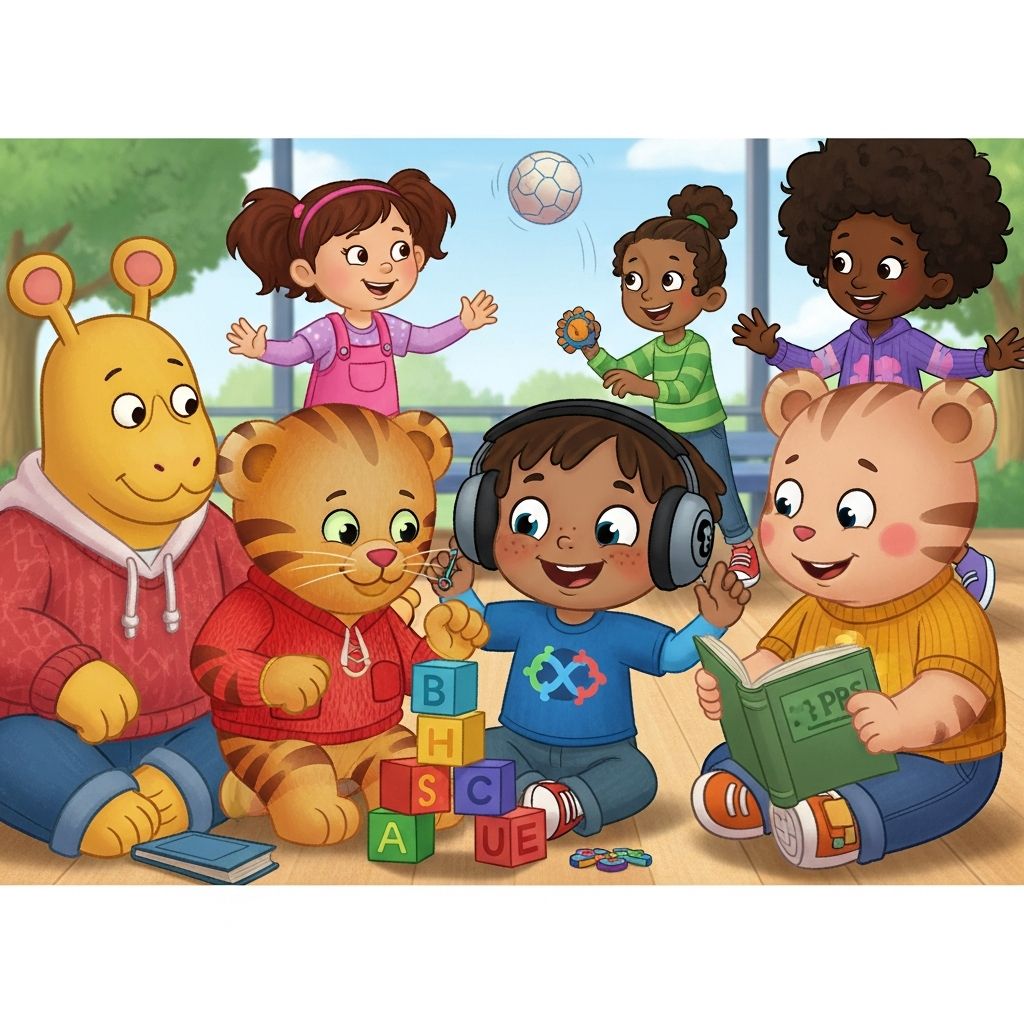
Public television has long been a trusted resource for children’s education, and during Autism Awareness Month, PBS Kids shines a light on neurodiversity through thoughtfully crafted episodes. These programs introduce young audiences to autistic characters, demonstrating that differences are strengths and fostering a culture of acceptance from an early age. By weaving autism representation into beloved shows, PBS Kids helps children understand sensory sensitivities, unique thinking styles, and the value of friendship across diverse experiences.
Why PBS Kids Leads in Autism Representation
PBS Kids prioritizes inclusive storytelling backed by research and expert input. Shows like Hero Elementary and Daniel Tiger’s Neighborhood collaborate with autism organizations and families to ensure authentic portrayals. For instance, episodes are tested to measure their impact on viewers’ perceptions, showing increased positive views of autism post-viewing. This approach not only entertains but educates, aligning with goals from the Autism Society to promote acceptance over mere awareness.
Parents report that these episodes spark meaningful family discussions. Children learn practical strategies, such as giving space during overwhelm or celebrating unique talents, preparing them for real-world interactions. With streaming availability on PBS Kids apps and YouTube, access is easy year-round, extending the month’s focus into everyday learning.
Hero Elementary: AJ Gadgets’ Superpower Story
In Hero Elementary, a Twin Cities PBS production, science-based superhero adventures take center stage. The episode “AJ’s Extra Super Power,” aired on National Autism Awareness Day in 2021, centers on AJ Gadgets, a team member explicitly revealed to be autistic. AJ’s inventive gadgets and focused problem-solving highlight autism as an asset in teamwork.
Research conducted by TPT and external experts found that after watching, children’s understanding of autism improved significantly, with many viewing it as a “positive quality.” This episode teaches that autistic individuals process information differently, excelling in areas like pattern recognition and innovation—traits AJ embodies while saving the day.
- AJ’s strengths: Exceptional gadget-building and attention to detail.
- Challenges shown: Navigating social cues and sensory inputs in high-stakes missions.
- Key lesson: Differences fuel superpowers when teams adapt and support each other.
Consultants like Frank Campagna, a father of an autistic child, ensured realism, emphasizing that AJ “just happens to be on the spectrum” without defining his entire character. Stream it via PBS Kids platforms for repeated viewings that reinforce these messages.
Daniel Tiger’s Neighborhood: Welcoming Max
The gentle world of Daniel Tiger’s Neighborhood, inspired by Mister Rogers, introduces Max, a recurring autistic character voiced by a teen on the spectrum. In “Daniel’s New Friend Max / A New Friend at the Clock Factory,” Daniel meets Max at Chime Time, learning to create a calmer environment when Max is overwhelmed by lights and sounds.
- Max’s traits: Sensitivity to noise, lights, and textures; needs time and space to self-regulate.
- Friendship strategies: Daniel uses strategies like dimming lights and quiet zones.
- Impact: Viewers see autism as a natural variation, not a barrier to fun.
Max’s portrayal draws from real experiences, showing self-calming techniques like flapping or retreating—common autistic behaviors. Episodes model patience, turning potential exclusion into inclusive play. Available on YouTube and PBS Kids, it’s ideal for preschoolers building social-emotional skills.
Sesame Street: Julia’s Enduring Friendship
Sesame Street‘s Julia, introduced in 2017, remains a pioneer in autism representation. The “Meet Julia” segments and episodes depict her as Elmo’s friend who loves art, music, and routines but may stim or need transition warnings. During the pandemic, Sesame Workshop expanded resources for autistic children adjusting to changes.
Julia’s stories normalize echolalia, intense interests, and sensory preferences, with friends adapting seamlessly. This fosters empathy, as research shows such media reduces stigma and boosts peer acceptance.
Xavier Riddle and the Secret Museum: Lessons from Temple Grandin
Xavier Riddle and the Secret Museum blends history with inclusion in “I Am Temple Grandin.” Protagonists Xavier, Yadina, and Brad meet Ben, an autistic boy, then time-travel to learn from animal scientist Temple Grandin, who is autistic. Grandin shares, “Sometimes people think and do things differently,” teaching acceptance of neurodiverse thinking.
Streamable on PBS Kids YouTube, with reruns, it aired for Autism Awareness Month, educating on visual thinking strengths common in autism.
Additional Gems in PBS Kids’ Collection
PBS Kids’ Autism Acceptance Month playlist features more:
- Curious George: Episodes where George befriends autistic peers, exploring shared play.
- Special Programs: Stories like autistic Black experiences in Minnesota docs, broadening representation.
| Show | Key Episode | Autistic Character | Streaming Platform |
|---|---|---|---|
| Hero Elementary | AJ’s Extra Super Power | AJ Gadgets | PBS Kids App, YouTube |
| Daniel Tiger | Daniel’s New Friend Max | Max | YouTube, PBS Kids |
| Sesame Street | Meet Julia | Julia | PBS Kids Video |
| Xavier Riddle | I Am Temple Grandin | Ben (guest) | YouTube |
Benefits for Children and Families
These episodes yield measurable outcomes. Viewers gain knowledge of autism traits and view them positively. Parents use them to explain diagnoses to siblings, reducing isolation. Educators integrate into curricula for social skills lessons.
During disruptions like COVID-19, Sesame’s autism toolkit helped with routine changes. Long-term, such exposure correlates with inclusive attitudes, per child development studies.
Tips for Parents Watching Together
- Discuss openly: Ask, “What did you notice about AJ/Max/Julia?”
- Model empathy: Practice strategies like sensory breaks.
- Seek more resources: Pair with Autism Society toolkits.
- Re-watch: Repetition builds retention.
- Connect locally: Check PBS stations for events.
Frequently Asked Questions
Which PBS Kids episode is best for toddlers learning about autism?
Daniel Tiger’s Neighborhood with Max is perfect for ages 2-4, using simple songs and visuals to teach patience and inclusion.
Has research proven these episodes change kids’ views on autism?
Yes, Hero Elementary‘s episode increased understanding and positivity in viewers, per TPT studies.
Where can I stream these for free?
All are on PBS Kids apps, YouTube channels, and pbskids.org—no subscription needed.
Do these shows include diverse autism representations?
Yes, from Julia’s artistic stimming to AJ’s tech genius and Max’s sensory needs, covering a spectrum.
Are there episodes for older kids?
Xavier Riddle suits 5-7-year-olds with historical ties; check playlists for more.
Extending Learning Beyond TV
Complement viewing with activities: Draw like Julia, build gadgets like AJ, or role-play calm spaces like Daniel. Partner with schools for screenings. PBS Kids’ commitment ensures ongoing content, making every month acceptance month.
References
- Explore These Autism Awareness Month Shows from Twin Cities PBS — Twin Cities PBS. 2023. https://www.tpt.org/post/explore-autism-awareness-month-shows-twin-cities-pbs/
- PBS Celebrates Autism Awareness Month With Special Episodes — Enabling Devices. 2021-04-01. https://enablingdevices.com/blog/pbs-celebrates-autism-awareness-month-with-special-episodes/
- Daniel Tiger’s Neighborhood | Daniel’s New Friend Max — PBS KIDS (YouTube). 2021-04-09. https://www.youtube.com/watch?v=PaIm3f5Jkrg
- PBS KIDS Supports Autism Acceptance Month Video Collection — PBS Kids. N/A. https://pbskids.org/videos/playlist/pbs-kids-autism-acceptance-month/1412896
- Autism awareness Playlist — YouTube. N/A. https://www.youtube.com/playlist?list=PLDfJ8XPlQX8BC1pp6FNeFdtfjFEmeSe6M
- APRIL IS AUTISM AWARENESS MONTH! | Autism and PBS KIDS — PBS KIDS (YouTube Playlist). N/A. https://www.youtube.com/playlist?list=PLa8HWWMcQEGSCCM7r0Rs2_-hhdpC41Tqe