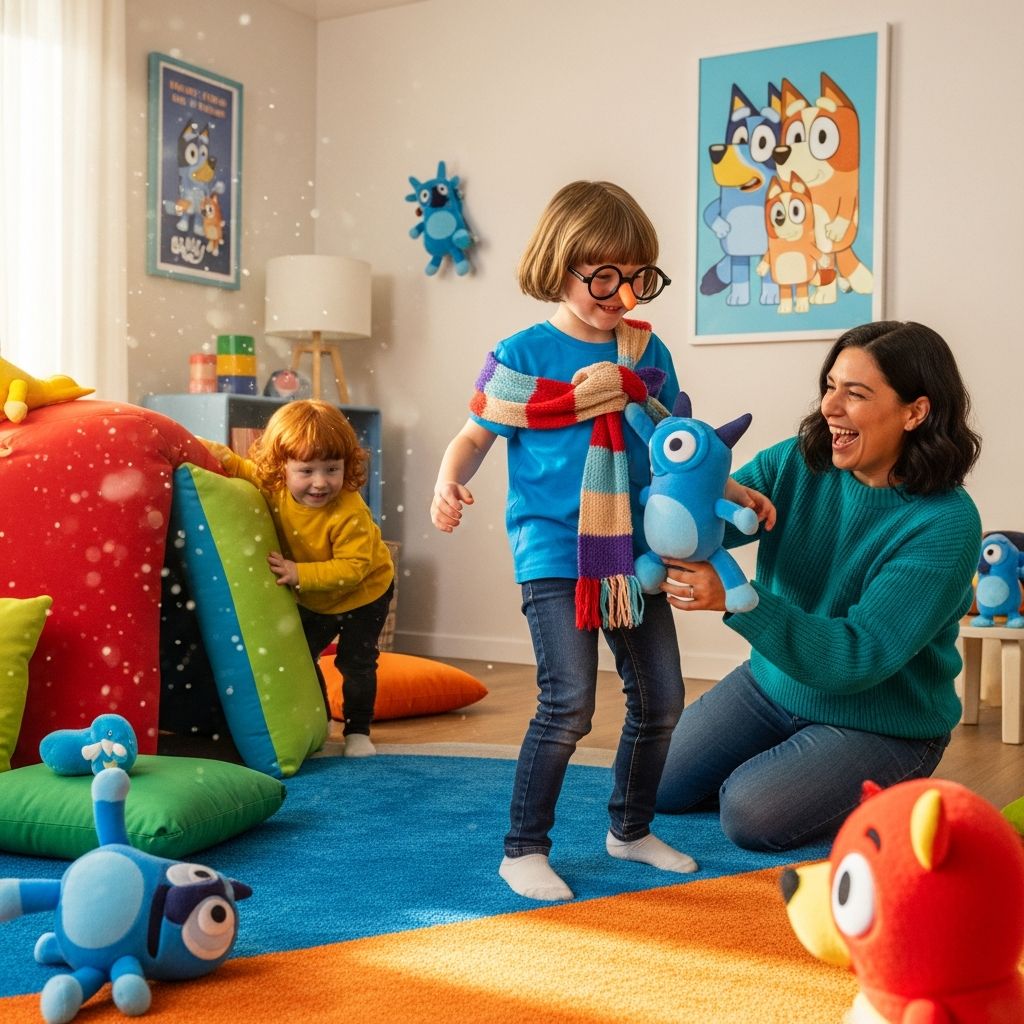
Highly sensitive children process the world with exceptional depth, noticing subtle details in sounds, lights, emotions, and textures that others overlook. This trait, affecting about 15-20% of children, brings unique gifts like empathy and creativity but also challenges such as quick overwhelm and intense feelings. Parents play a pivotal role in guiding these children toward emotional balance and self-assurance.
Recognizing Traits of Highly Sensitive Children
Sensitive kids often react strongly to overstimulation. They might cover their ears in noisy places, withdraw during family gatherings, or melt down over minor changes like a different dinner plate. These responses stem from a more responsive nervous system, not misbehavior. Early identification allows parents to tailor support, fostering strengths while addressing vulnerabilities.
- Deep processing: They ponder experiences thoroughly, leading to rich insights but slower adaptation.
- Emotional intensity: Joy and sadness hit harder, amplifying both highs and lows.
- Sensory awareness: Fabrics, smells, or crowds can feel unbearable.
- Empathy overload: They absorb others’ moods, risking their own emotional drain.
Understanding these signs empowers parents to respond proactively rather than reactively.
Building Emotional Foundations Through Co-Regulation
Co-regulation involves parents modeling calm to help children borrow emotional stability. When a child spirals, a parent’s steady presence acts as an anchor, teaching regulation over time. Research from child psychology emphasizes this as foundational for self-control development.
Start by pausing before responding. Deep breaths signal safety, allowing the child to mirror composure. Phrases like “I’m here with you; we’ll get through this” validate without fixing immediately. Consistency builds trust, turning parents into reliable regulators.
Daily Practices for Co-Regulation
| Practice | How It Helps | Implementation Tip |
|---|---|---|
| Breath syncing | Lowers heart rates mutually | Hold hands and count breaths together |
| Proximity calming | Physical nearness soothes | Sit beside during tasks without intervening |
| Verbal anchoring | Reassures security | Use simple affirmations like “You’re safe now” |
Establishing Predictable Routines and Safe Havens
Routine provides a scaffold for sensitive children, reducing anxiety from uncertainty. Visual schedules outline the day, from morning wake-up to bedtime, minimizing surprises. Transitions become smoother with warnings: “In 10 minutes, we’ll shift to homework—choose your spot now.”
Complement routines with dedicated calm zones. These aren’t punishments but recharging nooks equipped with soft lighting, plush cushions, noise-canceling headphones, and fidget tools. Encourage voluntary use: “If you need a break, our cozy corner awaits.” Such spaces teach self-awareness about overwhelm signals.
- Stock with sensory soothers: weighted blankets, essential oils, or textured balls.
- Include emotion aids: feeling charts or journals for naming sensations.
- Rotate items to maintain novelty without chaos.
Mastering Emotion Identification and Validation
Sensitive children feel deeply but struggle to articulate it, leading to outbursts. Teach “name it to tame it” using visual charts depicting faces from calm to furious. Prompt: “Does this feel like wiggly tummy or heavy heart?” Naming demystifies emotions, reducing their power.
Validation precedes solutions. Acknowledge first: “That loud music really shook you up, didn’t it?” This builds receptivity to guidance. Avoid dismissal like “It’s not a big deal,” which erodes trust. Pair with empathy to model healthy processing.
Age-Appropriate Emotion Tools
- Toddlers: Simple words like “happy/sad/mad” with gestures.
- Preschoolers: Storybooks featuring characters navigating feelings.
- School-age: Thought-feeling connections: “What thought made you sad?”
Developing Self-Soothing and Mindfulness Skills
Transition from co-regulation to independence with self-soothing techniques drawn from evidence-based therapies like DBT. Mindfulness anchors kids in the present: “Notice three things you see, hear, touch.” Quick exercises interrupt emotional floods.
Physical outlets regulate arousal. Cold water splashes, jumping jacks, or tight hugs release tension. Create a “soothe kit” personalized with favorites: lavender spray, squeeze balls, or calming tunes. Practice during calm times for automatic recall in stress.
Effort-based praise reinforces resilience: “You kept trying despite the frustration—great job!” This shifts focus from perfection to growth, buffering against self-doubt.
Anticipating Triggers to Prevent Escalations
Proactive parenting identifies patterns. Common triggers include sensory barrages (crowded stores), transitions (leaving playtime), or social dynamics (perceived rejection). Track in a journal: time, place, reaction.
Preempt with plans. For outings, set timers for breaks or pack earplugs. Teach coping previews: “If it gets noisy, squeeze my hand and we’ll step out.” Boundaries remain firm but compassionate—redirect aggression to safe outlets like pounding playdough.
- Sensory: Prep with comfortable clothes; scout quiet zones.
- Emotional: Debrief others’ feelings: “Your friend was upset, not mad at you.”
- Change: Use sand timers for visual countdowns.
Fostering Confidence and Problem-Solving Autonomy
Build self-efficacy through gradual challenges. Start small: choosing outfits, then navigating playdates. Guided questions empower: “What could you try next?” Celebrate steps, not just wins.
Play therapy elements at home—role-play scenarios with dolls—teach empathy and resolution. Group activities with empathetic peers highlight strengths, countering isolation tendencies.
Discipline Tailored for Sensitive Temperaments
Discipline means teaching, not shaming. Sensitive kids internalize criticism deeply, so frame corrections positively: “Let’s find a better way to express anger.” Co-regulate first, then guide alternatives.
Balance warmth with structure. Logical consequences connect actions to outcomes: “Hitting stops play; punching a pillow keeps friends safe.” Praise compliance lavishly to reinforce.
Frequently Asked Questions (FAQs)
What if my sensitive child resists the calm space?
Introduce it playfully during low-stress times. Model using it yourself: “Mom needs a reset—join me?” Over time, ownership grows.
How much downtime is enough?
Aim for 20-30% of the day in quiet pursuits, adjusting by observation. Watch for fatigue cues like yawning or irritability.
Can sensitivity fade with age?
It often persists but skills improve with practice. Many sensitive adults credit early support for their success.
What about school challenges?
Collaborate with teachers for accommodations like noise breaks or front seating. Share traits to foster understanding.
Is therapy recommended?
For intense struggles, yes—CBT or play therapy equips advanced tools. Consult pediatricians for referrals.
Long-Term Outlook: Thriving Strengths
Sensitive children grow into intuitive leaders, artists, and caregivers. Nurture with patience, and their perceptiveness becomes a superpower. Consistent strategies yield resilient, confident individuals ready for life’s complexities.
References
- Co-Regulation Strategies for Parents of Highly Sensitive Children — EdParenting. 2024-05-15. https://www.edparenting.com/blog/co-regulation-strategies-for-parents-of-highly-sensitive-children
- Parenting a Highly Sensitive Child: Tools from Evidence-Based Therapies — Wise Mind Centre. 2025-10-03. https://wisemindcentre.com/2025/10/03/parenting-a-highly-sensitive-child-tools-from-evidence-based-therapies/
- Highly Sensitive Child Parenting Strategies — Atlas Psychology Collective. 2024-08-20. https://www.atlaspsychologycollective.com/blog/highly-sensitive-child-parenting-strategies
- Understanding and Managing Anger in Highly Sensitive Children — Nurtured First. 2024-11-12. https://nurturedfirst.com/toddler/highly-sensitive-aggressiveness/
- Preventing Child Abuse and Neglect — Centers for Disease Control and Prevention (CDC). 2025-01-10. https://www.cdc.gov/violenceprevention/childabuseandneglect/index.html
- Emotional Development in Young Children — American Academy of Pediatrics. 2024-03-05. https://publications.aap.org/pediatrics/article/153/Supplement_2/S88/196162