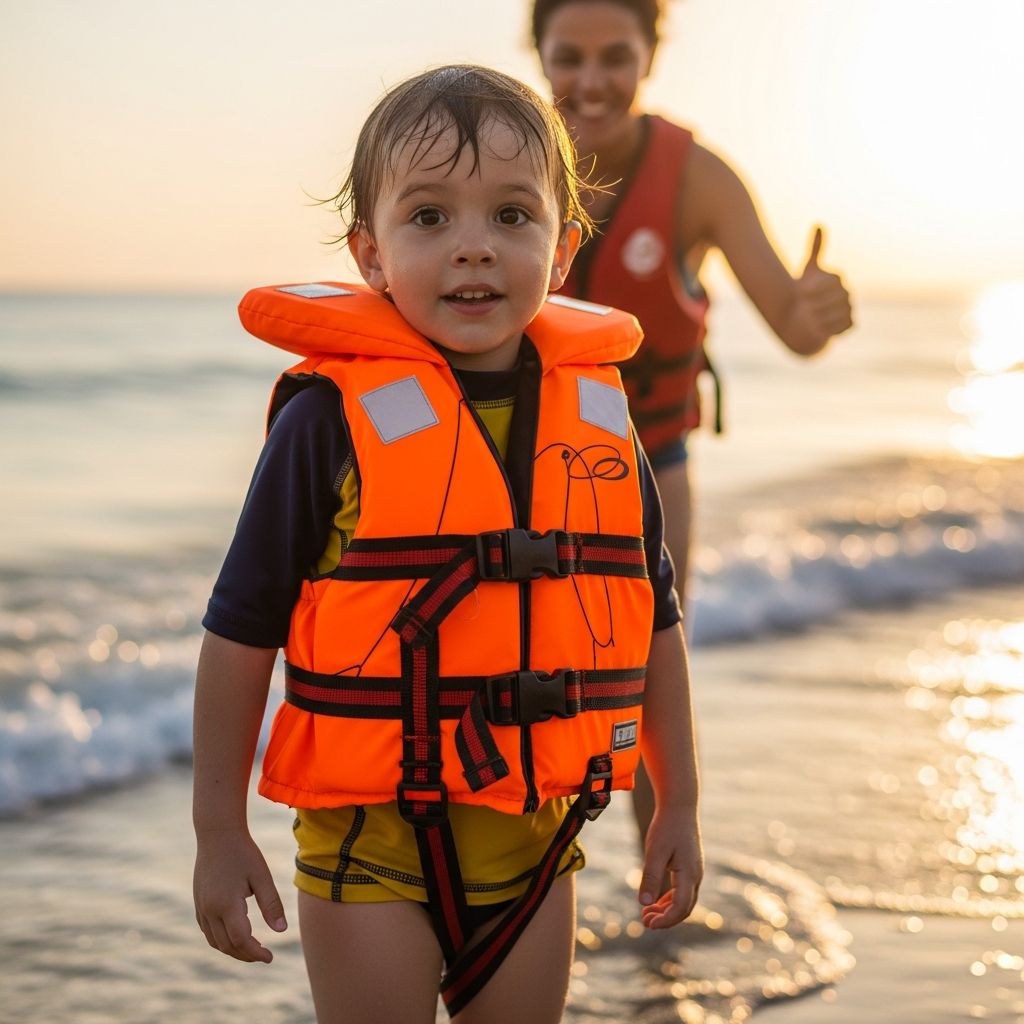
Protecting children around water starts with the right personal flotation device (PFD). Life jackets designed for kids provide essential buoyancy to keep young bodies afloat during unexpected falls, fatigue, or in challenging conditions. Federal regulations mandate that children under 13 wear US Coast Guard-approved life jackets on moving vessels, underscoring their life-saving role.
Why Life Jackets Are Critical for Young Swimmers
Water accidents claim young lives annually, but properly fitted life jackets dramatically reduce drowning risks. They offer buoyancy for non-swimmers, weak swimmers, or those incapacitated by cold water, injury, or exhaustion. Unlike inflatable toys or water wings, approved PFDs are engineered to support the head and turn wearers face-up when needed.
Parents must prioritize supervision alongside gear. No device replaces vigilant adult oversight, but a reliable life jacket buys critical time for rescue.
Understanding US Coast Guard Approval and Standards
Every child’s life jacket must bear the US Coast Guard approval stamp, confirming it meets rigorous buoyancy, material, and performance tests. Look for this mark on the label, along with weight and size ranges. Non-approved items, like puddle jumpers without certification, fail in real emergencies despite pool use under supervision.
- Verify the label specifies the child’s weight range.
- Ensure Type I, II, or III markings for boating compliance.
- Avoid vests labeled only for ‘swimming aids’ or toys.
Types of Life Jackets Suited for Kids
Different water activities demand specific PFD types. Selection depends on location, rescue likelihood, and child’s swimming ability.
| Type | Best For | Key Features | Child Suitability |
|---|---|---|---|
| Type I (Offshore) | Open ocean, rough waters | High buoyancy, turns face-up even unconscious | Children 89 lbs or less; bulky but reliable |
| Type II (Near-Shore) | Calm inland waters, supervised swims | Turns most wearers face-up; good for infants | Ideal for babies with head pillow, crotch strap |
| Type III (Flotation) | Calm waters, quick rescue | Comfortable, allows movement; no auto-turn | Popular for active kids/teens |
Type II suits infants with ‘heads-up’ flotation collars and leg straps to prevent ride-up. Type III offers freedom for boating or supervised play. Foam arm bands are pool-only under watch, always USCG-approved.
Mastering the Perfect Fit: Sizing Guide
A life jacket too big rides up over the face; too small lacks buoyancy. Sizing hinges on weight and chest size—never buy ‘to grow into.’ Infant PFDs target under 30 lbs with specific labels.
Fit Test Steps:
- Fasten all straps, zippers, buckles snugly.
- Raise child’s arms overhead.
- Gently pull upward on shoulder/arm openings.
- Ensure no ride-up past chin/ears.
For infants (<50 lbs), seek crotch straps and head support collars. Bright colors enhance visibility.
Age-Specific Recommendations for Maximum Protection
Infants and Toddlers (Birth to 5 Years)
The youngest need constant wear near or in water, including beaches/docks. Choose Type II with leg straps and flotation pillows to cradle the head. Limit outings if concerned about body heat; consult pediatricians.
Children 5-12 Years
Mandatory on moving boats federally; states vary (e.g., NJ under 12). Type II/III for calm activities; ensure fit checks annually as growth spurts occur.
Teens and Pre-Teens
Under 13 must wear on vessels; Type III for comfort. Involve them in style/color selection to encourage compliance.
Legal Requirements Across Activities
U.S. law requires kids under 13 on moving recreational boats to don approved PFDs, barring enclosed cabins or non-moving craft. States add rules: some mandate for canoes/kayaks. Always check local mandates.
- Boating: All kids under 13, underway vessels.
- Watersports: Type I-III required on many lakes.
- Swimming/Open Water: Supervised use in lakes/rivers/oceans.
Maintenance and Storage Best Practices
Inspect yearly: no tears, leaks, mildew, rot, or faulty zippers. Rinse after saltwater; air-dry fully before storage. Teach kids self-donning.
- Tuck loose straps securely.
- Practice leaning back in shallow water.
- Discard damaged units immediately.
Common Mistakes to Avoid
Steer clear of inflatables, water wings, or rafts as PFD substitutes—they deflate or lack support. Don’t overlook crotch straps for little ones or assume one size fits growing kids. Panic in falls underscores pre-water familiarization.
Enhancing Safety with Preparation
Acclimate children to PFDs in pools: teach wear, float positions. Pair with swim lessons, but remember PFDs suit all skill levels. Bright hues aid spotting.
Frequently Asked Questions (FAQs)
At what age must children wear life jackets on boats?
Federal law requires all under 13 on moving U.S. recreational boats, with state variations.
How do I know if a life jacket fits my child properly?
Perform the shoulder pull test: no chin/ear ride-up when lifted. Check label weight match.
Are water wings safe for kids in pools?
No; they are toys, not PFDs. Use only USCG-approved gear, even supervised.
Can teens choose their own life jackets?
Yes, involve them for appealing styles/colors to boost wear compliance, ensuring approval/fit.
What if my state has no child PFD laws?
Federal rules still apply: under 13 on moving boats. Always prioritize safety.
Empowering Parents for Confident Water Adventures
Armed with knowledge of types, fits, laws, and care, parents can outfit kids confidently. Combine PFDs with rules like no solo swims and life jacket loaners if needed. Safety ensures fun memories, not tragedies.
References
- Life Jackets Safety, Sizing and Types – Layers of Protections — The ZAC Foundation. Accessed 2026. https://thezacfoundation.org/kids-water-safety/life-jackets/
- Life Jackets — Children’s Hospital Pittsburgh. Accessed 2026. https://www.chp.edu/injury-prevention/safety/water-and-sun/life-jackets
- Safety Resources: Life Jackets for Children and Teens — Seattle Children’s Hospital. Accessed 2026. https://www.seattlechildrens.org/health-safety/injury-prevention/life-jackets-for-children-and-teens/
- Children’s Life Jacket Rules and Requirements — BOATERexam.com. Accessed 2026. https://www.boaterexam.com/boating-resources/children-personal-flotation-device/
- Life Jackets & Life Preservers for Children — American Academy of Pediatrics (HealthyChildren.org). Accessed 2026. https://www.healthychildren.org/English/safety-prevention/at-play/Pages/life-jackets-and-life-preservers.aspx