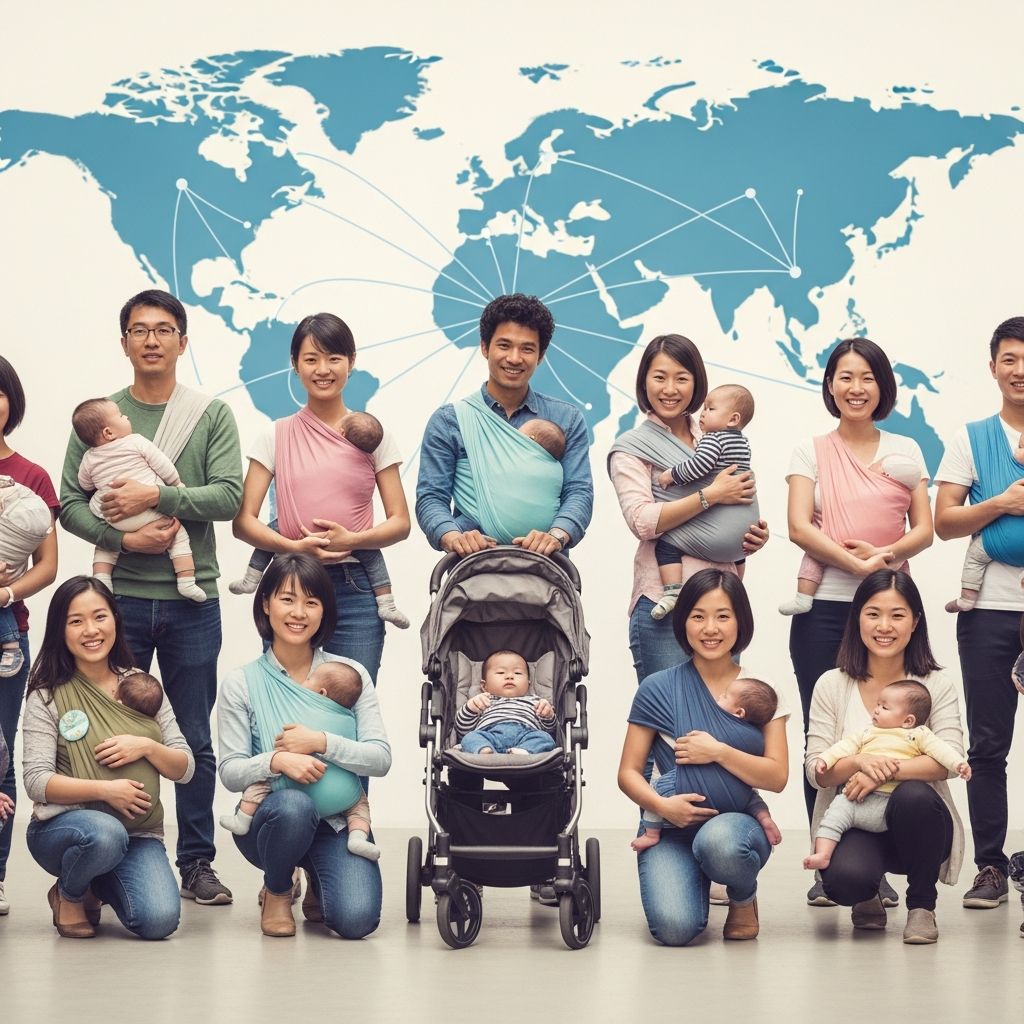
Parental leave policies represent a cornerstone of modern family support systems, enabling new parents to bond with their children while maintaining financial stability. Across the world, countries with generous paid leave demonstrate improved child health outcomes, greater gender equity in parenting roles, and stronger workforce participation. In contrast, nations lagging in these provisions face challenges like higher infant mortality and persistent wage gaps. This article delves into the evidence supporting expanded parental leave, drawing on international comparisons and research to highlight its transformative potential.
The Current Landscape of Parental Leave Worldwide
Paid parental leave varies dramatically by country, with many high-income nations offering substantial support through maternity, paternity, and shared parental benefits. For instance, OECD countries typically provide maternity leave with full or near-full wage replacement, paternity leave averaging several weeks, and extensive parental leave options. Sweden stands out with 480 days of paid leave, including non-transferable quotas for each parent to encourage shared caregiving.
In Iceland, parents receive up to six months each at 80% pay, with additional transferable weeks, fostering balanced involvement from both mothers and fathers. Spain mandates 16 weeks of paternity leave at 100% pay, while Finland offers up to 160 working days per parent. These policies often pool risks via social insurance, ensuring universal coverage and flexibility in scheduling.
Japan provides up to 52 weeks for fathers, though uptake remains low at around 6% among private sector workers, prompting incentives like bonus weeks for shared use. Eastern European nations like Lithuania offer 30 days paternity at 77% pay, and Poland extends child caregiving benefits up to age 18. Such diversity underscores a global trend toward gender-neutral, flexible leave that supports diverse family structures, including same-sex couples in places like Belgium.
Why the United States Lags Behind
The U.S. remains an outlier as the only OECD country without a national paid parental leave policy, relying instead on the unpaid Family and Medical Leave Act (FMLA) for 12 weeks of job protection. Federal employees gained 12 weeks paid leave via the Federal Employee Paid Leave Act, but this excludes most private sector workers. State-level initiatives exist, yet they fall short of international generosity, lacking non-transferable father quotas or universal risk-pooling.
This gap contributes to inequities: low-income families struggle most, with mothers often returning to work prematurely, exacerbating stress and health risks. International best practices suggest U.S. reforms could adopt social insurance models for equitable cost-sharing across parents, non-parents, and employers.
Proven Benefits for Child Health and Development
Generous parental leave directly enhances infant and child well-being. Studies across over 20 low- and middle-income countries show that extending paid maternity leave reduces infant mortality, boosts DTP immunization rates, lowers bloody diarrhea incidence, and increases breastfeeding duration—critical for maternal and child health.
In high-income contexts, longer leave correlates with stronger parent-child attachment. Sweden’s father-reserved leave portions led to women’s earnings rising nearly 7% per month of partner leave taken, eight years later, by enabling mothers’ workforce re-entry. Children benefit from dual-parent involvement, showing improved cognitive and emotional development.
| Outcome | Impact of Extended Leave | Example Countries |
|---|---|---|
| Infant Mortality Reduction | Significant decrease | 20+ low/middle-income nations |
| Immunization Rates | Increased DTP uptake | Global studies |
| Breastfeeding Duration | Longer exclusive periods | Multiple OECD |
| Child Diarrhea Incidence | Reduced bloody cases | Policy change analyses |
Advancing Gender Equality and Family Dynamics
Non-transferable leave quotas revolutionize household roles. Countries like Sweden and Iceland mandate father-specific periods, normalizing paternal caregiving and reducing the ‘motherhood penalty’ on careers. This shifts cultural norms, with higher male uptake leading to more equitable divisions of labor.
Spain’s paternity leave expansion increased fathers’ involvement, supporting mothers’ professional recovery. Globally, 24 of 36 OECD nations offer paid parental leave averaging 45 weeks at 55-100% pay, often with bonuses for shared use to combat discrimination and boost bonding. These policies empower women economically, closing wage gaps and enhancing family stability.
Economic and Workplace Advantages
Investing in parental leave yields economic returns. Universal systems minimize employer burdens through pooled financing, as in insurance-style models that spread costs. Small businesses benefit from reimbursements, like the UK’s 103% payback for tiny firms versus 92% for larger ones.
Employees return more productive and loyal, with reduced turnover. France’s family tax credits reward progressive employers, while compliance with evolving laws ensures global HR stability. Enhanced mental health from financial security during child-rearing fosters engagement, benefiting companies long-term.
- Cost-Sharing: Social insurance pools risks across employers.
- Retention Boost: Supported returns improve loyalty.
- Innovation Incentives: Tax credits for family-friendly practices.
Building Flexible, Inclusive Policies
Effective leave requires adaptability: flexible timing, adoption coverage, and caregiving extensions for ill family members. Nineteen OECD countries provide paid family caregiving leave, vital for serious illnesses. Gender-neutral designs accommodate modern families, including non-birthing parents.
Best practices include modest eligibility, scheduling options, and employer support during absences. Transition programs aid re-entry, monitoring laws ensures ongoing relevance. ParlAmericas notes a hemispheric shift toward inclusive provisions, promoting equality.
Pathways for Policy Reform
To emulate leaders, nations should prioritize: (1) generous duration with full pay; (2) reserved quotas; (3) universal access; (4) insurance financing; (5) flexibility. The U.S. could expand FEPLA nationally, drawing from Canada’s 40-69 weeks at 33-55% pay or Sweden’s model.
Stakeholders—governments, employers, advocates—must collaborate. Pilot programs, incentives, and data tracking can build momentum, proving leave’s value in healthier societies and robust economies.
Frequently Asked Questions
What countries offer the most generous parental leave?
Sweden provides 480 days with quotas, Iceland up to 12 months per parent at 80% pay, and Norway/Luxembourg 4-20 months at full earnings.
Does parental leave improve gender equality?
Yes, non-transferable father quotas increase male uptake, boosting mothers’ earnings and shared roles, as in Sweden.
Why doesn’t the U.S. have national paid leave?
It’s the sole OECD holdout without mandated paid parental leave, though federal workers have 12 weeks; states vary.
How does leave benefit children?
It reduces mortality, enhances immunizations, breastfeeding, and attachment via extended parental care.
Can small businesses afford it?
Yes, via reimbursements and pooled insurance, as in UK and Japan opt-outs for micro-firms.
References
- Parental Leave Policies in 21 Countries — Luxembourg Income Study. 2019. https://www.lisdatacenter.org/wp-content/uploads/parent-leave-report1.pdf
- Maternity & Paternity Leave Around the World — Globalization Partners. 2023. https://www.globalization-partners.com/blog/maternity-and-paternity-leave-around-the-world-what-global-hr-teams-should-know/
- Paid Family Leave Across OECD Countries — Bipartisan Policy Center. 2020-01-01. https://bipartisanpolicy.org/wp-content/uploads/2020/01/PFL6-FInal_.pdf
- Comparison of Paid Maternity Leave By Country — Pebl. 2024. https://hellopebl.com/resources/blog/paid-maternity-leave-by-country/
- Policy Guide: Parental Leave — ParlAmericas. 2022. https://parlamericas.org/uploads/documents/Parental_Leave_ENG.pdf
- Paid Leave for New Parents — WORLD Policy Analysis Center. 2023. https://www.worldpolicycenter.org/sites/default/files/2023-02/Paid_Leave_for_New_Parents_1.pdf
- Paid Maternity Leave Legislation in the United States: A Global Outlier — Fordham International Law Journal. 2023. https://www.fordhamilj.org/iljblog/ge9pzg88g43k5mb-g85bt-c9htn-sczy8-xjdm8-5jkm8-lrwtr-n7ztk-7x8mx-8zle9-jja2d-3l9zt-56mfc-ca8p4-ewlz4-tzaxn-fzf2g-9edzn-8w9yt-clmg3-l3629-9m2ey-j9hbn-fmm4k-km6ec-krgaj-krxse-gljtm-4el5m-9lgtk-zfecr