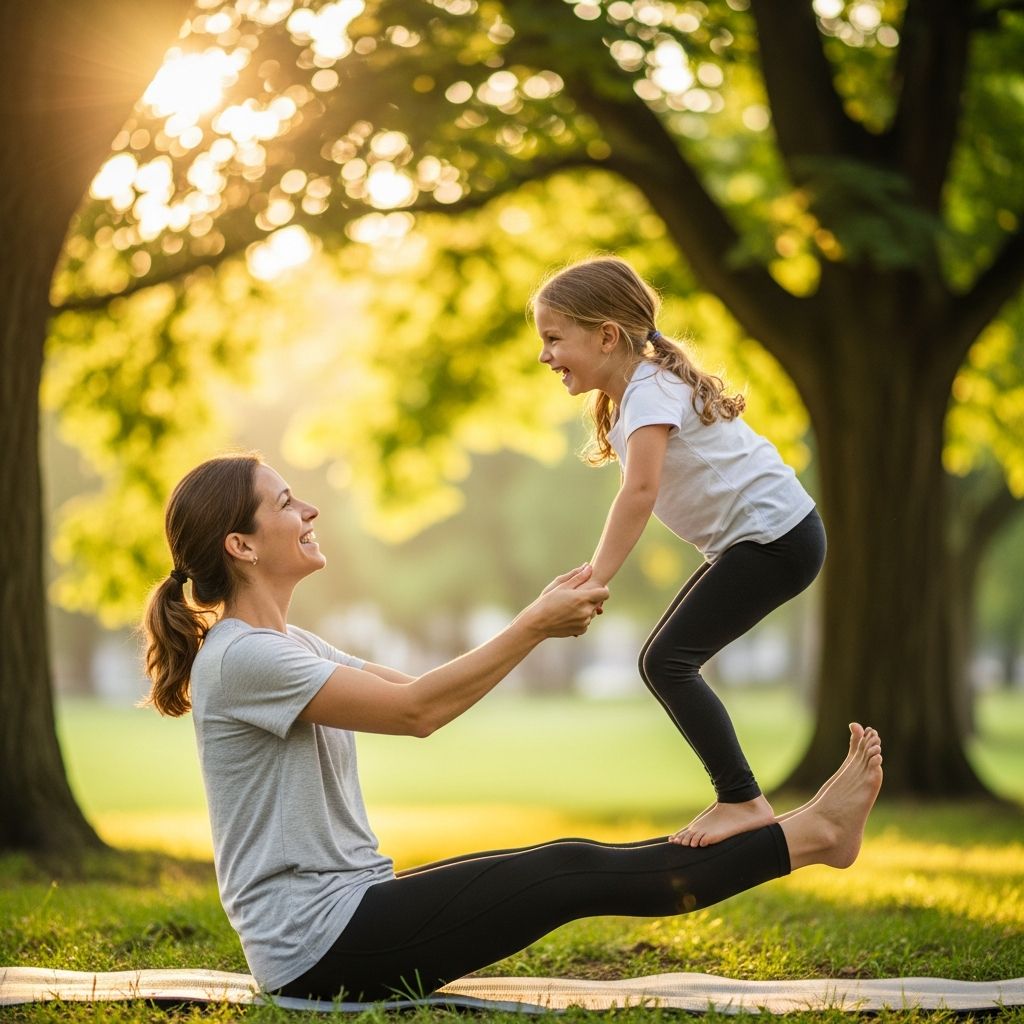
Parent-child yoga transforms everyday playtime into a powerful wellness practice. These interactive poses foster physical strength, emotional closeness, and mutual relaxation, making them ideal for busy families. By incorporating gentle movements, parents can rebuild postpartum fitness while helping children develop coordination and confidence.
Why Practice Yoga Together?
Engaging in yoga with your child offers multifaceted advantages grounded in physical and psychological benefits. For parents, it aids recovery from childbirth by targeting core muscles, improving flexibility, and reducing stress hormones. Children gain motor skills, better sleep patterns, and sensory awareness through touch and movement.
Research from pediatric health experts highlights how such activities promote infant relaxation and digestive health. Physical contact during poses releases oxytocin, enhancing emotional security for both. Parents report lower anxiety levels, while babies exhibit fewer fussy periods and improved digestion.
- Physical gains: Strengthens muscles, improves balance, and stretches tight areas like hips and back.
- Emotional perks: Builds trust through eye contact, laughter, and synchronized breathing.
- Developmental boosts: Supports baby’s crawling, rolling, and body awareness milestones.
Classes or home sessions typically last 20-30 minutes, using soft mats and minimal props. Always prioritize safety: support baby’s head if under 6 months, and stop if either feels discomfort.
Essential Beginner Poses for Strength and Stretch
Start with foundational poses that emphasize core engagement and spinal mobility. These are adaptable for infants to toddlers, using the child’s weight for gentle resistance.
Spinal Wave Flow
Begin on all fours with your child lying beneath you, faces aligned. Inhale to arch your back, lifting chest toward them (cow variation), then exhale to round spine, gazing down (cat variation). Flow 5-10 breaths, adding playful sounds or faces.
This duo warms the spine, eases lower back tension common postpartum, and encourages baby’s visual tracking.
Supported Plank Kisses
From knees or full plank, position arms beside your child. Lower chest slowly on exhale for a nose kiss, then press up on inhale. Repeat 8 times.
Builds arm and core power while promoting tummy time alternatives. Toddlers love the giggles from proximity.
| Pose | Target Muscles | Hold Time | Modifications |
|---|---|---|---|
| Spinal Wave | Back, abs | 5-10 breaths | Seated version for fatigue |
| Supported Plank | Arms, core | 8 reps | Knees down |
Standing Poses for Balance and Coordination
Transition to upright positions to challenge stability and hip openness, crucial for parents navigating daily lifts.
Single-Leg Balance Hold
Stand holding child securely. Root into one foot, place other foot on inner thigh or ankle. Breathe deeply, switching sides after 20 seconds. For variety, sway gently side-to-side.
Enhances proprioception and leg strength; children feel secure in your steady grip.
Tip-Toe Squat Shifts
Feet wide, hold child outward-facing. Squat on exhale, rise to tiptoes on inhale while shifting weight foot-to-foot.
Opens hips, boosts circulation, and mimics playful bouncing.
Practice 1 minute per side, using a wall for support if needed.
Seated and Supine Poses for Core Power
Floor-based poses intensify abdominal work while providing calming, face-to-face interaction.
V-Shaped Lift
Sit with knees bent, child on lap facing you. Lift feet parallel to floor, extending legs if balanced. Hold 15-30 seconds, arms forward or supporting child.
Fortifies deep core layers, counters diastasis recti, and entertains with rocking motion.
Hip Lift Bridge
Lie back, knees bent, child on hips. Press feet down to elevate pelvis, hold or pulse 5-10 times.
Activates glutes, hamstrings, and pelvic floor; invigorates tired legs post-carrying.
Upper Back Lift
Prone position, child ahead tummy-down. Press hands under shoulders to lift chest, encouraging mimicry.
Stretches front body, may inspire baby’s push-up attempts toward crawling.
Restorative Poses for Recovery and Calm
Wind down with inversion and relaxation to lower heart rates and aid recovery.
Wall-Supported Leg Elevation
Situate hips against wall, legs up. Cradle child on chest or beside. Remain 3-5 minutes.
Drains fatigue from legs, soothes headaches, and promotes better sleep via circulation.
Final Relaxation Embrace
Lie supine or side-lying, child on torso. Soften breath, synchronize rhythms for 5-10 minutes.
Integrates session benefits, fostering profound rest and connection.
Customizing Sessions by Age Group
Tailor poses to developmental stages for maximum engagement.
- 0-6 months: Focus on supported holds, gentle rocks; prioritize head/neck support.
- 6-12 months: Add rolling assists, plank variations for pre-crawlers.
- 1-3 years: Encourage imitation, partner balances; use songs for transitions.
Infants benefit from gas-relieving twists; toddlers thrive on naming poses.
Health Benefits Backed by Experts
Baby yoga supports holistic growth. Pediatric sources note improved digestion and colic relief through massage-like movements. Parents experience stress reduction, mirroring caregiver calm to soothe infants.
Physical touch boosts bonding hormones; regular practice enhances sleep quality for all. Core-focused poses rebuild postpartum strength safely.
Practical Tips for Successful Sessions
Create a serene space: dim lights, soft music, non-slip mat.
- Breathe audibly to model calm.
- Incorporate rhymes: “Row your boat” during boats.
- End with cuddles; hydrate post-session.
- Consult doctor for preemies or medical concerns.
Frequency: 3-4 times weekly, 20 minutes. Track progress in a journal.
Frequently Asked Questions
When is the best age to start parent-child yoga?
From newborn, with gentle holds; ramp up at 3 months as neck strength grows.
Do I need prior yoga experience?
No—poses are beginner-friendly, focusing on play over perfection.
Can it help with baby’s reflux or gas?
Yes, gentle compressions and elevations aid digestion.
How does it benefit postpartum recovery?
Strengthens pelvic floor, core; reduces back pain via targeted stretches.
What if my child fidgets or cries?
Shorten holds, add games; consistency builds interest over time.
Sample 20-Minute Routine
- Warm-up: Spinal waves (3 min)
- Strength: Plank kisses, V-lift (5 min)
- Balance: Tree, squats (5 min)
- Restore: Bridge, wall legs, savasana (7 min)
This sequence balances effort and ease, suitable for home or park.
References
- Mommy and Me Yoga Poses: 10 Moves to Try — Bubbles Academy. 2023. https://bubblesacademy.com/mommy-and-me-yoga-poses/
- Mommy and me yoga poses — Doona. 2024. https://www.doona.com/en-us/parenting-tips/mommy-and-me-yoga-poses
- The Benefits of Mommy and Me Yoga for Babies and Caregivers — Care.com. 2023-05-15. https://www.care.com/c/baby-and-me-yoga-benefits/
- Mommy and Me Yoga: Benefits, Tips, and What to Expect — The Haven. 2024. https://shopthehaven.com/blogs/news/mommy-and-me-yoga-benefits-tips-and-what-to-expect
- Baby Yoga: Poses, Benefits and How To — The Bump. 2023. https://www.thebump.com/a/baby-yoga
- Benefits of Infant Yoga — Children’s Healthcare Associates. 2022-10-01. https://www.chapeds.com/blog/1294194-benefits-of-infant-yoga/