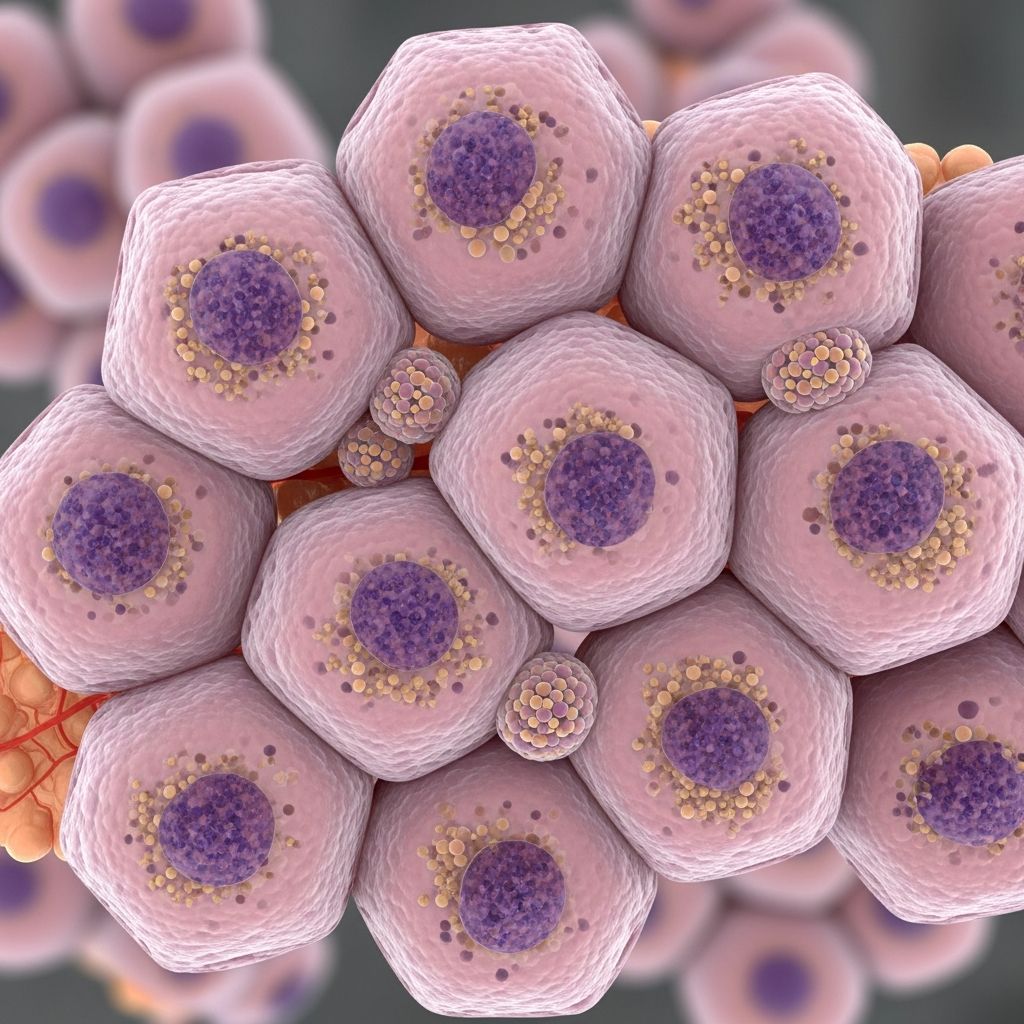
Pancreatic beta cells serve as the body’s primary insulin factories, playing a pivotal role in maintaining stable blood glucose levels essential for energy metabolism and overall health. These specialized cells, nestled within the islets of Langerhans in the pancreas, respond dynamically to dietary glucose intake by synthesizing and releasing insulin, the hormone that facilitates glucose uptake into cells.
The Anatomy and Location of Beta Cells
Located in the pancreas—an organ positioned behind the stomach—beta cells constitute approximately 50-70% of the cells in the pancreatic islets, clustered structures that function as endocrine hubs. Unlike the exocrine pancreas, which produces digestive enzymes, these islets focus solely on hormone secretion. Beta cells are endocrine specialists, equipped with glucose sensors that detect blood sugar fluctuations with remarkable precision.
Structurally, beta cells feature insulin granules ready for rapid release and machinery for ongoing production. When glucose enters the bloodstream, such as after a meal, it triggers a cascade: glucose transporters usher it into the cell, where it’s metabolized, raising ATP levels. This closes potassium channels, depolarizes the cell membrane, opens calcium channels, and prompts insulin exocytosis.
How Beta Cells Maintain Glucose Homeostasis
Beta cells orchestrate glucose homeostasis by secreting insulin in two phases: an initial burst of pre-stored insulin followed by sustained production. This biphasic response ensures swift correction of post-meal spikes while preventing hypoglycemia. Insulin then binds to receptors on muscle, fat, and liver cells, promoting glucose storage as glycogen and inhibiting gluconeogenesis.
- Glucose Sensing: Beta cells express GLUT2 transporters for unrestricted glucose entry, coupled with glucokinase, a high-Km enzyme acting as a sensor for physiological glucose ranges (4-10 mM).
- Insulin Synthesis: Proinsulin is processed into mature insulin within secretory granules, stored until signaled for release.
- Amylin Co-Secretion: Beta cells also release amylin, which slows gastric emptying and suppresses glucagon, aiding postprandial control.
This intricate system keeps fasting glucose at 4-5.5 mM and postprandial levels below 7.8 mM, averting complications like neuropathy or retinopathy.
Beta Cell Dysfunction in Type 2 Diabetes
In type 2 diabetes (T2D), affecting over 500 million globally, beta cells face dual assaults: peripheral insulin resistance and intrinsic failure. Initially, they compensate by hypertrophying and hypersecreting insulin, leading to hyperinsulinemia. However, chronic hyperglycemia exhausts them, reducing mass by 40-50% and impairing function.
Key mechanisms include:
- Glucotoxicity: Prolonged high glucose forces overwork, inducing endoplasmic reticulum (ER) stress and unfolded protein response, culminating in apoptosis.
- Lipotoxicity: Elevated free fatty acids from obesity provoke ceramide accumulation, inflammation, and oxidative damage.
- Inflammation: Cytokines like TNF-α, IL-6, and IL-1β infiltrate islets, activating NF-κB, JNK, and p38 MAPK pathways, promoting beta cell death.
| Factor | Effect on Beta Cells | Consequence in T2D |
|---|---|---|
| High Glucose | ER stress, ROS increase | Reduced insulin secretion |
| Obesity Lipids | Insulin resistance, apoptosis | Beta cell exhaustion |
| Pro-inflammatory Cytokines | NF-κB activation | Islet inflammation |
These stressors synergize: insulin resistance demands more insulin, but beta cells falter, causing hyperglycemia that further impairs them—a vicious cycle.
Protective Mechanisms and Antioxidant Defenses
Beta cells are particularly vulnerable to oxidative stress due to low antioxidant enzyme expression, like catalase (CAT) and superoxide dismutase (SOD). Reactive oxygen species (ROS) from glucose metabolism damage DNA, proteins, and lipids, accelerating dysfunction.
Research highlights protective strategies:
- Catalase Overexpression: Boosts H2O2 breakdown, preserving insulin secretion in high-glucose models.
- Anti-inflammatory Targets: Blocking TNF-α improves sensitivity; IL-6 shows dual roles, sometimes protective via autophagy.
- ER Stress Relief: Chemical chaperones mitigate misfolded protein accumulation.
Hyperfibrinogenemia, common in T2D, exacerbates inflammation via stellate cell activation, suggesting fibrinogen as a novel target.
Regeneration and Therapeutic Frontiers
Excitingly, beta cells aren’t irreversibly lost early in T2D. The DiRECT trial showed remission via calorie restriction restores function by clearing intrapancreatic fat, recovering beta cell mass. Preclinical studies activate division pathways, expanding functional beta cells.
Emerging therapies include:
- GLP-1 Agonists: Enhance proliferation and inhibit apoptosis.
- Harmine Derivatives: Stimulate replication without tumorigenesis.
- Stem Cell-Derived Beta Cells: Lab-grown islets for transplantation.
Weill Cornell research (2023) identified pathways boosting both number and function, promising for the 500+ million with T2D.
Lifestyle Impacts on Beta Cell Health
Diet and exercise profoundly influence beta cells. High-fat diets induce lipotoxicity, while intermittent fasting reduces ER stress. Aerobic exercise improves insulin sensitivity, easing beta cell burden.
Key recommendations:
- Maintain BMI <25 to minimize ectopic fat.
- Adopt Mediterranean diet rich in antioxidants.
- Engage in 150 min/week moderate activity.
Early intervention via weight loss can halt progression, as fat removal reactivates dormant cells.
Frequently Asked Questions (FAQs)
Can beta cells regenerate naturally?
Yes, especially early in T2D. Calorie restriction and fat loss, as in DiRECT, restore function by clearing pancreatic fat.
What causes beta cell death in diabetes?
Chronic high glucose/lipids cause gluco- and lipotoxicity, plus inflammation and oxidative stress, leading to apoptosis.
Are beta cells only affected in type 2 diabetes?
Primarily T2D involves dysfunction from exhaustion; type 1 is autoimmune destruction.
How can I support my beta cell health?
Control weight, eat balanced meals, exercise regularly, and manage blood sugar to reduce stress on these cells.
Is there a cure for beta cell failure?
Not yet, but regeneration therapies and remission via lifestyle changes offer hope.
References
- Beta cells in type 2 diabetes: The science explained — Medical News Today. 2023. https://www.medicalnewstoday.com/articles/beta-cells-in-type-2-diabetes
- Boosting Beta Cells to Treat Type 2 Diabetes — Weill Cornell Medicine Newsroom. 2023-11. https://news.weill.cornell.edu/news/2023/11/boosting-beta-cells-to-treat-type-2-diabetes
- The Pancreatic Beta Cell: Editorial — PubMed Central (PMC). 2023. https://pmc.ncbi.nlm.nih.gov/articles/PMC10046343/
- Pancreatic Beta Cells: Function, Health Conditions, Regeneration — Healthline. 2023. https://www.healthline.com/health/beta-cells-pancreas
- Pancreatic β-cell dysfunction in type 2 diabetes — PubMed Central (PMC). 2023. https://pmc.ncbi.nlm.nih.gov/articles/PMC10075035/
- Insulin-Producing Beta Cells Are Not Irreversibly Lost in Early Type 2 Diabetes — American Diabetes Association. 2023. https://diabetes.org/newsroom/insulin-producing-beta-cells