Setting up a nursery is exciting, but the sheer amount of tiny clothes, diapers, gear, and toys can make the space feel chaotic almost overnight. A few smart organizational choices can turn your baby’s room into a calm, efficient hub that supports sleep, feeding, play, and your own peace of mind.
This guide walks through practical, easy-to-maintain hacks to organize every corner of your nursery, from the changing table and dresser to the closet and toy storage. The goal is simple: less searching, more snuggling.
Why Nursery Organization Matters More Than You Think
A well-organized nursery is not just about aesthetics; it has real benefits for you and your baby.
- Faster routines: Knowing exactly where diapers, wipes, and pajamas live cuts down on fumbling during late-night changes.
- Improved safety: Keeping small items out of reach, anchoring furniture, and avoiding clutter on the floor reduces risks as your baby starts to roll, crawl, and pull up.
- Cleaner environment: Organized surfaces are easier to dust and wipe, which supports better air quality in the room.
- Lower stress: Research on household clutter suggests that disorder is linked to higher perceived stress in adults, so a tidy nursery may help you feel calmer and more in control.
Step One: Plan the Nursery Around Daily Routines
Before you buy containers or rearrange furniture, think about what actually happens in the nursery on a typical day.
Map Out Core Nursery Zones
Most nurseries need four core zones, even if they share the same small room:
- Sleep zone: Crib, swaddles, sound machine, monitor nearby.
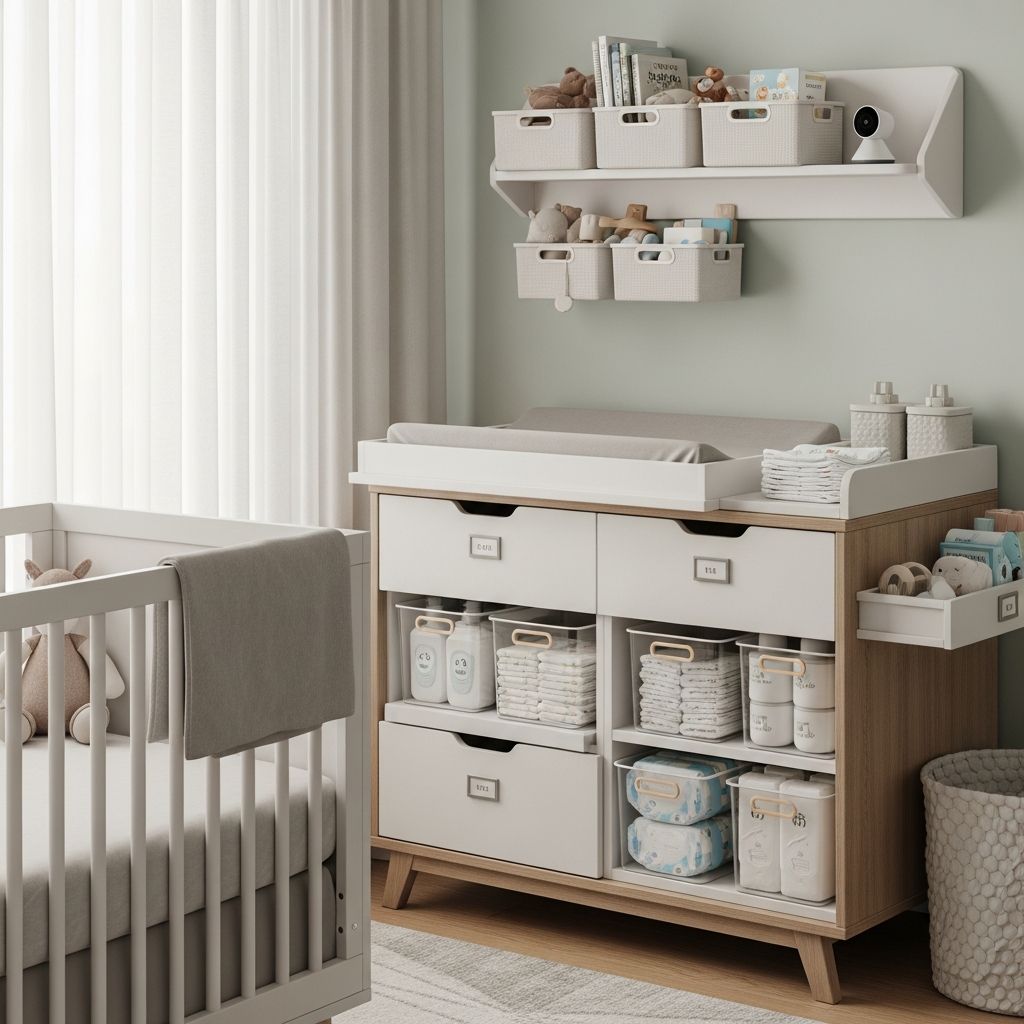
- Changing zone: Changing pad or table, diapers, wipes, creams, extra clothes.
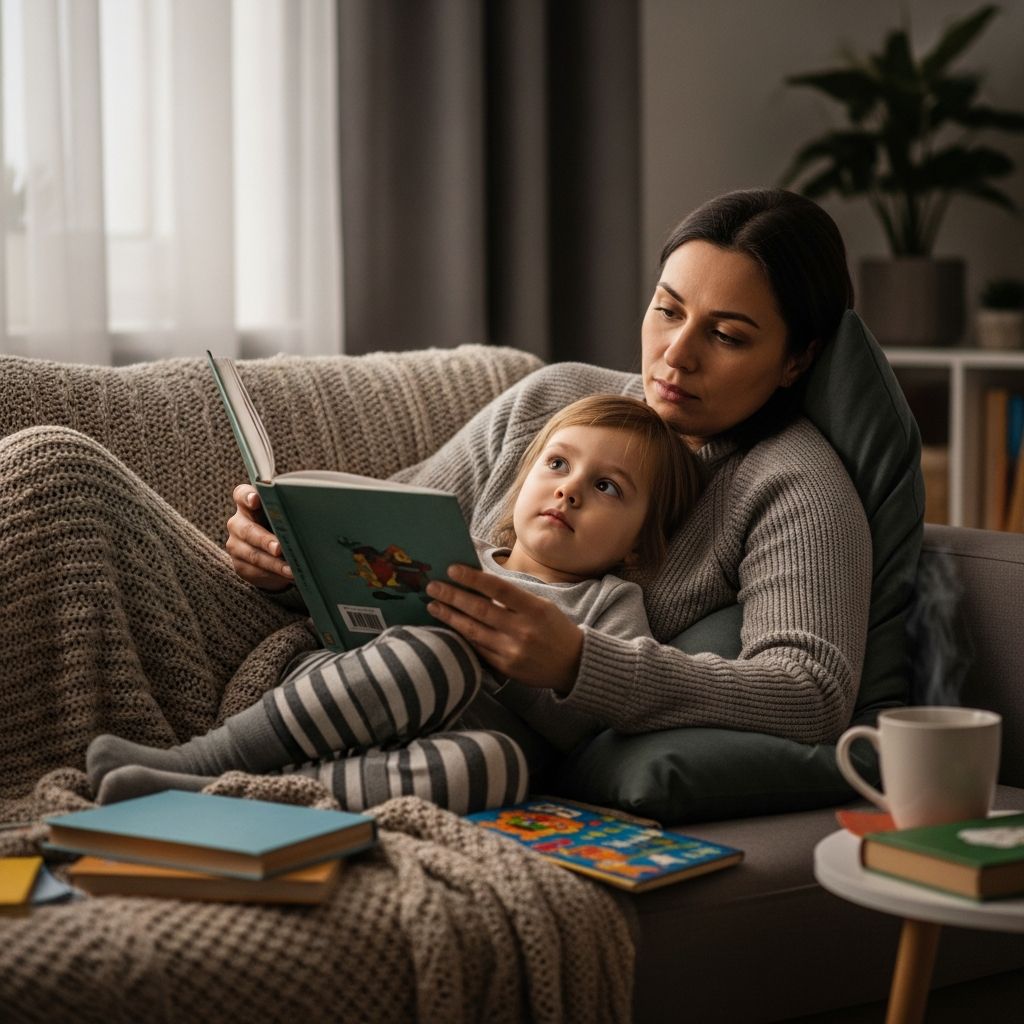
- Feeding and comfort zone: Chair or glider, small table, burp cloths, water bottle for you, night light.
- Storage zone: Dresser, closet, shelves, and bins for backup supplies, outgrown clothes, and gear.
Try to keep what you use several times a day within arm’s reach of where you use it. Less-frequent items (like extra bedding or next-size clothing) can be stored higher up or farther away.
Use a Simple Zone Planning Table
| Zone | Key Activities | Items to Store Nearby |
|---|---|---|
| Sleep | Naps, night sleep | Swaddles/sleep sacks, extra crib sheet, baby monitor, pacifiers |
| Changing | Diaper changes, dressing | Diapers, wipes, creams, onesies, pajamas, small trash or diaper pail |
| Feeding & Comfort | Nursing, bottle feeding, soothing | Burp cloths, water, snacks for you, small lamp, books, nursing pillow |
| Storage | Rotating clothes, stocking supplies | Backstock diapers, wipes, blankets, next-size clothing, seasonal items |
Designing a Stress-Free Diaper Changing Setup
Diaper changes happen many times a day, often when everyone is tired. A streamlined changing area can make those moments smoother and safer.
Build a “One-Reach” Changing Station
Anything you regularly need during a diaper change should be accessible with one hand while your other hand remains on the baby for safety.
- Changing surface: A sturdy changing table or a secured pad on top of a dresser.
- Top-tier essentials: Keep the following within arm’s reach:
- Diapers for 1–3 days
- Wipes (opened and ready)
- Diaper cream or ointment
- Spare onesie and pajamas
- Burp cloth or small towel
- Secondary storage: Store bulk diaper packs, extra wipes, and backup creams in the top drawer or a nearby bin.
Use Containers That Are Easy to Clean
Spills and leaks are inevitable. Choose organizers that wipe down quickly:
- Wipeable plastic caddies or coated baskets for creams and bottles.
- Drawer dividers made of plastic or sealed wood to resist moisture.
- A trash can or diaper pail with a foot pedal so you do not need to use your hands.
Create a Mini Changing Kit for Other Rooms
To avoid running back and forth to the nursery, assemble a small portable kit you can carry around the house:
- 5–8 diapers
- Travel-size wipes
- Diaper cream
- Changing pad that folds up
- Spare outfit
A simple tote, zipper pouch, or rolling cart works well for this.
Organizing the Baby Dresser for Maximum Efficiency
Dresser drawers can become a jumble of tiny socks and onesies if there is no system. A few simple strategies help you see everything at a glance.
Assign Each Drawer a Clear Purpose
Instead of mixing everything together, dedicate drawers by category. For example:
- Top drawer: Diapering and daily basics (diapers, wipes, creams, onesies).
- Second drawer: Pajamas and sleep sacks.
- Third drawer: Everyday outfits (pants, bodysuits, tops).
- Bottom drawer: Seasonal items, blankets, or backstock.
Label the inside of each drawer or the top edge so tired caregivers can easily put things back in the right place.
Use Drawer Dividers for Tiny Items
Small clothing and accessories are easy to lose under bigger items. Drawer dividers or small boxes keep things separated and visible.
- Create compartments for socks, hats, mittens, and bibs.
- Group onesies and pants by size or type.
- Stand folded clothes upright (file-style) so you can see every piece at once instead of stacking them.
Rotate Clothing by Size and Season
Babies grow quickly, and keeping all sizes together creates clutter. Try this rotation system:
- Keep only the current size in the main dresser.
- Store the next size up in a labeled bin in the closet or under the crib.
- As soon as something is too small, drop it into an “outgrown” bin or bag rather than putting it back into the drawer.
This reduces decision fatigue when you are getting your baby dressed and makes it easier to hand down or donate clothes later.
Making the Most of Nursery Closet Space
Even a small closet can hold a surprising amount if you use the full height and depth efficiently.
Double the Hanging Space
Baby clothes are short, so a single hanging rod usually leaves a lot of unused space. Consider:
- Adding a second rod below the first for shirts, dresses, and jackets.
- Using infant hangers with size markers (0–3 months, 3–6 months, etc.).
This keeps frequently worn pieces visible while preserving shelves for bulkier items.
Use Shelves and Bins Strategically
- Eye-level shelves: Everyday essentials like extra wipes, diaper packs, and current-size clothing sets.
- Higher shelves: Items you need less often, such as extra blankets, keepsakes, baby carriers, or bigger clothing sizes.
- Clear bins: Transparent containers let you see what is inside at a glance, which is especially useful for labeled “next size up” clothing and seasonal gear.
Label each bin clearly—e.g., “6–9 months,” “Extra diapers,” “Swim & sun gear”—so any caregiver can find what they need quickly.
Turn the Back of the Door into Bonus Storage
If your nursery has a closet or room door, treat it as extra vertical storage:
- Over-the-door pocket organizers for shoes, small toys, hair accessories, or future potty training supplies.
- Hook racks for baby carriers, robes, or diaper bags.
Smart Storage for Toys, Books, and Linens
Even newborns accumulate toys and books faster than you expect. Building simple systems now will pay off when your baby becomes a toddler.
Choose Open Bins for Toys
Open bins and baskets encourage early clean-up habits and reduce the risk of finger pinches that can come with heavy lids.
- Use soft fabric or woven baskets for plush toys and soft blocks.
- Reserve one or two low bins for toys your baby can access independently as they grow.
- Avoid overflowing containers; when a bin is full, it is a cue to rotate or donate.
Create a Simple Book Display
Board books are both décor and entertainment.
- Use a low shelf or wall-mounted ledges to display covers facing out.
- Store only a limited number at baby’s eye level and keep extras in a bin for rotation.
Assign a Home for Linens
- Keep 2–3 crib sheets in a drawer or bin near the crib for fast changes.
- Store waterproof mattress protectors with the sheets so you can grab a full set quickly in the middle of the night.
- Fold extra swaddles and blankets into a basket near the feeding chair for easy access during naps and feeds.
Safety-First Organization Principles
As your baby grows, the nursery transitions from a quiet sleep space to a place they explore. Organizing with safety in mind from the beginning saves you from constant rearranging later.
- Anchor furniture: Dressers, bookshelves, and storage units should be secured to the wall to prevent tipping when babies start pulling up.
- Keep cords tidy: Use cord clips or covers for lamps, baby monitors, and sound machines. Keep cords away from the crib to reduce strangulation risk.
- Store small items up high: Medication, nail clippers, button batteries, and small accessories belong on high shelves or in latched containers.
- Leave crib space bare: For safe infant sleep, keep soft items like pillows, bumpers, and loose blankets out of the crib.
Keeping the Nursery Clean and Easy to Maintain
Organization only works if you can keep it up with minimal effort. Set up tiny habits that fit naturally into your day.
Daily Five-Minute Reset
- Refill the changing station with diapers and wipes if it is running low.
- Toss dirty clothes into the hamper and used burp cloths into a laundry basket.
- Return books and toys to their bins.
- Quickly wipe the changing surface with a baby-safe cleaner.
Weekly Quick Audit
- Scan drawers for items that are too small and move them into the “outgrown” bin.
- Check your stock of diapers, wipes, and creams so you can restock before running out.
- Dust shelves and vacuum or sweep the floor to reduce dust accumulation.
Frequently Asked Questions (FAQs)
How many diapers should I keep at the changing table?
Aim to keep enough diapers at the changing station for one to three days, depending on how often you want to restock. Store the rest in a nearby drawer or closet bin so the surface stays uncluttered.
What is the best way to store baby clothes they have not grown into yet?
Sort future sizes into clearly labeled bins or vacuum bags (for larger sizes) and store them in the closet or under the crib. Keep only the very next size easily accessible so the dresser does not overflow.
How do I keep the nursery from getting overwhelmed with gifts and hand-me-downs?
Create a simple rule: if there is no space for a new item, something old must be donated or stored elsewhere. Keep a dedicated donation bag or box in the closet so you can drop in outgrown or unused items immediately.
Are open shelves or closed cabinets better in a nursery?
Open shelves make daily essentials more visible and easier to grab, but they require more frequent tidying. Closed cabinets hide visual clutter and are safer for small, off-limits items when paired with childproof latches. Many families use a mix of both for flexibility.
How early should I organize the nursery before the baby arrives?
Many parents aim to have the main zones set up during the third trimester, but it is never too late. Start with the sleep and changing areas first; you can refine toy, book, and closet storage once you understand your baby’s routine.
References
- Creating Safe and Healthy Living Environments for Infants — U.S. Consumer Product Safety Commission. 2023-03-10. https://www.cpsc.gov/Safety-Education/Safety-Education-Centers/cribs
- No Place Like Home: Home Tours Correlate With Daily Patterns of Mood and Cortisol — Saxbe DE, Repetti RL, Personality and Social Psychology Bulletin. 2010-01-01. https://doi.org/10.1177/0146167209352864
- Preventing Injuries in the Home — American Academy of Pediatrics. 2022-09-01. https://www.healthychildren.org/English/safety-prevention/at-home/Pages/Home-Safety.aspx
- Anchor It! Furniture and TV Tip-Over Prevention — U.S. Consumer Product Safety Commission. 2022-10-01. https://www.cpsc.gov/AnchorIt
- Poison Prevention for Parents — U.S. Centers for Disease Control and Prevention. 2023-02-17. https://www.cdc.gov/homeandrecreationalsafety/poisoning/index.html
- Safe Sleep for Your Baby — Eunice Kennedy Shriver National Institute of Child Health and Human Development. 2022-11-01. https://safetosleep.nichd.nih.gov/safesleepbasics