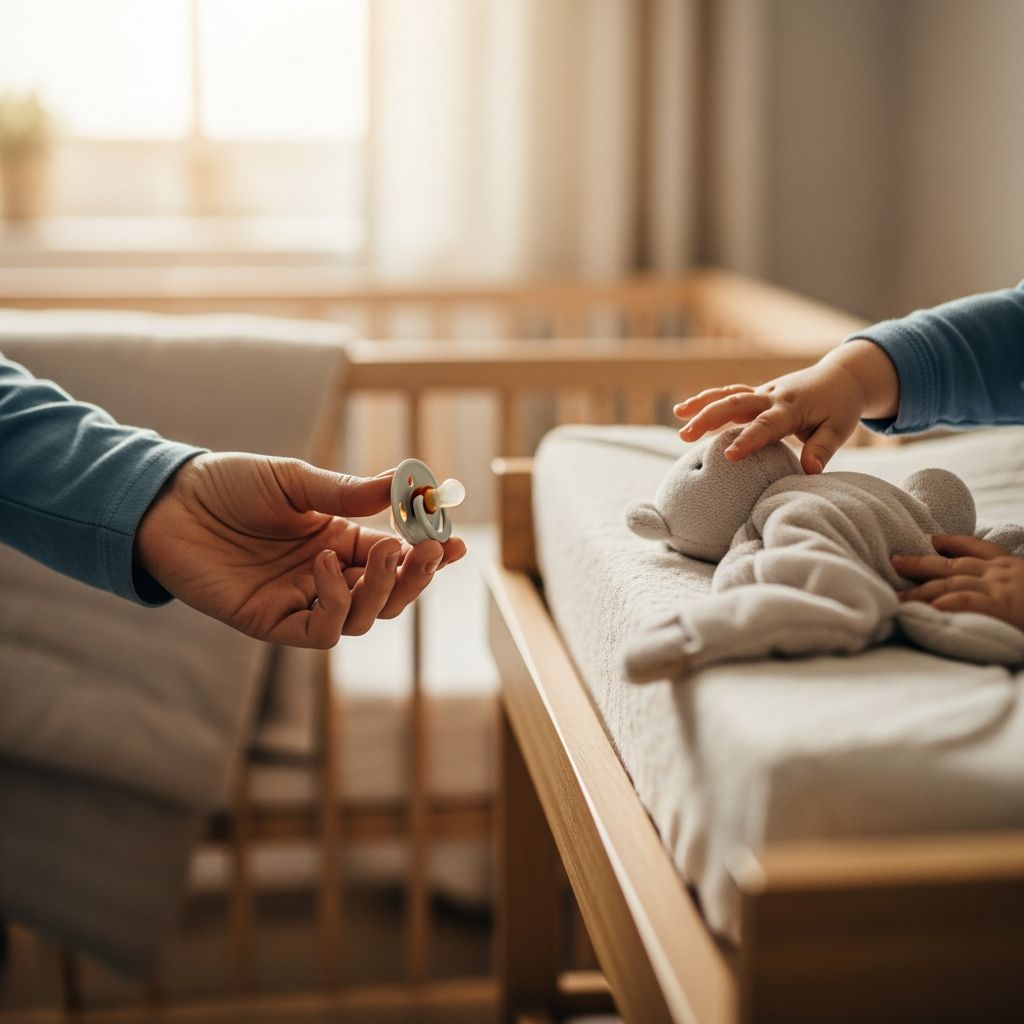
The simple piece of silicone or rubber that once saved your sanity can quickly turn into the one thing you wish you could quietly remove from your life: the pacifier. At some point, every family using one faces the same question: when and how should we say goodbye?
This guide walks you through understanding why pacifiers are so comforting, how to choose a weaning timeline that fits your child and your family, and practical strategies to make the transition as calm and kind as possible.
Why Pacifiers Matter So Much to Babies
Pacifiers do far more than keep a baby quiet. For many infants and toddlers, they become a reliable way to cope with a big, busy world. Understanding this emotional role makes it easier to approach weaning with empathy instead of frustration.
- Built-in need to suck: Babies are born with a strong instinct to suck, even when they are not hungry. Pacifiers give them a safe, predictable way to satisfy that urge.
- Instant soothing tool: The rhythmic sucking action can help lower stress, reduce crying, and provide comfort during transitions like bedtime or car rides.
- Predictable routine cue: For many children, the pacifier becomes a signal that it is time to sleep, relax, or seek comfort after a bump, scare, or new experience.
When you view the pacifier as an emotional anchor rather than a bad habit, it becomes easier to approach weaning as a process of replacing one comfort with others, instead of simply taking something away.
Benefits and Drawbacks of Pacifier Use
Pacifiers are not inherently good or bad; they are tools. Like any tool, their impact depends on how long and how often they are used, and what else is going on with your child’s health and development.
Common Benefits
- Soothing during the early months: Pacifiers can help calm crying and fussy episodes, especially in the newborn period.
- Sleep support: Many babies fall asleep more easily with a pacifier, particularly during the first year.
- Comfort during minor procedures: Sucking can help infants cope better with brief discomforts like vaccinations or blood tests.
Potential Downsides Over Time
- Impact on teeth and jaw: Extended pacifier use into the toddler and preschool years may affect how the teeth line up and how the upper jaw develops.
- Increased ear infections: Studies have linked frequent pacifier use in older babies to a higher risk of middle ear infections compared with children who do not use them as often.
- Difficult habit to break: The longer and more intensively a child uses a pacifier, the more emotionally attached they tend to be, which can make weaning more challenging.
Pacifier Pros and Cons at a Glance
| Aspect | Potential Benefit | Potential Concern |
|---|---|---|
| Newborn soothing | Helps calm crying and fussiness | Can be overused instead of checking other needs |
| Sleep | May help baby fall asleep faster | Night waking when pacifier falls out and baby cannot replace it |
| Health | Can support comfort and coping during procedures | Associated with increased ear infection risk when used heavily in older infants |
| Dental development | Generally minimal concerns in early infancy | Long-term, frequent use can contribute to bite and jaw alignment problems |
| Emotional needs | Reliable comfort object | May become the only coping tool a child trusts if no alternatives are encouraged |
Choosing the Right Time to Wean
There is no single perfect age that works for every child, but there are common windows when pacifier weaning tends to go more smoothly. Consider both your child’s development and what else is happening in your family’s life.
Age-Based Considerations
- Under 6 months: Pacifiers are mainly about soothing. Habit strength and emotional attachment are usually lower.
- 6–12 months: Babies start forming stronger routines and attachments but are still highly adaptable, especially when offered other comfort cues.
- 12–24 months: Many toddlers use pacifiers as a primary comfort object. They understand more language, so preparation and explanation begin to matter.
- After 2 years: Emotional attachment can be very strong. Weaning is still absolutely possible, but may involve more negotiation and big feelings.
Life Events to Avoid
Even if your child is the “ideal” age, the timing may still be wrong if life is already turbulent. Major changes can stack stress and make weaning harder on everyone.
- Start of daycare, preschool, or a new caregiver
- A recent move or ongoing renovations at home
- The arrival of a new sibling within the last few months
- Illness, medical procedures, or chronic sleep disruptions
If several major changes are happening at once, it is often kinder to stabilize routines first and tackle pacifier weaning once your child feels more secure.
Signs Your Child Is Ready to Wean
Instead of relying only on age, pay attention to how your child actually uses the pacifier. Many small signals show when the habit is loosening, even if they still seem attached.
- Your child can fall asleep without it for some naps or car rides.
- They remove the pacifier themselves during play and forget about it for stretches of time.
- They accept other comfort objects like a soft toy, blanket, or your presence without demanding the pacifier every time.
- They understand simple explanations like “later,” “bedtime only,” or “pacifier stays in the crib.”
If none of these are happening yet, start by slowly changing how and when your child uses the pacifier before attempting a full stop.
Picking a Weaning Style: Gradual vs. All at Once
Most pacifier weaning approaches fall into two broad categories: gradual reduction or an all-at-once stop. Neither is inherently better; the best choice depends on your child’s temperament and your family’s tolerance for a few rough nights.
Gradual Weaning
Gradual weaning works by slowly shrinking the role of the pacifier over days or weeks. This can be less shocking to a sensitive or anxious child, and it often feels more manageable for caregivers who want time to adjust.
- Pros: Gentler transition, more chances to practice new coping skills, less likelihood of intense meltdowns.
- Cons: Requires consistency and patience; if limits are not enforced, the pacifier can drift back into constant use.
All-at-Once Weaning
This approach involves choosing a specific day or night when the pacifier is removed and not returned. Some families mark it with a special ritual or story to make it feel like a milestone instead of a punishment.
- Pros: Clear, simple boundary; habit usually ends more quickly; no slow slide back into old patterns.
- Cons: Often comes with a short burst of intense feelings, especially around sleep; requires caregivers to hold firm during protests.
Step-by-Step Gradual Weaning Plan
If you prefer a slower, more flexible approach, this step-by-step plan can be adjusted to fit your child’s age and personality. Think of it as a menu of small changes rather than a strict checklist.
Step 1: Limit the Places
Start by restricting pacifier use to specific locations. The goal is to help your child see that the pacifier is tied to rest and comfort, not every moment of the day.
- Decide that the pacifier stays in the crib, bed, or a particular corner of the house.
- Use simple language like “Pacifier stays in bed. We’ll see it at sleep time.”
- Bring a different comfort object (lovey, blanket, or favorite toy) when your child leaves the pacifier area.
Step 2: Limit the Times
Once your child accepts the new places rule, tighten the schedule so the pacifier appears only during sleep or high-stress moments that you choose.
- Move toward “nap and bedtime only,” and be consistent with this new rule.
- Offer extra cuddles, rocking, or quiet stories to fill the gap at other times.
- Acknowledge feelings: “You really want your pacifier now. It’s hard to wait until bedtime.”
Step 3: Shorten Use During Sleep
For older toddlers, the pacifier often remains primarily as a sleep aid. The next step is to help them fall asleep with less dependence.
- Encourage your child to fall asleep with the pacifier but gently remove it once they are deeply asleep.
- If they wake and ask for it, respond calmly and briefly with comfort, but stretch the time before handing it back.
- Introduce a strong, predictable bedtime routine (bath, pajamas, books, song) so the pacifier is only one of several sleep cues.
Step 4: Plan the Final Goodbye
When your child is managing naps or some nights with less reliance, choose a short period (often a long weekend) to complete weaning. Mark it as a meaningful change, not a quiet disappearance.
- Talk ahead of time: “In a few days, we will say goodbye to pacifiers. You are getting so big.”
- Decide together where the pacifiers will go: a box, a donation story, or a pretend exchange for being older.
- Stick with the plan once it begins; returning the pacifier after saying goodbye can make the next attempt much harder.
Helpful Comfort Alternatives to the Pacifier
Successfully weaning a pacifier is less about removing something and more about adding new ways to feel safe and calm. Offering alternatives gives your child tools to handle big feelings instead of feeling abandoned.
- Transitional objects: A special stuffed animal, soft blanket, or small pillow can become the new thing your child reaches for when tired or upset.
- Predictable routines: Repeating the same steps before sleep or outings gives children a sense of control and structure.
- Touch and presence: Extra rocking, back rubs, and quiet sitting can temporarily fill the gap left by the pacifier.
- Simple relaxation techniques: For older toddlers, teach slow “smell the flower, blow the candle” breaths or humming a quiet tune with you.
Handling Tears, Protests, and Setbacks
Even the smoothest pacifier weaning experiences involve some pushback. This does not mean you chose the wrong approach; it usually means your child is adjusting to a real change in how they find comfort.
- Stay calm and predictable: Children take emotional cues from the adults around them. A firm but gentle response helps them feel safe, even when they are upset.
- Use simple, repeated phrases: Short reminders like “No pacifier in the car anymore, but you can hold your bear” work better than long explanations.
- Allow feelings: Crying and frustration are normal. Your job is not to erase these feelings, but to support your child through them.
- Watch for true overwhelm: If your child is consistently distraught for long periods, consider slowing the pace or stepping back one stage.
Special Situations: Siblings, Daycare, and Sleep
Real life is messy. Many families juggle more than one child, multiple caregivers, and inconsistent environments. The goal is not perfection, but reasonable consistency that your child can understand.
When a Younger Sibling Still Uses a Pacifier
Older toddlers who see a baby sibling with a pacifier may suddenly want one again. This is not a failure; it is a normal reaction to seeing something familiar and comforting.
- Use age-based language: “Pacifiers are for babies. You have big-kid things like books and puzzles.”
- Offer a special privilege or toy that is only for the older child at times when the baby has the pacifier.
Working with Daycare or Other Caregivers
Weaning is smoother when all adults in the child’s life have the same basic plan. A quick discussion before you start can prevent confusion later.
- Share your goals, timeline, and the specific rules you are using (for example, “nap and bedtime only”).
- Ask caregivers what has worked for other children and whether they can support gradual reduction or a planned stop date.
Night Wakings After Weaning
Sleep may temporarily worsen after pacifier removal. Many children wake more often or take longer to settle for a week or two.
- Keep bedtime and wake times steady, and resist the urge to overhaul your entire routine during this period.
- Respond with calm, brief reassurance rather than long conversations or new sleep habits you do not want to maintain.
Pacifier Weaning FAQs
Is there a “best” age to wean from the pacifier?
There is no exact age that works for every child. Many families find it easier to start limiting use in the second half of the first year and complete weaning sometime between the first and third birthdays, depending on the child’s needs and any health or dental guidance they receive.
Will pacifier use ruin my child’s teeth?
Occasional pacifier use in infancy is unlikely to cause serious dental problems by itself. Concerns grow when a child uses a pacifier very frequently and continues beyond the early toddler years. A pediatrician or pediatric dentist can offer guidance specific to your child’s mouth and habits.
What if my child finds another habit, like thumb sucking?
Some children do switch from pacifier use to thumb or finger sucking. Fingers are harder to “take away,” but many kids stop on their own as they grow. Focusing on positive coping tools, instead of scolding, helps reduce how often they rely on any one habit.
Should I cut or alter the pacifier to make it less appealing?
Altering pacifiers is not recommended because it can create choking risks or damage the material in ways that are not safe. If you want to reduce appeal, replacing older pacifiers with shorter, controlled use or choosing an all-at-once stop is safer.
Is it okay to delay weaning if my child is overwhelmed?
Yes. If your child is going through major stress—such as serious illness, a big move, or a new caregiving setup—it can be reasonable to postpone weaning until life is more stable. The key is to be deliberate about that choice and revisit it once things have settled.
Key Takeaways for Calm Pacifier Weaning
- Pace matters: move in small, predictable steps rather than sudden changes when possible.
- Consistency from caregivers helps children accept new rules more quickly.
- Replacing the pacifier with other comfort tools and routines is more effective than simply taking it away.
- Big feelings are part of the process; your calm presence is the most powerful comfort your child has.
With thought, patience, and empathy, pacifier weaning can become less of a dreaded battle and more of a meaningful step in your child’s growing independence.