In an era dominated by elaborate gender reveal parties and early ultrasound announcements, a growing number of expectant parents are making a bold choice: keeping their baby’s gender a secret until the moment of birth. This decision challenges societal norms and invites a deeper connection to the mysteries of pregnancy. By forgoing early knowledge, families report heightened anticipation, reduced pressure from stereotypes, and a more authentic bonding experience with their newborn.
The Allure of the Unknown in Modern Pregnancy
Pregnancy has evolved into a highly documented journey, with social media amplifying milestones like gender reveals. Yet, resisting this trend allows parents to reclaim privacy and focus on the essence of welcoming new life. Opting for surprise shifts attention from superficial preparations—such as color-coded nurseries—to universal needs like nurturing and emotional readiness. This approach fosters resilience in uncertainty, mirroring life’s unpredictability and preparing parents for the real challenges of parenthood.
Many who choose this path describe a sense of liberation. Without predefined expectations tied to ‘boy’ or ‘girl,’ they avoid limiting their imagination. Newborns arrive with unique personalities that transcend biology, and early gender knowledge can sometimes overshadow this truth. Instead, the surprise element culminates in a profound delivery room revelation, often described as one of life’s purest joys.
Psychological Advantages of Embracing Mystery
While studies highlight benefits like reduced stress from early gender determination, such as perceived control and planning ease, the counterpoint reveals unique mental health gains from surprise. Uncertainty builds emotional strength, teaching parents to navigate ambiguity without anxiety. This mirrors cognitive behavioral techniques that encourage tolerance for the unknown, potentially lowering overall pregnancy-related tension.
Expectant mothers who skip reveals often report stronger prenatal bonds untethered to gender assumptions. Visualizing a child without labels allows for holistic attachment, focusing on movements, kicks, and heartbeat rather than wardrobe choices. Research on pregnancy acclimation suggests that gradual revelation—saving gender for birth—enhances the ‘normalization’ process without premature fixation.
- Builds anticipation: Daily wonders of pregnancy gain prominence over one-time reveals.
- Reduces expectation bias: No preconceived notions influence parenting styles from day one.
- Promotes mindfulness: Encourages presence in each trimester’s unique phase.
Practical Perks of Gender-Neutral Preparations
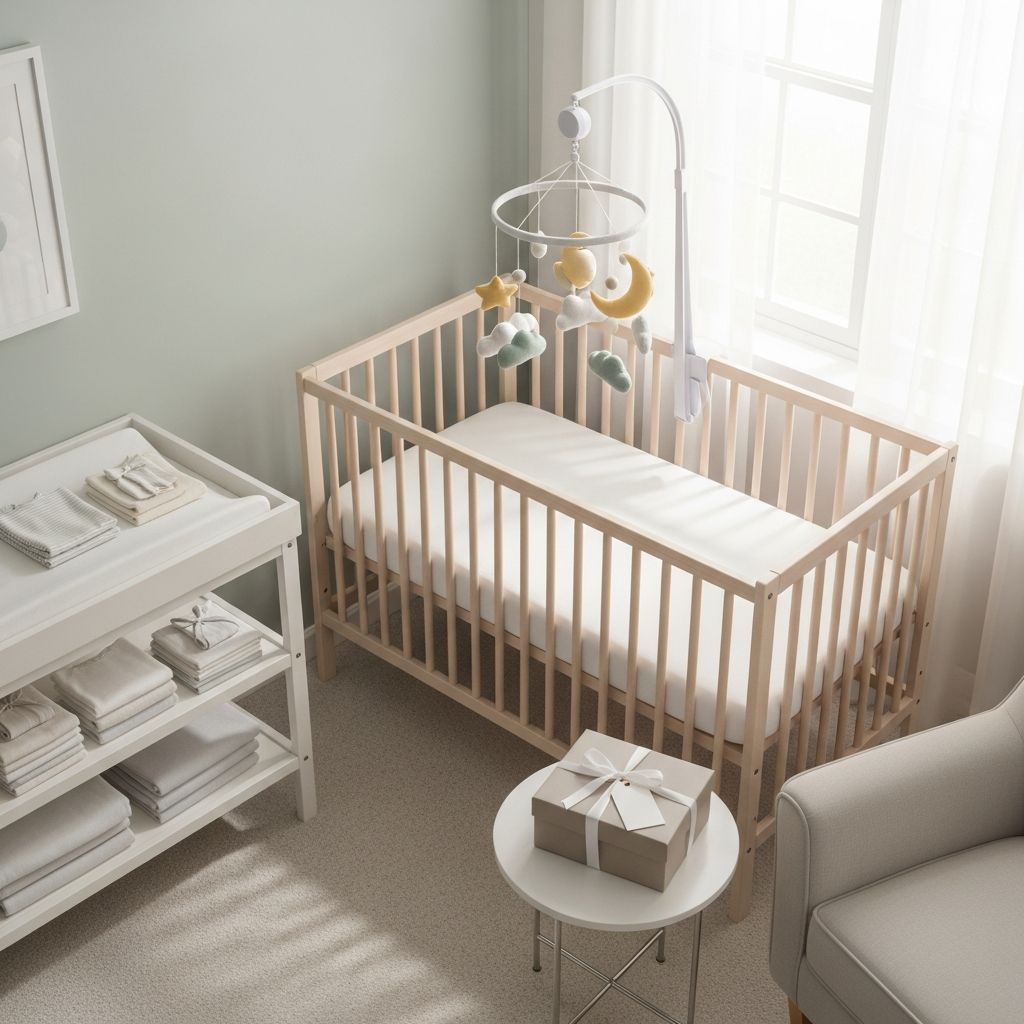
Beyond mindset, practical benefits abound. Gender-neutral shopping yields versatile items reusable for future children, saving time and money. Neutral palettes—grays, whites, greens—create calming nurseries adaptable to any personality. Essentials like cribs, strollers, and diapers remain identical regardless, debunking myths that gender knowledge is prerequisite for readiness.
Family dynamics improve too. Siblings revel in equal mystery, bonding over shared speculation rather than division into ‘big brother’ or ‘big sister’ roles prematurely. Baby showers transform into inclusive events with thoughtful, non-gendered gifts, broadening support networks.
| Aspect | With Early Reveal | Without Reveal (Surprise) |
|---|---|---|
| Nursery Design | Gender-specific colors/themes | Flexible, timeless neutral setups |
| Clothing Stock | Limited to one gender initially | Versatile wardrobe for reuse |
| Family Involvement | Early labeling of roles | Organic excitement at birth |
| Cost Efficiency | Potential repurchase for next child | One-time investments |
Challenging Gender Stereotypes from the Start
Early gender knowledge can inadvertently reinforce binaries, prompting comments like ‘boys are tougher’ or ‘girls need pink.’ By withholding this info, parents sidestep lazy assumptions, allowing the baby to define themselves. This aligns with modern parenting philosophies promoting fluidity over rigidity, benefiting children raised without boxes.
Social interactions during pregnancy become intriguing. Friends offer whimsical guesses based on cravings or heart rates, sparking lighthearted conversations. This communal guessing game strengthens relationships without pressure to conform to trends.
Personal Stories: Real-Life Transformations
Consider a first-time mother who, after witnessing extravagant reveals, chose surprise for her second child. The absence of hype let her savor quiet ultrasounds focused on health metrics. At birth, the unscripted joy—tears from dad, cheers from siblings—eclipsed any party. Another family of four opted out to teach older kids about patience; the shared wait culminated in a homecoming celebration centered on the baby’s individuality, not attire.
These narratives echo broader sentiments: surprise amplifies love’s universality. No matter the outcome, the baby commands attention through cries and cuddles, not chromosomes.
Navigating Societal Pressure and Family Dynamics
Not everyone understands this choice. Relatives may push for reveals, citing ‘planning needs,’ but firm boundaries preserve the experience. Communicate early: ‘We’re excited for the surprise—let’s focus on health and welcome prep.’ Most adapt, often inspired by the novelty.
For partners, alignment is key. Discuss motivations—curiosity vs. tradition vs. intuition. Couples united in surprise report deeper teamwork, unmarred by mismatched preferences.
Health and Medical Perspectives on Gender Timing
Medically, gender determination via ultrasound at 18-20 weeks prioritizes anatomy scans for viability, not reveals. Non-invasive prenatal testing (NIPT) offers early options, but ACOG emphasizes they’re for clinical risks, not curiosity. Choosing surprise doesn’t compromise care; it refocuses appointments on comprehensive wellness.
Postpartum surveys indicate early knowledge aids some in bonding and prep, yet surprise advocates counter with equal attachment rates, minus gendered pressures. Balance lies in personalization—no one-size-fits-all.
Frequently Asked Questions (FAQs)
What if family pressures me to find out the gender?
Set gentle boundaries: ‘We’re choosing surprise for the joy it brings. Your support means the world!’ Redirect to health updates or neutral planning.
Does not knowing affect baby shower gifts?
Often the opposite—guests give practical, unisex items like books, toys, and essentials, enhancing utility.
Can I still bond without gender info?
Absolutely. Bonding stems from talking, singing, and feeling movements, fostering unconditional love independent of sex.
Is surprise harder with multiples?
Not necessarily; shared mystery heightens excitement. Medical teams note genders if relevant for health, but parents can request privacy.
How do I prepare siblings without knowing?
Involve them in general baby care classes, storytimes, and role-play with dolls. The reveal becomes a family milestone.
Long-Term Impacts on Family and Child
Years later, children from surprise births often cherish the story as a family legend, reinforcing their wantedness. Parents model non-judgmental acceptance, setting precedents for identity exploration. This choice ripples outward, normalizing diverse pregnancy paths amid reveal culture.
In essence, opting out isn’t deprivation—it’s enrichment. It honors pregnancy’s wonder, prioritizes essence over aesthetics, and delivers irreplaceable magic at birth.
References
- The Psychological & Social Benefits of Early Fetal Sex Determination — ArcPoint Labs. 2023. https://www.arcpointlabs.com/sanrafael/blog/the-psychological-social-benefits-of-early-fetal-sex-determination/
- The Benefits of Determining the Gender of Your Baby — Sweet Baby Face. 2023. https://sweetbabyface.com/the-benefits-of-determining-the-gender-of-your-baby/
- Reported Benefits of Early Fetal Sex Determination — MedCrave Online. 2018-10-15. https://medcraveonline.com/IPCB/reported-benefits-of-early-fetal-sex-determination.html
- Knowing Baby’s Sex Before Birth | Pros and Cons — American Pregnancy Association. 2023. https://americanpregnancy.org/healthy-pregnancy/pregnancy-products-tests/knowing-babys-sex-before-birth-some-pros-and-cons-of-gender-reveal/
- 10 Reasons Why Not Finding Out the Sex of Your Baby is Awesome — Mabel’s Labels. 2023-11-30. https://mabelslabels.com/blog/2023/11/30/10-reasons-why-not-finding-out-the-sex-of-your-baby-is-awesome/