Understanding Pacifier Use in Early Infancy
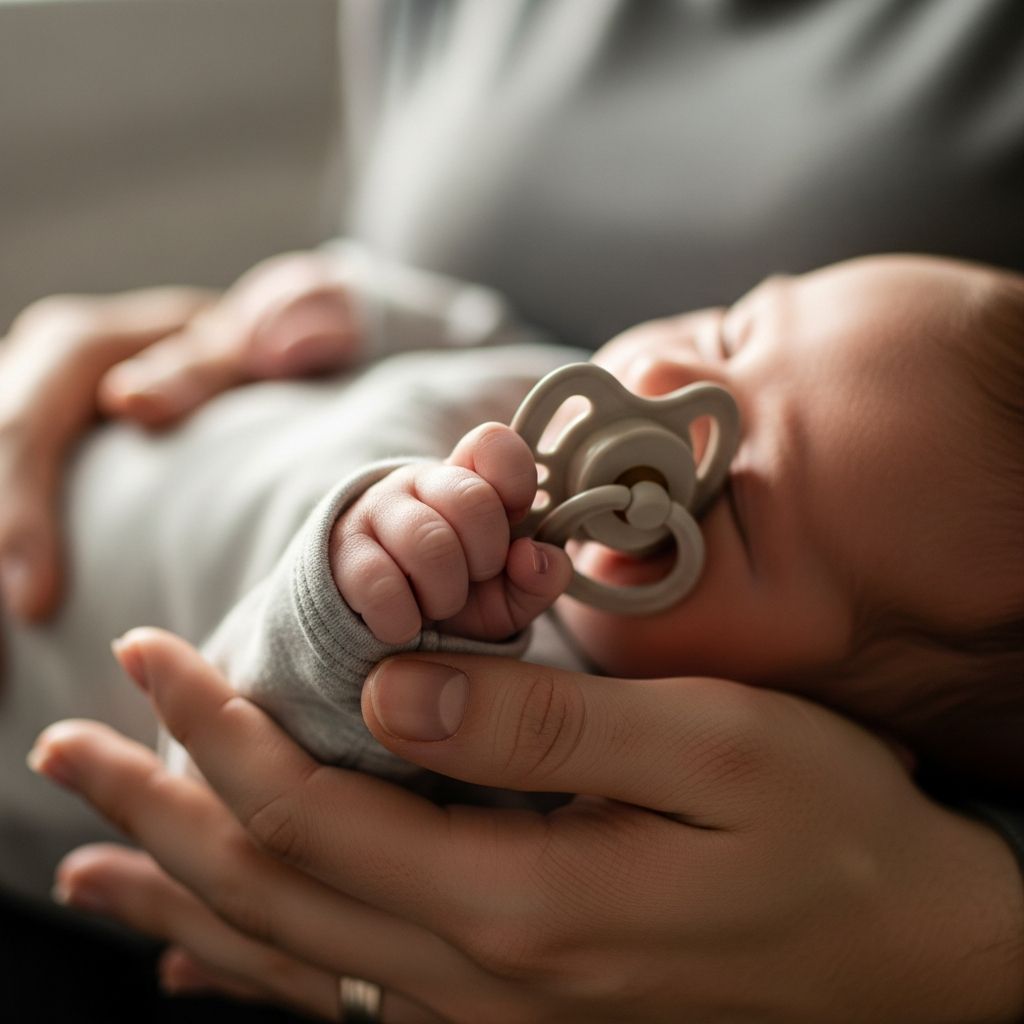
Pacifiers are a common tool for soothing newborns and young infants, but their use has sparked ongoing debate among parents and healthcare professionals. While some praise pacifiers for their calming effects and potential to reduce the risk of sudden infant death syndrome (SIDS), others express concerns about impacts on breastfeeding, dental health, and emotional development. This article explores the latest evidence, offering a balanced perspective to help parents make informed choices.
Benefits of Pacifier Use
- Pacifiers can help soothe fussy or colicky babies, providing comfort through non-nutritive sucking.
- Research shows that pacifier use during sleep may reduce the risk of SIDS by up to 61%, leading major health organizations to recommend their use at nap and bedtime for infants once breastfeeding is established.
- Pacifiers are effective in reducing pain during medical procedures and can help preterm infants transition to bottle feeding more easily.
- Mothers who use pacifiers often report less stress, improved parent-child interactions, and more positive perceptions of their infant’s mood.
Potential Risks and Concerns
- Some studies suggest that early pacifier use may interfere with breastfeeding, particularly if introduced before the baby has established a strong latch and feeding routine.
- Prolonged pacifier use beyond age 2 can lead to dental issues such as open bite, overjet, and posterior crossbite.
- Infants who use pacifiers may have a slightly higher risk of ear infections, especially if used frequently.
- There is limited evidence suggesting that pacifier use might affect facial mimicry and emotional development, though findings are not conclusive.
Expert Recommendations and Guidelines
Health organizations such as the American Academy of Pediatrics recommend introducing pacifiers after breastfeeding is well established, typically around 1 month of age, to minimize any potential impact on nursing. For infants at risk of SIDS, pacifier use during sleep is encouraged. Parents should monitor for signs of dental changes and begin weaning before age 2 to prevent long-term dental problems.
Practical Tips for Parents
- Wait until breastfeeding is firmly established before introducing a pacifier.
- Use pacifiers primarily for soothing and sleep, not as a substitute for feeding.
- Choose pacifiers designed for infants and replace them regularly to maintain hygiene.
- Monitor for signs of ear infections or dental changes, and consult a pediatrician if concerns arise.
- Begin the process of weaning from the pacifier before age 2 to support healthy dental development.
Comparing Pacifier Use: Benefits vs. Risks
| Aspect | Benefits | Risks |
|---|---|---|
| Sleep & SIDS | Reduces risk of SIDS, promotes restful sleep | None directly related to SIDS |
| Feeding | Can help with pain relief and transition for preterm infants | Potential interference with breastfeeding if introduced too early |
| Dental Health | None | Increased risk of dental issues if used beyond age 2 |
| Parental Stress | Reduces maternal stress, improves parent-child interactions | None directly related to stress |
| Ear Infections | None | Slightly increased risk with frequent use |
Frequently Asked Questions
When should I introduce a pacifier to my newborn?
It is generally recommended to wait until breastfeeding is well established, usually around 1 month of age, to avoid any potential interference with nursing.
Can pacifiers cause dental problems?
Yes, prolonged use beyond age 2 can lead to dental issues such as open bite and overjet. Starting the weaning process before age 2 helps prevent these problems.
Do pacifiers reduce the risk of SIDS?
Research indicates that pacifier use during sleep can significantly reduce the risk of SIDS, especially when introduced after breastfeeding is established.
Are there emotional or developmental risks to pacifier use?
Some studies suggest possible effects on facial mimicry and emotional development, but the evidence is not conclusive. Most experts agree that the benefits outweigh the risks when used appropriately.
How can I help my child stop using a pacifier?
Gradual weaning, positive reinforcement, and offering alternative comfort methods can help children transition away from pacifiers before age 2.