Why Pacifiers Matter for Babies
Pacifiers are more than just a soothing tool for babies—they play a significant role in comfort, development, and even safety. The natural sucking reflex present from birth helps babies self-soothe, regulate emotions, and feel secure in new environments. Pacifiers can help calm fussiness, promote better sleep, and even reduce stress levels for both infants and parents.
Key Benefits of Pacifier Use
- Helps babies fall asleep and stay calm during stressful moments.
- Reduces heart rate, blood pressure, and overall stress levels.
- Provides pain relief during medical procedures or teething.
- May lower the risk of sudden infant death syndrome (SIDS) when used during sleep.
- Encourages oral stimulation, which is especially beneficial for premature infants.
- Helps prevent persistent thumb-sucking habits, which can be harder to break later.
Understanding Different Pacifier Types
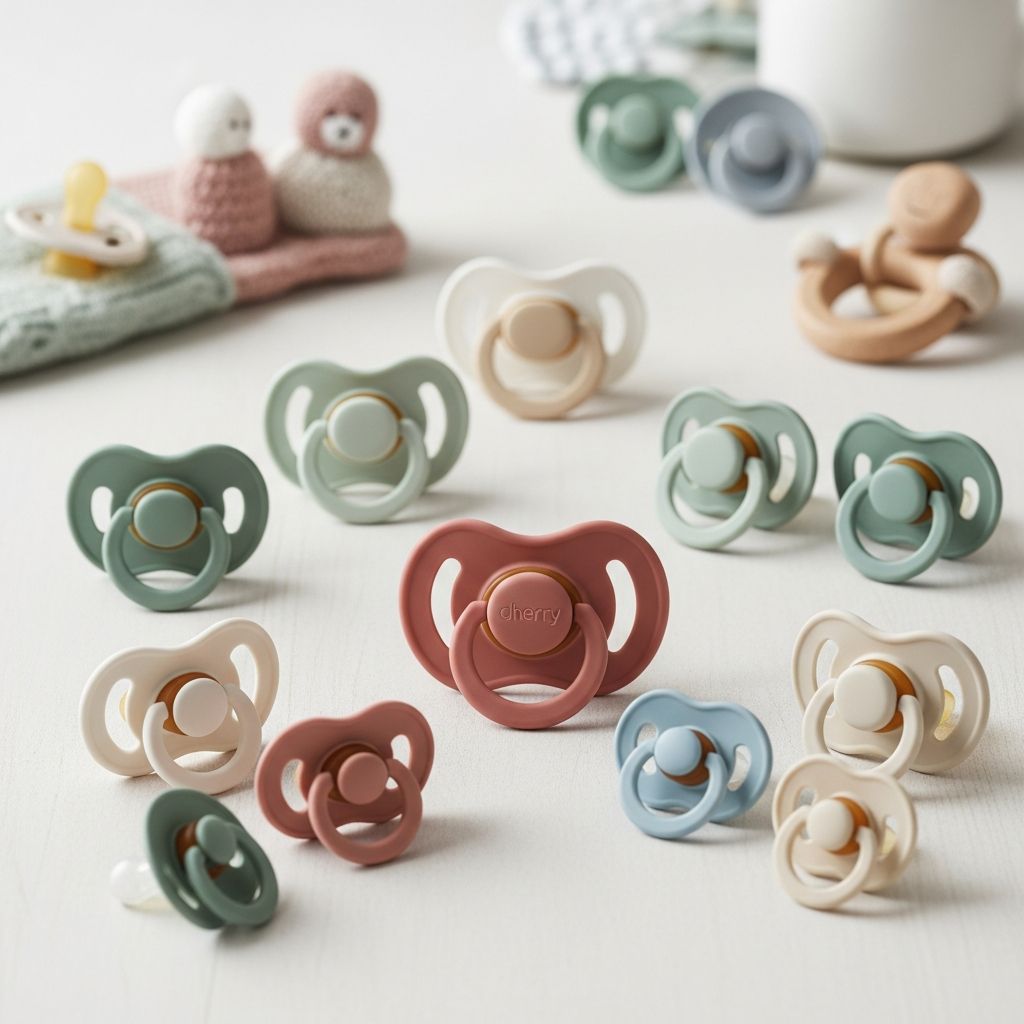
Not all pacifiers are created equal. The shape, material, and design can influence how well a baby accepts and benefits from a pacifier. Here are some common types:
Round Nipple Pacifiers
These pacifiers mimic the shape of a mother’s breast, making them ideal for babies who are breastfeeding. The round design encourages the baby to use the same tongue and jaw movements as during breastfeeding, which can help maintain proper oral development.
Symmetrical (Flat) Nipple Pacifiers
Symmetrical or drop-shaped nipples are designed to flatten naturally in the baby’s mouth, requiring less effort to suck. This shape is often preferred by babies who struggle with round nipples or who need a gentler sucking experience.
Specialty Designs
Some brands offer unique designs such as butterfly-shaped shields or wide shields with ventilation holes. These features help prevent skin irritation and moisture buildup, making them suitable for sensitive skin or for use in daycare settings.
Choosing the Best Pacifier for Your Baby
Selecting the right pacifier depends on your baby’s age, feeding method, and individual preferences. Consider the following factors:
- Material: Pacifiers are available in silicone and natural rubber latex. Silicone is durable and hypoallergenic, while latex is softer and more flexible.
- Size: Pacifiers come in different sizes to match your baby’s age and mouth development. Always choose the appropriate size for your child.
- Shield Design: Look for shields with ventilation holes to minimize skin irritation and moisture buildup.
- Shape: Round nipples are best for breastfeeding babies, while symmetrical nipples may suit others better.
Pacifier Safety and Best Practices
While pacifiers offer many benefits, it’s important to use them safely:
- Inspect pacifiers regularly for signs of wear or damage.
- Replace pacifiers every 1-2 months or as recommended by the manufacturer.
- Never attach pacifiers to strings or cords around a baby’s neck.
- Supervise your baby during pacifier use, especially during sleep.
- Introduce pacifiers after breastfeeding is well established to avoid nipple confusion.
Common Questions About Pacifiers
Can pacifiers affect breastfeeding?
When introduced at the right time, pacifiers generally do not interfere with breastfeeding. Round nipple pacifiers are designed to support the same sucking technique used during breastfeeding, minimizing the risk of nipple confusion.
How do pacifiers help with sleep?
The sucking motion helps babies relax and fall asleep more easily. Pacifiers can also help maintain a calm state throughout the night, reducing night waking.
Are pacifiers safe for newborns?
Yes, pacifiers are safe for newborns when used correctly. Always follow safety guidelines and choose age-appropriate designs.
Can pacifiers reduce the risk of SIDS?
Research suggests that pacifier use during sleep may lower the risk of sudden infant death syndrome (SIDS). However, it’s important to supervise your baby and ensure the pacifier is used safely.
Comparison Table: Pacifier Types
| Type | Best For | Material Options | Key Features |
|---|---|---|---|
| Round Nipple | Breastfeeding babies | Silicone, Latex | Mimics breast shape, supports oral development |
| Symmetrical Nipple | Babies needing gentle suction | Silicone, Latex | Flattens naturally, less effort required |
| Specialty Designs | Sensitive skin, daycare | Silicone, Latex | Ventilation holes, unique shapes |
Final Thoughts
Choosing the right pacifier can make a big difference in your baby’s comfort and development. By understanding the benefits, types, and safety tips, parents can confidently select a pacifier that meets their child’s needs. Whether you’re looking for a classic round nipple or a specialty design, there’s a pacifier out there for every baby.