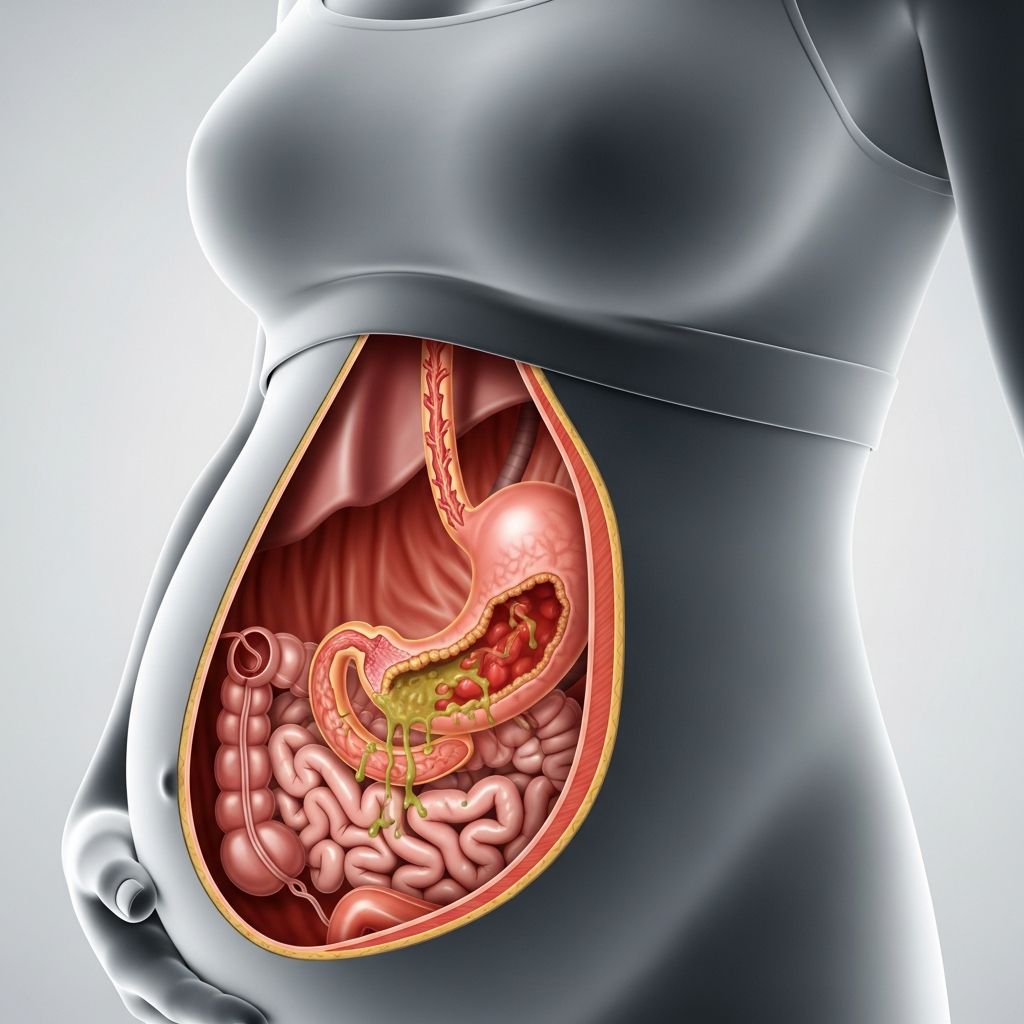
Ozempic, known generically as semaglutide, has transformed management of type 2 diabetes and obesity through significant weight loss. However, its widespread use has sparked discussions about reproductive health, particularly unexpected pregnancies termed “Ozempic babies.” This phenomenon stems from enhanced fertility via weight reduction and potential interference with oral contraceptives.
Understanding Ozempic’s Mechanism and Popularity
Ozempic belongs to the class of glucagon-like peptide-1 receptor agonists (GLP-1 RAs), mimicking a hormone that regulates blood sugar and appetite. Administered weekly via injection, it slows gastric emptying, promotes satiety, and improves insulin sensitivity, leading to 10-15% body weight reduction in many users.
Approved by the FDA for type 2 diabetes in 2017 and later for weight management under brands like Wegovy, its off-label use for obesity has surged. Over 1.7 million prescriptions monthly highlight its appeal, but reproductive implications demand attention.
How Ozempic Enhances Fertility
Weight loss is a primary fertility booster. Excess body fat disrupts hormones like estrogen and insulin, causing irregular ovulation in conditions such as polycystic ovary syndrome (PCOS). Shedding 5-10% body weight often restores menstrual regularity and ovulation.
- Restored Ovulation: Women with obesity-related anovulation resume cycles post-weight loss.
- Improved Hormonal Balance: Lower insulin resistance enhances reproductive hormone function.
- Male Fertility Benefits: Though less studied, weight loss may improve sperm quality indirectly.
GLP-1 agonists may directly influence reproductive pathways, though evidence is preliminary. Reports of pregnancies in partners of male users suggest broader effects.
The Rise of ‘Ozempic Babies’: Unplanned Pregnancies Explained
Social media buzzes with stories of surprise conceptions shortly after starting Ozempic, especially during dose escalation when gastrointestinal side effects peak. These “Ozempic babies” arise from dual factors: heightened fertility and compromised contraception.
Ozempic delays gastric emptying, reducing absorption of oral medications including birth control pills. Users on combined hormonal contraceptives report breakthrough ovulation. Experts urge backup methods like condoms during titration and consider non-oral options such as IUDs or implants.
| Contraceptive Type | Risk with Ozempic | Recommendations |
|---|---|---|
| Oral Pills | High (reduced absorption) | Use backup; switch to non-oral |
| IUD/Implant | Low | Preferred alternative |
| Condoms | None | Essential backup method |
Safety Profile During Pregnancy: What the Data Shows
Ozempic carries an FDA pregnancy category C rating, indicating animal studies show fetal risks like birth defects and pregnancy loss, but human data is limited due to ethical constraints.
Rodent studies at supratherapeutic doses revealed smaller fetuses, skeletal abnormalities, and higher miscarriage rates. Human evidence is reassuring: a study of 168 GLP-1 exposed pregnancies, including 51 on semaglutide, found no elevated birth defect risk. Another first-trimester exposure analysis showed outcomes comparable to other diabetes treatments.
Despite this, manufacturers advise against use during pregnancy unless benefits outweigh risks, typically in uncontrolled diabetes where poor glycemic control poses greater threats like congenital anomalies.
Pre-Conception Planning: When to Stop Ozempic
For those planning pregnancy, discontinue Ozempic at least two months prior. Semaglutide’s half-life of about one week means it persists 5-7 weeks post-last dose, potentially exposing early embryos.
Transition strategies include:
- Consult endocrinologist for insulin or metformin alternatives if diabetic.
- Monitor blood sugar closely during withdrawal to avoid hyperglycemia.
- Adopt lifestyle measures: balanced diet, exercise to sustain weight loss.
Post-discontinuation weight regain is common, underscoring holistic obesity management.
Management if Pregnant on Ozempic
Discovering pregnancy prompts immediate cessation. Most exposures occur unknowingly in the first trimester, a critical organogenesis period. Outcomes appear favorable, with healthy births reported, but vigilance is key.
Multidisciplinary care involving obstetricians, endocrinologists, and maternal-fetal medicine specialists is essential. Ultrasound monitoring detects anomalies early. Those with pre-existing diabetes require tight glucose control to mitigate risks like macrosomia or preeclampsia.
Breastfeeding Considerations
Limited data exists on semaglutide in breast milk. Animal studies suggest minimal transfer, but human pharmacokinetics recommend avoidance during breastfeeding. Pump and discard if recently used, opting for formula if necessary.
Impact on Male Fertility and Paternal Use
No evidence links Ozempic to sperm defects or increased birth risks from paternal exposure. Weight loss benefits may enhance fertility parameters like motility. Partners should continue if non-pregnant, using reliable contraception.
Expert Recommendations and Patient Scenarios
Guidelines vary by health status:
- Non-Diabetics (Weight Loss): Stop immediately upon pregnancy intent; use dual contraception.
- Type 2 Diabetics: Individualized; may continue if glycemic benefits superior.
- PCOS/Obesity: Leverage fertility gains but plan carefully.
Personalized counseling weighs metabolic health against fetal risks. Long-term studies are underway to clarify safety.
Frequently Asked Questions
Can Ozempic cause a false positive pregnancy test?
No, Ozempic does not interfere with hCG detection in urine or blood tests.
How long after stopping Ozempic can I try to conceive?
Wait at least two months to ensure clearance from the body.
Is Ozempic safe for men trying to conceive?
Yes, no known risks to sperm or offspring from male use.
What if I become pregnant unexpectedly on Ozempic?
Stop immediately and consult your doctor for monitoring and alternatives.
Does Ozempic affect breastfeeding?
Avoid due to unknown milk transfer; discuss with a healthcare provider.
Future Research Directions
Ongoing registries and trials, including NIH-supported studies, track GLP-1 pregnancies. Preliminary data is encouraging, but larger cohorts will refine safety profiles. Until then, caution prevails.
In summary, Ozempic’s fertility-enhancing effects necessitate proactive family planning. Users must prioritize contraception reliability and preconception counseling for optimal maternal-fetal outcomes.
References
- Can You Take Ozempic If You’re Pregnant? — GoodRx. 2024-01-15. https://www.goodrx.com/ozempic/ozempic-and-pregnancy
- Ozempic and Pregnancy – What to Know — WebMD. 2024-05-20. https://www.webmd.com/obesity/ozempic-and-pregnancy-what-to-know
- ‘Ozempic Babies’: How GLP-1 Agonists Affect Fertility — Cleveland Clinic. 2024-03-12. https://health.clevelandclinic.org/ozempic-babies
- Ozempic Babies: Weight Loss Drugs May be Causing Unplanned Pregnancies — Healthline. 2023-11-08. https://www.healthline.com/health-news/ozempic-babies-unplanned-pregnancies
- Semaglutide – MotherToBaby Fact Sheets — NCBI Bookshelf / NIH. 2024-09-01. https://www.ncbi.nlm.nih.gov/books/NBK600385/