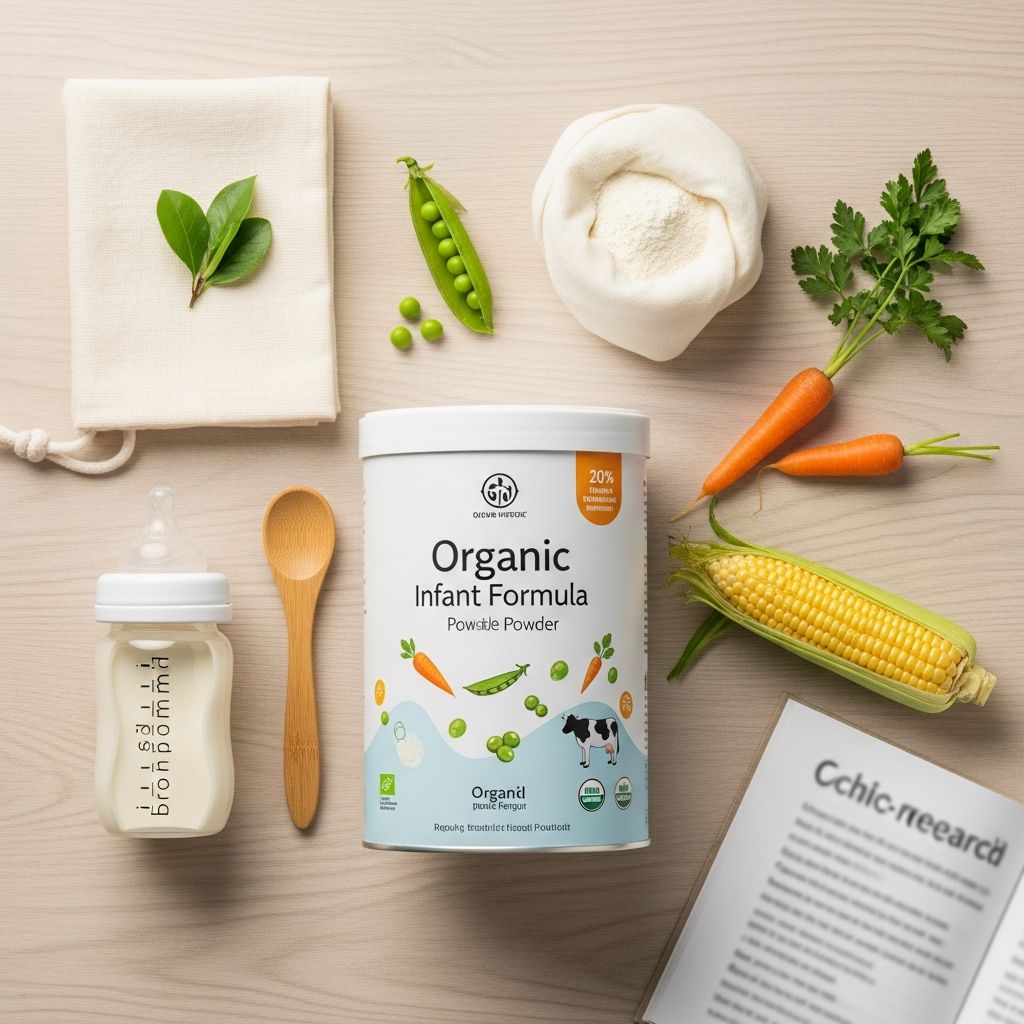
Organic infant formula offers parents a natural alternative for feeding their babies when breastfeeding isn’t possible. Made from ingredients grown without synthetic pesticides or GMOs, it aims to closely mimic breast milk while prioritizing safety and sustainability.
Understanding Organic Standards in Baby Nutrition
Organic infant formula must adhere to rigorous certification processes to earn its label. In the United States, the USDA Organic seal requires that at least 95% of ingredients are organically produced, meaning crops are grown without prohibited synthetic pesticides, herbicides, or fertilizers. Cows providing milk for these formulas graze on organic pastures and receive no antibiotics or growth hormones.
This certification ensures the formula is free from genetically modified organisms (GMOs), a key concern for many parents. European standards, often referenced in premium brands, add layers like limits on certain additives, though FDA regulations govern U.S. sales. These rules protect against contaminants, with testing for heavy metals like lead and arsenic mandated before market release.
- Pesticide-free production: Eliminates residues that could accumulate in a baby’s developing system.
- Antibiotic and hormone absence: Supports natural immune development without residues.
- GMO exclusion: Avoids potential long-term effects of genetic modifications.
Health Advantages for Growing Babies
Choosing organic formula reduces exposure to potentially harmful chemicals. Conventional formulas may contain traces of pesticides from non-organic dairy sources, which studies link to developmental risks when ingested regularly. Organic versions prioritize clean ingredients, potentially leading to better digestion and fewer gastrointestinal issues.
Research indicates organic formulas often feature higher levels of beneficial fatty acids like Omega-3, supporting brain and eye development. They may also include prebiotics for gut health, mimicking breast milk’s composition more closely. Parents report easier transitions and less fussiness, though individual responses vary.
| Aspect | Organic Formula | Conventional Formula |
|---|---|---|
| Ingredient Sourcing | Organic farms, no synthetics | Standard agriculture, possible pesticides |
| Contaminant Risk | Lower heavy metals, tested rigorously | Variable, per FDA standards |
| Digestibility | Often improved with natural carbs | May include synthetic stabilizers |
| Nutrient Profile | Higher essential fats in some brands | Meets minimum FDA requirements |
Despite these perks, both types must meet FDA nutritional standards, ensuring complete nutrition for growth.
Nutritional Breakdown and Comparison to Breast Milk
Infant formulas, organic or not, are engineered to provide proteins, fats, carbohydrates, vitamins, and minerals akin to breast milk. Organic options use lactose from organic sources as the primary carb, avoiding corn syrup solids common in some conventional products.
Proteins come from organic whey and casein blends, proportioned for easy digestion. Added DHA and ARA from algal or fungal sources support cognitive growth, often at levels comparable to or exceeding breast milk. Vitamins like C and D are fortified to prevent deficiencies.
While no formula fully replicates breast milk’s live antibodies or enzymes, organic varieties minimize synthetic additives, potentially reducing allergy risks and infections. A systematic review notes possible benefits in lipid profiles and lower antibiotic-resistant bacteria.
- Proteins: Hydrolyzed for sensitivity in premium organics.
- Fats: Rich in polyunsaturated for brain health.
- Carbs: Lactose-dominant for natural energy.
Environmental and Ethical Considerations
Opting for organic supports sustainable farming that preserves soil health and biodiversity. Organic dairy farms reduce water pollution from chemical runoff and promote animal welfare through pasture access. This choice aligns with eco-conscious parenting, lowering the family’s carbon footprint.
Transparency in sourcing builds trust; many brands disclose farm practices and third-party testing results. Ethical treatment of livestock ensures hormone-free milk, benefiting both animals and infants.
Selecting the Right Organic Formula
Parents should consider their baby’s age, sensitivities, and needs. Newborn formulas (Stage 1) have higher whey for digestion; follow-on (Stage 2) adds iron for older infants. Consult pediatricians for allergies to cow’s milk, opting for goat or hydrolyzed options.
Availability varies; U.S. brands like Earth’s Best meet domestic standards, while imports like HiPP offer European purity but require FDA compliance checks. Price is higher due to organic costs, but bulk buying or subscriptions help.
- Check USDA Organic or EU Bio seals.
- Review ingredient lists for probiotics.
- Test small quantities for tolerance.
- Verify expiration and storage.
Addressing Common Concerns and Myths
Myth: Organic is nutritionally superior. Fact: Both meet FDA standards; organic focuses on purity. Myth: It’s always hypoallergenic. Fact: Cow’s milk proteins can still trigger reactions. Recent tests show low contaminant levels across formulas, with organics often faring well. Avoid unregulated homemade recipes due to malnutrition risks.
Safe Preparation and Feeding Practices
Follow exact mixing ratios using water at 158°F (70°C) to kill bacteria, per FDA. Sterilize bottles initially. Discard unused formula after one hour. Store powder in cool, dry places.
- Warm gently, never microwave.
- Burp frequently to aid digestion.
- Monitor for signs of intolerance like rash or reflux.
Cost vs. Benefit Analysis
Organic formulas cost 20-50% more, but benefits like reduced chemical exposure justify for many. Budget formulas suffice nutritionally, per FDA. Weigh against breastfeeding support if possible.
Frequently Asked Questions
What certifications indicate true organic formula?
Look for USDA Organic seal or EU Organic logos, ensuring 95%+ organic ingredients and no GMOs or synthetics.
Is organic formula easier to digest?
Many babies experience less gas due to natural ingredients, though evidence is anecdotal with some research support.
Can organic formula prevent allergies?
It may lower risks by avoiding additives, but no formula guarantees allergy prevention; monitor and consult doctors.
How does it compare contaminant-wise?
Tests show lower heavy metals in organics, but all FDA-approved formulas are safe.
Is it suitable for all babies?
Best for most, but preterm or sensitive infants need specialized advice.
Transitioning to Organic Formula
Introduce gradually over 7-10 days, mixing with current formula to avoid upset. Track stools, sleep, and weight gain. Most babies adapt well, enjoying the natural taste closer to breast milk.
For combo feeding, organic complements breastfeeding seamlessly. Long-term, it supports healthy habits into toddlerhood.
References
- Organic vs. Non-Organic Baby Formula: What Parents Need to Know — Organic Life Start. 2023. https://organiclifestart.com/blogs/guides/organic-vs-non-organic-baby-formula-what-parents-need-to-know
- Organic Baby Formula: Is It Good for Little Ones? — FormulaND. 2023. https://formuland.com/blogs/news/organic-baby-formula-is-it-good-for-little-ones-the-answer-is-yes
- Gastrointestinal tolerability of organic infant formula compared to… — PMC (NIH). 2024-04-12. https://pmc.ncbi.nlm.nih.gov/articles/PMC11000068/
- What’s in Baby Formula? Myths, Facts and What Parents Should Know — BabyList. 2023. https://www.babylist.com/hello-baby/myths-facts-about-formula
- We Tested 41 Baby Formulas for Lead and Arsenic — Consumer Reports. 2025-01-22. https://www.consumerreports.org/babies-kids/baby-formula/baby-formula-contaminants-test-results-a7140095293/
- Infant Formula — FDA (U.S. Food and Drug Administration). 2025. https://www.fda.gov/food/resources-you-food/infant-formula
- What Parents Should Know About European Infant Formulas — Children’s Hospital Colorado. 2024. https://www.childrenscolorado.org/just-ask-childrens/articles/european-baby-formula/