Navigating the Postpartum Period Through Digital Learning
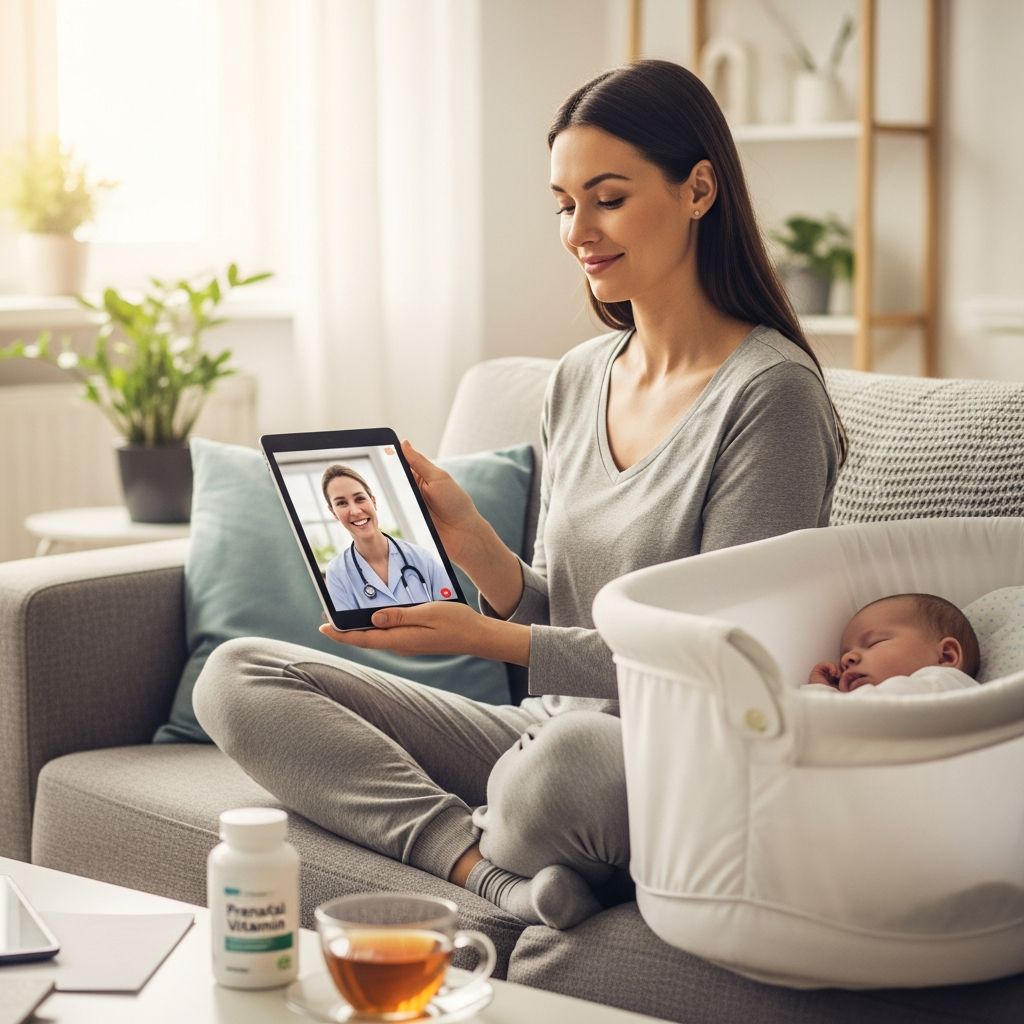
The transition to motherhood involves profound physical and emotional changes that extend far beyond the delivery room. While childbirth marks a significant milestone, the weeks and months following delivery require careful attention to recovery and self-care. Increasingly, mothers are turning to online education platforms to access expert guidance on postpartum healing from the comfort of their homes. Digital postpartum classes have emerged as a practical solution for new mothers seeking professional support while managing the demanding responsibilities of newborn care.
Online postpartum education represents a shift in how maternal health information is delivered, making expert knowledge accessible to mothers regardless of geographic location or time constraints. These programs combine structured instruction with the flexibility that modern families need during this transformative period.
Understanding What Online Postpartum Programs Offer
Comprehensive postpartum education covers multiple dimensions of recovery, addressing both the physical and emotional aspects of the postpartum journey. Online platforms typically structure their content around specific recovery goals, allowing mothers to focus on areas most relevant to their individual circumstances.
Physical rehabilitation forms the foundation of most postpartum programs. These components teach mothers how to safely rebuild strength, address common postpartum conditions like diastasis recti (abdominal separation), and restore core function. Instructors guide mothers through progressively challenging exercises designed to rebuild the muscles weakened during pregnancy and delivery.
Pelvic floor health receives specialized attention in quality postpartum programs. The pelvic floor muscles undergo significant stress during pregnancy and childbirth, requiring targeted rehabilitation to prevent long-term complications like urinary incontinence or prolapse. Online instruction allows mothers to learn proper pelvic floor engagement techniques with detailed explanations they can review repeatedly.
Mental health and emotional support have become increasingly recognized as essential components of postpartum education. Many online programs now incorporate guidance on managing postpartum mood changes, building confidence, and addressing body image concerns that frequently arise during this period.
Flexibility as a Core Advantage for Busy Mothers
One of the most significant benefits of online postpartum education is the unprecedented flexibility it provides. New mothers face unpredictable schedules dictated by infant feeding patterns, sleep disruptions, and unexpected needs. Traditional in-person classes require scheduling commitments that may be difficult or impossible to maintain during this chaotic period.
Online programs allow mothers to engage with educational content on their own terms. Whether a mother has thirty minutes during an afternoon nap or five minutes while the baby plays nearby, on-demand video content can be accessed whenever it fits her schedule. This flexibility extends to the ability to pause, rewatch, and revisit lessons multiple times, enabling deeper learning and better retention of information.
For mothers managing multiple children, working part-time, or living in areas without accessible local resources, online postpartum classes eliminate transportation barriers and scheduling conflicts that might otherwise prevent them from accessing professional guidance.
Building Core Strength and Physical Confidence
Restoring physical function after childbirth goes beyond simply “getting back in shape.” Online postpartum programs teach mothers how to rebuild the foundational strength systems that support all daily activities, from lifting children to managing household tasks without pain or complications.
Effective programs progress systematically through stages of recovery. Early phases focus on reconnecting with deep breathing patterns and engaging the deepest abdominal layers. Subsequent phases introduce controlled movements that gradually increase in complexity and intensity as the body demonstrates readiness.
Instruction emphasizes proper form and body awareness rather than high-intensity exercise. Learning to move correctly transforms daily activities into opportunities for strengthening. When mothers understand proper alignment and core engagement, they can apply these principles while picking up children, carrying groceries, or performing household chores, making every movement contribute to overall recovery.
Cost-Effectiveness Compared to Traditional Services
Access to postpartum rehabilitation has historically been limited by cost. Individual physical therapy sessions, specialized pilates classes, and fitness memberships represent significant expenses for families already managing increased childcare costs. This financial barrier has left many mothers without access to professional postpartum support.
Online postpartum programs offer a dramatically more affordable pathway to expert instruction. Subscription-based models and one-time course purchases typically cost far less than the equivalent hours of in-person instruction. Many platforms offer free trial periods or preview content, allowing mothers to evaluate program quality before committing financially.
This democratization of postpartum education means that mothers across different economic circumstances can access professional-grade instruction and support that was previously available primarily to those who could afford premium services.
Emotional Healing and Community Connection
The postpartum period can feel isolating, particularly for mothers who spend most of their time caring for an infant at home. While online classes cannot fully replicate the in-person connection of traditional support groups, many digital platforms have successfully created virtual communities where mothers can share experiences and support one another.
Online forums, discussion boards, and group class sessions enable mothers to connect with others navigating similar challenges. These interactions reduce the sense of isolation that many new mothers experience and provide reassurance that postpartum struggles are common and manageable. Knowing that other mothers are working through similar physical recovery goals and emotional adjustments can be profoundly validating.
Additionally, exposure to diverse instructors and educational content helps mothers recognize that postpartum experiences vary widely. Some mothers experience rapid physical recovery, while others require extended rehabilitation. This diversity of experience is normalized in online communities, reducing the pressure to meet unrealistic recovery timelines.
Accessing Expert Instruction Beyond Local Limitations
Geographic location no longer determines the quality of postpartum education a mother receives. Online platforms connect mothers with specialists in postpartum recovery regardless of where they live. A mother in a rural area with no local postpartum rehabilitation services has the same access to expert instructors as a mother in a major metropolitan area.
This democratization of expertise is particularly valuable for mothers seeking instruction in specialized areas like postnatal yoga, pelvic floor rehabilitation, or diastasis recti recovery. Expert instructors often teach to a global audience through online platforms, making their knowledge accessible far beyond what would be possible through traditional geographic service areas.
Educational Content That Extends Beyond Physical Exercise
Comprehensive online postpartum programs recognize that maternal recovery encompasses more than physical rehabilitation. Many platforms include detailed education on breastfeeding, newborn care basics, recognizing postpartum mood disorders, and navigating the emotional adjustment to motherhood.
This holistic approach acknowledges that mothers are managing multiple simultaneous transitions and learning curves during the postpartum period. When education addresses the full spectrum of postpartum experiences—physical recovery, infant care, emotional adjustment, and relationship changes—mothers feel better equipped to navigate this complex transition.
Information that prepares mothers for expected challenges reduces overwhelm and increases confidence. Understanding what emotional and physical changes are normal helps mothers distinguish between typical postpartum experiences and symptoms that warrant additional medical attention.
Practical Features That Support Consistent Engagement
The most effective online postpartum programs incorporate design features that support maternal engagement despite the chaos of early motherhood. Video lessons kept to manageable lengths (typically under 30 minutes) acknowledge that mothers rarely have extended uninterrupted time. Short, focused instructional content can be consumed in small chunks throughout the day.
Supplementary materials like downloadable guides, quick-reference handouts, and bonus tutorial videos extend learning beyond the primary video content. These resources allow mothers to review key information without requiring a full video viewing, accommodating the attention demands of newborn care.
Clear lesson organization and intuitive navigation help mothers quickly locate content relevant to their current recovery stage or specific concerns. When mothers can easily find the information they need without extensive searching, they are more likely to consistently engage with the program.
Addressing Common Postpartum Physical Challenges
Online postpartum education specifically targets the most common physical challenges mothers face after delivery. These programs typically address diastasis recti (the separation of abdominal muscles), pelvic floor weakness, back and neck pain from feeding and infant care positions, and the loss of core control that affects everything from stability to continence.
Rather than treating these issues as permanent consequences of childbirth, comprehensive online programs teach that targeted rehabilitation can resolve or significantly improve most postpartum physical concerns. This reframing helps mothers move from resignation about postpartum physical changes to active engagement in their own recovery.
Building Confidence to Return to Preferred Activities
Many mothers report that the ability to return to activities they enjoy—whether that means running, playing with older children, or recreational sports—depends on successfully rebuilding core strength and pelvic floor function. Online postpartum programs are specifically designed to bridge the gap between delivery and returning to these valued activities.
This bridge is crucial because it acknowledges that postpartum recovery isn’t simply about returning to pre-pregnancy functioning; it’s about rebuilding strength strategically so that mothers can safely resume activities they love without pain, incontinence, or fear of injury. The confidence that comes from successful physical recovery extends into all areas of maternal life.
Preparing Partners and Support Systems
Some online postpartum programs extend their educational reach to partners and family members supporting the new mother. When partners understand the physical and emotional changes the mother is experiencing, they can provide more effective support.
Educational content for partners might cover the physical impact of childbirth, the importance of pelvic floor recovery, signs of postpartum mood disorders, and practical ways to support the mother’s healing process. This expanded educational approach strengthens family systems during the vulnerable postpartum period.
Selecting Quality Online Postpartum Programs
Not all online postpartum education programs offer equivalent quality or evidence-based instruction. When evaluating options, mothers should consider whether programs are designed and taught by qualified professionals with specific postpartum expertise. Look for instructors with credentials in physical therapy, nursing, yoga therapy, or other relevant fields, and verify that their postpartum specialization is genuine rather than incidental.
Evidence-based program content should align with current medical understanding of postpartum recovery. Programs that acknowledge individual variation in recovery timelines and recognize that postpartum experiences vary based on delivery type, health history, and other factors are more likely to provide helpful guidance.
Review features should allow learners to understand program structure, content length, and teaching approach before committing financially. Free trial periods or sample content offer valuable preview opportunities.
Frequently Asked Questions About Online Postpartum Education
Q: When should I start an online postpartum program?
A: The timing depends on your delivery type and individual healing. Vaginal delivery typically allows starting gentle postpartum programs within weeks, while cesarean delivery requires a longer initial recovery period. Always consult with your healthcare provider before beginning any postpartum exercise program.
Q: Can I do online postpartum classes while caring for my newborn?
A: Yes, this is one of the primary advantages of online programs. Many mothers find they can exercise while their baby naps, plays nearby, or even during a feeding. The flexibility to pause and resume lessons makes online postpartum education particularly well-suited to the unpredictable schedules of new motherhood.
Q: How long does postpartum recovery typically take?
A: Physical healing from childbirth typically takes 6-8 weeks, but functional recovery and rebuilding strength often extends over several months or longer. Comprehensive pelvic floor recovery frequently requires 8-12 weeks of consistent exercise. Individual timelines vary significantly based on delivery circumstances and other factors.
Q: Will online postpartum education help with postpartum incontinence?
A: Targeted pelvic floor exercises are highly effective for treating postpartum incontinence. Many online postpartum programs include specialized pelvic floor instruction that can significantly improve or resolve urinary leakage. However, some cases require additional professional assessment.
Q: Are online postpartum programs suitable for all body types?
A: Quality online programs provide modifications and progressions that allow mothers of different body types, fitness levels, and recovery circumstances to benefit. Look for programs that explicitly address modification options and recognize individual variation in recovery needs.
References
- Postpartum Recovery Course, On Demand — After Baby Fit. 2025. https://afterbabyfit.com/get-started/p/postpartum-recovery-course-online
- 5 Reasons It’s Time to Join an Online Postpartum Core Rehab Program — FitNest Mama. 2025. https://www.fitnestmama.com/podcast/postpartum-core-rehab-program/
- What Role Does Online Postnatal Yoga Play in Emotional Healing? — Shyam Bhai Yoga. 2025. https://shyambhai.yoga/what-role-does-online-postnatal-yoga-play-in-emotional-healing/
- 5 Unexpected Benefits of Taking an Online Birth Class — Birth Boot Camp. 2025. https://birthbootcamp.com/benefits-of-online-birth-class/
- Parent Education eClasses — NYU Langone Health. 2025. https://nyulangone.org/patient-family-support/for-new-expecting-parents/parent-education-eclasses