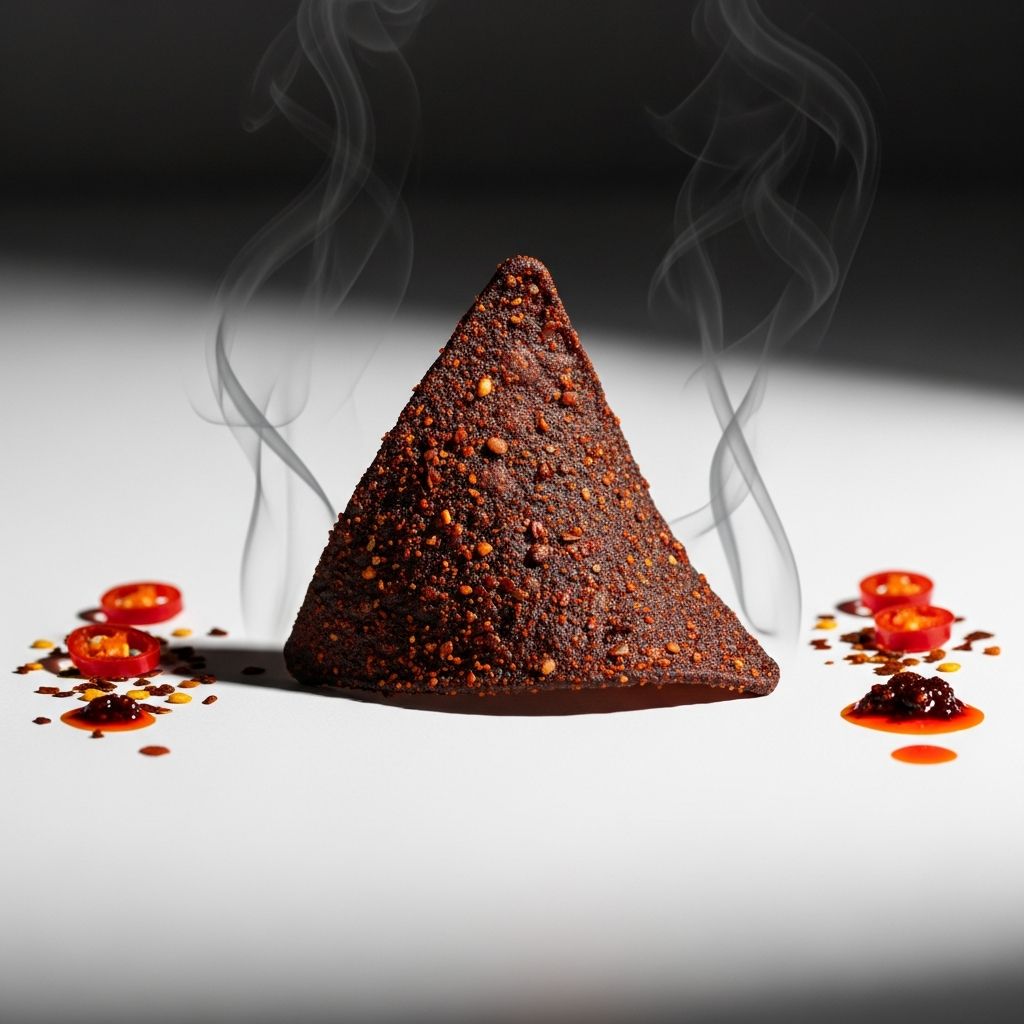
The One Chip Challenge captivated social media users with its promise of extreme heat from a single tortilla chip, but it quickly turned from fun to frightening. Launched as a marketing gimmick, this trend exposed participants—especially impressionable teens—to intense discomfort and serious health threats, culminating in product recalls and widespread warnings.
Origins and Rise of the Extreme Spice Phenomenon
Paqui, a snack company known for bold flavors, introduced the One Chip Challenge in 2016 as a daring promotion. Each package contained one tortilla chip doused in extracts from the world’s hottest peppers, including the Carolina Reaper and Naga Viper, challenging eaters to endure the burn without relief. Sold in a distinctive coffin-shaped bag for around $10, it encouraged users to film their reactions and share with #OneChipChallenge, fueling its viral spread on TikTok and YouTube.
By 2022-2023, the challenge exploded in popularity, amplified by influencers like FaZe Rug and Zach Choi, whose videos garnered millions of views. Teens in schools across the U.S. began daring each other, turning classrooms into impromptu battlegrounds of endurance. However, this resurgence came at a cost, with reports of widespread illness prompting bans in educational institutions from Minnesota to New Mexico.
The Science Behind the Scorching Heat
The chip’s fiery power stems from capsaicin, the compound responsible for the burning sensation in chili peppers, measured on the Scoville Heat Units (SHU) scale. Carolina Reaper peppers clock in at over 2 million SHU, far surpassing jalapeños at 8,000 SHU. When consumed in concentrated form, capsaicin tricks the body into perceiving extreme heat by binding to TRPV1 receptors in the mouth and gut, triggering inflammation and pain signals.
Common immediate effects include tongue numbness, profuse sweating, stomach cramps, and a blue-tinted tongue from added colorants. More severe reactions involve throat swelling, vomiting, and in rare cases, cardiovascular strain like elevated heart rate. The National Capital Poison Center notes that while most recover, vulnerable individuals face risks of esophageal damage or breathing difficulties.
| Pepper Type | Scoville Heat Units (SHU) | Effects Noted in Challenge |
|---|---|---|
| Carolina Reaper | 1.5–2.2 million | Intense mouth/throat burn, nausea |
| Naga Viper | ~1.4 million | Stomach irritation, prolonged discomfort |
| Jalapeño (comparison) | 2,500–8,000 | Mild warmth |
This table illustrates why the chip overwhelms the senses, turning a snack into a physiological ordeal.
Health Risks: From Discomfort to Disaster
While many dismissed the challenge as harmless fun, real-world incidents painted a grim picture. In 2022, 20-30 students in New Mexico suffered stomach upset and eye irritation just from handling the chip, leading to medical evaluations. Similar outbreaks hit schools in Edina, Minnesota, where paramedics treated kids for severe reactions.
The most heartbreaking case involved 14-year-old Harris Wolobah from Massachusetts. After completing the challenge, he experienced violent illness, collapsed, and died from an acute cerebellar stroke days later in September 2023. Though a direct link awaits confirmation, his family attributes it to the chip, prompting Paqui to voluntarily withdraw the product nationwide.
- Mild symptoms: Burning mouth, tears, runny nose—lasting 20-60 minutes.
- Moderate issues: Vomiting, diarrhea, heart palpitations—requiring hydration and rest.
- Severe outcomes: Difficulty breathing, fainting, or rare cardiac events—demand immediate medical help.
Poison Control emphasizes that children, with smaller bodies and developing systems, amplify these risks.
Social Media’s Role in Amplifying Dangers
TikTok’s algorithm propelled the challenge, with users posting blue tongues and agonized screams for likes and shares. Paqui’s packaging urged social media posts, creating free marketing while downplaying hazards with labels like “invincible” for those lasting an hour. Teens, seeking virality, ignored warnings stating it was for adults only, easily purchasing from convenience stores without age checks.
This blend of peer pressure and influencer hype normalized self-inflicted pain. Videos often showed laughter amid suffering, glamorizing distress and pressuring viewers to participate. Parents and educators report kids buying chips en route to school, turning lunch breaks into high-stakes gambles.
Manufacturer Responses and Product Recall
Paqui included disclaimers: keep away from children, avoid if pregnant or spice-sensitive, wash hands after touching, and seek help for severe symptoms. Despite this, no purchase restrictions allowed minors access. Following Wolobah’s death, Paqui halted sales in September 2023 “out of an abundance of caution,” affirming the chip met safety standards but prioritizing public safety.
Retailers like 7-Eleven pulled stock, and schools issued bans. The FDA monitored but deferred to voluntary action, highlighting gaps in regulating novelty foods.
Protecting Children from Viral Food Fads
Parents play a crucial role in countering these trends. Monitor social media, discuss risks openly, and secure spicy snacks. Teach that true bravery isn’t enduring pain for views. If exposure occurs:
- Provide milk or dairy—fats neutralize capsaicin better than water.
- Avoid acidic drinks that worsen irritation.
- Seek emergency care for breathing issues, chest pain, or persistent vomiting.
Educate on capsaicin’s tricks: it’s not true heat but a nerve response, making endurance feats unwise.
Broader Implications for Snack Marketing
The saga underscores ethical dilemmas in viral marketing. Paqui’s success—millions in views and sales—came via user-generated agony, blurring entertainment and endangerment. It parallels trends like Tide Pod challenges, where fun spirals into peril. Regulators may tighten rules on extreme foods, demanding age gates or reformulations.
Meanwhile, safer spice alternatives emerge, like milder hot sauces with clear SHU ratings, allowing enjoyment without jeopardy.
Frequently Asked Questions (FAQs)
What makes the One Chip Challenge so spicy?
The chip uses concentrated capsaicin from Carolina Reaper and Naga Viper peppers, rating over 1 million SHU, causing intense burning via nerve receptor activation.
Is the One Chip Challenge still available?
No, Paqui recalled it in September 2023 after a teen’s death, though leftovers may circulate secondhand.
What should I do if my child eats a super spicy chip?
Offer milk, yogurt, or bread to soothe; monitor for severe symptoms like breathing trouble and call poison control or 911 if needed.
Why did schools ban the challenge?
Multiple incidents of students falling ill, including paramedic visits, prompted bans to prevent disruptions and health scares.
Can spicy foods be deadly?
Rarely for healthy adults, but high capsaicin doses risk heart issues or strokes in sensitive individuals, as seen in one fatal case.
References
- What is the ‘One Chip Challenge’ TikTok trend? — FOX 9. 2023 (approx.). https://www.fox9.com/news/what-is-the-one-chip-challenge-tiktok-trend
- One Chip Challenge: What to know about the social media trend — FOX 10 Phoenix. 2023-09. https://www.fox10phoenix.com/news/one-chip-challenge-what-to-know-about-the-social-media-trend-that-1-family-says-killed-their-teenage-boy
- When Marketing Goes Too Far: One Chip Challenge Removed — USC Annenberg Media. 2023-09-12. https://www.uscannenbergmedia.com/2023/09/12/when-marketing-goes-too-far-one-chip-challenge-removed-from-shelves-after-death-of-boston-teen/
- The One Chip Challenge: Too Hot to Handle — Nationwide Children’s Hospital. 2023-09. https://www.nationwidechildrens.org/family-resources-education/700childrens/2023/09/the-one-chip-challenge
- Is the One Chip Challenge Dangerous? — Poison Control. 2023 (updated). https://www.poison.org/articles/is-the-one-chip-challenge-dangerous