Getting tickets to a TV show taping is exciting, but figuring out what to wear can be surprisingly stressful. You want to look great on camera, stay comfortable while waiting in line, and still respect the studio’s dress code. This guide walks you through everything: from the best colors and fabrics to full outfit examples, accessories, and a practical packing checklist.
Understanding The TV Studio Environment
Before planning an outfit, it helps to understand what the experience is actually like. Most TV tapings involve a mix of outdoor waiting, security checks, and sitting for long periods in a cool, bright studio. Your outfit needs to handle all of that while still looking polished on screen.
- Expect bright lights that emphasize wrinkles, sweat marks, and see-through fabrics.
- Studios are often cool to keep equipment from overheating, so light layers are essential.
- Audience cameras may pan across the crowd at any time, so assume you could be visible from multiple angles.
Core Principles Of Camera-Friendly Style
Instead of obsessing over every tiny detail, start with a few simple principles. These help you choose pieces that work on almost any show, from daytime talk to evening comedy.
- Neat over trendy: A clean, well-fitting outfit photographs better than a fashion experiment that doesn’t quite work.
- Shape over logo: A flattering silhouette matters more than obviously branded clothing you might be asked to cover.
- Subtle over flashy: You want to look interesting, not distract from the show with glare, noise, or over-the-top details.
Best Colors For TV Tapings
Color makes a big difference on camera. The right shades can brighten your face and help you stand out in a crowd, while the wrong ones can wash you out or become a distraction.
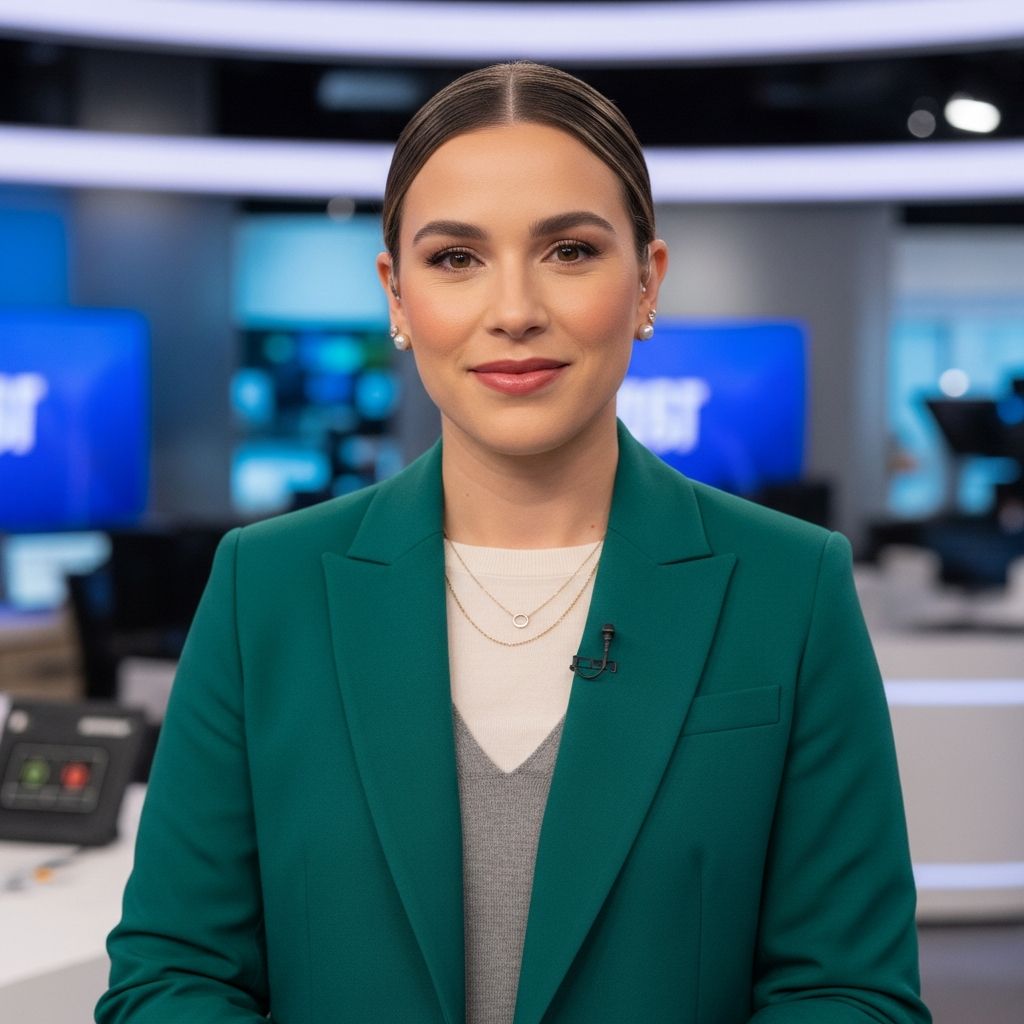
- Great choices: jewel tones (deep teal, sapphire, ruby, amethyst), rich neutrals (navy, charcoal, forest green, burgundy), and mid-tone shades that are neither too bright nor too pale.
- Use with caution: extremely bright neon, very pale pastels, or high-contrast color blocking that might overpower your features.
Color Ideas By Skin Tone (Flexible, Not Rules)
You do not have to follow strict color seasons, but these suggestions can be a helpful starting point. Always prioritize colors you already know make you feel confident.
| General Skin Tone | Flattering TV Colors | Colors To Rethink |
|---|---|---|
| Very fair / light | Soft teal, medium blues, rose, warm berry, muted emerald | Harsh black near the face, stark bright white, high-neon shades |
| Medium / olive | Jade, cobalt, plum, chocolate brown, warm red (not neon) | Colors too close to your skin tone, muddy taupes, yellow-heavy greens |
| Deep / dark | Royal purple, true red, magenta, mustard, cobalt, rich turquoise | Very pale beige, extremely light pastels, dull grays that mute your features |
Patterns, Prints, And Fabrics
Prints and fabrics behave differently under studio lights and on camera than they do in a mirror. The goal is to keep the focus on your face, not your clothing.
- Keep patterns simple: opt for larger, soft-edged prints or subtle textures rather than tiny checks, tight stripes, or micro patterns that can look busy on screen.
- Avoid visual vibration: very small stripes, tight grids, and high-contrast tiny patterns can create odd effects on video; solids are often the safest option.
Fabric Choices That Work
Your fabric choice affects comfort, creasing, and how polished you look after sitting for a long time. A fabric that looks great when you leave home may not look as good after hours of wear.
- Choose: soft knits that hold their shape, ponte, structured cotton blends, light wool or wool blends for colder weather.
- Skip: ultra-thin clingy jersey that highlights every line of undergarments, fabrics that wrinkle instantly, and anything too shiny or reflective.
Balancing Comfort And Style
You may be standing, shuffling in line, going through security, and then sitting closely packed in the audience. Comfort matters as much as aesthetics, especially for long tapings and double shows.
- Choose breathable materials so you stay cool during any outdoor waiting and under lights.
- Make sure waistbands, sleeves, and necklines do not pinch, ride up, or need constant adjusting.
Outfit Formulas For Different Styles
Use these sample formulas as inspiration, not rules. You can adapt each one to your personal style, body type, and the specific show’s vibe (daytime talk vs. late-night comedy vs. game show).
Polished Casual For Daytime Tapings
This style suits many talk shows and lifestyle programs where the dress code is neat but not overly formal.
- Top: solid-color blouse, fine-knit sweater, or structured knit top in a rich, mid-tone color.
- Bottom: dark, tailored jeans or slim chinos with no rips or distressing.
- Shoes: low or mid-heel boots, loafers, or sleek sneakers if allowed by the show guidelines.
Smart Classic For Evening Or Special Guests
If the show leans slightly more formal or you simply want a dressier look, a smart classic outfit strikes the right balance.
- Top: structured blouse, shell, or knit with subtle detail (neckline interest, soft draping).
- Bottom: tailored trousers or a knee-length pencil or A-line skirt that stays in place when seated.
- Shoes: mid-height heels, sleek ankle boots, or dressy flats you can stand in comfortably for at least an hour.
Easy Dresses That Always Work
Dresses can be the simplest way to look pulled together with minimal effort, especially if you add one great layer and a few accessories.
- Style: knee-length or midi-length sheath, wrap, or fit-and-flare dress in a solid or soft print.
- Layer: cardigan, blazer, or cropped jacket you can remove if the studio is warm.
- Footwear: ankle boots, block-heel pumps, or wedges for height without pain.
Seasonal And Weather Considerations
Your outfit needs to work both outside and inside. That can be tricky when winter streets and warm studio lights are in the same outing.
- Cold weather: wear a warm coat you can check, plus a base outfit that looks good on its own once layers are removed.
- Warm weather: choose breathable fabrics and bring a light layer like a cardigan or scarf for the air-conditioned studio.
Smart Layering Strategy
Layers let you adapt to changing temperatures without sacrificing style. The key is making sure each visible layer looks intentional, not random.
- Plan a complete “indoor look” underneath your coat that does not rely on outerwear to feel finished.
- Use thin, temperature-regulating base layers under dresses or tops if you expect cold weather queues.
Footwear: Style You Can Stand In
Even if you love high heels, this is not the day to discover that your favorite shoes become painful after 20 minutes. Footwear should look smart while surviving long waits and lots of stairs.
- Aim for closed-toe shoes or boots with a stable heel or flat sole for safety on studio steps.
- Break in new shoes in advance; test-walk them on stairs and pavement before the taping day.
Accessories, Jewelry, And Bags
Accessories can elevate an otherwise simple outfit, but they can also cause noise, glare, and fussing if you are not careful. Think in terms of a few considered pieces, not a full jewelry box.
- Keep jewelry quiet: avoid pieces that jangle, clink, or swing dramatically when you clap or move.
- Let one item stand out: a statement necklace, bold earrings, or a standout watch can be enough on its own.
Choosing The Right Bag
Security policies vary, but smaller bags are generally easier to manage. You will want your hands free for tickets, ID, and clapping.
- Opt for a compact crossbody or small shoulder bag that zips securely.
- Pack only essentials: ID, phone, small wallet, travel-size makeup, tissues, and any necessary medication.
Grooming, Makeup, And Hair For Studio Lights
Studio lighting can be unforgiving. You do not need professional makeup, but a few adjustments from your everyday routine help you look polished and photo-ready.
- Control shine with a light dusting of powder or blotting papers, especially on the T-zone.
- Define eyes and brows a touch more than usual so your features do not disappear under bright lights.
Hair That Stays Put
You may be clapping, turning your head, and standing up or sitting down for hours. Simple, secure hairstyles tend to look best from all angles.
- Choose a style you can maintain without a mirror, such as a smooth blowout, ponytail, bun, or half-up look.
- Avoid heavy, stiff hairspray that can look unnatural; aim for flexible hold instead.
Common Mistakes To Avoid
When in doubt, remove anything that might distract you or others. The goal is to feel at ease so you can focus on enjoying the show, not worrying about your outfit.
- Wearing something so tight, short, or low-cut that you constantly tug, pull, or adjust.
- Choosing pieces that wrinkle excessively, ride up when seated, or gap when you lean forward.
Quick Outfit Ideas Table
Use this quick reference to match outfit ideas to the type of taping you are attending. Adjust colors and details to your personal style and the show’s dress code.
| Show Type | Suggested Outfit | Shoe Recommendation |
|---|---|---|
| Daytime talk show | Rich-colored knit top, dark jeans or slim pants, light cardigan or blazer | Low-heel boots or loafers |
| Evening comedy show | Smart blouse or sweater, black or navy trousers, statement earrings | Block-heel pumps or ankle boots |
| Special event / giveaway show | Knee-length dress in jewel tone, structured cardigan or jacket | Comfortable mid-height heels or wedges |
| Game show audience | Colorful top, dark denim or cotton pants, casual jacket | Clean sneakers or flat boots (if permitted) |
Practical Packing List For Taping Day
Create a small checklist the day before so you are not scrambling at the last minute. You want to walk out the door knowing every detail is covered.
- Photo ID, tickets or confirmation emails, transit card or parking details.
- Compact mirror, lip balm or lipstick, travel-size powder, and a small comb or brush.
- Weather-appropriate outerwear you can check or fold neatly on your lap.
- Comfort add-ons: blister bandages, pain reliever if needed, and a snack for before (not during) the show if allowed.
Frequently Asked Questions
Do studios usually have a dress code for audiences?
Most shows provide general guidelines such as “no logos,” “no ripped clothing,” or “dress smart casual.” Always read any instructions that come with your tickets and follow those rules first, then use this guide to refine your outfit within those boundaries.
Can I wear jeans to a TV show taping?
Dark, well-fitting jeans without rips, heavy fading, or distressing are often acceptable, especially for casual or comedy tapings. Pair them with a polished top and shoes so the overall look feels intentional and respectful of the occasion.
Is black clothing okay on camera?
Black can look elegant, but head-to-toe black sometimes appears flat or absorbs too much light. If you love black, balance it with texture, a colored top or accessory, or a contrasting layer to add dimension and keep your features from disappearing.
What about bright colors or neon?
One bold color can be a fun way to stand out, but extremely bright neon shades can overpower your face and distract on camera. If you enjoy bright hues, consider slightly toned-down versions or use them in smaller doses like accessories or a single layered piece.
How early should I try on my outfit?
Try on your full look, including shoes and outerwear, at least a day before the taping. Sit, stand, walk up and down stairs, and practice clapping to be sure nothing shifts, gapes, or pinches in ways that would bother you during the show.
Final Style Checklist Before You Leave Home
As a last step, stand in front of a mirror and quickly run through a short checklist. This keeps you focused on what matters most and helps you feel confident the entire time you are in the spotlight, even if it is just for a quick audience pan.
- Does this outfit stay in place when I sit, stand, and raise my arms?
- Is my clothing free of obvious wrinkles, stains, and pet hair?
- Do my shoes feel comfortable enough for at least an hour of standing or slow shuffling?
- Is there at least one element that feels “special” so I feel a bit dressed up for the occasion?