The name **Olivia** stands as one of the most cherished choices for baby girls, blending elegant simplicity with profound historical and symbolic depth. Derived from Latin roots tied to the olive tree, it evokes images of peace, prosperity, and resilience, making it a favorite among parents seeking a name with both classic grace and contemporary edge.
Tracing the Etymological Journey of Olivia
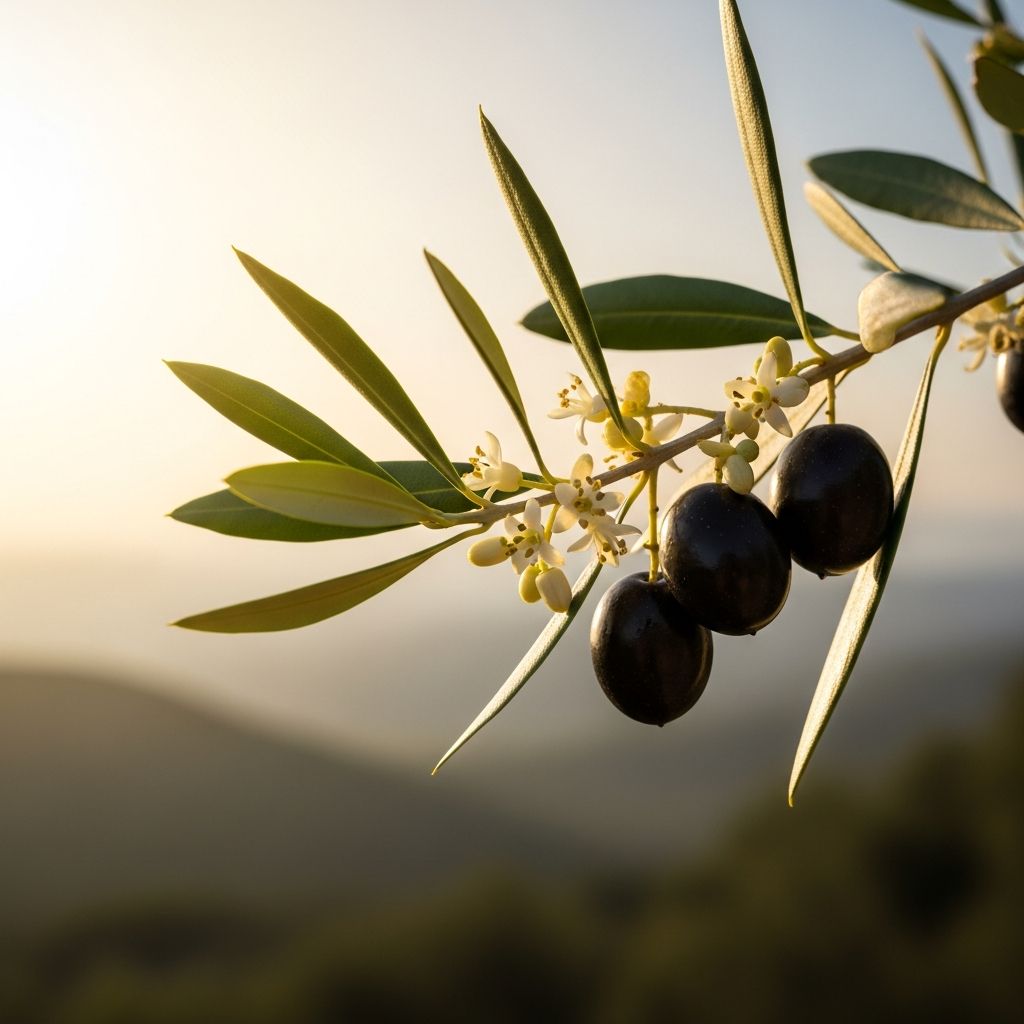
At its core, Olivia springs from the Latin word oliva, directly referring to the olive tree or its fruit. This connection traces back to ancient Mediterranean civilizations where the olive held immense cultural significance. In Greek, the term elaia denoted the tree itself, a staple in Aegean languages and early trade routes. The olive symbolized not just sustenance but deeper ideals: peace through the famous branch extended in reconciliation, fertility from its bountiful harvests, and victory in athletic and civic crowns.
Historical records show forms like Oliva appearing in English-speaking regions as early as the 13th century, evolving from Old French olive. By the medieval period, it had solidified as a feminine given name, though it remained somewhat rare until literary influences propelled it forward. This etymology underscores Olivia’s earthy, nature-inspired vibe, appealing to parents drawn to botanical names like Willow or Hazel.
Literary Legacy: Shakespeare’s Enduring Influence
William Shakespeare’s *Twelfth Night* (circa 1602) catapulted Olivia into prominence. In the play, Olivia is a wealthy, mourning countess whose wit, beauty, and independence captivate audiences. Though Shakespeare didn’t invent the name, his portrayal transformed it from obscurity to a staple in English literature and nomenclature.
This Shakespearean boost resonated across social strata. Initially favored by 18th- and 19th-century elites in England, Olivia trickled down to broader society, embodying sophistication and poise. Its melodic flow—soft vowels bookended by liquid consonants—further enhanced its allure, ensuring steady use through centuries.
Biblical and Spiritual Dimensions of Olivia
Beyond secular history, Olivia carries potent spiritual resonance linked to its olive motif. The Bible frequently references olive trees, starting in Genesis during creation: “The land produced vegetation: plants bearing seed according to their kinds and trees bearing fruit with seed in it according to their kinds” (Genesis 1:12 NIV). Noah’s dove returning with an olive leaf signaled earth’s renewal post-flood (Genesis 8:11), cementing the tree as a harbinger of hope and fresh starts.
Olive oil features prominently in anointing rituals, as in the consecration of kings like David (1 Samuel 16:1) or priests, symbolizing divine favor and leadership. The Mount of Olives served as Jesus’ retreat for prayer and reflection (Luke 21:37; Matthew 24:3), representing solace amid turmoil. Spiritually, Olivia thus embodies anointing (protection and authority), peace (as in “Blessed are the peacemakers” from Matthew 5:9 NIV), light (Exodus 35:28, where oil fueled sanctuary lamps), and growth.
These layers make Olivia ideal for faith-oriented families, evoking a child destined for wisdom, harmony, and illumination—qualities reinforced by Psalm 29:11: “The Lord blesses his people with peace.”
Global Variations and Cross-Cultural Adaptations
Olivia’s international footprint is vast, with adaptations reflecting linguistic nuances:
- Italy/Spain: Retains Olivia, pronounced oh-LEE-vee-ah, honoring its Latin birthplace.
- France: Olivie or Ollivia, adding a Gallic softness.
- Scandinavia: Olevia or Alivia, blending with Nordic sounds.
- Other regions: Forms like Oliviya in Slavic areas or Ulfa in some Arabic contexts echo the olive theme.
Predominantly feminine, rare masculine uses exist historically in the US and UK. Its universality stems from English media exports, including actress Olivia Newton-John’s 1970s fame and characters like Olivia Kendall from *The Cosby Show*.
Popularity Trends: From Steady Climb to Chart-Topper
In the US, Olivia’s ascent began in earnest during the 1990s, surging in the 2000s to claim top spots. It has dominated Social Security Administration rankings, reflecting parents’ love for its vintage-yet-fresh vibe. The UK mirrors this, with Olivia frequently #1 on birth registries.
Key drivers include celebrity babies (e.g., Olivia Grace from high-profile families) and pop culture echoes. Its nickname potential—Liv, Livvy, Ollie—adds versatility. Numerologically, Olivia vibrates to 7 (from letter values), suggesting perceptive, introspective personalities seen as wise and reliable.
| Decade | US Ranking | UK Ranking | Global Notes |
|---|---|---|---|
| 1990s | Top 100 | Top 50 | Steady rise post-*Cosby Show* |
| 2000s | Top 10 | #1 frequently | Newton-John influence lingers |
| 2010s-2020s | #1 multiple years | #1 dominant | Cultural staying power |
Why Olivia Resonates with Modern Parents
Olivia strikes a perfect balance: timeless without stuffiness, strong yet feminine. Its nature tie appeals to eco-conscious families, while literary and biblical prestige suits traditionalists. Phonetically, it spans cultures effortlessly, aging gracefully from playground to boardroom.
Personality associations paint Olivia bearers as analytical, graceful leaders—thoughtful observers who foster peace. In relationships, they build deep bonds deliberately, projecting trustworthiness.
Choosing Olivia: Practical Considerations
Pros:
- Universally recognized and spelled.
- Abundant cute nicknames.
- Positive, uplifting symbolism.
Cons:
- High popularity may lead to multiples in one class.
- Occasional confusion with similar names like Olive or Ava.
Middle name pairings shine with contrast: Olivia Rose (floral harmony), Olivia James (unisex strength), or Olivia Mae (vintage charm).
Famous Olivias Inspiring the Name
- Olivia Newton-John: Iconic singer-actress, *Grease* star.
- Olivia Wilde: Actress-director, bold creative force.
- Olivia Rodrigo: Grammy-winning pop sensation.
- Historical: Olivia de Havilland, Oscar-winning actress.
These trailblazers exemplify Olivia’s versatile legacy across entertainment and arts.
Frequently Asked Questions About Olivia
What is the primary meaning of the name Olivia?
Olivia means “olive tree” from Latin oliva, symbolizing peace, fertility, and victory.
Is Olivia a biblical name?
Not directly, but its olive tree essence ties to key Bible stories like Noah’s dove and anointing oils, representing hope and divine favor.
How popular is Olivia in 2025?
It remains a global top name, often #1 in the US and UK, with sustained appeal into the 2020s.
What are cute nicknames for Olivia?
Popular options: Liv, Livvy, Ollie, Via, Livia.
Can Olivia be a boy’s name?
Rarely, with sporadic historical use, but it’s overwhelmingly feminine.
What personality traits link to Olivia?
Numerology ties it to #7: analytical, wise, reserved, and trustworthy.
Final Thoughts on Embracing Olivia
Selecting Olivia gifts your daughter a name rich in heritage—from ancient groves to Shakespearean stages and sacred texts. Its blend of strength, serenity, and style ensures it endures as a beloved classic, promising a lifetime of positive associations and easy pronunciation worldwide. Whether inspired by its peaceful symbolism or chart-topping status, Olivia captures the essence of enduring beauty.
References
- Olivia Baby Name Meaning, Origin, Popularity Insights — Momcozy. 2023. https://momcozy.com/blogs/baby-names/olivia
- Olivia – Baby Name Meaning, Origin and Popularity — The Bump. 2023. https://www.thebump.com/b/olivia-baby-name
- The REAL (Biblical) Meaning of Olivia? – Origin, History & Stories — Christian Walls. 2023. https://www.christianwalls.com/blogs/bible-teaching/the-real-biblical-meaning-of-olivia-origin-history-stories
- Olivia (name) — Wikipedia. 2025-01-10. https://en.wikipedia.org/wiki/Olivia_(name)
- Olivia – Etymology, Origin & Meaning of the Name — Etymonline. 2023. https://www.etymonline.com/word/Olivia