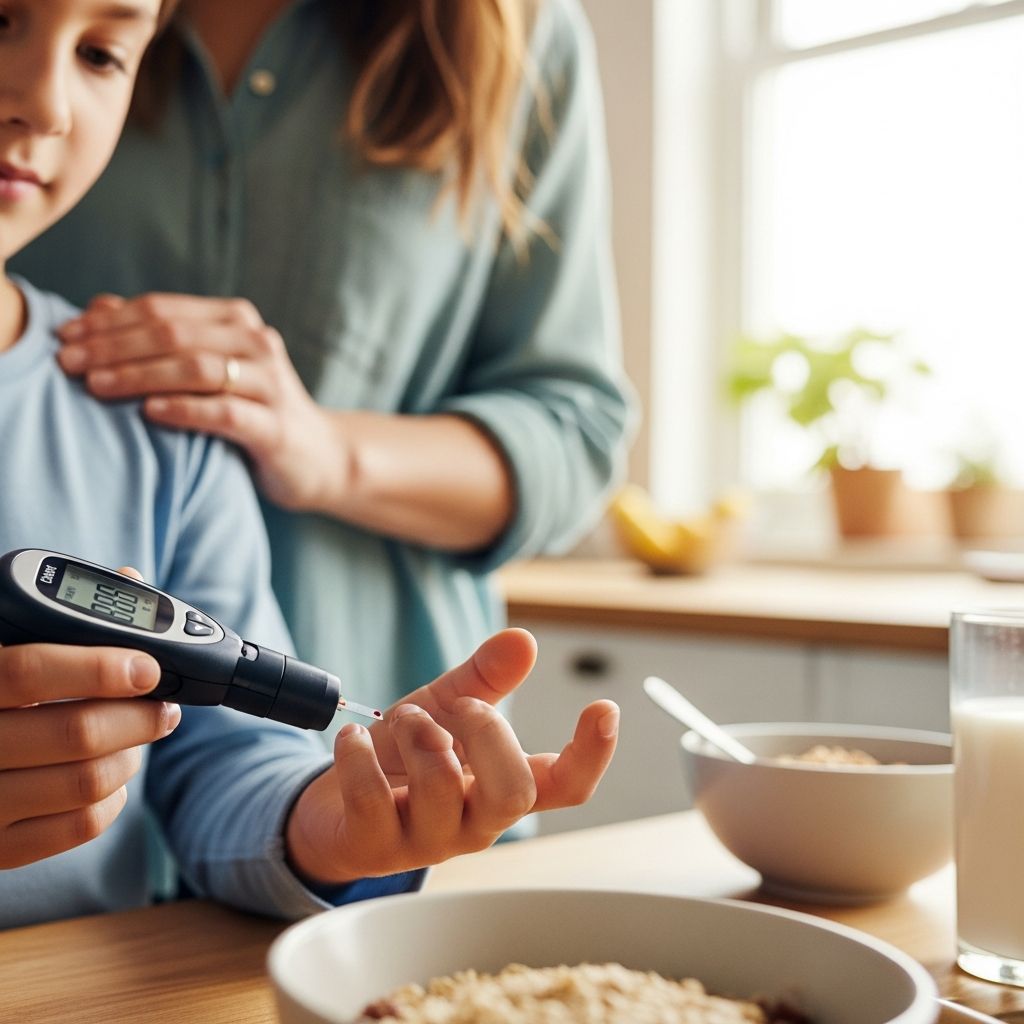
Understanding blood glucose, commonly known as blood sugar, is crucial for every parent. This vital energy source powers a child’s growth, play, and learning. Maintaining balanced levels supports overall well-being, while imbalances can signal health concerns like diabetes. This guide explores age-specific ranges, monitoring techniques, symptoms to watch, and practical steps for families.
The Fundamentals of Blood Sugar in Young Bodies
Blood glucose comes from digested carbohydrates and is regulated by insulin, a hormone from the pancreas. In healthy children, levels stay stable through diet, exercise, and rest. Deviations can occur due to illness, stress, or underlying conditions. For non-diabetic kids, fasting levels typically range from 70-100 mg/dL, rising moderately after meals. Parents should know these benchmarks to spot anomalies early.
Glucose fuels brain function and physical activity. Too low (hypoglycemia) causes fatigue; too high (hyperglycemia) leads to fatigue and thirst. Regular family meals with balanced nutrients help stabilize these levels naturally.
Age-Appropriate Normal Ranges for Kids
Blood sugar targets vary by age due to metabolic differences. Infants have tighter ranges, while teens mirror adult norms. Here’s a breakdown based on reliable health data:
| Age Group | Fasting (mg/dL) | Post-Meal (1-2 hours, mg/dL) | Bedtime (mg/dL) |
|---|---|---|---|
| Infants & Toddlers (0-3 years) | 60-110 | 60-180 | 70-120 |
| Children (4-12 years) | 70-120 | <140 | 70-120 |
| Teens (13-18 years) | 70-140 | <140 | 70-140 |
These figures draw from pediatric guidelines; for diabetic children, targets may be 80-180 mg/dL daily. Always consult a pediatrician for personalized advice, as activity and puberty influence readings.
Recognizing High Blood Sugar: Key Symptoms
Hyperglycemia in children often stems from infections, medications, or undiagnosed diabetes. Watch for:
- Excessive thirst and frequent urination
- Fatigue and irritability
- Blurred vision or headaches
- Slow-healing cuts or recurrent infections
- Fruity breath odor, indicating ketoacidosis—a medical emergency
Levels above 200 mg/dL randomly or 126 mg/dL fasting suggest diabetes screening. Early detection prevents complications like vision issues or growth delays.
Spotting Low Blood Sugar Warnings
Hypoglycemia (below 70 mg/dL) is rarer in non-diabetics but can hit during fasting, intense play, or illness. Symptoms include:
- Shakiness, sweating, or paleness
- Hunger pangs or confusion
- Dizziness, weakness, or seizures in severe cases
Quick carbs like juice restore levels; follow with protein. Recurrent episodes warrant doctor visits.
Home Monitoring: Tools and Best Practices
Most healthy kids don’t need routine checks, but parents of at-risk children (family history, obesity) can use glucometers. Steps include:
- Wash hands with soap; dry thoroughly.
- Insert test strip into meter.
- Prick fingertip with lancet; apply drop to strip.
- Record reading with time/date.
Test fasting, post-meal, or symptomatic. Continuous glucose monitors (CGMs) offer real-time data for tech-savvy families. Accuracy matters—calibrate devices per instructions.
Promoting Stable Levels Through Lifestyle
Diet is foundational: prioritize whole grains, veggies, lean proteins over sugary snacks. Portion control prevents spikes. Aim for three meals plus two snacks daily.
Exercise burns glucose effectively—60 minutes daily of play, sports, or walks. Limit screen time to encourage movement. Consistent sleep (9-12 hours for school-age kids) regulates hormones.
Hydration with water, not sodas, supports balance. Family routines model healthy habits, reducing obesity risks tied to type 2 diabetes.
Diabetes Risk Factors and Prevention Strategies
Type 1 diabetes is autoimmune; type 2 links to lifestyle. Risks include genetics, low birth weight, or maternal gestational diabetes. Overweight kids face higher type 2 odds.
Prevention: Breastfeeding, balanced diets from infancy, active play. Annual check-ups catch prediabetes (A1C 5.7-6.4%, fasting 100-125 mg/dL).
| Condition | Fasting Glucose (mg/dL) | A1C (%) |
|---|---|---|
| Normal | <100 | <5.7 |
| Prediabetes | 100-125 | 5.7-6.4 |
| Diabetes | ≥126 | ≥6.5 |
When to Contact a Pediatrician Urgently
Seek immediate care for severe symptoms: unconsciousness, seizures, persistent vomiting with high sugar, or ketoacidosis signs. Routine flags: levels consistently outside ranges, unexplained weight loss, or growth stalls.
Prepare logs of readings, diet, activity for appointments. Telehealth suits mild concerns.
Navigating Diagnosis and Long-Term Care
Tests include fasting glucose, oral challenges, or A1C. Management blends insulin (type 1), meds/oral agents (type 2), diet, exercise. CGMs and pumps simplify control.
Schools need care plans; educate teachers. Support groups aid emotional resilience.
Frequently Asked Questions (FAQs)
What are normal fasting levels for a 7-year-old?
Around 70-120 mg/dL. Post-meal under 140 mg/dL.
Can healthy kids get low blood sugar?
Yes, from skipped meals or overexertion. Treat with fast carbs.
How often should I test my child’s sugar?
Only if advised; daily for diabetics per doctor.
Does fruit juice spike sugar like soda?
Less so due to fiber, but limit portions.
What’s the role of A1C in kids?
Monitors 2-3 month averages; under 5.7% normal.
Empowering Families for Healthier Futures
Knowledge equips parents to foster vitality. Routine wellness, open talks, and prompt action ensure kids thrive. Partner with healthcare pros for tailored paths.
References
- Normal Blood Sugar Levels by Age (Chart Included) — Nutrisense. 2023. https://www.nutrisense.io/blog/blood-sugar-level-charts
- Normal Blood Sugar Levels by Age – Easy Charts for Adults & Seniors — Asian Heart Institute. 2023. https://asianheartinstitute.org/blog/blood-sugar-level-chart-by-age/
- Blood Sugar Level Chart Based on Age — Healthline. 2023. https://www.healthline.com/health/diabetes/blood-sugar-levels-chart-by-age
- What Is the Normal Range for Blood Sugar? — Yale New Haven Health. 2023. https://www.ynhhs.org/articles/what-is-healthy-blood-sugar
- Diabetes: Blood Sugar Levels — Kaiser Permanente. 2023. https://healthy.kaiserpermanente.org/health-wellness/health-encyclopedia/he.diabetes-blood-sugar-levels.aa135726
- What is a healthy blood sugar range for those with T1 or T2 diabetes? — Dexcom. 2023. https://www.dexcom.com/en-gb/blog/blood-sugar-levels
- Diabetes – Diagnosis and treatment — Mayo Clinic. 2023-10-12. https://www.mayoclinic.org/diseases-conditions/diabetes/diagnosis-treatment/drc-20371451