Establishing proper oral hygiene from infancy lays the foundation for a lifetime of healthy teeth. Parents play a crucial role in introducing brushing routines as soon as the first tooth emerges, typically around 6 months, to ward off decay and build good habits.
Recognizing the Right Time to Begin Brushing
The journey to healthy smiles starts early. Dental professionals advise initiating brushing the moment a baby’s first milk tooth appears, often between 6 and 10 months, though it can vary. Delaying this step allows harmful bacteria and sugars from milk or food to form plaque, leading to early cavities known as baby bottle tooth decay.
For newborns without teeth, gently wipe gums with a clean, damp cloth after feeds to remove residue. This pre-brushing practice familiarizes infants with oral care and reduces bacterial buildup. Transition to a toothbrush once teeth erupt—no need to wait for a full set.
Selecting Age-Appropriate Brushing Tools
Choosing the correct toothbrush and toothpaste is vital for safety and effectiveness. Opt for soft-bristled brushes sized for small mouths; infant brushes have tiny heads to reach all areas without gagging.
Replace brushes every 3-4 months or after illness, as frayed bristles lose cleaning power. Toothpaste should contain fluoride, proven to strengthen enamel and prevent decay, but amounts vary by age:
- Under 3 years: Smear or rice-grain size (0.1g) to minimize swallowing risks.
- 3-6 years: Pea-sized amount (0.25g) of 1,000-1,500ppm fluoride toothpaste.
- 7+ years: Same pea size with 1,350-1,500ppm fluoride.
Always supervise to ensure proper use. Electric toothbrushes can engage older toddlers but require adult oversight.
Mastering the Proper Brushing Technique
Effective brushing goes beyond scrubbing; it targets plaque at the gumline and all surfaces. Wet the brush, apply toothpaste, and hold at a 45-degree angle to the gums for optimal cleaning.
Divide the mouth into quadrants (upper right, upper left, lower right, lower left) and spend 30 seconds per section for a full 2-minute session. Use gentle circular or short back-and-forth motions—avoid aggressive sawing, which can wear enamel or irritate gums.
| Step | Action | Focus Areas |
|---|---|---|
| 1 | Wet brush and add toothpaste | All teeth |
| 2 | 45-degree angle, circular motions | Outer surfaces, starting with lowers |
| 3 | Inner surfaces | Tongue-side, especially fronts |
| 4 | Chewing surfaces | Molars and premolars |
| 5 | Tongue and rinse (spit only) | Bacteria removal |
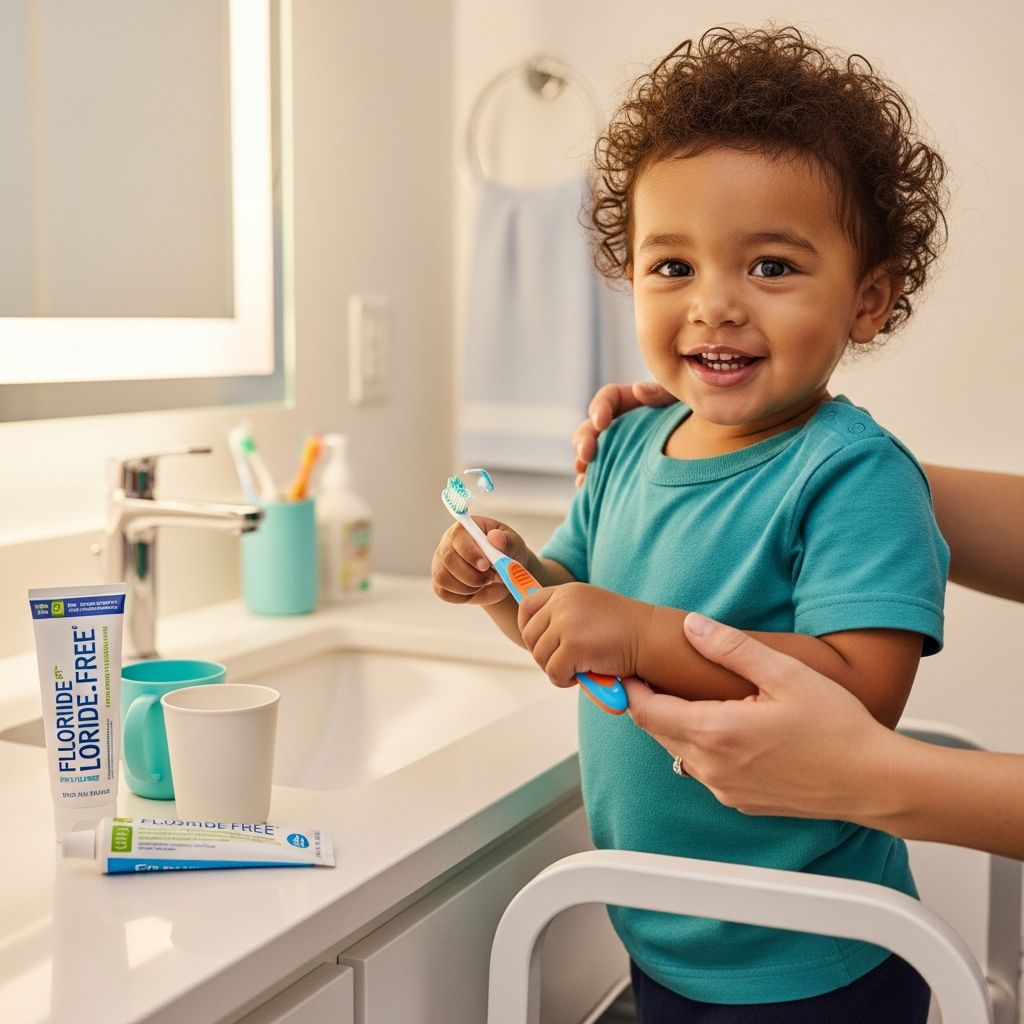
Parents should brush for children under 7, guiding hands for precision. Have kids feel teeth with their tongue post-brushing; smoothness indicates plaque removal.
Age-Specific Oral Care Strategies
Infants (0-2 Years)
For babies, parents handle all brushing. Use a smear of fluoride toothpaste on a soft brush or finger cloth. Brush twice daily: morning and night, without rinsing to retain fluoride benefits. Nighttime brushing before bed is critical, as saliva flow decreases during sleep, heightening decay risk.
Toddlers (3-6 Years)
Encourage independence while supervising closely. Pea-sized toothpaste, spit but no rinse. Make it fun with mirrors, timers, or songs to hit 2 minutes. Check for missed spots using plaque-disclosing tablets, which highlight residue in pink.
School-Age Kids (7+ Years)
Children can brush solo, but spot-check technique. Continue 2-minute sessions twice daily with higher fluoride pastes. Introduce flossing once adjacent teeth appear, ideally nightly.
Frequency and Timing for Optimal Results
Brush twice daily for 2 minutes: post-breakfast and pre-bedtime, avoiding snacks after. This timing combats overnight bacteria growth. In group settings like daycare, follow hygiene protocols: disposable cups for spitting, handwashing after.
For high-sugar diets, extra brushing or water rinses help, but consult a dentist.
Turning Brushing into a Fun Daily Ritual
Resistance is common; transform it with creativity. Use character-themed brushes, flavored toothpastes (mint-free for toddlers), or apps with brushing songs. Timers shaped like teeth or phones keep sessions engaging.
- Sing rhymes while brushing each quadrant.
- Let kids “chase” plaque monsters with the brush.
- Reward charts for consistent brushing.
- Model by brushing together, explaining steps.
Storytelling during sessions or post-brush stickers build excitement. Consistency trumps perfection—gentle positivity fosters lifelong habits.
Common Mistakes and How to Avoid Them
Many overlook inner surfaces or rinse too soon, diluting fluoride. Overloading toothpaste risks fluorosis (mottled enamel). Other pitfalls:
- Short sessions: Use timers.
- Rough brushing: Teach circles.
- Forgetting gums/tongues: Include gently.
- Storing wet brushes: Air-dry to prevent bacteria.
Regular dental visits from age 1 catch issues early.
Integrating Flossing and Additional Habits
Start flossing when teeth touch, using kid-sized flossers nightly. Water flossers aid older kids. Limit sugary drinks, encourage water, and avoid bedtime bottles.
Frequently Asked Questions (FAQs)
What if my child swallows toothpaste?
Small amounts are safe, but use minimal smears for under-3s and supervise spitting. If concerned, choose low-fluoride or consult a pediatric dentist.
How do I know if brushing is thorough?
Use plaque tablets or tongue test for smoothness. Teeth should feel clean, not gritty.
When should my child visit the dentist?
First visit by age 1 or first tooth. Annual check-ups thereafter.
Are electric toothbrushes better for kids?
They can be, for motivation and coverage, but manual works if technique is correct. Supervise always.
What if my toddler hates brushing?
Make it playful with songs, games, or choices (brush color). Lead by example and stay patient.
References
- Recommended Tooth Brushing Technique for Kids — Kids Smiles Dental. 2023. https://kidssmilesdental.com/blog/recommended-tooth-brushing-technique-for-kids/
- Children’s Teeth – Taking Care of Children’s Teeth — NHS. 2024-01-17. https://www.nhs.uk/live-well/healthy-teeth-and-gums/taking-care-of-childrens-teeth/
- Helping Children Brush Their Teeth — Head Start.gov. 2023. https://headstart.gov/oral-health/article/helping-children-brush-their-teeth
- Brushing and Toothpaste for Children — Children’s Hospital of Philadelphia. 2024. https://www.chop.edu/pages/brushing-and-toothpaste-children
- The Kid-Friendly Guide to Brushing Your Teeth and Avoid Cavities — Gentle Dental. 2023. https://gentledental.interdent.com/resources/kid-friendly-teeth-brushing-guide
- ADA Give Kids A Smile Toothbrushing Tips — American Dental Association. 2023-05-01. https://www.ada.org/-/media/project/ada-organization/ada/ada-org/files/resources/public-programs/give-kids-a-smile/ada-gkasts-eng_dental_professionals.pdf