Staring at a room overflowing with plastic and puzzle pieces, many parents quietly wish for gifts that don’t end up under the couch or in the donation bin. Non-toy gifts offer a way to delight kids while protecting your space, your sanity, and even your budget over time.
This guide shares practical, fun, and meaningful non-toy gift ideas for kids of different ages, along with tips for choosing the right experiences and answering common questions from relatives who “just want to give something they can unwrap.”
Why Fewer Toys Can Mean Happier Kids
Kids do not need a mountain of toys to feel loved; they need time, attention, and a few well-chosen activities that invite imagination. A simpler environment reduces overwhelm, encourages deeper play, and makes it easier for children to focus on what they already own.
Non-toy gifts also teach values that last: enjoying experiences over things, taking care of personal belongings, and finding joy in learning or exploring the world rather than just unboxing the next big trend.
Simple Framework for Choosing Non-Toy Gifts
Before jumping into ideas, it helps to use a simple decision framework so you can quickly spot which non-toy gifts are best for your child, your budget, and your space.
- Does it create memories? Prioritize gifts that involve a shared activity or a special place.
- Will they use it often? Think about daily or weekly routines: bath time, reading, sports, hobbies.
- Is it age-appropriate and safe? Match the complexity and independence level to your child.
- Can it replace a current “need”? Clothing, gear, or lessons they already need can double as exciting presents.
| Age Group | Best Non-Toy Gift Types | Clutter Level |
|---|---|---|
| Toddlers (1–3) | Practical items, simple experiences with caregivers, sensory activities | Very low |
| Preschool (3–5) | Outings, creative supplies, dress-up basics, simple subscriptions | Low |
| Early Elementary (6–8) | Classes, adventure passes, hobby kits, reading material | Low to moderate |
| Tweens (9–12) | Skill-based lessons, room upgrades, tech-free experiences, gear | Low to moderate |
| Teens (13+) | Experiences with friends, travel, specialized tools, digital resources | Low |
Experience Gifts: Memories Instead of Mess
Experience gifts are the backbone of a clutter-free approach because they disappear from your space but stay in your child’s memory. You can wrap them creatively with printed tickets, homemade coupons, or a small related item.
Consider building a yearly tradition of giving at least one experience per child, then taking photos and adding them to a special album or digital folder you revisit every year.
Local Adventures
- Day passes to a children’s museum, science center, or aquarium.
- Tickets to a zoo, wildlife park, or butterfly garden.
- Seasonal outings like pumpkin patches, ice skating, or holiday light festivals.
- Mini “tourist for a day” experience in your own city: a bus tour, ferry ride, or landmark visit.
Special Time With Loved Ones
- “Yes Day” voucher with clear boundaries where you say yes to a child’s reasonable activity choices.
- One-on-one breakfast date with a parent, grandparent, or godparent at a favorite café.
- Home movie night with snacks of their choice and a parent-approved film they pick.
- Cooking or baking day where they choose the menu and help prepare it.
Skill-Building Classes and Lessons
Classes and lessons give kids something to look forward to week after week while developing confidence and real-world skills. These gifts fit especially well for grandparents or relatives looking for a “big” present that lasts beyond the holidays.
You can offer a small, relevant physical item to wrap—like a new soccer ball or sketchbook—along with a card explaining the lessons they’ll attend.
Movement and Sports
- Swim lessons or a season on a local swim team.
- Gymnastics, dance, or martial arts classes.
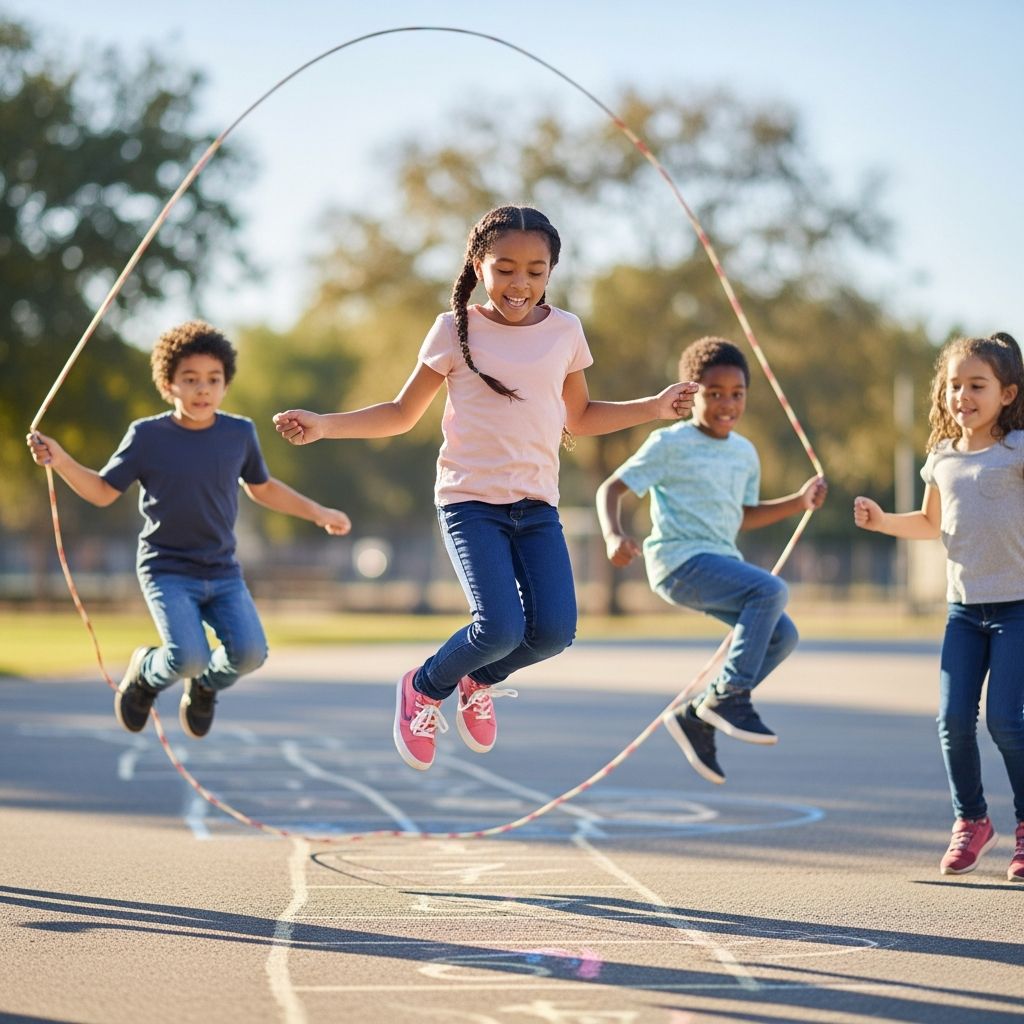
- Intro sessions for rock climbing, ice skating, or parkour.
- Recreational leagues for soccer, basketball, or baseball.
Creative and Academic Skills
- Art classes (drawing, painting, pottery, or mixed media).
- Music lessons for piano, guitar, violin, or voice.
- Coding or robotics clubs for tech-curious kids.
- Writing, chess, or math enrichment workshops for kids who love a challenge.
Subscriptions and Memberships That Keep Giving
Subscriptions and memberships turn a single gift into a year-long experience. Every new delivery or visit becomes a reminder of the person who gave it, and many options can be shared among siblings.
Choose a duration that fits your budget—one season, six months, or a full year—and include a short note explaining how often they’ll receive something new.
Monthly Mail Kids Actually Read
- Educational magazines about nature, science, or geography.
- Age-appropriate book subscription boxes that send curated reads.
- Hands-on project kits focused on art, STEM, or world cultures.
Memberships to Local Spots
- Family membership to a zoo, museum, botanical garden, or aquarium.
- Season pass to a local amusement park or trampoline park.
- Annual pass to a state or national park system for regular hikes and picnics.
Practical Gifts Kids Are Proud to Own
Practical items don’t need to be boring; with a bit of thought, ordinary things become exciting because they signal a new level of responsibility or independence. When you upgrade something they already use daily, the gift gets constant appreciation instead of collecting dust.
Look for colors, patterns, or features that reflect your child’s personality—this turns a basic object into “my special one” instead of just another household item.
Everyday Essentials with a Twist
- Colorful bedding that matches their current interests or favorite colors.
- A high-quality backpack or duffel bag for school, sleepovers, and activities.
- Personalized water bottles, lunch boxes, or snack containers.
- Fun bath towels, robes, or slippers that make routines more enjoyable.
Gear for Big-Kid Responsibilities
- A first watch or simple alarm clock for learning time management.
- Headlamp or reading light for cozy evening reading sessions.
- Own set of gardening tools, work gloves, or kid-safe tools for DIY projects.
- Sturdy, age-appropriate luggage for trips and sleepovers.
Gifts That Encourage Creativity and Learning
Some physical gifts deserve a place in a clutter-conscious home because they act more like open-ended tools than short-lived toys. These items tend to support creativity, curiosity, and independent problem-solving.
Choose options with many possible uses rather than single-purpose gadgets, and store them in labeled bins or caddies so kids can easily clean up and reuse them.
Creative Tools
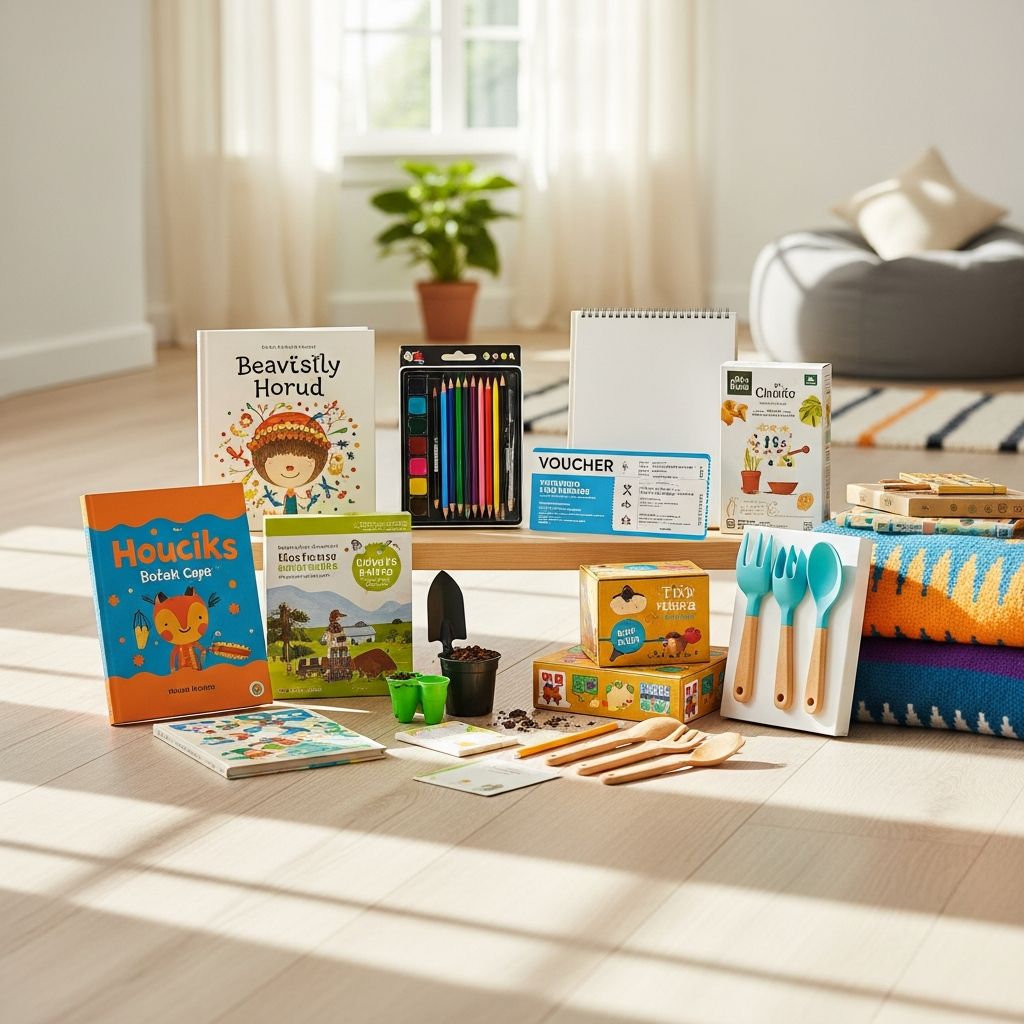
- Quality art supplies: sketchbooks, watercolor sets, colored pencils, and washable markers.
- Craft kits that result in something wearable or usable, like jewelry, bags, or décor.
- Journals, story notebooks, or comic book templates for budding writers and illustrators.
- Musical instruments sized for kids, such as ukuleles or beginner keyboards.
Discovery and Nature Tools
- Binoculars, magnifying glass, or beginner microscope for exploring the outdoors.
- Bug catchers, bird feeders, or simple gardening kits.
- Star charts, glow-in-the-dark constellations, or a basic telescope for night sky watching.
- Simple science experiment sets focused on chemistry, physics, or engineering basics.
Big-Ticket Non-Toy Gifts to Share
For families who prefer fewer, more impactful gifts, larger shared items can combine the efforts of multiple relatives. These present opportunities for outdoor play, family bonding, and long-term use rather than one-day excitement.
Coordinate in advance so givers understand that their contribution is part of a meaningful, lasting present rather than a stand-alone toy.
- Outdoor play structures, swings, or climbing frames.
- Bikes, scooters, skateboards, or rollerblades with proper safety gear.
- Family tent, camping gear, or a backyard hammock.
- Musical instruments, sports equipment sets, or a beginner photography kit.
Meaningful Keepsakes and Tradition-Based Gifts
Not every gift needs to be active; some of the most treasured presents are the quiet ones that hold family stories and traditions. These items may not be used daily, but they become emotional anchors kids remember well into adulthood.
Introduce keepsake gifts gradually so they feel special, not overwhelming, and explain the meaning behind each one in a simple, age-appropriate way.
- Personalized ornaments or holiday items added to their collection each year.
- Photo books capturing the previous year’s highlights.
- A memory box for storing letters, drawings, and small mementos.
- Charm bracelet, engraved jewelry, or framed artwork with a note from the giver.
How to Present Non-Toy Gifts So Kids Get Excited
One common concern is that kids will be disappointed if they cannot immediately play with a “thing.” Presentation makes a huge difference, especially for younger children who respond strongly to visual cues and surprises.
Whenever possible, pair an abstract gift (like a class or membership) with something tangible, and use storytelling to paint a picture of what the experience will feel like.
Presentation Ideas
- Create a simple certificate or “ticket” on colorful paper, placed inside a small box.
- Wrap a related object: goggles for swim lessons, a whisk for cooking class, or a map for a day trip.
- Use a scavenger hunt with clues that lead to the final envelope or announcement.
- Make a short video message explaining the experience and play it as part of the reveal.
FAQ: Making Non-Toy Gifts Work for Your Family
Will my child miss having “real presents” to open?
Most children still enjoy opening something, so aim for a mix: one or two non-toy gifts supported by a small, meaningful physical item. The excitement often comes from the ritual of unwrapping and the promise of time together rather than the size of the package.
How do I talk to relatives who love buying toys?
Share that you are trying to simplify your home and would love their help by focusing on experiences or practical items. Offering a short, specific list of non-toy ideas makes it easier for them and helps them feel confident that their gift will be appreciated.
Are non-toy gifts cheaper than toys?
Some non-toy options, like memberships or lessons, can cost more up front but often provide value over months instead of hours. You can also choose low-cost experiences—such as park picnics, home movie nights, or library events—that rely more on creativity than money.
What about very young kids who don’t understand delayed rewards?
Toddlers and preschoolers benefit from tangible items they can use immediately, so pair experiences with something concrete. For example, wrap a small shovel with a note about future gardening days, or a special cup they’ll use on upcoming café dates with a parent.
How many non-toy gifts are ideal?
There is no perfect number, but many families find a simple structure helpful—such as one experience, one practical item, and one open-ended tool for creativity or learning. The key is choosing presents that will genuinely be used, rather than aiming for a specific count.
Putting It All Together
Non-toy gifts do more than reduce clutter; they shape how children understand joy, generosity, and what it means to feel truly seen. By focusing on experiences, skills, and thoughtfully chosen items, you offer your child something that lasts far beyond the holiday season or birthday party.
Start small—swap just one or two traditional toys for non-toy alternatives this year—and adjust based on how your family responds. Over time, you may find that what your children remember most are the days you spent together, not the boxes that filled their shelves.