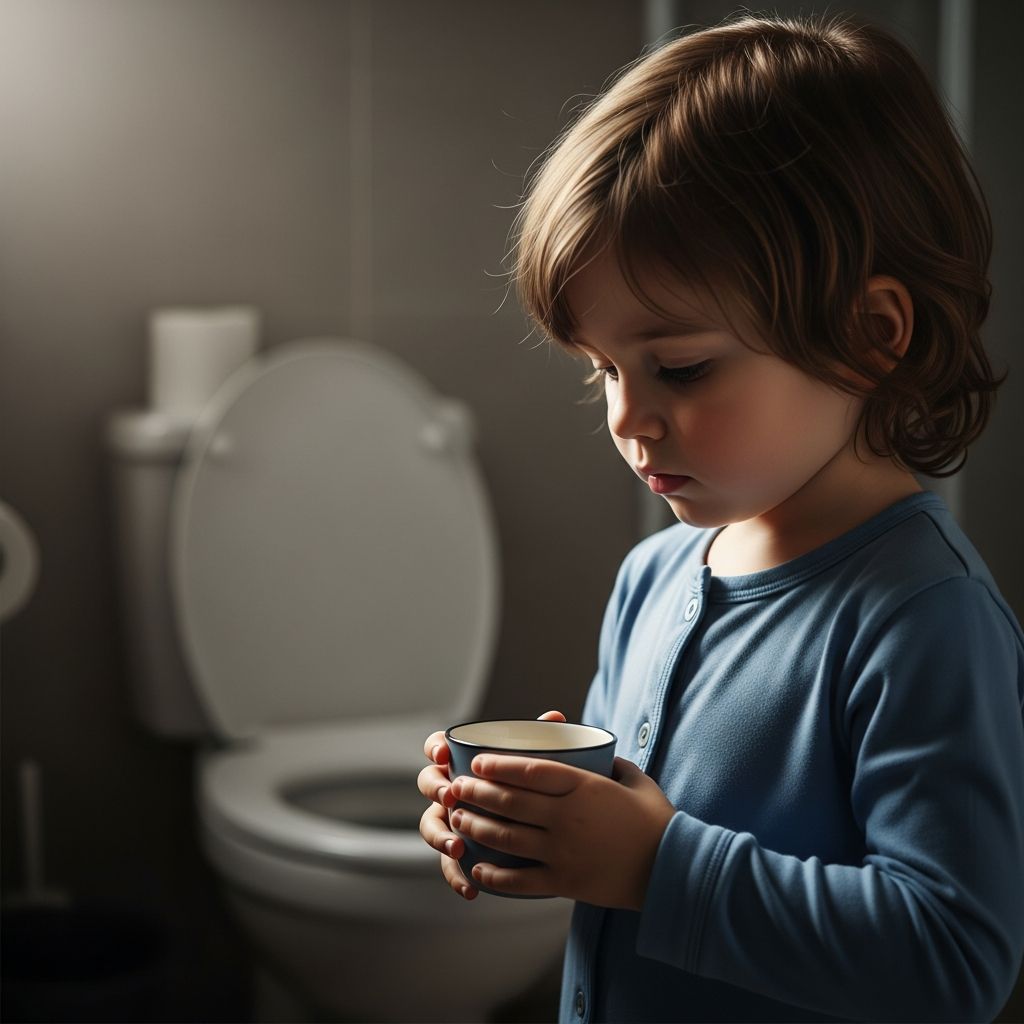
Bullying can shake a child’s confidence, disrupt learning, and leave emotional scars that last well beyond childhood. This guide explains what bullying is, how to spot it, and what parents can do to protect and empower their children.
What Bullying Really Looks Like Today
Bullying is more than occasional teasing or a one-time argument. It involves repeated, intentional behavior where one child misuses power—physical, social, or emotional—to hurt or control another child. Power can come from size, popularity, age, access to information, or even technology.
Understanding the different ways bullying shows up helps parents respond early, before patterns become deeply entrenched and harder to change.
Main Types of Bullying
- Physical bullying: Hitting, kicking, tripping, pushing, or damaging belongings.
- Verbal bullying: Name-calling, threats, insults, or cruel jokes aimed at hurting feelings or identity.
- Social/relational bullying: Spreading rumors, excluding a child from activities, or turning friends against them.
- Cyberbullying: Hurtful messages, posts, images, or rumors shared by phone, gaming platforms, or social media.
Many children experience more than one type of bullying at the same time, especially when online cruelty amplifies what happens in person.
How Bullying Affects Children
Bullying impacts far more than a child’s mood on a bad day. It can affect mental health, school performance, social development, and physical well-being. These effects can show up quickly or build slowly over time.
Common Emotional and Behavioral Effects
- Increased sadness, anxiety, or anger that seems out of proportion to daily events.
- Withdrawal from friends, family activities, or hobbies once enjoyed.
- Sudden outbursts at home, irritability, or unusual defiance.
- Preoccupation with what others think; intense fear of embarrassment or humiliation.
School and Physical Consequences
- Reluctance to go to school, frequent requests to stay home, or “mystery” illnesses before school.
- Falling grades, difficulty concentrating, or loss of interest in learning.
- Headaches, stomachaches, trouble sleeping, or nightmares without obvious medical cause.
- Changes in eating habits, such as skipping meals or overeating for comfort.
Left unaddressed, bullying can increase risk for long-term anxiety, depression, and ongoing problems with trust and relationships. Early, thoughtful intervention is critical.
Snapshot: Possible Effects of Bullying
| Area of life | Possible short-term effects | Possible long-term risks |
|---|---|---|
| Emotional | Shame, fear, sadness, irritability | Chronic anxiety, low self-esteem, depression |
| Social | Isolation, losing friends, fear of peers | Difficulty trusting others, avoiding relationships |
| School | Absences, poor focus, slipping grades | Lower academic achievement, limited opportunities |
| Physical | Headaches, stomachaches, sleep problems | Stress-related health issues, ongoing sleep disturbances |
Warning Signs Your Child May Be Bullied
Some children speak up quickly when they are hurt. Others stay silent out of fear, shame, or worry about making things worse. Watching for changes in behavior can help parents spot trouble early.
Changes You Might Notice at Home
- Unexplained injuries, torn clothing, or missing belongings.
- Sudden refusal to ride the bus, walk a certain route, or attend specific activities.
- More time alone in their room, less interest in friends or family time.
- Unusual mood swings after checking messages, gaming, or social media.
School-Related Red Flags
- Frequent calls from the nurse’s office about minor illnesses.
- Ongoing worries about lunch, recess, or group projects.
- Unexpected changes in friend groups or being left out of social events.
- Teachers reporting your child looks distracted, tired, or unusually quiet.
No single sign proves that bullying is happening, but a cluster of changes—especially if they appear suddenly—deserves calm, focused attention.
Starting the Conversation With Your Child
When parents sense something is wrong, the urge to “fix it” quickly is strong. But the first step is creating a safe, nonjudgmental space where your child feels heard instead of pressured.
How to Ask Without Pushing
- Choose a relaxed moment, such as in the car, on a walk, or at bedtime, when eye contact is optional and pressure is low.
- Use open-ended questions like “What’s the hardest part of your day right now?” rather than “Is someone bullying you?”
- Reflect what you hear: “It sounds like you feel left out at lunch” instead of rushing to solutions.
- Thank them for sharing, even if they only reveal a small piece of the story.
What Children Need to Hear
- That bullying is never their fault, even if they froze, cried, or did not respond “perfectly.”
- That they are not alone—trusted adults are ready to listen, believe, and act.
- That telling an adult is an act of courage, not “tattling” or weakness.
- That there are several options to explore together, not just one “right” way to respond.
A calm, steady tone sends the message that problems can be handled and that home is a safe place to bring big feelings.
When and How to Get the School Involved
Parents sometimes hesitate to call the school, worrying their child will be targeted even more. However, schools have a responsibility to keep students safe and usually want to partner with families to address bullying effectively.
Preparing Before You Reach Out
- Write down what your child describes, including dates, times, locations, and names if your child is comfortable sharing them.
- Note any changes in sleep, appetite, mood, or school performance.
- Save screenshots or photos of any digital messages that feel threatening or cruel.
- Talk with your child about what you plan to share and what outcome they hope for.
Talking With Teachers and Administrators
- Start with the staff member who knows your child best—a teacher, counselor, or advisor—then involve administrators as needed.
- Describe behaviors, not labels: what is happening, how often, and how it affects your child.
- Ask about the school’s policies, reporting procedures, and supervision during unstructured times like recess and lunch.
- Request a follow-up plan that includes specific steps, timelines, and a way to check in on progress.
After meetings, update your child on what was discussed, focusing on concrete changes (such as seating adjustments or closer supervision) rather than promises alone.
Helping Your Child Respond Safely
Children do not need to handle bullying alone. Still, practicing a few simple responses can help them feel more in control while adults work on the bigger picture.
Skills to Practice Together
- Using confident body language: Standing tall, looking ahead, and speaking in a clear, steady voice when possible.
- Short verbal responses: Phrases like “Stop,” “That’s not OK,” or “I’m not doing this” can signal boundaries.
- Leaving unsafe situations: Walking toward a group of peers, a trusted adult, or a more public space.
- Seeking help quickly: Identifying safe adults at school, on the bus, or in activities who are prepared to intervene.
What Children Should Not Be Expected to Do
- They should not have to “fight back” physically to gain respect.
- They should not be told to simply ignore ongoing harassment that is clearly upsetting them.
- They should not keep dangerous or escalating situations a secret to protect someone’s reputation.
- They should not be blamed for not responding “perfectly” in a frightening moment.
Rehearsing simple strategies in a calm moment—through role-play or “what if” scenarios—can help kids feel more prepared when real situations arise.
Special Considerations for Cyberbullying
Because phones and devices follow children everywhere, cyberbullying can feel inescapable. Hurtful content can spread rapidly, and a child may feel humiliated even outside of school.
Digital Safety Steps for Families
- Establish family rules for devices, including what to share, when to use them, and what to do if something upsetting appears.
- Encourage your child to avoid responding to hurtful messages in anger, which can intensify conflicts.
- Help them block and report abusive accounts on platforms they use.
- Save evidence—screenshots, time stamps, and usernames—before blocking, in case the school or other authorities need documentation.
Balancing Privacy and Supervision
- Have honest conversations about why you may periodically check devices, focusing on safety rather than spying.
- Encourage them to show you or another trusted adult messages that feel confusing, threatening, or embarrassing.
- Make it clear that if they are in trouble online, your first priority is protection, not punishment for breaking minor rules.
Children are more likely to reach out for help with online issues if they believe doing so will bring support, not instant loss of all technology.
Supporting Emotional Recovery and Resilience
Stopping bullying behavior is only part of the work. Children also need help healing from the emotional impact and rebuilding a sense of safety and confidence.
Everyday Ways to Rebuild Confidence
- Point out specific strengths—kindness, creativity, persistence—rather than vague praise.
- Encourage activities where your child feels competent: sports, art, music, coding, volunteering, or clubs.
- Schedule regular one-on-one time that is about enjoyment, not problem-solving, to reinforce a secure connection.
- Help them practice positive self-talk, such as “What happened to me was not my fault” or “I deserve respect.”
When Professional Help Can Make a Difference
- If your child’s sleep, appetite, school attendance, or mood has been affected for more than a few weeks.
- If they express feelings of worthlessness, hopelessness, or thoughts of self-harm.
- If they avoid most social contact, even with previously trusted friends or family.
- If you feel overwhelmed and unsure how to respond despite your best efforts.
Therapists who specialize in working with children and adolescents can help them process what happened, learn coping skills, and gradually rebuild trust in others.
Helping Children Avoid Becoming Bullies
Children who bully others also need guidance and support. They may be copying behavior they have seen, struggling with their own pain, or experimenting with power in unhealthy ways.
Signs Your Child May Be Hurting Others
- Frequent complaints from peers about teasing, exclusion, or aggressive behavior.
- Minimizing the impact of their actions with phrases like “It was just a joke.”
- Enjoying control over peers or reacting with anger when challenged.
- Using threats or social pressure to get their way.
Guiding Children Toward Healthier Behavior
- Take concerns seriously; avoid automatically dismissing reports as exaggeration.
- Explain clearly that bullying is unacceptable and outline specific, consistent consequences.
- Help them practice empathy by talking through how others might feel in the situations they create.
- Model respectful conflict resolution at home, showing how to disagree without insults or threats.
Working with school counselors or mental health professionals can help address underlying issues and prevent patterns from continuing into later life.
Frequently Asked Questions About Bullying
Is all teasing considered bullying?
No. Lighthearted teasing between friends who share equal power and can both laugh and stop at any time is different from bullying. Bullying involves an imbalance of power, repeated harm, or clear intent to humiliate or control another child.
Should my child try to handle bullying alone?
Children should not be expected to manage ongoing bullying by themselves. While learning assertive skills is valuable, adults are responsible for ensuring a safe environment at school, online, and in activities.
What if my child begs me not to tell the school?
Many children fear retaliation or embarrassment. Acknowledge that fear, explain that safety is the top priority, and involve them in planning what to share and with whom. Sometimes starting with a school counselor or trusted teacher feels less overwhelming than going straight to an administrator.
Can bullying really affect mental health long term?
Yes. Persistent bullying can contribute to long-lasting problems with self-esteem, anxiety, depression, and difficulty trusting others. Early support and intervention significantly reduce the risk of lasting harm.
What should I do if I am not satisfied with the school’s response?
If problems continue, document ongoing incidents and request additional meetings with higher-level administrators or the school board as appropriate. You can also consult pediatricians or mental health professionals for guidance and support your child through outside counseling.
Creating a Culture of Kindness at Home
Ultimately, preventing and addressing bullying is not just about reacting to individual incidents. It is about teaching children to value kindness, respect differences, and stand up for others when something is wrong.
Practical Ways Families Can Help
- Talk regularly about empathy and fairness using stories, news events, or examples from daily life.
- Celebrate acts of kindness—big or small—just as much as grades or achievements.
- Encourage children to include classmates who are new, quiet, or often left out.
- Model how to apologize sincerely and repair harm when mistakes are made.
When children see respect and compassion practiced consistently at home, they are more likely to carry those values into school, friendships, and eventually their adult lives.