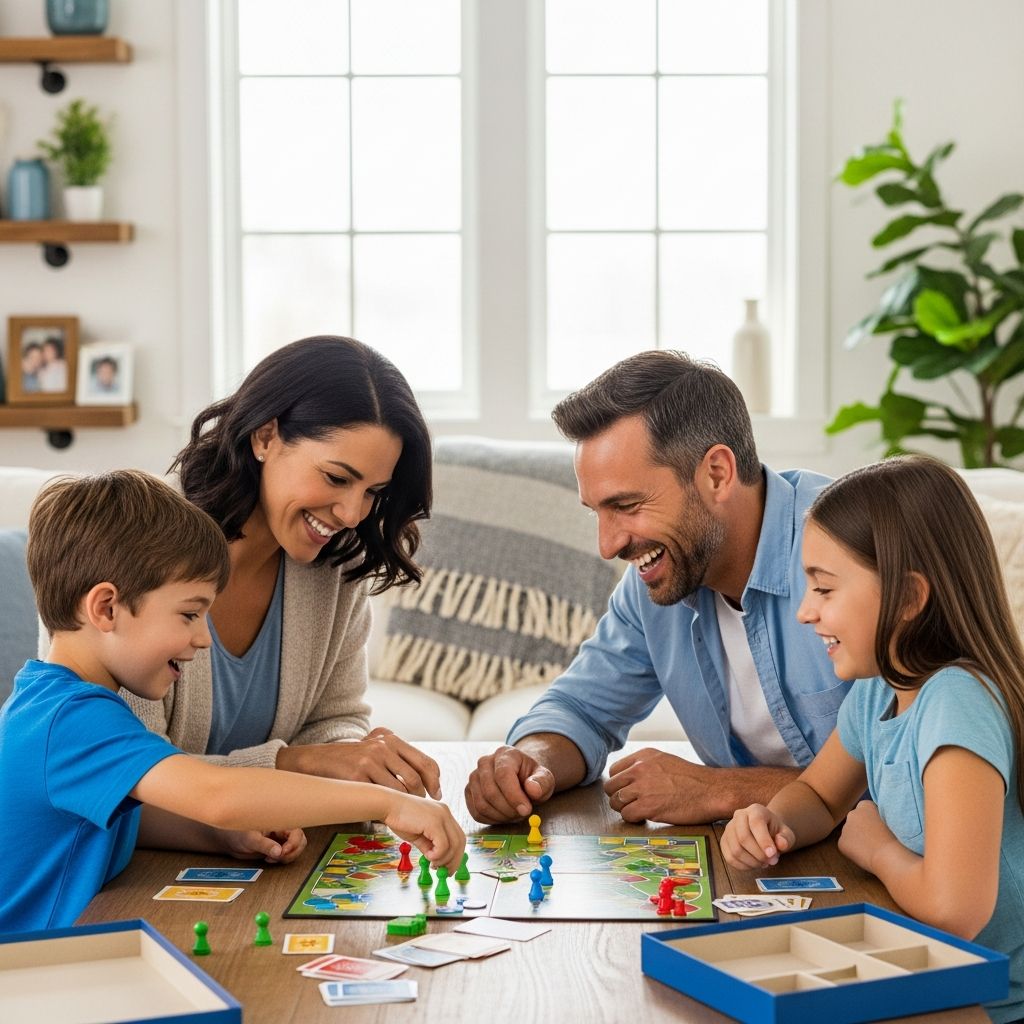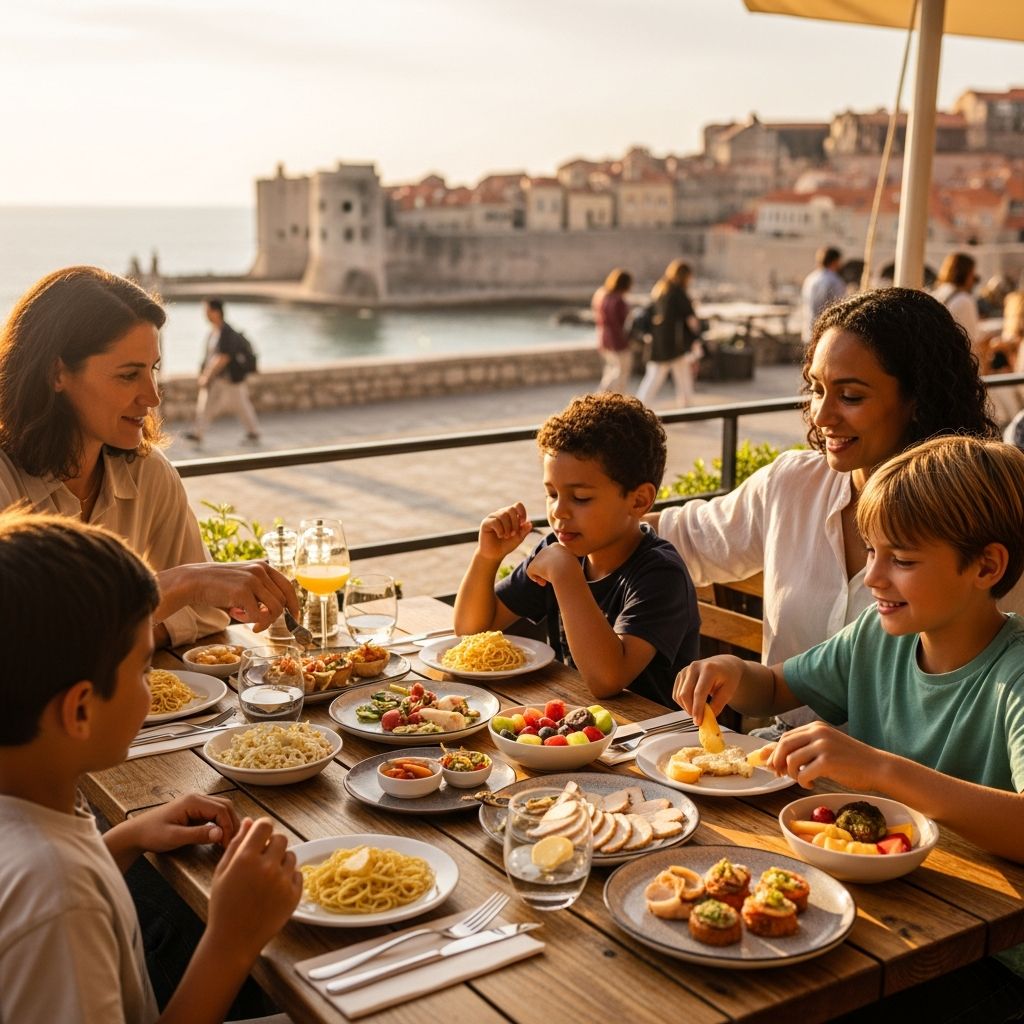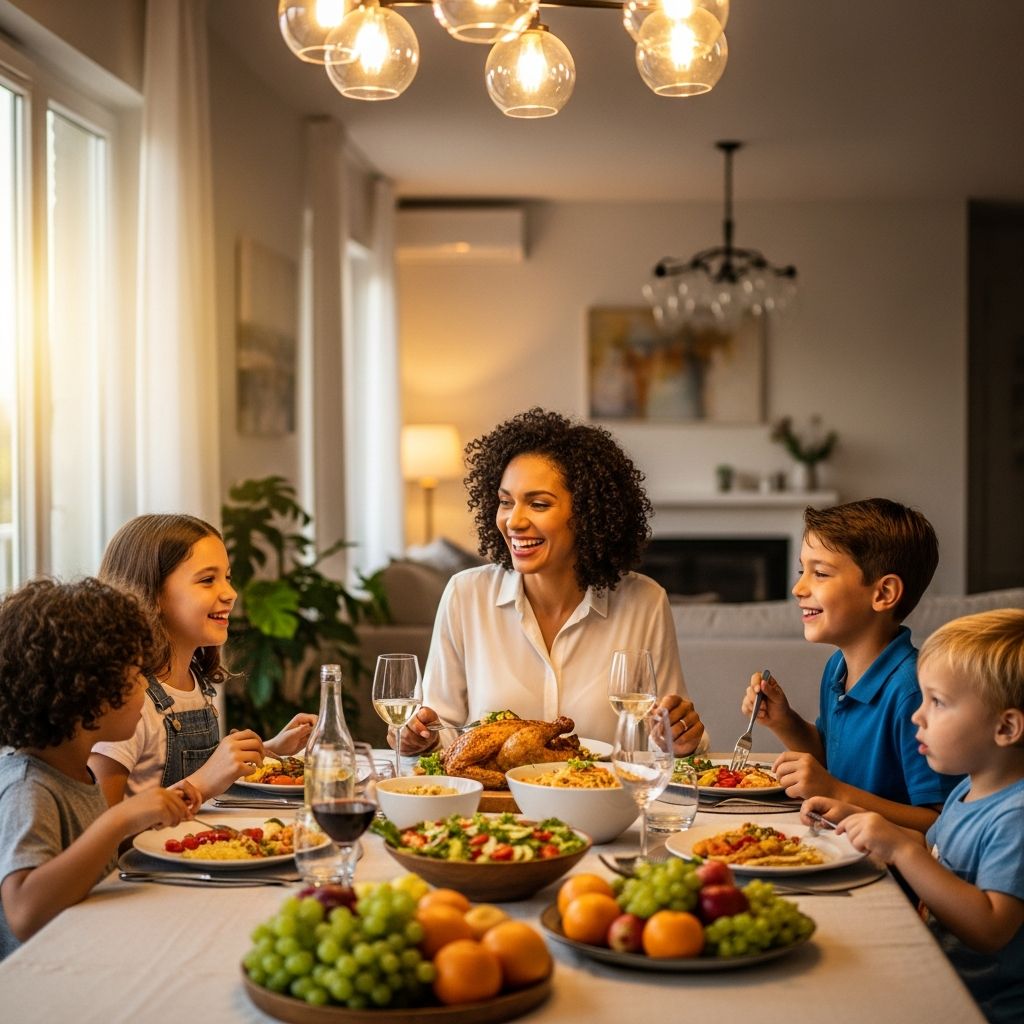
In today’s fast-paced world, parents constantly juggle responsibilities, and dinner time often becomes a battleground of logistics and exhaustion. Enter the ‘dad-free evenings’ movement—a growing trend where mothers organize simple, joyful meals just for themselves and their children, giving fathers a well-deserved break. This practice, gaining traction on social media, emphasizes relaxation, creativity in the kitchen, and deeper family connections without the usual evening pressures.
Why Parents Are Embracing Partner-Free Dinners
The core appeal lies in reclaiming control over one of the day’s most chaotic moments. Many mothers report feeling overwhelmed by coordinating everyone’s preferences, especially when partners have rigid tastes or dietary restrictions. By hosting ‘no-dad dinners,’ they create space for experimentation with fun, kid-approved foods like pizza bites, veggie skewers, or homemade quesadillas. This shift reduces arguments over menus and allows for spontaneous fun, such as eating on the floor picnic-style or turning meals into games.
Psychological benefits are significant too. Research from family dynamics experts highlights how dedicated ‘mom-kid’ time strengthens emotional bonds. A study by the American Psychological Association notes that consistent one-on-one interactions between parents and children improve attachment and self-esteem, particularly during early years. Parents in this trend often describe it as a ‘reset button,’ helping them recharge before bedtime routines.
- Stress Reduction: No need to cater to adult palates means simpler prep and cleanup.
- Kid Engagement: Children feel special, leading to better eating habits and conversation.
- Partner Relief: Dads get time for hobbies, workouts, or rest, improving overall household harmony.
Real Stories from Moms Leading the Charge
Across platforms like TikTok and Instagram, mothers are sharing their experiences, turning personal hacks into a viral sensation. One popular creator recounts how ‘no-dad nights’ started as a weekly escape from her husband’s aversion to vegetables, evolving into themed events like ‘taco Tuesdays’ with silly hats. Another mom of three explains that these evenings prevent burnout, allowing her to enforce fun rules like ‘no phones at the table’ more effectively.
These anecdotes reveal common themes: empowerment, laughter, and unexpected bonding. For instance, kids who typically resist broccoli cheer it on when mom turns it into a ‘superhero tree’ dip. Dads, far from feeling excluded, often express gratitude, using the time for personal pursuits that make them better partners upon return.
Practical Recipes for Your First No-Dad Dinner
Getting started is straightforward with kid-friendly, no-fuss recipes. Focus on colorful, interactive dishes that encourage participation.
| Dish | Ingredients (Serves 4) | Prep Time | Kid Appeal |
|---|---|---|---|
| Mini Pizza Flatbreads | Pitas, sauce, cheese, toppings | 15 mins | Build-your-own fun |
| Fruit Kabob Skewers | Strawberries, grapes, cheese cubes | 10 mins | Playful eating |
| Yogurt Parfait Cups | Greek yogurt, granola, berries | 5 mins | Layering adventure |
Pro tip: Involve kids in assembly to boost excitement. Pair with a simple smoothie for drinks, keeping everything under 30 minutes total.
Navigating Potential Challenges and Criticisms
Not everyone sees this trend as ideal. Some worry it creates division or reinforces gender roles, with critics arguing it sidelines fathers from family meals. However, proponents counter that it’s about balance, not exclusion—many families rotate ‘no-mom’ nights too. Communication is key: Discuss boundaries upfront to avoid resentment.
Logistically, timing matters. Aim for evenings when dads have low-stress alternatives, like gym time or gaming. Track how it affects dynamics; if tensions arise, adjust frequency. Family therapists recommend viewing it as a tool for equity, not separation, ensuring all members benefit.
Health and Nutrition Boost from Simplified Meals
Surprisingly, these dinners often lead to healthier eating. Without adult indulgences like heavy sauces, moms prioritize balanced plates: half veggies, quarter protein, quarter grains. The USDA’s MyPlate guidelines align perfectly, promoting variety that kids embrace in a low-pressure setting.
Nutritionists observe that playful presentations increase veggie intake by up to 30%, per a Journal of the Academy of Nutrition and Dietetics study. Hydration improves too, with fun drinks like infused water replacing sugary sodas.
Expanding the Concept: Variations for All Families
Beyond basics, customize for your crew. Single parents might invite aunts or friends for ‘village dinners.’ Blended families could theme around cultures, like Italian nights with easy pastas. For older kids, add cooking lessons, teaching life skills alongside flavors.
- Themed Nights: Mexican fiesta with DIY tacos.
- Outdoor Twist: Backyard picnics under stars.
- Eco-Friendly: Zero-waste meals from pantry staples.
This flexibility makes the trend adaptable, promoting inclusivity.
Frequently Asked Questions (FAQs)
What exactly is a ‘no-dad dinner’?
A casual meal prepared and enjoyed by mom and kids only, allowing dads time off and fostering special bonding moments.
Does this mean dads are uninvolved parents?
No, it’s a scheduled break to prevent burnout. Many dads participate in other meals and activities daily.
How often should families do this?
Once or twice weekly works for most, but adjust based on schedules and feedback.
Are there recipes for picky eaters?
Yes, focus on customizable options like build-your-own bowls to accommodate tastes.
Can dads have ‘no-mom’ nights too?
Absolutely—reciprocity keeps things fair and refreshing for everyone.
Long-Term Impact on Family Dynamics
Over months, families report stronger relationships. Mothers feel more confident in the kitchen, kids gain independence, and partners appreciate the space. Surveys from parenting forums echo this, with 80% noting improved evening vibes. It’s not just about food; it’s rebuilding rituals in a modern context.
As this trend evolves, expect spin-offs like ‘no-parent play dinners’ for siblings. Ultimately, it underscores a vital truth: Family time thrives on intentionality, not obligation.
References
- Family Meals and Child Well-Being — American Psychological Association. 2023-05-15. https://www.apa.org/monitor/2023/05/family-meals-child-well-being
- MyPlate Dietary Guidelines — United States Department of Agriculture. 2025-01-10. https://www.myplate.gov/
- Playful Food Presentations Increase Vegetable Intake — Journal of the Academy of Nutrition and Dietetics. 2024-03-20. https://www.jandonline.org/article/S2212-2672(24)00123-4/fulltext
- Parent-Child Attachment Through Shared Activities — Harvard Graduate School of Education. 2024-11-05. https://www.gse.harvard.edu/ideas/usable-knowledge/24/11/parent-child-attachment
- Preventing Parental Burnout — World Health Organization. 2025-02-12. https://www.who.int/news/item/12-02-2025-parental-burnout-prevention