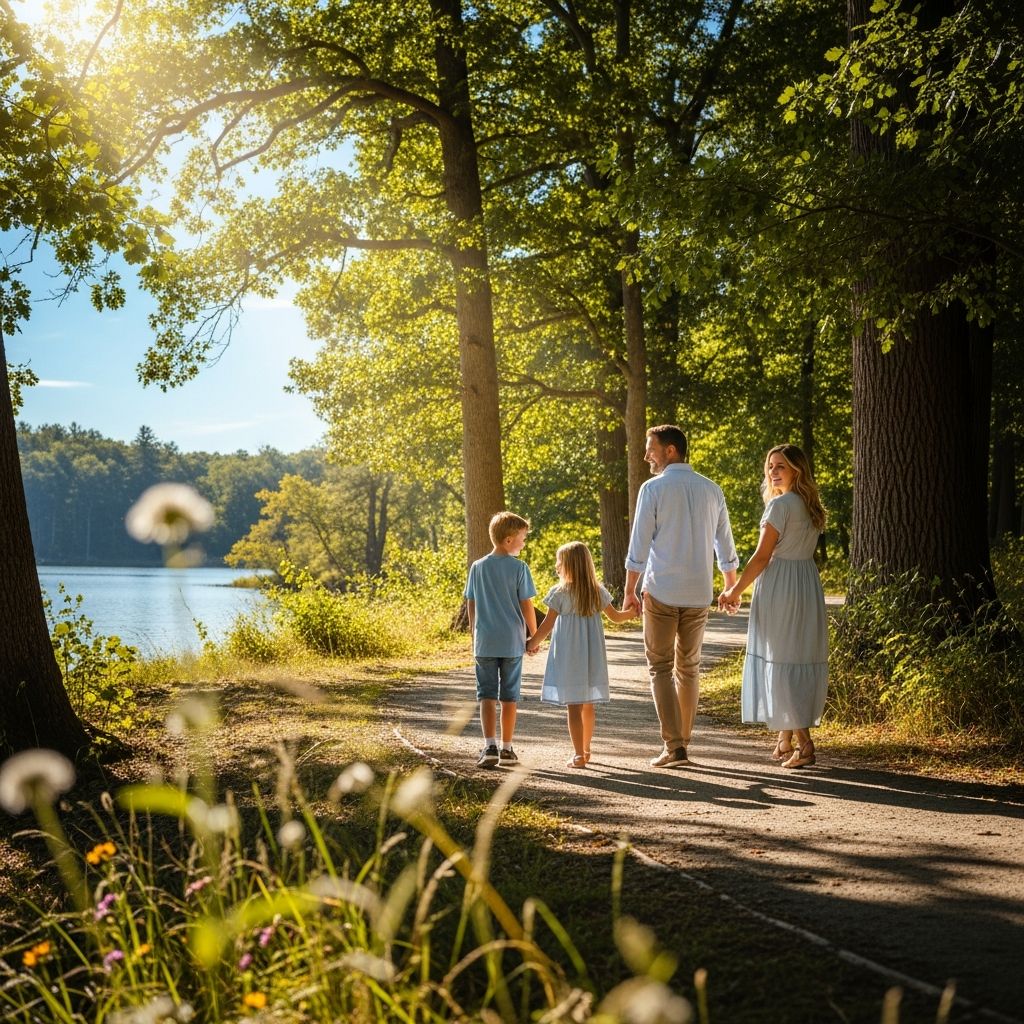
Regular walks with family members provide a straightforward yet profound way to enhance physical well-being, nurture emotional connections, and establish cherished routines that last a lifetime. These outings require no special equipment or planning, making them accessible to households of all sizes and ages.
Physical Advantages for Every Generation
Walking stands out as a low-impact exercise suitable for children, parents, and grandparents alike. Brisk pacing elevates heart rates, supporting cardiovascular health and aiding weight management efforts. For growing kids, consistent movement counters the rise in sedentary behaviors, with data showing only a fraction of school-aged children meeting basic activity recommendations.
- Improves cardiovascular endurance through steady, moderate exertion.
- Strengthens muscles and bones without joint strain.
- Boosts immune function via increased circulation and vitamin D exposure from sunlight.
- Promotes better sleep patterns, essential for cognitive development in youth.
Families can adapt paces and distances to match fitness levels, ensuring inclusivity. Research from extension services highlights walking’s role in sustaining long-term motivation when done collectively, turning exercise into a shared pursuit rather than a solitary chore.
Emotional and Mental Rewards of Shared Steps
Beyond the body, family walks cultivate mental resilience and relational depth. The side-by-side motion reduces eye contact pressure, encouraging shy or introspective children to share thoughts freely. Without digital interruptions, conversations flow naturally, revealing insights into daily experiences and budding imaginations.
| Benefit | Impact on Family | Supporting Evidence |
|---|---|---|
| Enhanced Communication | Side-by-side talking eases vulnerability | Preschoolers open up during movement |
| Stress Reduction | Lowers cortisol through nature exposure | Decreases family tensions |
| Mood Elevation | Endorphin release improves happiness | Daily walks combat sedentary blues |
Parents report these moments as pivotal for bonding, especially in early infancy when carrying a baby fosters immediate closeness. The rhythmic sway and fresh air create calming rituals that imprint vividly in memory.
Overcoming Hurdles to Get Everyone Moving
Initiating family walks often meets resistance from screen-enticed kids or time-strapped adults. Transitioning from indoor inertia demands gentle persistence. Start small—10-minute loops around the block—and build gradually, framing outings as adventures rather than obligations.
- Prioritize low-commitment routes near home to minimize excuses.
- Involve children in route selection for ownership.
- Pack light snacks or treasures hunts to spark enthusiasm.
- Embrace aimless wandering over rigid destinations for relaxation.
Consistency transforms reluctance into habit. Families committing to daily strolls note improved cooperation and fewer indoor conflicts, as physical activity channels energy positively.
Practical Strategies for Memorable Outings
To maximize enjoyment, infuse walks with purpose and variety. Theme them around seasons—leaf hunts in fall, birdwatching in spring—or local landmarks for educational twists. Journaling progress, from distances covered to discoveries made, reinforces achievements and anticipation.
- Schedule fixed times, like post-dinner or weekend mornings.
- Stretch as a group to build ritual and prevent injuries.
- Track steps via free apps for gamification.
- Cool down with shared reflections on highlights.
These tactics, drawn from grandfamily programs, adapt easily to nuclear units, fostering intergenerational ties even in urban settings.
From Infant Carries to Toddler Treks: Evolving Traditions
Family walking begins intimately, with newborns nestled against a parent’s chest. These initial jaunts imprint sensory details—the scent of baby hair, urban curiosities viewed anew—laying groundwork for expansive explorations.
As toddlers gain mobility, dynamics shift to playful chases and discoveries. Parents navigate whines of ‘how far?’ by emphasizing the journey’s joy. Over time, children internalize the value, requesting walks independently. This evolution mirrors broader life lessons in presence and detachment from daily grind.
Health Data: Why Walking Wins for Families
Official guidelines underscore walking’s efficacy. The CDC advocates 60 minutes daily for kids, achievable via family integration. Studies link regular ambulation to reduced obesity risks, sharper focus, and fortified family units.
Incorporate brisk elements for cardio gains, slowing for chats. Multi-generational data from Penn State Extension affirms adaptability across ages, enhancing community awareness too.
Real-Life Transformations Through Pacing Together
Anecdotes abound of walks mending divides. One father recalls grandfather-led routines instilling discipline and delight, now perpetuated with his brood. Others highlight pandemic-era commitments yielding deeper unity amid isolation.
Chesterbrook Academy notes preschoolers’ vocabularies blooming mid-stride, as queries about surroundings spark dialogues. Such organic learning outpaces structured lessons, blending fun with growth.
Frequently Asked Questions (FAQs)
What if my kids resist walking?
Begin with short, enticing trips and let them lead route choices. Gamify with scavenger hunts; resistance fades as fun emerges.
How often should we walk?
Aim for daily 20-30 minutes, aligning with child activity guidelines. Consistency trumps intensity.
Is walking enough exercise for adults?
Yes, 150 weekly minutes of moderate walking meets federal standards, amplified by family motivation.
What gear do we need?
Comfortable shoes and weather-appropriate layers suffice. Baby carriers extend accessibility for infants.
Can walks help with family conflicts?
Absolutely—movement diffuses tension, fostering calmer talks away from home stressors.
Long-Term Legacy of Stepping Out Together
Family walks transcend momentary exercise, weaving into identity. They teach detachment in connectivity’s age, prioritizing presence over productivity. Children absorb lessons in health, conversation, and simplicity, carrying traditions forward.
Ultimately, these unassuming rituals yield profound returns: fitter bodies, fortified hearts, enduring memories. In a world rushing past, slowing to walk together reclaims what matters most.
References
- A Family That Walks Together Is Healthier, Happier, And Closer — Fatherly. 2023. https://www.fatherly.com/life/family-walks-together-ben-shattuck
- Fresh Air, Fresh Connections: The Power of Family Walks — Chesterbrook Academy. 2025-05-13. https://www.chesterbrookacademy.com/2025/05/13/fresh-air-fresh-connections-the-power-of-family-walks/
- Family Bonding Grandfamilies Style: Family Walks — Penn State Extension. 2024. https://extension.psu.edu/family-bonding-grandfamilies-style-family-walks
- The Family That Walks Together — Trinity House Community. 2023. https://trinityhousecommunity.org/the-family-that-walks-together/
- Physical Activity Guidelines for Americans — U.S. Department of Health and Human Services. 2025-01-15. https://health.gov/our-work/nutrition-physical-activity/physical-activity-guidelines