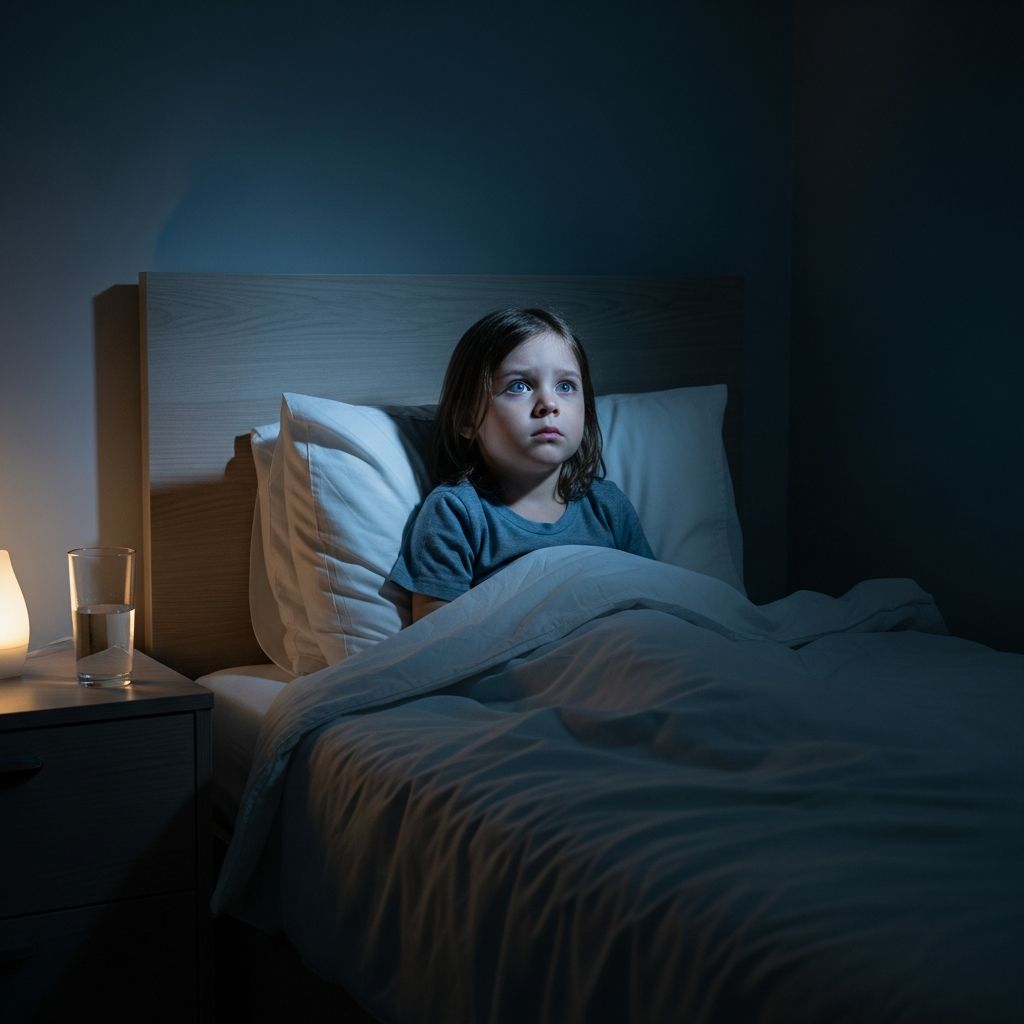
Intense episodes where children scream and thrash in apparent terror during sleep can alarm parents, but these are typically night terrors, a common parasomnia affecting young kids. Unlike nightmares, victims remain in deep sleep with no recall, usually outgrowing them by adolescence.
Recognizing Episodes of Sleep Panic
Night terrors strike during non-REM deep sleep stages, often 1-3 hours after bedtime, manifesting as sudden arousal without full wakefulness. Children may bolt upright, emit piercing screams, and display flushed faces with rapid breathing, yet respond minimally to comfort attempts.
Key indicators include:
- Abrupt sitting or leaping from bed amid cries of distress
- Physical signs like sweating, pounding heart, and wide-eyed stares
- Flailing limbs or aggressive reactions if restrained
- Confusion and resistance upon any waking effort
- Complete amnesia of the event come morning
Episodes last 30 seconds to 10 minutes, resolving as the child slips back into slumber undisturbed.
How Night Terrors Differ from Common Nightmares
| Aspect | Night Terrors | Nightmares |
|---|---|---|
| Sleep Stage | Deep NREM (early night) | REM (later night) |
| Recall | No memory | Clear dream remembrance |
| Behavior | Screaming, thrashing, hard to wake | Wakes fully, seeks comfort |
| Duration | Seconds to minutes | Variable, often longer |
| Frequency | 1-2 times weekly max | Multiple per night possible |
This table highlights critical distinctions; night terrors involve partial arousal where the brain mixes sleep and wake states, unlike vivid REM-based nightmares.
Primary Triggers Behind Sudden Sleep Disruptions
No single cause exists, but night terrors arise from incomplete transitions out of slow-wave sleep, exacerbated by various factors. Genetic predisposition plays a role, with familial patterns noted in studies.
Environmental and Lifestyle Contributors
- Sleep Deprivation: Overtired kids enter deeper sleep phases, heightening terror risk.
- Schedule Disruptions: Travel, new routines, or overtiredness from naps skipped.
- Fever or Illness: Elevated body temperature pushes more time into deep sleep.
Underlying Health Factors
Co-existing conditions amplify occurrences:
- Obstructive sleep apnea or breathing pauses during rest
- Restless legs syndrome or periodic limb movements
- Stress, anxiety, or emotional upheavals in daily life
- Medications, alcohol (in adults), or bladder fullness
In rare adult cases, PTSD or mood disorders correlate, but pediatric instances tie more to developmental sleep patterns.
Prevalence Across Ages and Demographics
Peak incidence hits children aged 3-7 years, affecting 1-6.5% at some point, with boys slightly more prone. Most outgrow by puberty, though 1-2% persist into adulthood, often with comorbidities. Family history raises susceptibility, suggesting heritability.
Safety Measures During Active Episodes
Prevention of injury tops priorities, as kids may dash from bed or strike out. Core strategies:
- Stay composed; do not shake or shout to fully wake them, risking disorientation.
- Gently guide back to bed, blocking hazards like stairs without force.
- Dim lights and speak softly to avoid escalation.
- Time interventions for first-hour-of-sleep windows if patterns emerge.
Avoid restraining firmly, as it may provoke fight responses.
Long-Term Management and Prevention Tactics
Scheduled awakenings—rousing the child 15-30 minutes pre-episode time for 1-2 weeks—prove effective for frequent cases. Improve sleep hygiene:
- Consistent bedtime routines sans screens
- Adequate daily sleep to curb deprivation
- Stress reduction via play or relaxation pre-bed
- Monitor for fevers or snoring indicating apnea
Track patterns in a sleep diary noting timing, duration, and antecedents.
When to Involve Medical Professionals
Seek evaluation if terrors:
- Exceed twice weekly or last over 30 minutes
- Cause injury or daytime fatigue
- Persist past age 12 or newly onset in adults
- Accompany snoring, bedwetting, or grinding teeth
Pediatricians may refer for polysomnography to rule out apnea or seizures, though terrors rarely signal deeper issues. Treatments like hypnosis or meds (e.g., benzodiazepines) reserved for severe, refractory cases.
Supporting Family Through Sleep Challenges
Parental anxiety often amplifies; educate on benign nature to foster calm responses. Share experiences in support groups, emphasizing most kids thrive unaffected daytime. Consistent approaches build security, aiding natural resolution.
Frequently Asked Questions About Night Terrors
Do night terrors harm my child long-term?
No, they pose no psychological damage and rarely indicate trauma; kids recall nothing and function normally.
Can I prevent night terrors completely?
Not always, but optimizing sleep schedules, managing stress, and treating underlying issues like apnea reduce frequency significantly.
Are night terrors linked to bad dreams?
No, they occur outside dreaming REM sleep, unlike nightmares rooted in vivid, remembered fears.
Should I wake my child during a terror?
Avoid full waking; it prolongs confusion. Gentle redirection suffices until they self-settle.
How long do episodes typically last in kids?
From under a minute to 10-15 minutes, ending with return to calm sleep.
This comprehensive guide equips parents to navigate night terrors confidently, drawing from authoritative sleep health resources.
References
- Night Terrors: Causes, Treatment, and Prevention — Sleep Foundation. 2023-10-01. https://www.sleepfoundation.org/parasomnias/night-terrors
- Sleep terrors (night terrors) – Symptoms and causes — Mayo Clinic. 2024-05-15. https://www.mayoclinic.org/diseases-conditions/sleep-terrors/symptoms-causes/syc-20353524
- Night terrors in children — MedlinePlus (U.S. National Library of Medicine). 2023-08-20. https://medlineplus.gov/ency/article/000809.htm
- Night terrors: Causes, symptoms, and treatment — Medical News Today. 2024-02-10. https://www.medicalnewstoday.com/articles/301893
- Sleep Terrors: An Updated Review — PMC – NIH (National Center for Biotechnology Information). 2021-06-01. https://pmc.ncbi.nlm.nih.gov/articles/PMC8193803/
- Night Terrors: What They Are, Causes, Symptoms & Treatment — Cleveland Clinic. 2024-01-12. https://my.clevelandclinic.org/health/diseases/night-terrors