Your newborn’s first vaccinations mark a crucial step in safeguarding their health against preventable diseases. These early shots, typically starting at birth and continuing through the first two years, follow evidence-based schedules from health authorities to provide timely immunity.
Understanding the Newborn Vaccination Timeline
The vaccination journey begins right after birth and follows a structured sequence designed to protect infants when they are most vulnerable. According to the CDC, the first dose of Hepatitis B vaccine is recommended within 24 hours for babies weighing at least 2,000 grams if stable. For lower birth weights, it starts at one month or hospital discharge.
By two months, infants receive a combination of vaccines targeting multiple threats. Key ones include:
- Hepatitis B (HepB): Continues the series with doses at 1-2 months and 6-18 months.
- Diphtheria, Tetanus, Pertussis (DTaP): First of four doses to prevent whooping cough and related illnesses.
- Haemophilus influenzae type b (Hib): Protects against bacterial infections causing meningitis; series starts with 2-4 doses.
- Pneumococcal (PCV): Guards against pneumonia and ear infections; four doses through 12-15 months.
- Rotavirus (RV): Oral vaccine against severe diarrhea; 2-3 doses by 6-8 months.
- Polio (IPV): Initial dose in the series to eradicate this paralytic disease.
At 12-15 months, vaccines like MMR (measles, mumps, rubella) and varicella (chickenpox) join the lineup, with hepatitis A following between 12-23 months. Recent additions include RSV prevention: either maternal vaccination during pregnancy or nirsevimab antibody for infants born to unvaccinated mothers, especially from September to January.
| Age | Vaccines | Doses/Notes |
|---|---|---|
| Birth | HepB, RSV-mAb (if needed) | 1 dose HepB within 24 hrs; RSV within 1 week if applicable. |
| 2 Months | DTaP, Hib, PCV, IPV, RV | First doses of multi-shot series. |
| 4 Months | DTaP, Hib, PCV, IPV, RV | Second doses. |
| 6 Months | DTaP, Hib, PCV, IPV, Influenza (seasonal) | Third doses; annual flu from 6 months. |
| 12-15 Months | Hib, PCV, MMR, Varicella, HepA | Booster and new series start. |
This timetable ensures overlapping protection as immunity builds. Special cases, like maternal HepB status, require immediate HBIG alongside the vaccine.
Why Early Vaccinations Matter for Infant Protection
Infants’ immune systems are developing, making them prone to diseases like pertussis or pneumococcal infections. Vaccines stimulate antibody production without causing illness, creating a herd immunity barrier. The CDC notes that timely dosing maximizes efficacy; delays increase disease risk.
HepB, for instance, prevents chronic liver disease from perinatal transmission, especially if the mother is positive. Rotavirus vaccines have slashed hospitalization rates by over 85% in vaccinated populations. RSV interventions reduce severe lower respiratory infections in the first RSV season.
Steps to Prepare Before the Appointment
Preparation eases anxiety for parents and baby. Schedule well-child visits around the timeline; bring vaccination records.
- Discuss family history of allergies or reactions with your provider.
- Feed baby beforehand— a full tummy promotes calm.
- Dress in easy-access clothing for thigh or arm shots.
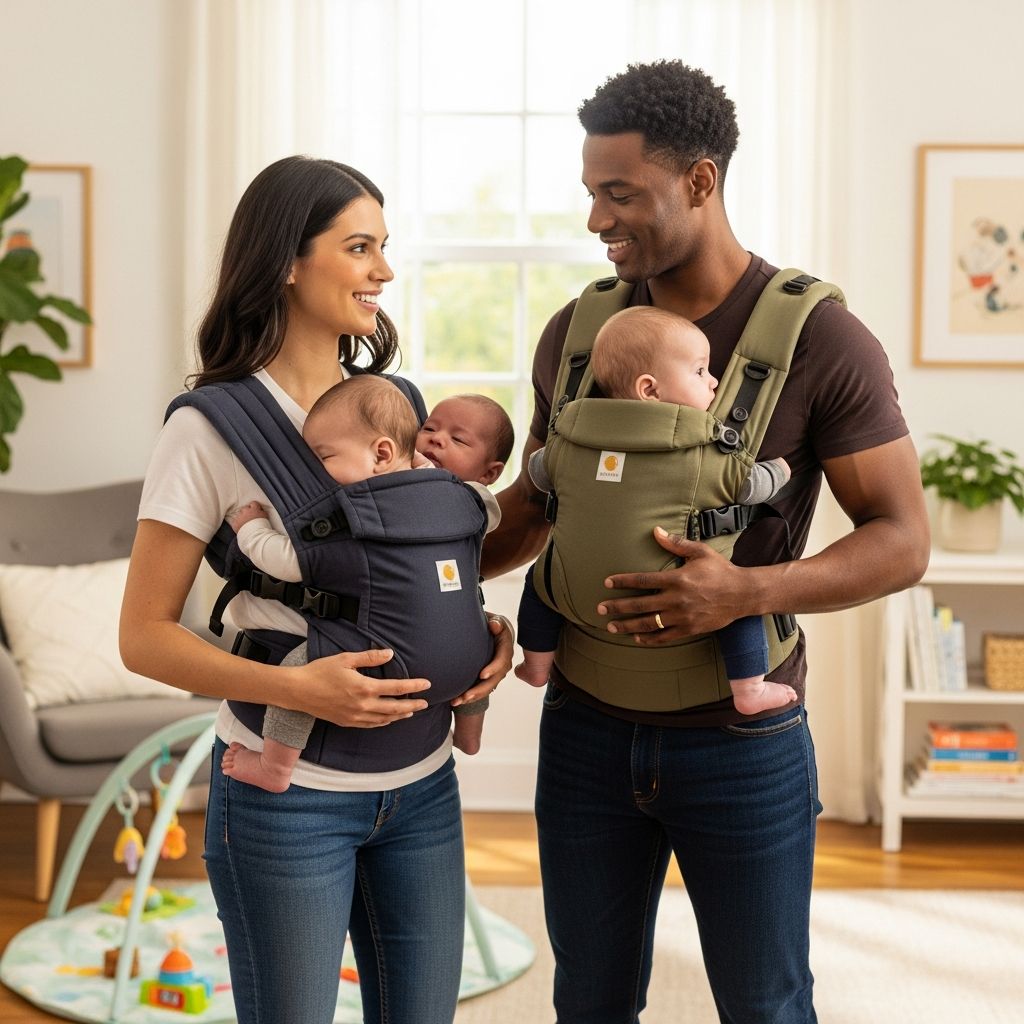
- Plan comfort items: pacifier, blanket, or carrier.
If baby has a mild cold (no fever), proceed; reschedule for moderate illness. Avoid pre-dosing pain relievers like paracetamol unless advised post-vaccine, especially after MenB.
What Occurs During the Vaccination Visit
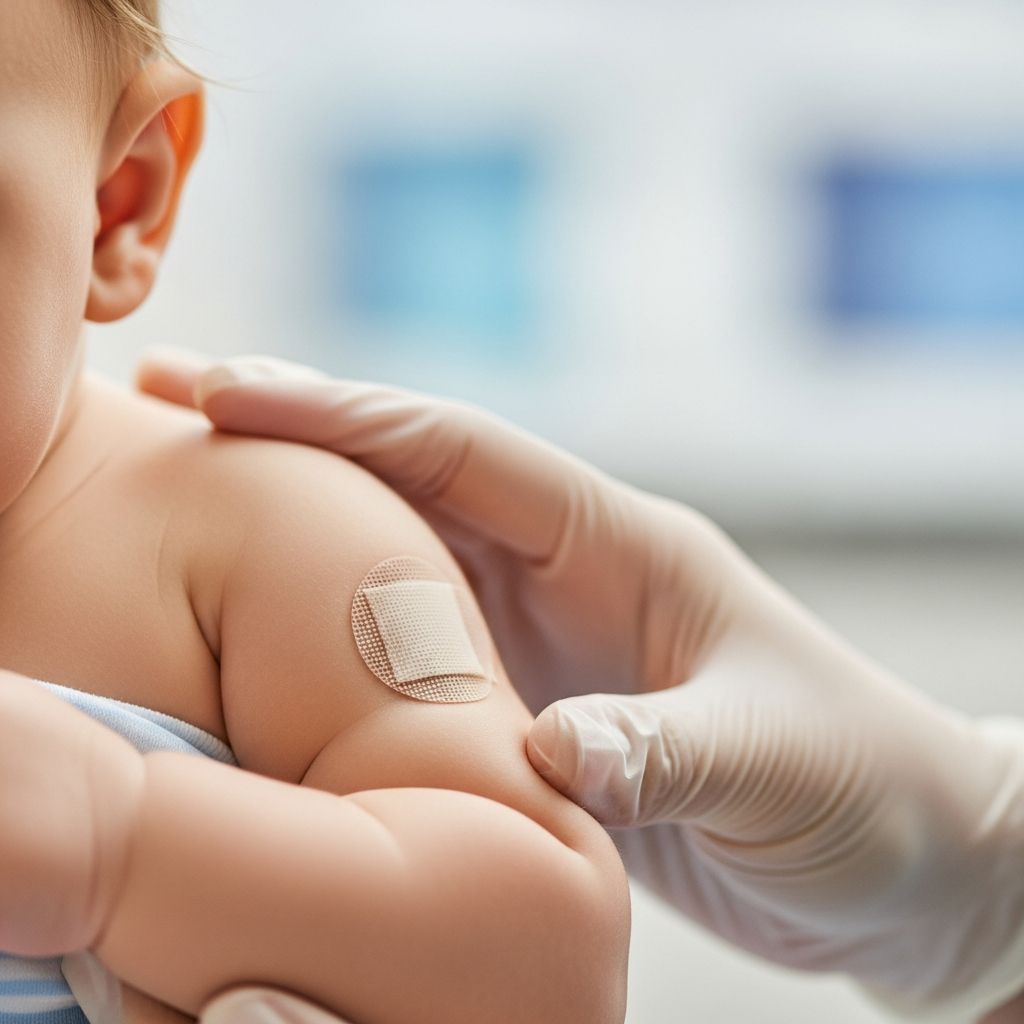
Pediatricians or nurses administer shots swiftly, often combining vaccines to minimize pokes—up to five at two months. Sites are upper arm or thigh; infants may receive oral rotavirus drops.
Expect brief cries; the process lasts seconds. Providers demonstrate skin prep and injection technique for reassurance. Post-shot, hold and soothe immediately. Receive an updated record and aftercare instructions.
Recognizing and Managing Common Side Effects
Most reactions are mild, peaking 24-48 hours post-shot.
- Redness, swelling, or soreness at site: Apply cool cloth; lasts 1-2 days.
- Fever: Low-grade common; use infant paracetamol if over 100.4°F (38°C).
- Fussiness or drowsiness: Extra cuddles and rest help.
- Rarely, high fever or inconsolable crying: Monitor and call provider if persistent.
MenB vaccine may cause higher fever, warranting paracetamol dosing. Influenza vaccine side effects mimic mild flu. Severe allergies (anaphylaxis) are exceedingly rare, occurring in fewer than 1 per million doses.
Comforting Strategies During and After Shots
Immediate skin-to-skin contact releases oxytocin, calming baby. Breastfeed or bottle-feed during/after for distraction and pain relief. Skin distraction (rubbing nearby area) or sucrose solution can reduce discomfort.
Post-visit, maintain routine: frequent feeds, light clothing, and monitoring. Track temperature every 4 hours initially.
When to Contact Your Healthcare Provider
Seek care if:
- Fever exceeds 104°F (40°C) or lasts over 48 hours.
- Swelling spreads beyond site or limb movement impairs.
- Seizure-like activity, hives, or breathing issues occur.
- Baby refuses feeds or seems unusually lethargic.
Trust your instincts—better safe with a call.
Overcoming Parental Anxiety Around Vaccinations
Seeing your baby cry is tough, but vaccines prevent far worse suffering. Bring support; remind yourself of benefits. Educate via CDC/FDA resources. Join parent groups for shared experiences.
Long-Term Vaccine Strategy and Boosters
Adhere to catch-up if delayed. Annual influenza starts at 6 months; COVID-19 from 6 months per prior history. Teens need meningococcal and HPV.
Maintain records digitally or via apps for school/daycare.
Frequently Asked Questions (FAQs)
Can I vaccinate a baby with a cold?
Yes, if mild and fever-free; delay for high fever or illness.
Should I give pain relief before shots?
No, it may reduce immune response; use after if feverish.
How many shots at the 2-month visit?
Typically 4-5 injections, some oral; combinations lessen pokes.
Is RSV shot needed for all newborns?
Recommended if mom unvaccinated during pregnancy, per season.
What if we miss a dose?
Restart or catch up promptly; no ‘reset’ needed.
References
- Child Immunization Schedule Notes — Centers for Disease Control and Prevention (CDC). 2025-01-16. https://www.cdc.gov/vaccines/hcp/imz-schedules/child-adolescent-notes.html
- How to prepare for your baby’s first vaccination — Kidswell Health. 2024-06-12. https://kidswellhealth.com/how-to-prepare-for-your-babys-first-vaccination/
- Vaccine Schedule: Timetable — Children’s Hospital of Philadelphia (CHOP). 2025-09-01. https://www.chop.edu/vaccine-education-center/vaccine-schedule/timetable
- Immunizations for Babies – A Guide for Parents — Immunize.org. 2024-10-15. https://www.immunize.org/clinical/a-z/immunizations-babies-guide-parents/
- Before, During, and After Shots — Centers for Disease Control and Prevention (CDC). 2025-03-20. https://www.cdc.gov/vaccines-children/before-during-after-shots/index.html
- Vaccines for Children – A Guide for Parents and Caregivers — U.S. Food and Drug Administration (FDA). 2025-07-10. https://www.fda.gov/vaccines-blood-biologics/consumers-biologics/vaccines-children-guide-parents-and-caregivers