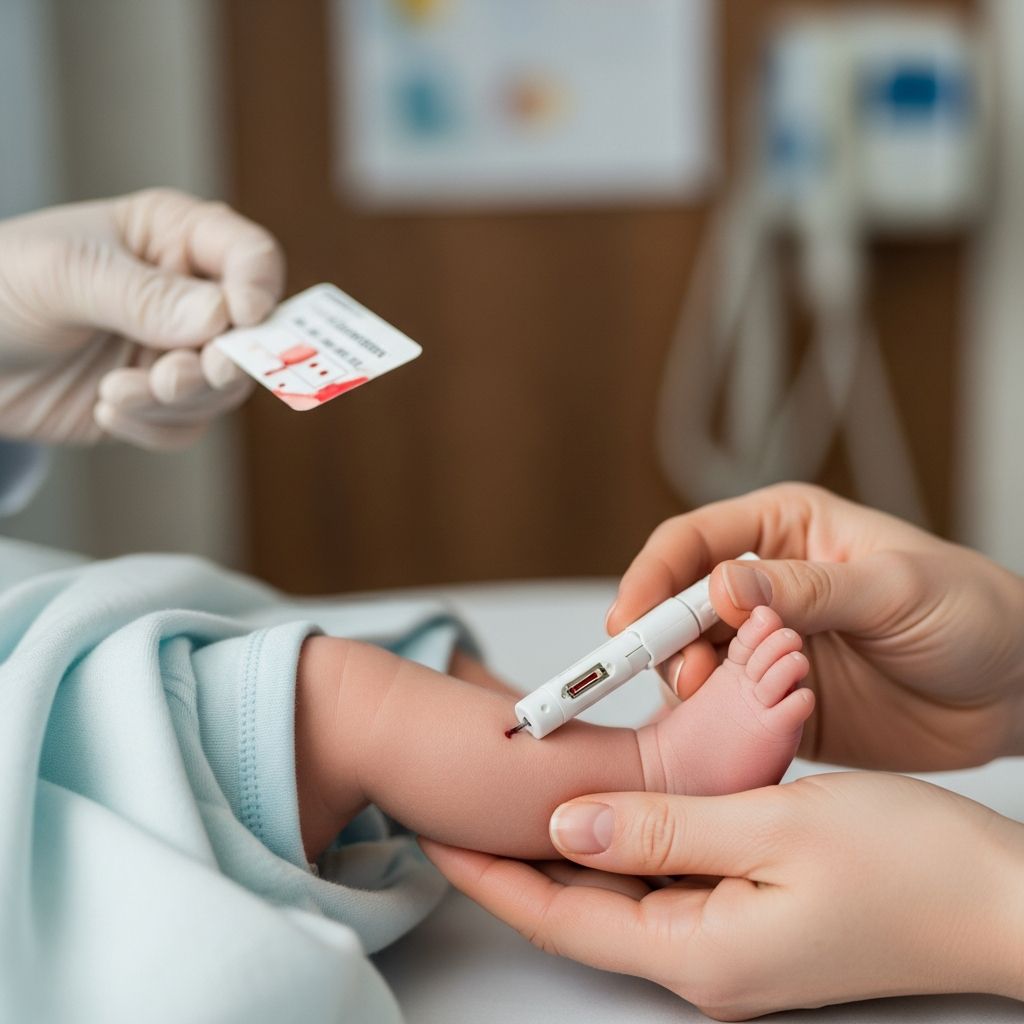
In the first days after birth, most babies receive a set of simple medical checks known as newborn screening tests. These tests look for serious but treatable conditions before symptoms appear, giving children the best possible start in life.
For new parents, the process can feel mysterious or even worrying. This guide explains what happens, why these tests are crucial, and how to understand the results in clear, practical language.
Why Newborn Screening Matters
Many conditions detected by newborn screening are rare and may not show any obvious signs right away. Without testing, babies can seem perfectly healthy at birth while an underlying issue silently affects growth, development, or vital organs.
- Early detection often allows treatment to begin before permanent damage occurs.
- Timely care can prevent disability, seizures, organ failure, or even death in some conditions.
- Families can access specialist support, genetic counseling, and long-term care planning sooner.
Newborn screening does not diagnose a condition on its own; it simply identifies babies who need further testing so that any problem can be caught quickly.
When and Where Newborn Screening Happens
Newborn screening usually takes place within the first days of life, often before the baby leaves the hospital or birthing center. Some regions repeat certain tests later in the first weeks, especially if the first sample was taken very early.
- Timing: Blood tests are commonly done between 24 and 48 hours after birth, while hearing and heart checks can be done around the same time or shortly after.
- Location: Most babies are screened in the hospital, but babies born at home or discharged early may be screened at a clinic or pediatrician’s office.
- Who performs the tests: Nurses, midwives, and trained technicians collect samples and operate the screening equipment.
Parents can ask their care team exactly which tests will be done and when, so they know what to expect.
The Main Types of Newborn Screening Tests
Although details vary by country and region, three broad types of tests are commonly used:
- Blood spot tests (sometimes called heel prick tests)
- Hearing screening tests
- Heart screening using pulse oximetry
Each test looks for different kinds of problems, and together they form a powerful early-warning system for your baby’s health.
1. Blood Spot (Heel Prick) Screening
Blood spot screening uses a few drops of blood to check for a range of genetic, metabolic, hormonal, and blood-related conditions. The number of conditions covered depends on local public health policies, but many regions screen for dozens of disorders with a single card of blood spots.
How the Heel Prick Is Done
The procedure is quick and usually completed at the baby’s bedside:
- A nurse or midwife warms your baby’s heel to increase blood flow.
- The skin is cleaned, then a tiny lancet is used to prick the side of the heel.
- Drops of blood are collected onto special filter paper circles.
- The heel is gently bandaged, and cuddling or feeding can comfort the baby.
- The dried blood spot card is sent to a specialized laboratory for analysis.
Babies may cry briefly, but the discomfort is short-lived. Skin-to-skin contact, breastfeeding, or a pacifier can help soothe them during the procedure.
What Conditions Blood Spot Tests Can Detect
Blood spot screening typically targets conditions that:
- Are serious or life-threatening.
- Are not obvious at birth.
- Have effective treatments if found early.
Examples of conditions many programs include are:
- Metabolic disorders that affect how the body processes proteins, fats, or sugars.
- Endocrine disorders involving hormone production, such as thyroid problems or adrenal gland issues.
- Blood disorders that affect red blood cells or hemoglobin.
- Immune system conditions that make it hard to fight infections.
- Genetic conditions that might weaken muscles, nerves, or other organs.
Exact testing panels differ between countries and even between states or provinces. Your health-care provider can tell you which conditions are included where you live.
2. Newborn Hearing Screening
Hearing screening checks whether a baby’s ears and hearing pathways are working as expected. Early hearing loss may not be obvious: many babies with hearing differences respond to touch, light, or vibrations and seem alert and engaged.
Testing in the newborn period allows hearing support and language development services to start as early as possible if a problem is found.
How Hearing Tests Work
Hospitals commonly use one or both of the following painless methods:
- Otoacoustic emissions (OAE) test: A small soft tip is placed in the baby’s ear, gentle sounds are played, and a computer measures the tiny echoes produced by the inner ear.
- Auditory brainstem response (ABR) test: Small sensors are placed on the baby’s head and soft sounds are played through earphones. The sensors record how the hearing nerve and brainstem respond.
Babies can usually sleep during the test. The exam is safe, does not hurt, and takes only a few minutes.
3. Heart Screening with Pulse Oximetry
Pulse oximetry screening checks for low oxygen levels in the blood, which can be a sign of certain serious heart defects present at birth. Some heart conditions may not cause symptoms right away, even though they are potentially dangerous if missed.
How Pulse Oximetry Is Done
The test is non-invasive and simple:
- A soft sensor is wrapped around the baby’s hand and foot.
- The device uses light to estimate the amount of oxygen in the blood.
- The nurse compares the readings from the hand and foot.
- If the levels are low or the difference between the two sites is large, the baby may need further evaluation.
This screening helps identify newborns who might have critical heart conditions so that heart imaging and specialist care can be arranged rapidly if needed.
What a Typical Newborn Screening Bundle Looks Like
Although every region is different, many programs combine the main tests described above. The table below illustrates a common pattern for newborn screening packages:
| Screening Type | Purpose | How It Is Done | Typical Timing |
|---|---|---|---|
| Blood spot (heel prick) | Check for metabolic, hormonal, blood, and some genetic disorders. | Small heel prick; drops of blood collected on filter paper and sent to a lab. | Often between 24–48 hours after birth. |
| Hearing screening | Detect early hearing loss or hearing pathway problems. | Soft ear tip or earphones deliver sounds; sensors or microphones measure responses. | Usually before discharge from hospital or in first weeks. |
| Pulse oximetry | Identify possible serious heart defects that lower oxygen levels. | Light sensor placed on hand and foot to measure oxygen saturation. | Commonly within the first 24–48 hours of life. |
Understanding Screening Results
When your baby is screened, the results generally fall into one of three broad categories:
- Normal (negative) result: No signs of the tested conditions were detected.
- Out-of-range or positive result: The test suggests a higher chance of a particular condition and more testing is needed.
- Unsatisfactory or incomplete sample: The blood spot or other data could not be properly analyzed, and a repeat sample is needed.
A normal result means no further testing is needed for the disorders included in the screening panel, although it does not guarantee that a child will never have health problems.
Why False Positives Happen
Newborn screening programs are designed to catch as many affected babies as possible, which means the tests are very sensitive. As a result, some babies who do not have a disorder will still have an initial out-of-range result.
- Values can be influenced by your baby’s age at the time of testing.
- Feeding patterns or certain medical treatments can affect blood results.
- Lab cut-off values are set to favor early detection, even if that means more follow-up tests for healthy babies.
This can be stressful, but an abnormal screen is not a diagnosis. It is a prompt for more precise testing, such as repeat blood work, imaging, or specialized genetic studies.
What Happens If Results Are Abnormal
If your baby’s results are out of the expected range, the health-care team typically contacts you quickly—often within a few days of testing, or sooner for urgent findings.
You may be asked to:
- Bring your baby back for a new blood sample or additional screening test.
- Visit a pediatric specialist, such as an endocrinologist, metabolic specialist, cardiologist, or audiologist.
- Review family history and your baby’s symptoms, if any, in more detail.
If a condition is confirmed, the care team will discuss treatment options, long-term monitoring, and support services, often involving a multidisciplinary group of specialists and counselors.
How Parents Can Prepare and Get Involved
Parents play an important role in newborn screening, from providing information to following up on results. Being informed and prepared can make the process smoother and less stressful.
Questions to Ask Before Birth
During pregnancy or before discharge from the hospital, consider asking your care team:
- Which newborn screening tests are offered or required where we live?
- When will each test be performed?
- How and when will we receive the results?
- Who should we contact if we have questions after going home?
- Are there any optional tests we might want to consider?
Take notes or request written materials so you can review the information later when you are less tired.
Practical Tips for the Screening Day
- Plan to be present during the heel prick, so you can comfort your baby.
- Offer breastfeeding or a bottle during the test to help soothe your baby.
- Dress your baby in clothing that allows easy access to feet and arms.
- Check that your contact information is correct so the clinic can reach you about any follow-up.
Your calm presence and reassurance can make a big difference to how your baby experiences the brief procedures.
Privacy, Storage, and Use of Newborn Screening Samples
In many places, blood spot cards are stored for a period of time after testing. Local rules differ on how long samples are kept and what they can be used for, such as quality control, research, or method improvement.
Key points parents may want to ask about include:
- How long are my baby’s samples and data kept?
- Are they used for anything beyond my baby’s own tests?
- Can we request destruction of the leftover sample after analysis?
- How is our privacy protected?
Understanding these policies can help you make informed decisions and feel more comfortable with the process.
Common Myths and Misconceptions
Newborn screening is widely used, but myths still circulate. Clearing up misinformation helps parents feel more confident.
- Myth: The tests hurt the baby badly. In reality, the heel prick causes brief discomfort, similar to a vaccination, and the other tests are painless and non-invasive.
- Myth: A normal screen guarantees perfect health. Screening only checks for specific conditions; babies can still develop other health issues later.
- Myth: An abnormal result means something is definitely wrong. Many abnormal screens turn out to be false alarms after further testing.
- Myth: Parents can opt out without consequences. Declining recommended screening may increase the risk of missing a serious but treatable condition. Always discuss the risks and benefits with a health-care professional.
Supporting Families Emotionally
Waiting for results or hearing that further testing is needed can be emotionally draining. Parents may feel fear, guilt, or confusion even when the outcome is ultimately reassuring.
Helpful coping strategies include:
- Asking the care team to explain the situation in simple terms, including what is known and what is still uncertain.
- Bringing another adult to appointments to take notes and provide emotional support.
- Connecting with parent support groups or advocacy organizations related to newborn screening or specific conditions.
- Recognizing that seeking answers and follow-up testing is an act of care, not a sign that you have done anything wrong.
Key Takeaways for New Parents
- Newborn screening is an early safety net, designed to find serious but treatable conditions before symptoms emerge.
- The main components are blood spot testing, hearing checks, and heart screening by pulse oximetry.
- Most babies have normal results, and many abnormal screens turn out to be false positives after follow-up.
- Asking questions and understanding local policies helps you make informed decisions and feel more at ease.
- If a condition is confirmed, early treatment and specialist support can dramatically improve long-term outcomes.
Frequently Asked Questions (FAQs)
1. Is newborn screening mandatory?
Whether newborn screening is legally required depends on where you live. In many regions it is strongly recommended or mandated because of its proven benefits, but there may be processes for parents to decline or modify testing. Always talk with your health-care provider about local rules and the potential risks of opting out.
2. Does newborn screening test for every possible condition?
No. Screening focuses on conditions that are serious, often invisible at birth, relatively rare, and treatable or manageable if caught early. It does not look for all genetic or medical problems, so your baby will still need routine checkups and ongoing care as they grow.
3. How long do results usually take?
Timing varies by region and by test. Blood spot results often take several days to a couple of weeks to be processed and reported, while hearing and pulse oximetry results are often available right away or before you leave the hospital.
4. Will I be contacted if the results are normal?
Some hospitals only contact families if additional testing is needed, while others send written confirmation of normal results. Ask your care team how and when you will be notified, and who to call if you have not heard anything by a certain time.
5. Can I request additional screening beyond what is standard?
In some places, parents can choose extra tests, either through expanded public programs or private laboratories. If you are considering this, discuss the benefits, limitations, and costs with your baby’s doctor or a genetic counselor.
6. What if my baby is born prematurely or is very ill?
Babies in neonatal intensive care units usually still receive newborn screening, but timing and interpretation of results may be adjusted. Prematurity, medical treatments, and transfusions can influence some test results, so the care team may need repeat samples or additional specialized follow-up.
7. Can I access my baby’s screening records later?
In most systems, newborn screening results become part of the child’s medical record. You can usually request copies through your pediatrician or the facility where the test was performed, following local privacy and record-release rules.
Final Thoughts
Newborn screening is one of the earliest and most impactful health protections your baby will receive. By taking just a few minutes in the first days of life, it opens the door to early diagnosis, effective treatment, and healthier futures for countless children. Staying informed, asking questions, and following up on any recommended testing are powerful ways to advocate for your child from the very beginning.