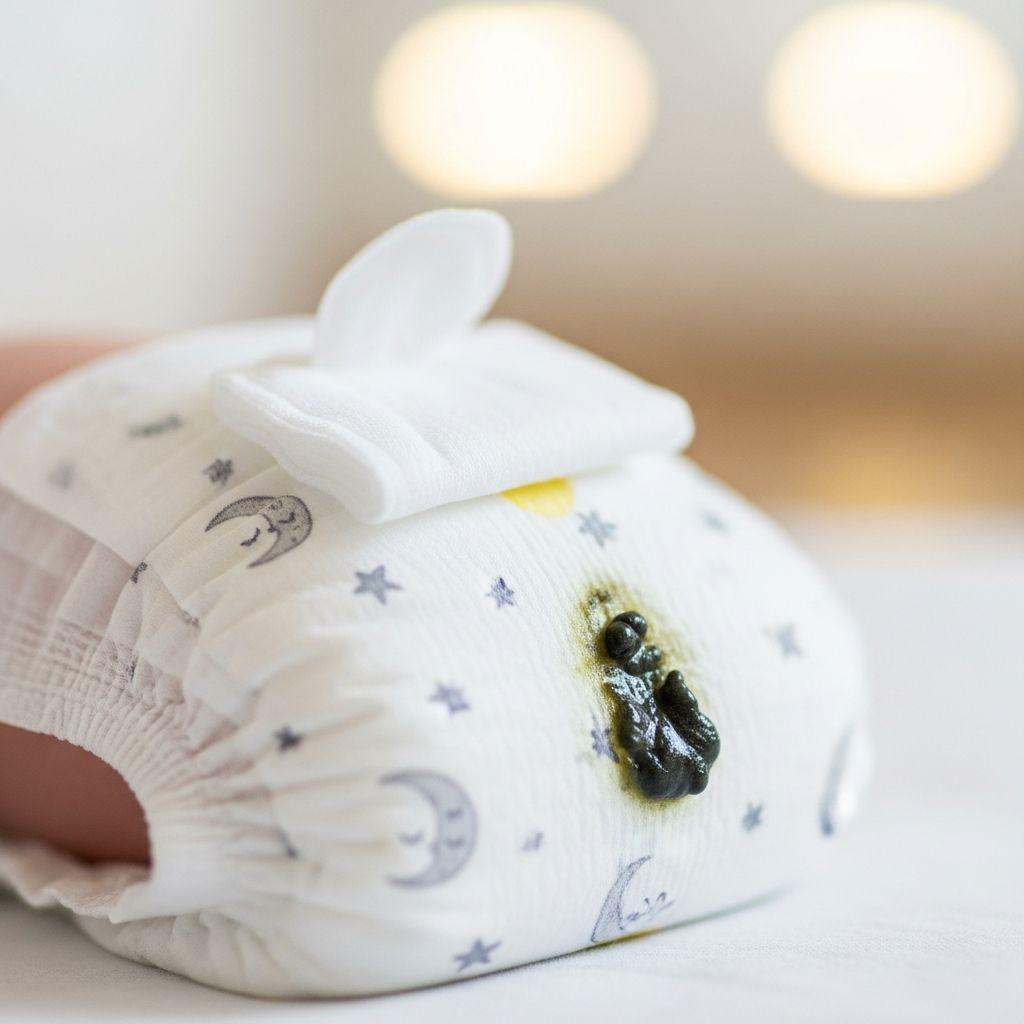
Newborn bowel movements serve as key indicators of your baby’s digestive health and overall well-being. Tracking frequency, color, and texture helps parents gauge if their infant is feeding adequately and developing properly. Variations are common, influenced by feeding method and age, but certain patterns signal when professional advice is needed.
Understanding the Stages of Newborn Stool
The journey of a newborn’s poop begins right after birth and evolves rapidly over the first weeks. Recognizing these stages reassures parents and highlights potential concerns early.
The Initial Meconium Phase
Within the first 24 hours, babies pass meconium, a thick, sticky, dark green or black substance composed of materials ingested in the womb. This milestone is crucial; hospitals typically ensure it occurs before discharge. Meconium clears within 1-3 days as the baby begins regular feedings.
Transition to Transitional Stool
Following meconium, stools lighten to greenish-brown, becoming less sticky. This phase lasts a couple of days, marking the digestive system’s adjustment to milk or formula.
Establishing Mature Infant Stool
By day 4-5, stools turn yellow for breastfed babies—mustard-like, seedy, and loose—or tan/brown for formula-fed ones, often firmer and peanut butter-textured. Frequency peaks here, with 5-10 movements daily possible.
Factors Influencing Poop Frequency
No universal “normal” exists for how often newborns poop, but patterns emerge based on several factors.
- Feeding Type: Breastfed infants typically stool more frequently due to faster digestion of breast milk, often after every feed initially. Formula-fed babies digest slower, pooping 1-4 times daily.
- Age Progression: Newborns under 1 week may poop multiple times daily, but by 3-4 weeks, breastfed babies might go 4-7 days between stools if soft and the baby thrives.
- Individual Variation: Some babies poop every feeding; others every few days. As long as weight gain and feeding are steady, infrequency alone isn’t alarming.
| Age | Breastfed Frequency | Formula-Fed Frequency | Wet Diapers (Both) |
|---|---|---|---|
| Day 1 | 1+ stool | 1+ stool | 1+ |
| Day 2-5 | 2-5+ stools | 1-4 stools | Days old count |
| 1-4 Weeks | Multiple daily to every few days | 1-2 daily | 5-6 daily |
| After 4 Weeks | Every 1-7 days possible | Daily or every 2 days | 5-6 daily |
This table summarizes typical outputs; track yours to establish your baby’s baseline.
Normal Colors, Textures, and Smells
Healthy newborn poop has distinct traits by feeding type.
- Breastfed Babies: Bright yellow, loose, watery, with curds or seeds like mustard. Mild, sweetish odor.
- Formula-Fed Babies: Pale yellow to light brown, thicker, smoother. Stronger smell.
- Textures: Soft to liquid; pasty or seedy normal. Grunting/straining (infant dyschezia) common without constipation if stool softens out.
Changes with solids later introduce varied colors from foods, but focus on early patterns now.
Tracking Diaper Output for Health Insights
Diaper counts reveal hydration and nutrition status. Expect wet diapers matching days old up to day 5 (e.g., 3 on day 3), then 5-6 daily. Pair with stool tracking: 5-10 bowel movements in first days for adequate intake.
Daily Log Tips:
- Note time, color, texture of each diaper.
- Count wets/soaks (not just damp).
- Monitor feeding frequency alongside.
- Share logs at checkups.
Consistent output confirms your baby processes milk effectively.
Decoding Grunting and Straining
Newborns often grunt, redden, or cry during pooping—normal as they learn sphincter control. Called infant dyschezia, it resolves in weeks to months if stools remain soft. True constipation involves hard, pebble-like stools with pain.
Warning Signs in Newborn Poop
Most variations are benign, but contact a pediatrician for:
- No poop by 24 hours: Possible blockage.
- Frequency drops: Over 7 days without stool (if not established pattern), especially with discomfort.
- Colors: Red blood (beyond mini-period in girls), persistent black post-meconium, white/clay (bile duct issue).
- Consistency: Hard/dry pellets, mucus excess, frothy/greasy (malabsorption).
- Other: Distended belly, vomiting, poor weight gain, lethargy.
Feeding Type Impacts on Digestion
Breast milk digests in 1.5-2 hours, prompting frequent poops; formula takes 3-4 hours. Combo-fed babies blend patterns. Ensure proper latching/formula mixing to avoid issues.
Remedies for Mild Discomfort
For soft-stool infrequency in thriving babies, try:
- Bicycle legs, tummy massages.
- Warm baths.
- More frequent feeds.
Avoid suppositories/home remedies without doctor okay.
Frequently Asked Questions
Is it normal for my breastfed newborn to poop after every feed?
Yes, especially first weeks; foremilk’s laxative effect causes this. It may lessen later.
How long can a formula-fed baby go without pooping?
Typically daily, but up to 2-3 days if soft. Consult if longer.
Does straining mean constipation?
Not if stool soft; it’s coordination learning.
What if poop is green?
Often transitional or foremilk-heavy; monitor. Persistent? Check with doc.
Enough wet diapers confirm good feeding?
Yes, 5-6 daily post-day 5 signals hydration.
Long-Term Patterns and Transitions
By 1-2 months, patterns stabilize: breastfed less frequent, formula steadier. Solids at 6 months diversify colors/textures. Regular pediatric visits track growth.
Empower yourself by observing patterns unique to your baby. Most poop quirks resolve naturally, but vigilance ensures prompt intervention when needed.
References
- What to Know About Newborn Poop and Pee — Lurie Children’s Hospital. 2023. https://www.luriechildrens.org/en/blog/what-to-know-about-newborn-poop-and-pee/
- Pee & Poop — UCLA Health. Accessed 2026. https://www.uclahealth.org/sites/default/files/documents/39/newbornhandbook-chapter3-peepoop.pdf?f=a4411e82
- Infant Stooling Patterns – Newborn Poop 101 — CMC Pediatrics. 2024-12. https://cmcpediatrics.com/2024/12/infant-stooling-patterns-newborn-poop-101/
- Pooping By the Numbers: What’s Normal for Infants? — American Academy of Pediatrics (HealthyChildren.org). Accessed 2026. https://www.healthychildren.org/English/ages-stages/baby/Pages/Pooping-By-the-Numbers.aspx
- Baby Poop Guide — Children’s Hospital Colorado. Accessed 2026. https://www.childrenscolorado.org/just-ask-childrens/articles/baby-poop-guide/
- Stooling Patterns for Breastfed, Combination Fed, and Formula Fed Babies — Aeroflow Breastpumps. Accessed 2026. https://aeroflowbreastpumps.com/care-guides/post/stooling-patterns-for-breastfed-combination-fed-and-formula-fed-babies
- Baby poop: What to expect — Mayo Clinic. Accessed 2026. https://www.mayoclinic.org/healthy-lifestyle/infant-and-toddler-health/expert-answers/baby-poop/faq-20057971