When singer Christina Perri shared that her unborn child faced immediate surgery due to an intestinal complication, it resonated with countless parents navigating high-risk pregnancies. This revelation highlights a critical aspect of neonatal care: conditions requiring urgent intervention right after birth. Drawing from her experience, this article explores the medical realities, emotional toll, preparation strategies, and long-term outlook for families facing similar challenges.
Understanding Intestinal Anomalies in Newborns
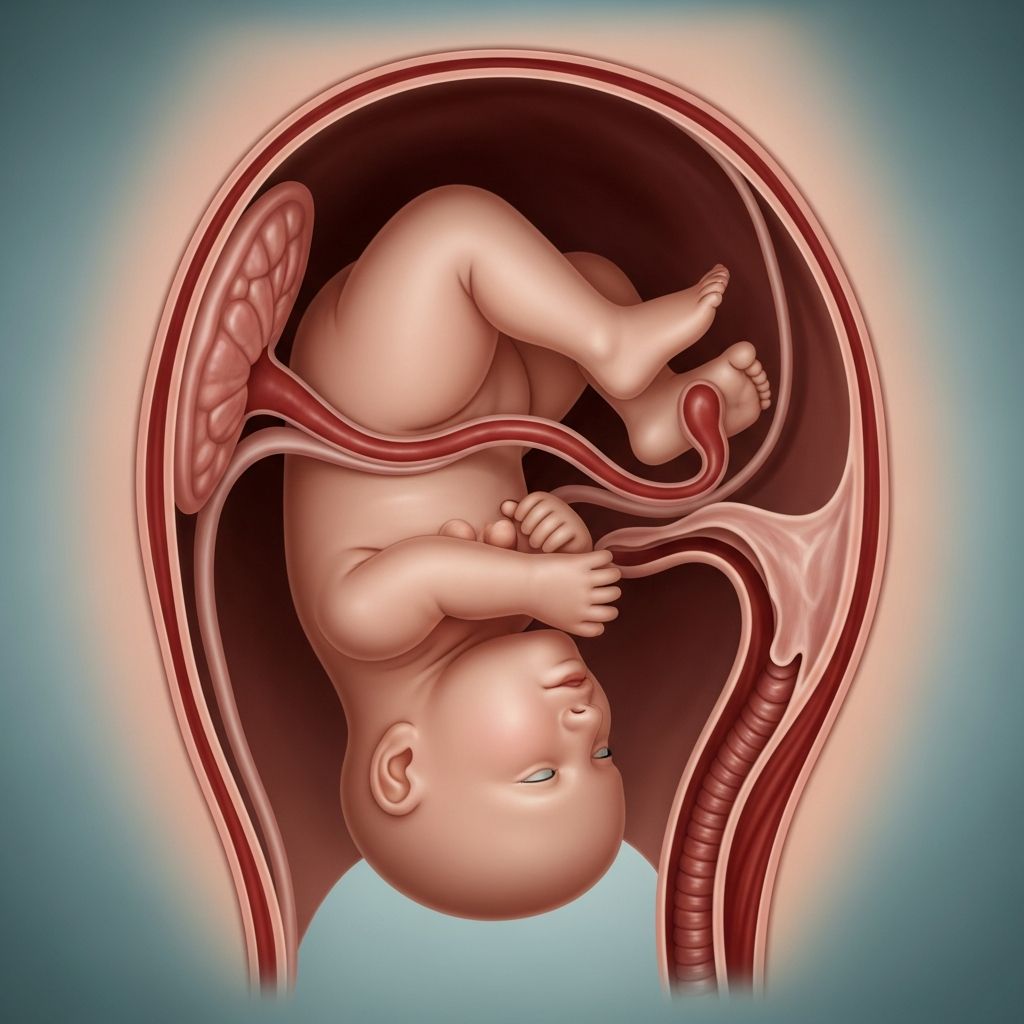
Intestinal issues in fetuses and newborns often stem from congenital malformations that disrupt normal digestive development. These can range from blockages to abnormal connections between organs. In Perri’s case, as she described on social media, her baby had a complication necessitating operation upon arrival, with expected NICU time ahead.
Common conditions include:
- Intestinal atresia: A blockage where part of the intestine fails to form properly, preventing passage of contents.
- Malrotation: Twisting of the intestines that risks cutting off blood supply.
- Hirschsprung’s disease: Absence of nerve cells in parts of the colon, leading to functional obstruction.
Diagnosis typically occurs via prenatal ultrasound or fetal MRI, allowing teams to plan interventions. According to the Centers for Disease Control and Prevention (CDC), congenital anomalies affect about 3% of U.S. births, with gastrointestinal defects comprising a notable portion.
High-Risk Pregnancies: Detection and Monitoring
Perri’s hospitalization underscored the unpredictability of such pregnancies. She noted the baby ‘could come at any moment,’ emphasizing vigilant monitoring to maximize gestational age before delivery. Obstetricians use biophysical profiles, non-stress tests, and amniotic fluid assessments to track fetal well-being.
| Monitoring Tool | Purpose | Frequency in High-Risk Cases |
|---|---|---|
| Ultrasound | Visualize organ structure and growth | Weekly or bi-weekly |
| Non-Stress Test (NST) | Monitor heart rate response to movement | Twice weekly |
| Amniocentesis | Assess lung maturity if early delivery needed | As required |
Delivering at a facility with a Level III or IV NICU is crucial, as these units handle complex neonatal surgeries.
The Surgical Journey: What Happens Immediately After Birth
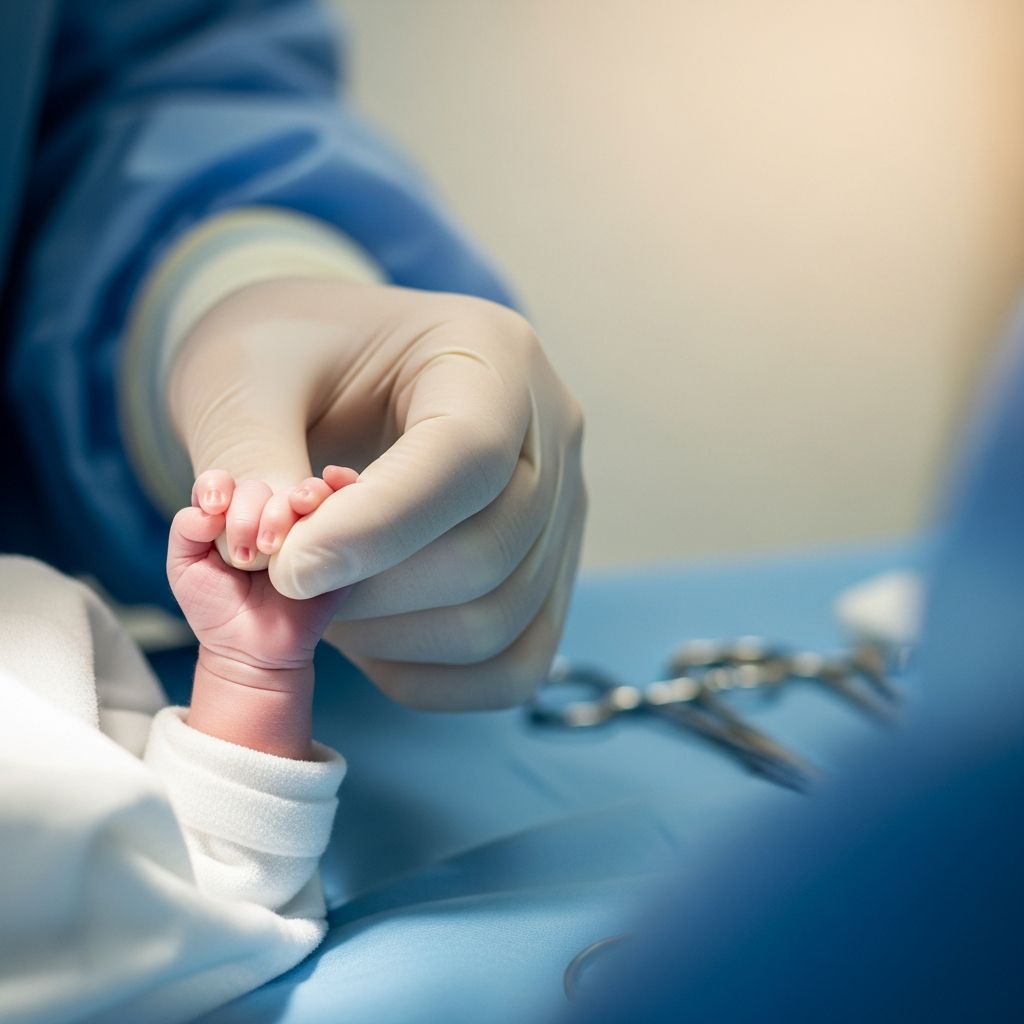
Post-delivery, the newborn is whisked to the operating room if stable, or stabilized in the NICU first. Surgery corrects the defect—resecting blocked segments, untwisting malrotated bowels, or creating temporary ostomies (openings for waste elimination).
Procedure details vary:
- Anesthesia: General, tailored for tiny patients.
- Duration: 2-4 hours typically.
- Recovery: Intubation, IV nutrition (TPN), and gradual feeding trials.
The National Institute of Child Health and Human Development (NICHD) reports survival rates exceeding 90% for isolated intestinal atresias with timely surgery.
Life in the NICU: A Family’s Second Home
Perri sought NICU stories from fans, preparing for this phase where her baby would recover. NICUs provide specialized care: ventilators for breathing support, incubators for temperature control, and multidisciplinary teams including neonatologists, surgeons, and lactation consultants.
Parents face:
- Sleep deprivation from round-the-clock vigils.
- Emotional strain, often termed ‘NICU PTSD.’
- Logistical challenges, like balancing care for older siblings—Perri mentioned time with her daughter Carmella.
Support resources abound, from hospital social workers to groups like Hand to Hold, offering peer connections.
Emotional Resilience: Coping with Uncertainty
Perri expressed gratitude amid fear, crediting fan prayers for hope. Families benefit from:
- Mindfulness practices: Meditation apps designed for parents.
- Counseling: On-site therapists address grief and anxiety.
- Community: Online forums share triumphs, like full-term discharges.
Studies from the American Academy of Pediatrics show parental involvement accelerates bonding and recovery.[10]
Recovery and Long-Term Prognosis
Most infants transition to oral feeds within weeks, gaining strength for discharge. Follow-up includes gastroenterology visits to monitor growth and function. Long-term, many lead normal lives, though some need dietary adjustments or resections later.
Perri hoped her baby would ‘stay inside and get as big as possible,’ aligning with evidence that maturity improves outcomes.
Preparation Checklist for Expectant Parents
Arm yourself with knowledge:
- Pregnancy: Pack a hospital bag with NICU essentials (ID bands, pump parts).
- Delivery: Discuss cesarean vs. vaginal with your team if preterm.
- Post-Birth: Learn kangaroo care (skin-to-skin) benefits.
- At Home: Stock formula/breast pump, prepare sibling routines.
Advances in Neonatal Surgery
Minimally invasive laparoscopy reduces recovery time, while fetal surgery—operating in utero—is emerging for select cases. The American College of Surgeons notes improved survival from multidisciplinary approaches.[11]
Frequently Asked Questions (FAQs)
What causes intestinal complications in newborns?
They arise from genetic, environmental, or unknown factors during fetal development, often detected prenatally.
How long does NICU stay last after intestinal surgery?
Typically 2-6 weeks, depending on stability and feeding progress.
Can babies fully recover from these surgeries?
Yes, over 90% achieve normal function with proper care.
How can parents support their baby emotionally in NICU?
Through touch, talking, and active participation in care routines.[10]
Are there support groups for NICU families?
Yes, organizations like March of Dimes and local chapters provide resources.
Stories of Hope from Real Families
Beyond Perri, thousands share victories: One parent recounted their child’s atresia repair leading to a thriving toddlerhood. These narratives underscore resilience, much like Perri’s hopeful tone.
In conclusion, while daunting, these journeys often end in joy. Perri’s openness demystifies the process, empowering others.
References
- Pregnant Christina Perri Says Her Baby Will Have to Have Surgery Immediately After Birth — Entertainment Tonight. 2020-11-13. https://www.etonline.com/pregnant-christina-perri-says-her-baby-will-have-to-have-surgery-immediately-after-birth-156333
- Christina Perri’s baby will need surgery as soon as they’re born — AsiaOne. 2020-11-16. https://www.asiaone.com/entertainment/christina-perris-baby-will-need-surgery-soon-theyre-born
- Pregnant Christina Perri Reveals Her Baby Will Need Surgery Immediately After Birth — ExtraTV. 2020-11-13. https://extratv.com/2020/11/13/pregnant-christina-perri-reveals-her-baby-will-need-surgery-immediately-after-birth/
- Birth Defects Data and Statistics — Centers for Disease Control and Prevention (CDC). 2024-01-30. https://www.cdc.gov/ncbddd/birthdefects/data.html
- Neonatal Levels of Care — American Academy of Pediatrics. 2023-11-01. https://publications.aap.org/pediatrics/article/152/6/e2023064258/195058
- Intestinal Atresia and Stenosis — National Institute of Child Health and Human Development (NICHD). 2022-05-15. https://www.nichd.nih.gov/health/topics/gas/conditioninfo/treatments/surgery