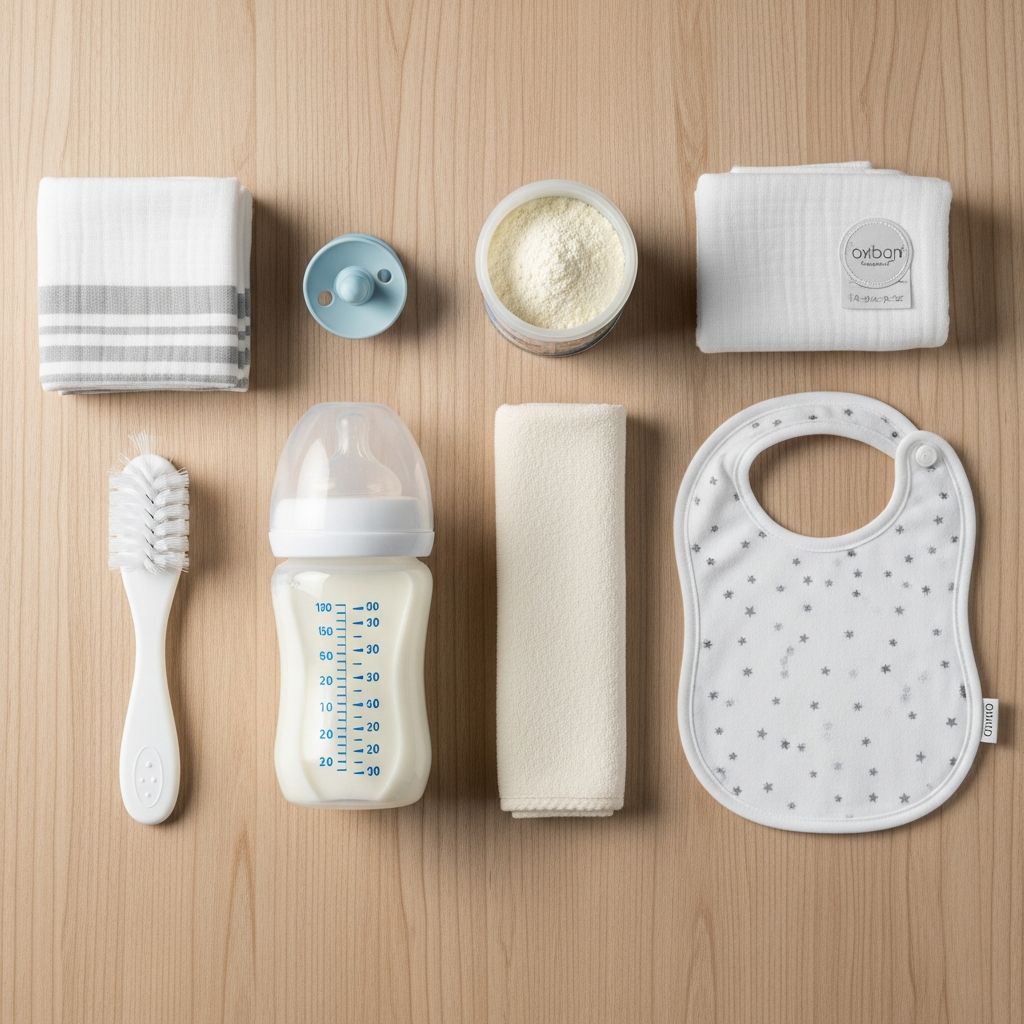
In the initial days after birth, your newborn’s feeding patterns establish the foundation for growth and bonding. During the first week, babies typically feed frequently to stimulate milk production and meet their tiny stomachs’ needs. Understanding hunger cues, feeding methods, and approximate amounts ensures your little one thrives while you build confidence as a parent.
Understanding Your Newborn’s Hunger Signals
Newborns communicate needs through subtle body language before crying escalates. Early recognition prevents distress and overfeeding. Common signs include rooting—turning the head toward touch with an open mouth—sucking motions on fists, and increased alertness or fussiness.
- Rooting reflex: Baby turns head and opens mouth when cheek is stroked, mimicking breast-seeking.
- Hand-to-mouth movements: Sucking on fingers or fists signals building hunger.
- Stirring or wiggling: Restless activity before full crying.
- Crying as last resort: A high-pitched, urgent cry indicates immediate need.
Respond promptly to these cues for calmer feeds. Babies in week one have stomachs smaller than a marble, expanding to cherry-size by week’s end, dictating frequent small meals.
Breastfeeding in the First Week: Frequency and Techniques
Breastfeeding on demand aligns with your baby’s natural rhythms, typically 8-12 times daily. Colostrum, the nutrient-dense first milk, provides antibodies and laxatives for meconium passage. Sessions last 10-20 minutes per side, with switching sides per feed.
Positioning matters: Cradle hold supports baby’s head, ensuring wide latch—lips flared, chin touching breast, more areola covered by lower lip. Listen for swallowing sounds post-initial sucks.
| Time Frame | Frequency | Duration per Session |
|---|---|---|
| Day 1-3 | 8-12 feeds/24 hrs | 15-30 min total |
| Day 4-7 | 8-10 feeds/24 hrs | 10-20 min/side |
Cluster feeding—evenings especially—boosts supply. Wet diapers (at least 5-6 daily by day 5) and steady weight gain confirm adequacy. Consult a lactation specialist if latching struggles persist.
Formula Feeding Basics for Week-Old Babies
If breastfeeding isn’t possible, iron-fortified formula mimics breast milk nutrition. Newborns take 1-3 ounces per feed, every 2-3 hours, totaling 8-12 feeds daily. Prepare per label: 1 scoop per 2 ounces water, mix until dissolved, warm to body temperature.
Use slow-flow nipples to prevent gulping, holding bottle horizontally for paced feeding. Burp midway and end to expel air, reducing spit-up.
- Day 1-2: 1-2 oz every 2-3 hrs
- Day 3-5: 2-3 oz every 3 hrs
- Day 6-7: 2-4 oz every 3-4 hrs
Never prop bottles—choking and ear infection risks rise. Discard leftovers after 1 hour.
Sample Daily Feeding Routines for Week 1
While rigid schedules suit older infants, week 1 emphasizes flexibility. Aim for ‘feed-play-sleep’ cycles: Feed upon waking, brief awake time (tummy time, eye contact), then swaddle for naps. Night feeds maintain calories without full stimulation.
Breastfed Sample:
- 7 AM: Feed, diaper change
- 9 AM: Feed, short play
- 11 AM: Feed, nap
- Continue every 1.5-3 hrs, including overnight
Formula Sample:
| Time | Amount | Notes |
|---|---|---|
| 6 AM | 2 oz | Wake & feed |
| 9 AM | 2-3 oz | Post-nap |
| Midnight | 2 oz | Dim lights for sleep cue |
Track intake via apps for pediatrician reviews. Adjust based on cues; growth outpaces strict clocks.
Recognizing Fullness and Preventing Overfeeding
Babies self-regulate: Slowed sucking, releasing nipple, turning away, or dozing signal satiety. For bottle-fed, stop when baby pauses, even if milk remains—overfeeding causes discomfort, spit-up, or obesity risks.
Burping techniques: Over shoulder, seated with chin support, or laid across lap. Keep upright 20-30 minutes post-feed to aid digestion. Elevate crib mattress head slightly if reflux suspected, but consult doctor first.
Common Challenges and Solutions in Week 1
Jaundice and Feeding
Mild jaundice peaks day 3-5; frequent feeds eliminate bilirubin via urine/stool. Monitor skin/eyes; phototherapy may supplement if levels high.
Weight Loss and Gain
5-10% birthweight loss normal by day 3, regained by day 10-14. Daily weighs if concerned.
Latch Issues or Low Supply
Pump between feeds if engorged. Skin-to-skin contact boosts oxytocin for let-down.
Other hurdles: Greenish stools transition to yellow seedy by day 5; 3-4 daily by week end normal.
Safety Guidelines for Newborn Nutrition
Prioritize sterility: Sterilize bottles daily until 3 months. No cow’s milk, juice, solids, or honey before 6 months—botulism risk. Vitamin D supplement (400 IU daily) recommended for breastfed babies.
- Avoid propping bottles: Links to SIDS, infections.
- Water unnecessary: Breast milk/formula hydrates fully.
- Allergies: Introduce single ingredients later, post-6 months.
Building Healthy Habits Beyond Feeding
Integrate feeding with bonding: Eye contact, soft talking. Tummy time post-feed builds strength. Sleep totals 14-17 hours, feeds punctuating cycles.
Partner involvement equalizes load. Track patterns to predict needs, easing exhaustion.
Frequently Asked Questions (FAQs)
What if my baby won’t wake for night feeds?
Gently stimulate: Undress, diaper change, or cool cloth. Wake every 3-4 hours initially for growth.
How do I know if feeds are enough?
6+ wet diapers, 3+ stools daily by day 5, content post-feed, weight checks.
Can I mix breast and formula?
Yes, combo feeding works; prioritize breast when possible, pump to maintain supply.
Is cluster feeding normal?
Absolutely, especially evenings—boosts milk for growth spurts.
When to call the doctor?
No wet diapers 8+ hrs, lethargy, refusal 2 feeds, fever, or poor latch.
References
- 1-Month-Old Baby: Milestones, Feeding, Activities and More — The Bump. 2023. https://www.thebump.com/baby-month-by-month/1-month-old-baby
- Feeding Guide for the First Year — Stanford Medicine Children’s Health. 2024. https://www.stanfordchildrens.org/en/topic/default?id=feeding-guide-for-the-first-year-90-P02209
- First-Month Baby Development — Similac. 2024. https://www.similac.com/baby-feeding/milestones-development/1-month-old.html
- Baby Feeding Chart: A Simple Guide for New Parents — Norton Children’s. 2023. http://nortonchildrens.com/news/babyfeedingchart/
- How Much and How Often to Feed Infant Formula — CDC. 2025-02-01. https://www.cdc.gov/infant-toddler-nutrition/formula-feeding/how-much-and-how-often.html
- Feeding Your 1- to 3-Month-Old — Nemours KidsHealth. 2024. https://kidshealth.org/en/parents/feed13m.html