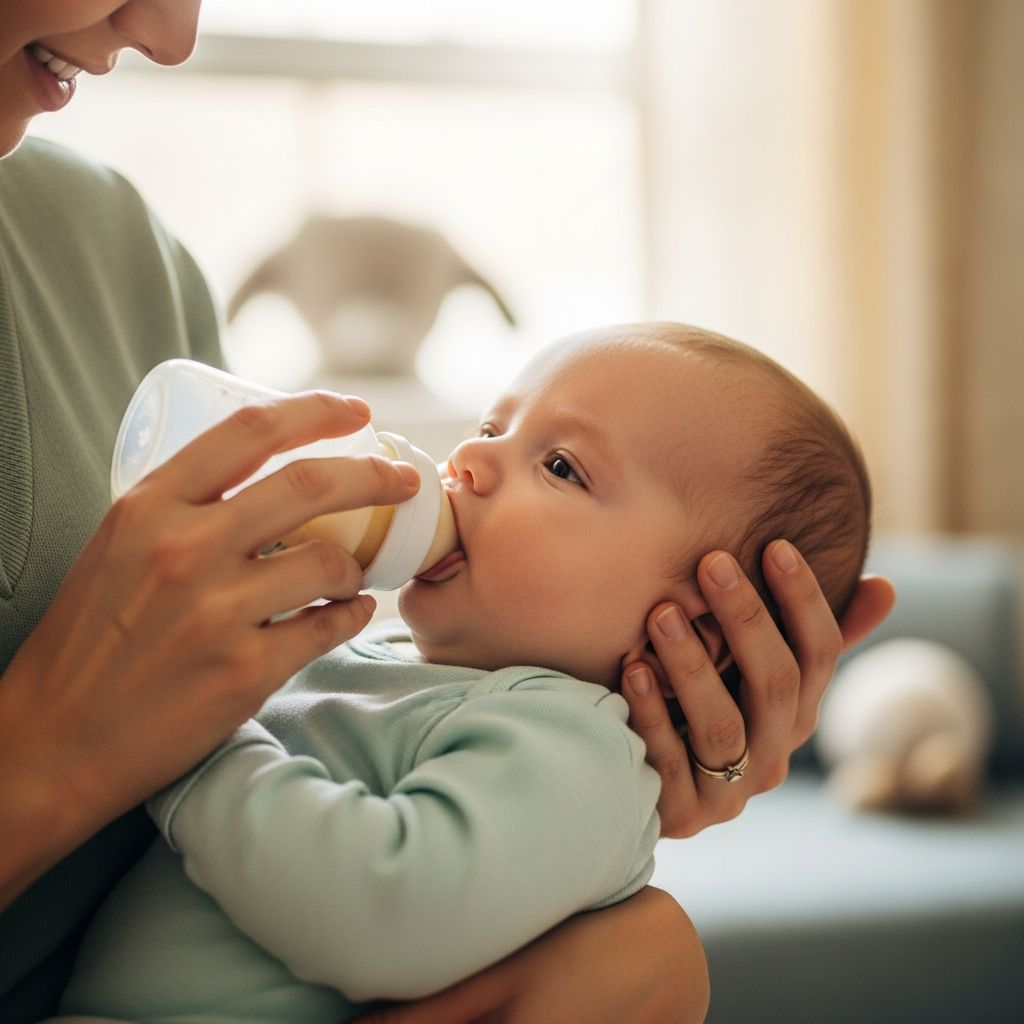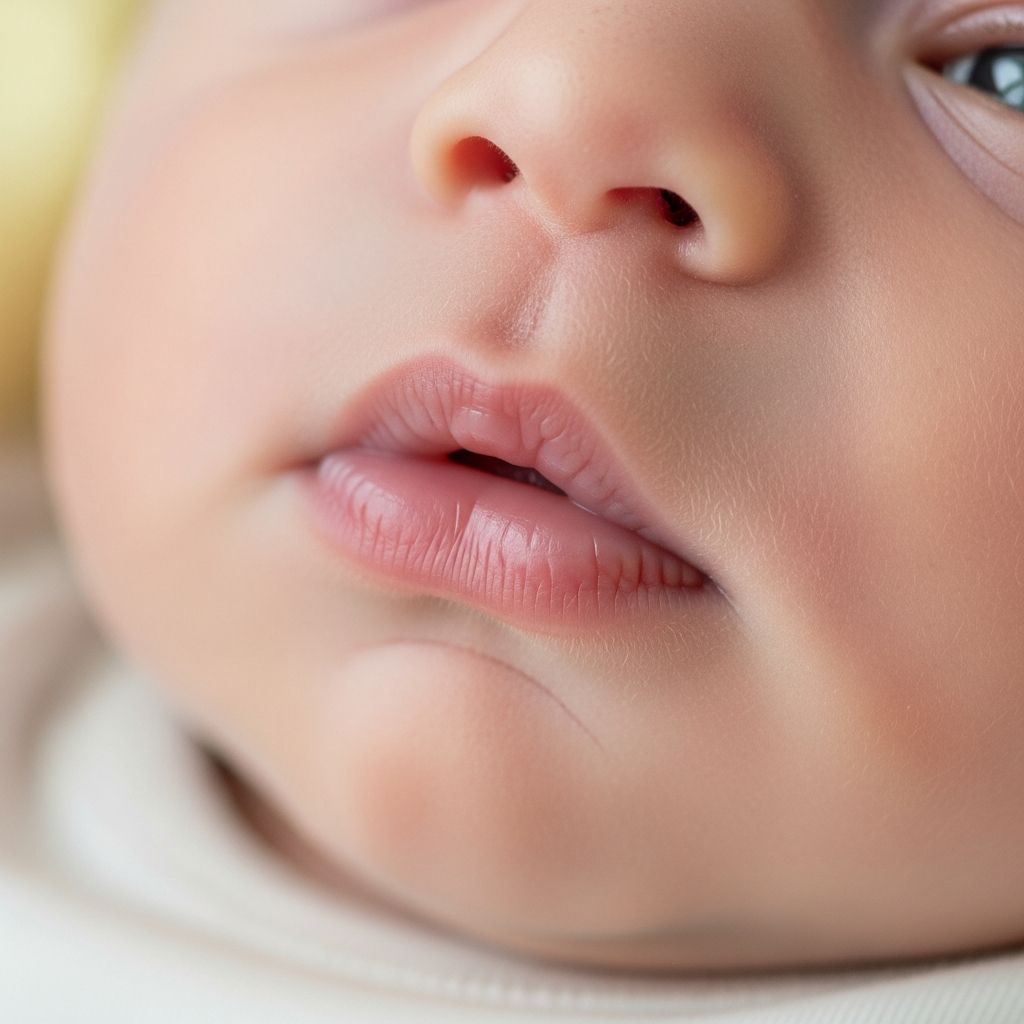
Noticing dry, cracked, or peeling lips on a newborn can be alarming, especially when everything about a new baby already feels fragile. The good news is that chapped lips are usually temporary, easy to manage, and rarely a medical emergency. With a little knowledge and a few gentle strategies, parents can protect their baby’s delicate lips and recognize the uncommon situations that do need a doctor’s attention.
This guide explains why newborns develop chapped lips, what parents can safely do at home, how to prevent irritation in the first place, and which red flags mean it is time to call a pediatrician.
Why Newborns Are Prone to Chapped Lips
Newborn skin, including the lips, is thinner and more sensitive than adult skin. That means it loses moisture quickly and reacts more strongly to friction, saliva, weather changes, and products used around the mouth. The lips have no oil glands of their own, so they rely entirely on external moisture and environmental protection.
- Newborns often spend long periods feeding, which creates constant friction and contact with saliva.
- They have more difficulty regulating body temperature and fluid balance, so dehydration or dry air can show up first at the lips.
- Small irritants that an adult might ignore—like scented wipes or residual lipstick from a kiss—can trigger a visible reaction on a baby’s mouth area.
Common Causes of Chapped Lips in Newborns
Understanding what is behind the dryness helps parents choose the safest and most effective way to help. Often, more than one factor is involved.
Feeding Friction and Lip Blisters
Extended sucking during breastfeeding or bottle-feeding can create friction on the lips, especially if baby is working hard to maintain a latch. Some infants develop a small, harmless blister on the upper lip that can look like a patch of peeling, dry skin.
- This “nursing blister” often appears on the middle of the upper lip and may come and go.
- It usually does not bother the baby and often resolves on its own as feeding patterns mature.
Drooling, Lip-Licking, and Saliva Irritation
Even very young babies may drool, suck on their lips, or keep the tongue against the lip line. Saliva briefly moistens the lips, but when it evaporates, it takes moisture away with it, leaving the delicate skin drier than before.
- Frequent drooling can create a cycle of wetting and drying that leads to chapped lips and redness around the mouth.
- Saliva pooling during sleep can worsen irritation, especially in cooler or heated indoor air.
Dry Air, Temperature Changes, and Weather
Indoor heating, air conditioning, and seasonal changes can all strip moisture from a newborn’s skin. Cold, windy days and hot, dry climates pull water from the surface of the lips quickly.
- Babies in very dry indoor environments may have not only chapped lips but also flaky skin on the face and scalp.
- Moving between cold outdoor air and heated indoor spaces several times a day can intensify dryness.
Irritants and Skin Sensitivities
Many newborns have sensitive skin that reacts to fragrances, dyes, and certain skincare ingredients. Even well-intentioned products can cause redness and peeling if they are not designed for infants.
- Residual makeup, lip balm, or perfume on an adult’s face can irritate the baby’s lips or the surrounding skin during kisses and cuddles.
- Scented wipes, heavily fragranced lotions, and strong soaps used near the mouth may contribute to chapping.
Dehydration and Underlying Illness
In some cases, chapped lips are one of several signs that a newborn is not getting enough fluids or is becoming unwell. While most dry lips are harmless, it is important to know when they could be part of a bigger picture.
- Dehydration may show up as fewer wet diapers, dark yellow urine, a sunken soft spot on the head, or unusual sleepiness in addition to dry lips.
- Certain infections and inflammatory conditions can also cause red, cracked lips along with fever, rash, or changes in behavior.
What Chapped Lips Look Like in Newborns
Parents sometimes struggle to tell the difference between normal color variations and true chapping. Paying attention to both appearance and behavior can help.
- Lips may appear dry, rough, or flaky rather than smooth and glossy.
- Fine lines or small cracks can be visible on the surface of the lip skin.
- In more irritated cases, the lips may look red or darkened compared to the surrounding skin.
- Occasionally, tiny splits may bleed slightly, especially after a feed or crying spell.
If the baby continues to feed well, seems comfortable, and has normal diapers and energy level, dry lips alone are usually not a cause for alarm.
Safe Home Remedies for Newborn Chapped Lips
Because newborns are so sensitive, any product placed on their lips should be chosen with extra care. A minimalist approach—using the gentlest possible options in very small amounts—is safest.
Using Breast Milk as a Natural Moisturizer
For breastfed infants, expressed breast milk can serve as a soothing, protective film over dry lips. It is naturally gentle and contains antibodies and fats that support skin healing.
- Parents can hand-express a drop or two of milk, apply it to a clean fingertip, and gently pat it onto the baby’s lips.
- Let the milk sit and dry on the lips rather than wiping it off immediately so it can form a light barrier.
Lanolin and Baby-Safe Balms
Many parents already have a medical-grade lanolin cream on hand from breastfeeding care. This type of product, when labeled safe for newborn use, can help seal in moisture on the lips.
- Apply the smallest possible amount to clean lips, ideally after a feed when baby is calm.
- Avoid products with added fragrances, flavors, or strong botanical extracts, as these can irritate sensitive skin.
Natural Oils with Caution
Simple, food-grade oils such as pure coconut or olive oil can provide moisture and a light protective barrier. However, because babies may ingest what is on their lips, moderation is essential.
- Use just a thin film—enough to add shine but not enough to drip or pool.
- Always test a tiny area of skin first, such as the outer cheek, to watch for any reaction before using more broadly.
When to Avoid Home Remedies
There are situations where parents should skip home treatments and contact a healthcare provider first. This is particularly important in very young or medically fragile babies.
- If the baby is younger than two weeks and has severe cracking, bleeding, or dark crusts on the lips, medical guidance should come before applying creams or oils.
- If there are signs of infection—such as pus, spreading redness, or fever—home remedies are not enough.
Products to Avoid on Newborn Lips
Not every lip product that is safe for adults or older children is appropriate for newborns. Some substances can dry the lips out further, irritate the skin, or be unsafe if swallowed in even small amounts.
- Avoid adult lip balms that contain menthol, camphor, or strong flavors, which can sting and irritate.
- Skip tinted or colored balms and cosmetics near the baby’s mouth, as these often contain dyes and fragrance blends.
- Do not use medicated ointments on the lips unless specifically recommended by a pediatrician.
Supporting Hydration from the Inside
While moisturizers help from the outside, adequate fluid intake supports healthy lips from within. Feeding patterns, especially in the first weeks, play a major role in overall hydration.
- Newborns typically need to feed frequently around the clock; long gaps combined with dry lips may suggest the need to offer feeds more often.
- In hot weather or in heated indoor environments, babies may need slightly more frequent feeds to compensate for fluid loss.
Parents should not offer water or other beverages to very young infants unless a healthcare professional specifically instructs them to do so.
Simple Daily Habits to Prevent Chapped Lips
Small adjustments in the daily routine can reduce the chances of lips becoming cracked or sore. Prevention often centers on gentle care and protection from harsh conditions.
Gentle Cleaning Around the Mouth
After feeds, the instinct to scrub away every trace of milk or drool can unintentionally worsen dryness. A softer approach protects the skin barrier.
- Use a soft, damp cloth to dab away milk dribbles instead of rubbing the area.
- Pat the skin dry and, if needed, apply a tiny amount of a baby-safe barrier ointment around (not inside) the lips.
Managing Indoor Air
Because many babies spend most of their time indoors, the home environment has a big impact on moisture levels in the skin and lips.
- Consider using a cool-mist humidifier in the room where the baby sleeps, following all cleaning and safety instructions.
- Avoid placing the bassinet directly under heating or air conditioning vents, which can blow dry air onto the baby’s face.
Protecting from Weather Exposure
When going outdoors, especially in strong sun, wind, or cold air, a bit of planning can reduce the strain on lip skin.
- Use a stroller canopy, blanket, or the hood of a baby carrier to shield the face from direct wind.
- Limit very long outings in harsh conditions with a very young infant when possible.
When Chapped Lips May Signal a Bigger Problem
Most of the time, newborn chapped lips are an isolated skin concern. However, in some cases they appear alongside other symptoms that point to dehydration or illness. Parents should take those combinations more seriously.
| Sign | What Parents Might Notice | Recommended Action |
|---|---|---|
| Possible dehydration | Fewer wet diapers than usual, dark yellow urine, very dry mouth, or a sunken soft spot on the head. | Call the pediatrician the same day for guidance; urgent evaluation may be needed. |
| Fever or illness | Elevated temperature, unusual fussiness or lethargy, poor feeding, or a spreading rash. | Seek medical advice promptly; dry lips could be part of a larger health issue. |
| Severe cracking or bleeding | Deep splits, scabs, or oozing around the lips that do not improve with gentle care. | Contact a healthcare provider to rule out infection or inflammatory conditions. |
| Sudden color changes | Lips that appear very pale, intensely red, or have a bluish tone not related to cold temperature. | For blue or gray lips, seek emergency care; for other sudden changes, call the pediatrician. |
Working with Your Pediatrician
Parents should feel comfortable bringing up concerns about lip dryness at routine checkups. Even if the problem seems minor, a quick look can rule out more serious issues and provide reassurance.
- Keep track of how long the chapping has been present, what it looks like, and any home remedies tried so far.
- Note any additional symptoms—such as changes in feeding, stool, urine output, or energy—that might help the doctor get a full picture.
In rare cases, persistent or severe lip changes may prompt the pediatrician to evaluate for specific skin conditions, allergies, or systemic illnesses and recommend a tailored treatment plan.
Practical Tips for Day-to-Day Lip Care
For parents who like step-by-step guidance, the following simple routine can be adapted to fit most newborns with mild chapped lips.
- Observe first. Check whether your baby seems bothered—pulling away at the breast, crying when lips are touched, or refusing feeds—versus appearing content with only visible dryness.
- Moisturize gently. After a feed, apply a drop of breast milk, a pea-sized amount of lanolin, or a baby-safe balm as a thin layer over the lips.
- Protect from drool. Use a soft cloth bib or burp cloth to gently dab away saliva pooling at the mouth throughout the day.
- Adjust the environment. If the air feels very dry, consider a humidifier and reduce direct airflow from vents on the baby’s face.
- Monitor progress. Most mild chapping improves within a few days of consistent gentle care. If it worsens or new symptoms appear, call the pediatrician.
Frequently Asked Questions About Newborn Chapped Lips
Are chapped lips painful for my newborn?
Mild dryness is often more noticeable to parents than to babies and may not cause any discomfort. If the lips are deeply cracked or bleeding, the baby may be fussier during feeds or when the lips are touched, which is a sign to increase gentle care and speak with a healthcare provider if it does not quickly improve.
Can I use my own lip balm on my baby?
Most adult lip balms are not designed with newborns in mind and may contain fragrance, essential oils, or medicated ingredients. To avoid irritation and unintended ingestion, it is safer to stick with products specifically labeled for infant use or recommended by a pediatrician.
Does chapped lips mean my baby is dehydrated?
Dry lips alone do not necessarily mean a newborn is dehydrated. Dehydration usually comes with other signs, such as fewer wet diapers, darker urine, or unusual sleepiness, so it is important to look at the whole picture rather than the lips in isolation.
How long should it take for my baby’s lips to heal?
With gentle care and protection from further irritation, mild chapping often improves within several days. If there is no change after a week or the lips become more cracked, red, or painful, a pediatric evaluation is a sensible next step.
Should I stop breastfeeding if my baby’s lips are chapped?
Breastfeeding does not usually need to stop because of chapped lips, and in fact, breast milk can be part of the solution. However, if poor latch or painful feeding seems to be contributing to friction on the lips, a lactation consultant or pediatrician can help adjust positioning and technique.
Key Takeaways for Reassured Parents
Chapped lips in a newborn are common and usually a minor skin issue, not a sign that something is seriously wrong. By combining gentle moisturizing, protection from drool and dry air, and attention to feeding and hydration, most parents can see their baby’s lips return to a soft, healthy state.
Trusting parental instincts remains important: if dry lips appear alongside concerning symptoms or simply cause ongoing worry, contacting a pediatrician for guidance is always appropriate. Together, calm observation and informed care can turn this small concern into an opportunity to learn more about nurturing a newborn’s delicate skin.