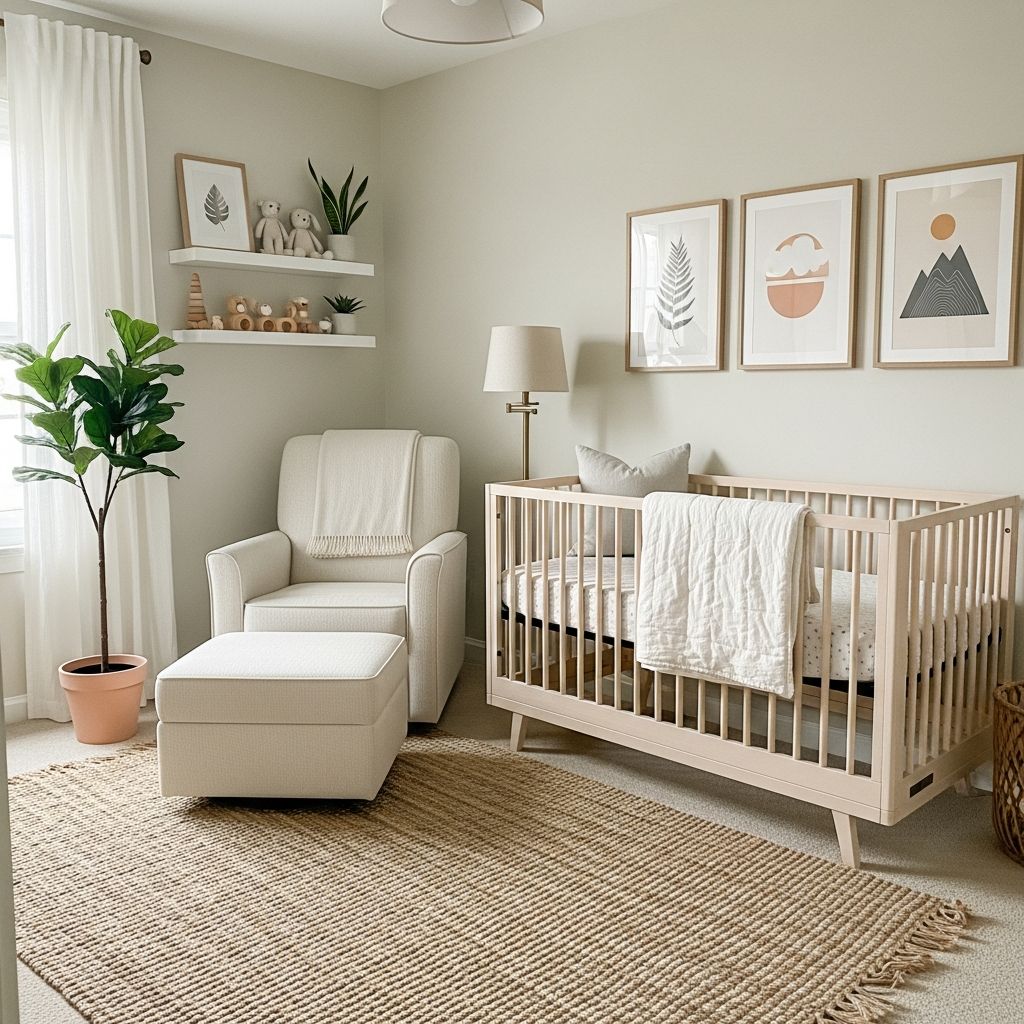
Designing a nursery that feels both welcoming and enduring starts with a commitment to simplicity and natural elements. Neutral palettes create a soothing backdrop that adapts as your child grows, blending functionality with aesthetic appeal. This approach draws from professional designers who prioritize organic materials and versatile layouts to foster a space that’s as practical as it is beautiful.
Why Choose Neutral Tones for Your Baby’s Space
Neutral colors like soft beiges, warm grays, and earthy taupes offer a calming atmosphere ideal for rest and play. These hues promote better sleep by reducing visual stimulation, according to child development experts. Unlike bold primaries that can overwhelm tiny senses, neutrals provide flexibility—easily accessorized with pops of color via toys or textiles as preferences evolve.
Parents often select neutrals for their gender-neutral appeal, making the room suitable for siblings of any gender. This versatility extends to longevity; what serves as a newborn haven can transition seamlessly into a toddler playroom or even a future child’s study nook. The organic feel evoked by these tones connects families to nature, enhancing emotional well-being in early years.
- Calming effect: Lowers stress for babies and caregivers alike.
- Adaptability: Grows with the child without major overhauls.
- Sustainability: Timeless choices reduce the need for frequent redecoration.
Selecting Organic Materials for Lasting Comfort
Natural fabrics and woods form the foundation of an organic nursery. Opt for breathable linens, organic cottons, and untreated timber to ensure safety and hypoallergenic properties. These materials regulate temperature and humidity, crucial for infant health, while their textured surfaces add depth without clutter.
Wooden cribs with smooth, non-toxic finishes stand out for durability. Pair them with wool rugs or sheepskin throws for warmth underfoot. Baskets woven from seagrass or rattan provide stylish storage, keeping essentials organized yet accessible. This material palette not only looks refined but also supports eco-conscious parenting by minimizing synthetic exposures.
| Material | Benefits | Best Uses |
|---|---|---|
| Linen | Breathable, softens with washes | Crib sheets, curtains |
| Untreated Wood | Non-toxic, durable | Cribs, shelves |
| Organic Cotton | Hypoallergenic, sustainable | Blankets, pillows |
| Seagrass | Natural texture, sturdy | Baskets, rugs |
Building a Serene Layout for Functionality
Efficient space planning maximizes a nursery’s potential. Position the crib near a window for natural light, which aids circadian rhythms, but use sheer curtains to filter harsh rays. A cozy rocking chair in one corner invites bonding moments, while open shelving displays books and toys without overwhelming the room.
Multi-functional furniture shines here: a changing dresser that doubles as a nightstand or a convertible crib that becomes a toddler bed. Keep pathways clear to prevent accidents, and incorporate soft area rugs to define zones—play, sleep, and feeding. This thoughtful arrangement ensures the room serves daily needs while maintaining visual peace.
Incorporating Subtle Textures and Patterns
Layering textures elevates a neutral nursery from bland to inviting. Think chunky knits on gliders, woven wall hangings, or quilted wall art. Subtle patterns like faint geometrics on pillows or stripes on Roman shades add interest without dominating the palette.
Wall treatments play a key role—consider grasscloth panels or limewash paint for a tactile, matte finish. These choices reflect light softly, creating a warm glow. Avoid glossy surfaces that can feel clinical; instead, embrace matte and natural sheens for an authentic, lived-in vibe that encourages exploration.
Artistic Touches: Personalizing Without Overload
Art introduces personality through framed prints or mobiles with wooden beads and neutral fabrics. Select pieces with organic motifs—leaves, animals, or abstracts—to tie into the theme. Gallery walls with black-and-white photography offer sophistication and easy updates.
Lighting enhances artistry: layered options like a sculptural floor lamp, table sconces, and dimmable overheads create ambiance. Warm bulbs mimic sunset hues, signaling bedtime. These elements make the space uniquely yours while preserving the neutral core.
Sustainable Choices for Eco-Friendly Design
Modern parents prioritize sustainability with reclaimed wood accents, low-VOC paints, and GOTS-certified textiles. These reduce environmental impact and promote healthier indoor air. Modular furniture allows reconfiguration, extending usability and minimizing waste.
Incorporate plants like snake plants or pothos in hanging planters for air purification—safe, non-toxic varieties only. This green touch reinforces the organic ethos, teaching little ones about nature from the start.
Practical Storage Solutions in Neutral Spaces
Clutter disrupts serenity, so integrate hidden and visible storage seamlessly. Under-crib drawers, wall-mounted bins, and ottomans with compartments keep diapering supplies tidy. Label baskets for quick access, using neutral tags that blend in.
Vertical space savers like floating shelves hold books and stuffed animals, fostering early literacy. Rotating toys prevents overstimulation, maintaining a clean, peaceful environment essential for development.
Adapting the Nursery for Growing Children
A well-designed neutral nursery evolves effortlessly. Swap swaddles for blankets, add a playmat, or introduce a desk as needs change. The enduring palette accommodates these shifts, saving time and money.
Plan for tech integration too—outlets for white noise machines or monitors positioned discreetly. This foresight ensures the room remains relevant through toddlerhood and beyond.
Expert Tips for Your Neutral Nursery
- Start with **essential pieces** first: crib, changer, rocker.
- Test **fabric samples** in the room’s lighting.
- Incorporate **mirrors** safely to amplify light and space.
- Choose **washable rugs** for inevitable spills.
- Layer **lighting** for versatile moods.
Frequently Asked Questions
What colors work best in a neutral nursery?
Stick to beiges, taupes, soft grays, and creams. These create harmony and allow accents in any hue.
Are organic materials worth the investment?
Yes—they’re safer, more durable, and environmentally friendly, offering long-term value.
How can I make a small nursery feel larger?
Use light neutrals, mirrors, and minimal furniture. Vertical storage draws the eye upward.
What’s the ideal lighting setup?
Combine ambient overhead, task lamps, and nightlights. Dimmers provide control.
Can neutral nurseries feel playful?
Absolutely—add textured toys, mobiles, and removable decals for fun without commitment.
This comprehensive guide empowers you to craft a nursery that’s a sanctuary of calm and creativity. By focusing on neutrals and organics, your space will nurture growth for years to come.
References
- Child Sleep Environment Guidelines — American Academy of Pediatrics. 2024-10-15. https://publications.aap.org/pediatrics/article/152/5/e2023064250/193320/Sleep-Related-Infant-Deaths-Updated-2022
- Indoor Air Quality in Homes — U.S. Environmental Protection Agency. 2025-03-20. https://www.epa.gov/indoor-air-quality-iaq/introduction-indoor-air-quality
- Global State of Play: Indoor Air Quality — World Health Organization. 2023-06-01. https://www.who.int/news-room/fact-sheets/detail/household-air-pollution-and-health
- Safe Sleep Recommendations — Centers for Disease Control and Prevention. 2024-11-10. https://www.cdc.gov/sids/about/index.html
- Organic Textiles Standards — Global Organic Textile Standard. 2025-01-05. https://global-standard.org/