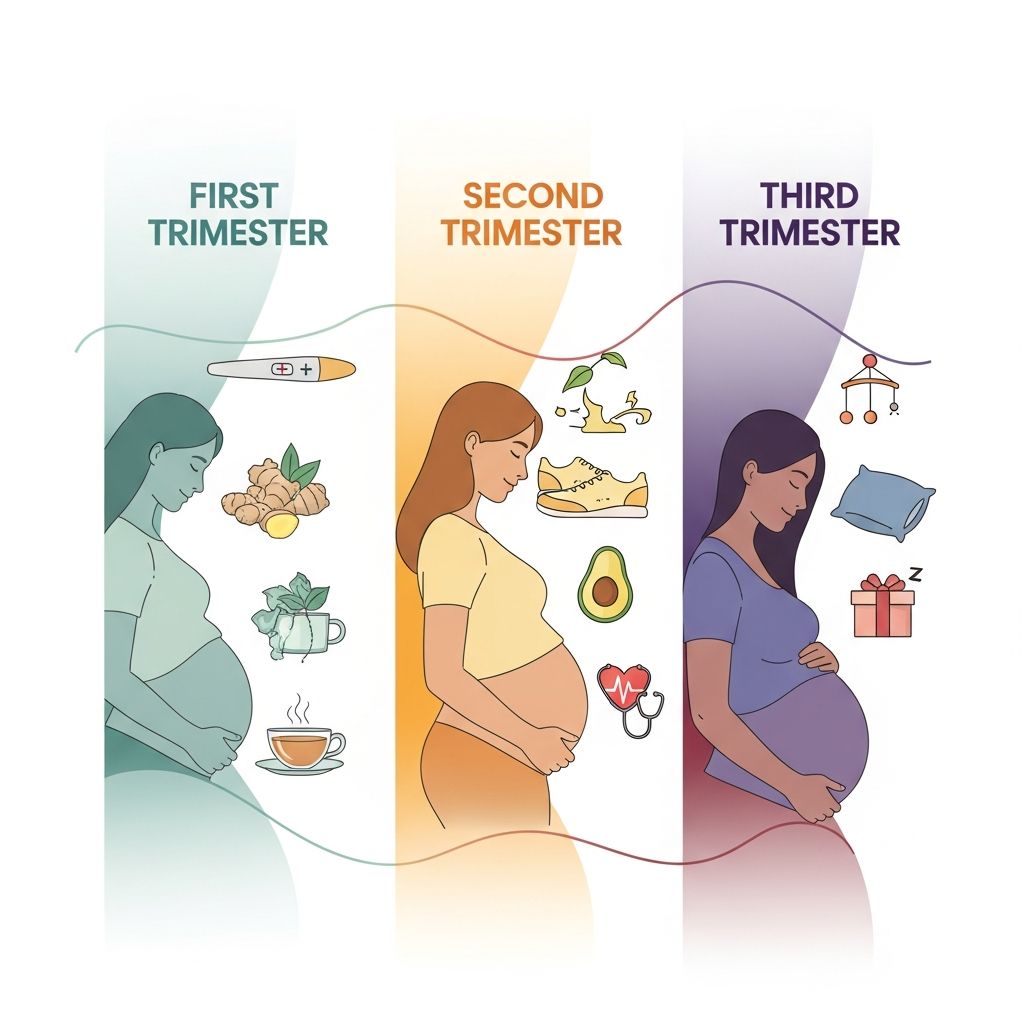
The nesting instinct represents a profound biological and emotional drive that emerges in many expectant parents as childbirth draws close. This phenomenon, often peaking in the third trimester, compels individuals to ready their home and life for the newborn. Rooted in hormonal fluctuations such as rising oxytocin and estrogen levels, nesting helps transform anxiety into productive action, fostering a sense of control amid uncertainty. While not universal, recognizing these signs can reassure parents that their body is aligning for delivery.
Understanding the Biological Roots of Nesting
From an evolutionary standpoint, nesting ensures a safe environment for offspring, a trait observed across species. In humans, it manifests through heightened activity driven by hormonal surges. Estrogen, which peaks late in pregnancy, enhances energy and focus on preparatory tasks. Oxytocin, the ‘bonding hormone,’ amplifies emotional investment in creating a nurturing space. Adrenaline contributes to the urgency felt during this phase. Studies, including a 2013 analysis of pregnant women’s behaviors, confirm nesting intensifies in the third trimester, correlating with labor proximity.
Not everyone nests equally; factors like prior pregnancies, stress levels, and personality influence its presence. Some experience it postpartum, organizing amidst newborn care. Importantly, the absence of nesting does not predict complications—it’s simply one of many labor precursors.
Physical Indicators of Impending Nesting
Physical changes often herald the nesting phase, signaling your body’s final preparations.
- Sudden Energy Burst: After trimester-long fatigue, a remarkable vitality emerges, enabling marathon cleaning sessions. This ‘second wind’ is common days or weeks before labor, attributed to hormonal shifts boosting stamina.
- Restlessness and Sleep Disruptions: Difficulty staying still, even at night, drives early-morning or late-night tasks. This internal urgency feels like an alarm clock set by nature.
- Heightened Sensory Awareness: Dust, clutter, or odors suddenly become intolerable, prompting immediate action. Your senses sharpen to protect the vulnerable newborn immune system.
Household Transformation Drives
Nesting profoundly impacts the home environment, turning ordinary spaces into baby-ready havens.
Obsessive Cleaning Rituals
A hallmark of nesting is an unrelenting need to sanitize every corner. Freezers, baseboards, windowsills—areas ignored for months demand attention. Expectant parents report scrubbing surfaces repeatedly, driven by fears of germs threatening the baby. This phase, dubbed ‘third wipe-down mania’ in anecdotal accounts, reflects protective instincts overriding normal fatigue. Use natural cleaners to avoid chemical exposure near delivery.
Decluttering and Organizing Frenzies
Drawers are sorted, closets purged, and toys inventoried with puzzle-piece precision. Missing items spark house-wide hunts, as if perfect order equates to parental readiness. This reorganization creates functional nurseries and streamlined daily routines.
| Nesting Task | Why It Happens | Safe Tips |
|---|---|---|
| Deep Kitchen Clean | Prep for family meals post-birth | Delegate heavy lifting; focus on light wipes |
| Nursery Setup | Secure sleeping area | Follow AAP sleep guidelines: firm mattress, no pillows |
| Laundry Overhaul | Fresh linens for baby | Use hypoallergenic detergents |
Emotional and Mental Shifts
Beyond physicality, nesting reshapes mindset, blending excitement with introspection.
- Emotional Readiness Surge: A deep contentment arises from preparations, strengthening parent-child bonds pre-birth.
- Urgency and Anxiety Balance: While thrilling, nesting can tip into worry about unreadiness. Monitor for extreme cases involving insomnia or partner distancing.
- Selective Socializing: Preferences shift toward intimate circles, curating a supportive network.
12 Key Signs You’re Nesting
Here’s a comprehensive list of indicators, drawn from common experiences and expert observations:
- Uncharacteristic Tidiness: Messy individuals suddenly make beds daily and aim socks accurately.
- Gem-Phobic Obsession: Every surface gets multiple sanitizations; Clorox stockpiles grow.
- Toy and Gear Inventory: Frantic searches for stray pieces affirm organizational prowess.
- DIY Home Projects: Repainting or assembling furniture despite physical limits.
- Meal Prep Marathons: Freezer-stocking with nutritious batches for postpartum ease.
- Wardrobe Overhauls: Sorting baby clothes by size, washing everything fresh.
- Partner Taskmaster Mode: Directing repairs or setups with military precision.
- Digital Declutter: Organizing photos, apps, and contacts for newborn documentation.
- Sustenance Stockpiling: Grocery hauls rival apocalypse preps.
- Self-Care Intensification: Manicures, hair trims—feeling presentable for hospital pics.
- Memory Lane Trips: Journaling or scrapbooking pregnancy milestones.
- Off-Grid Fantasies: Extreme cases ponder homesteading for pure baby-raising.
When to Expect the Nesting Wave
Typically, nesting crests 2-4 weeks pre-labor, though it varies. First-time parents may start earlier; multiparous individuals often nest closer to delivery. Track alongside other signs like Braxton Hicks or lightning crotch for holistic readiness. Post-term? Nesting can persist without issue.
Healthy Ways to Channel Nesting Energy
Harness this drive productively while prioritizing safety:
- Delegate strenuous tasks to partners or family.
- Batch tasks to conserve energy for labor.
- Incorporate rest breaks; hydration is key.
- Prepare hospital bags amid home efforts.
- Consult midwives if anxiety escalates.
Per Cleveland Clinic experts, babies thrive in real homes, not Instagram-perfect ones—focus on functionality over flawlessness.
Potential Pitfalls: Extreme Nesting
Moderate nesting empowers; excess signals caution. Watch for:
- Intrusive fears dominating thoughts.
- Physical strain like palpitations.
- Relationship tensions from perfectionism.
If these arise, breathe deeply, journal, or seek doula support. Nesting should energize, not exhaust.
Frequently Asked Questions (FAQs)
What triggers the nesting instinct?
Hormonal peaks like estrogen and oxytocin, plus evolutionary prep urges, spark nesting primarily in the third trimester.
Is nesting a reliable labor predictor?
It’s suggestive but not definitive; combine with contractions, water breaking, or mucus plug loss for accuracy.
What if I don’t nest at all?
Perfectly normal—many deliver without it. Readiness comes in diverse forms.
Can partners nest too?
Yes, ‘dad nesting’ or co-parent surges mirror maternal ones, building shared excitement.
How to manage nesting fatigue?
Prioritize, enlist help, and rest—save stamina for birth.
Embracing Nesting for a Confident Arrival
Nesting bridges pregnancy’s uncertainty to parenthood’s joy. By recognizing its signs—from energy explosions to emotional tuning—you align body and home for your baby’s debut. Celebrate this primal force; it’s your intuition at work.
References
- The Nesting Instinct: Signs to Watch for Before Birth — Raskana. 2023. https://raskana.com/es/blogs/journal/the-nesting-instinct-signs-to-watch-for-before-birth
- The 7 Phases of Nesting While Pregnant — Mom.com. 2023. https://mom.com/pregnancy/7-phases-nesting-while-pregnant
- Nesting During Pregnancy: What It Is and When It Starts — The Bump. 2023. https://www.thebump.com/a/nesting
- Nesting Instinct While Pregnant: Here’s What It Means — Healthline. 2023-10-24. https://www.healthline.com/health/pregnancy/nesting
- Nesting Instinct in Pregnancy — Cleveland Clinic Health Essentials. 2023-05-17. https://health.clevelandclinic.org/nesting
- Top Signs You’ve Entered The Nesting Pregnancy Stage — Vivvi. 2023. https://vivvi.com/blog/articles/nesting-stage-signs