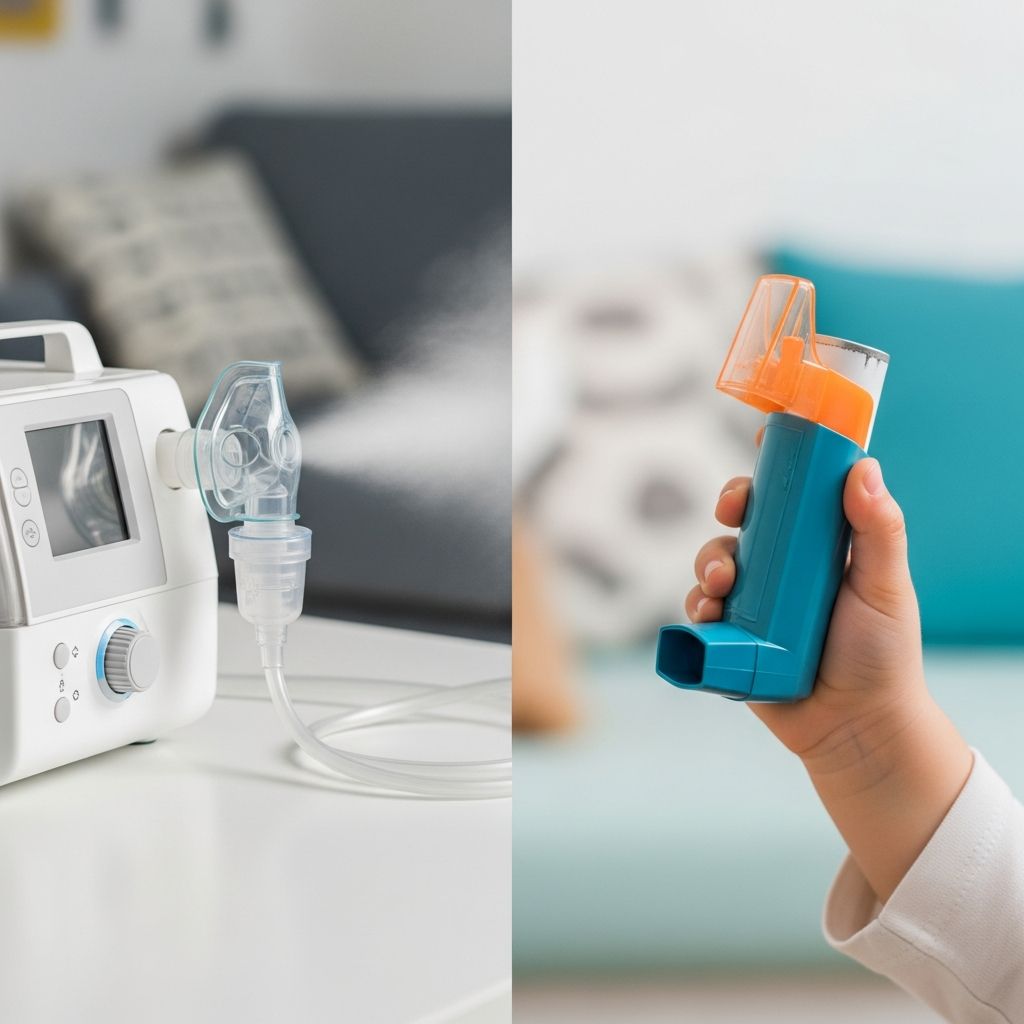
Respiratory devices like nebulizers and inhalers play a crucial role in delivering medication directly to children’s lungs, helping manage conditions such as asthma, cystic fibrosis, and chronic bronchitis. These tools convert liquid or pressurized drugs into forms that kids can easily inhale, providing quick relief from symptoms like wheezing and shortness of breath.
Understanding Respiratory Devices for Young Patients
When children face breathing difficulties, timely medication delivery is essential. Nebulizers and inhalers target the airways precisely, minimizing systemic side effects compared to oral drugs. For infants and toddlers who struggle with coordinated breathing, these devices offer accessible solutions.
Healthcare providers prescribe them based on the child’s age, condition severity, and ability to use the device independently. Parents must follow prescriptions closely to ensure safety and efficacy.
Exploring Nebulizer Technology
A nebulizer is a machine that aerosolizes liquid medication into a breathable mist, ideal for prolonged treatments. It consists of a compressor or power source, tubing, a medication cup, and a mouthpiece or mask.
Children simply breathe normally while the device operates, making it suitable for those under five years old or during acute episodes. Treatments last 5-20 minutes, allowing higher doses without effort.
Main Types of Nebulizers
- Jet Nebulizers: Powered by compressed air, these produce fine particles but are noisy and require an external air source. They excel in delivering smaller aerosols for deeper lung penetration.
- Ultrasonic Nebulizers: Use high-frequency vibrations to create mist quietly, though droplets may be larger, potentially limiting efficacy for some medications. They are compact and battery-friendly.
- Mesh Nebulizers: Feature a vibrating mesh for ultra-fine mist, offering portability, silence, and precise dosing via microchip control. Ideal for on-the-go use with kids.
Portable models run on batteries or car adapters, enhancing usability during travel or school.
How to Operate a Nebulizer Step-by-Step
Proper setup ensures effective treatment. Begin by washing hands and gathering supplies: clean nebulizer parts, prescribed medication, and distilled water if needed.
- Fill the medication cup with the exact dose as directed, avoiding tap water to prevent contamination.
- Assemble components: connect tubing to compressor and cup, then attach mask or mouthpiece securely.
- Position child comfortably, ideally upright, and turn on the device. Encourage steady breathing; a slight tilt helps mist flow.
- Observe for completion: treatment ends when mist thins or cup emptens, typically 10-15 minutes.
- Disconnect and rinse parts immediately.
For babies, use a pacifier adapter or head strap for masks to maintain position.
Cleaning and Maintenance Essentials
Hygiene prevents infections. Daily: disassemble, rinse with warm soapy water, air dry. Weekly: soak in vinegar solution (1:3 vinegar-water) for 30 minutes, then rinse thoroughly. Replace filters monthly and cups/tubing every 3-6 months.
| Frequency | Task | Purpose |
|---|---|---|
| After Each Use | Rinse with soap and water | Remove residue |
| Weekly | Vinegar soak | Kill bacteria |
| Monthly | Replace filter | Maintain airflow |
Avoid dishwashers unless specified, as heat can warp plastic.
Inhalers: Compact Alternatives for Older Kids
Inhalers deliver medication via pressurized spray or dry powder, requiring inhalation coordination. They are faster (under 30 seconds with spacers) and portable, suiting school-age children.
Types of Inhalers
- Metered-Dose Inhalers (MDIs): Propellant-driven sprays; spacers reduce coordination needs, capturing medicine for tidal breathing.
- Dry Powder Inhalers (DPIs): Breath-activated powders; no propellant, but require strong inhalation unsuitable for very young kids.
Common drugs include albuterol (short-acting bronchodilator) and ipratropium for acute relief.
Mastering Inhaler Techniques for Children
Teach kids the “open-mouth” method or use spacers. Shake MDI, exhale fully, place mouthpiece between lips, press canister while inhaling slowly for 3-5 seconds, hold breath 10 seconds.
For spacers: attach to inhaler, spray once, let child breathe 5-10 times normally. Visual aids like apps or demos help practice.
Comparing Nebulizers and Inhalers
| Feature | Nebulizer | Inhaler (with Spacer) |
|---|---|---|
| Treatment Time | 5-20 minutes | <1 minute |
| Portability | Moderate (portable options) | High (pocket-sized) |
| Ease for Young Kids | Excellent (passive breathing) | Good with spacer |
| Cost | Higher upfront, insurance often covers | Lower |
| Noise | Often loud (jet type) | Silent |
Nebulizers suit severe cases or infants; inhalers fit active lifestyles.
Conditions Treated with These Devices
- Asthma: Relieves bronchospasm with bronchodilators.
- COPD: Manages chronic obstruction in older children.
- Cystic Fibrosis: Clears mucus with hypertonic saline.
- Bronchiectasis & Infections: Delivers antibiotics directly.
Combination therapies like albuterol-ipratropium target acute attacks.
Benefits and Potential Drawbacks
Benefits: Direct lung delivery speeds action, reduces oral steroid needs, portable options improve compliance.
Drawbacks: Nebulizers need power/electricity; inhalers demand technique. Side effects include rapid heartbeat from overuse.
Practical Tips for Parents
- Store devices in clean, dry areas away from pets.
- Track usage in a log for doctor visits.
- Involve children in cleaning to build responsibility.
- Travel with backups and adapters.
Consult providers for personalized plans; emergencies warrant immediate care.
Frequently Asked Questions (FAQs)
Can babies use nebulizers?
Yes, with fitted masks; they breathe naturally during treatment.
Is a nebulizer louder than an inhaler?
Jet types are noisy; mesh/ultrasonic are quieter.
How often should nebulizer parts be replaced?
Cups and masks every 3 months; tubing yearly.
Do inhalers work better than nebulizers?
Not inherently; choice depends on child’s age and needs.
Can I use tap water in nebulizers?
No, use distilled to avoid mineral buildup.
Empowering Families for Better Breathing
Mastering nebulizers and inhalers equips parents to handle respiratory issues confidently. Regular check-ins with healthcare teams ensure optimal use as children grow.
References
- What is a nebulizer? Definition, types, uses. — CVS Pharmacy. 2023. https://www.cvs.com/learn/health/asthma-respiratory-health/what-is-a-nebulizer
- Nebulizer. — Wikipedia. Accessed 2026. https://en.wikipedia.org/wiki/Nebulizer
- Understanding Nebulizers: A Key Tool for Respiratory Health. — Rays Pharmacy RX. 2024. https://rayspharmacyrx.com/understanding-nebulizers-a-key-tool-for-respiratory-health/
- What Are Nebulizers and Inhalers? — Nemours KidsHealth. 2025. https://kidshealth.org/en/parents/nebulizer-inhaler.html
- Home Nebulizer Therapy. — Cleveland Clinic. 2024-01-15. https://my.clevelandclinic.org/health/drugs/4254-home-nebulizer