Nature-themed coloring pages turn a box of crayons into a doorway to forests, oceans, gardens, and mountains, all from the comfort of the kitchen table. Thoughtfully chosen pages can support fine motor skills, language development, emotional regulation, and a lasting appreciation for the natural world.
Why Nature Makes the Best Muse
Children are naturally drawn to animals, plants, landscapes, and weather; these familiar yet fascinating subjects make coloring feel meaningful instead of random. When kids color a butterfly, a rainforest, or a coral reef, they start forming early mental pictures of ecosystems, life cycles, and habitats that school lessons will build on later.
Nature also offers an endless variety of shapes, textures, and colors—from tree bark and clouds to shells and feathers—giving children rich material for experimentation. This variety keeps coloring fresh and exciting, even for older kids who may have outgrown simple cartoon pages.
Key Benefits of Nature Coloring Pages
Coloring is often seen as a quiet pastime, but it quietly strengthens many foundational skills at once. Nature themes add an extra layer of learning by linking those skills to real-world knowledge about the environment.
- Fine motor practice: Holding crayons or pencils and staying (mostly) in the lines builds hand strength and control.
- Focus and patience: Completing even a small patch of grass or sky teaches kids to stick with a task until it feels finished.
- Vocabulary growth: Each page is a chance to talk about new words like “antlers,” “tide pool,” or “migration.”
- Emotional regulation: Repetitive strokes and familiar patterns can be calming for anxious or overstimulated children.
- Environmental awareness: Regular exposure to plants, animals, and landscapes builds quiet respect and curiosity about the planet.
Skill Building at Every Age
The same nature coloring page can challenge a preschooler and a tween in entirely different ways; it all comes down to how you present it. Instead of pushing for perfection, match expectations to developmental stage so coloring stays enjoyable and confidence-building.
| Age group | Main goals | Suggested page style | Helpful prompts |
|---|---|---|---|
| Toddlers (2–3) | Grip practice, color exploration, sensory enjoyment | Large, simple shapes like big flowers, suns, trees | “Can you find the biggest leaf?” “What color do you want the sky to be?” |
| Preschoolers (3–5) | Hand control, early color naming, simple choices | Bold outlines, a few big animals or plants | “Which animal lives in the water?” “Can you give the bird a bright tail?” |
| Early elementary (6–8) | Attention span, planning, basic facts about nature | Scenes with several elements: trees, clouds, insects | “What season is this picture?” “What might this animal eat?” |
| Older kids (9+) | Shading, patience, creativity, deeper curiosity | Detailed habitats, mandalas with leaves, complex landscapes | “How could you make the sunset look dramatic?” “Where do these animals live in the world?” |
Types of Nature Pages Kids Love
Rotating different nature themes keeps kids engaged and helps them see how many living things share the planet with them. You can choose pages based on seasons, school topics, or your child’s current fascinations.
- Forest friends: Deer, foxes, owls, squirrels, and bears surrounded by trees and mushrooms.
- Under the sea: Fish, coral, turtles, whales, and seaweed in swirling underwater scenes.
- Garden life: Flowers, vegetables, butterflies, bees, and ladybugs buzzing around plants.
- Weather and skies: Rainbows, thunderstorms, snowflakes, sunsets, and starry nights.
- Global habitats: Rainforests, deserts, polar regions, grasslands, and mountains to introduce biomes.
Turning Coloring into a Learning Moment
A few open-ended questions can turn a quiet coloring session into a gentle science or geography lesson without making it feel like homework. Follow the child’s lead—when they point to an animal or ask a question, build from that natural curiosity instead of steering the conversation too hard.
- Ask “where” and “why” questions, such as “Where do you think this turtle sleeps?” or “Why might this flower need bees?”
- Connect to real-life experiences: “Remember the park we visited—did we see trees like this there?”
- Introduce simple facts in everyday language: “Owls are awake at night; that’s called being nocturnal.”
- Encourage storytelling: “Tell me what happened in this forest just before you colored this picture.”
Boosting Creativity, Not Just Staying in the Lines
While many adults focus on neat edges, the biggest creative leaps often come when children feel free to bend the “rules.” Letting the sky be green or the ocean be orange gives kids permission to experiment and develop their own artistic style.
- Offer a mix of realistic and imaginary pages, such as a normal forest scene next to a “magic garden” with giant mushrooms.
- Invite kids to add their own elements—extra stars, new animals, a hidden fairy, or an invented plant.
- Provide different tools (crayons, colored pencils, markers, gel pens) so they can explore texture and blending.
- Celebrate effort and originality rather than pointing out where they colored outside the lines.
Coloring for Calm and Emotional Expression
Many children relax when their hands are busy and their brains can focus on simple, repetitive motions like shading a sky or filling in grass. Nature scenes add soothing imagery—waves, leaves, clouds—that pairs well with deep breathing and sensory breaks.
Coloring can also work as a gentle emotional outlet; kids sometimes choose darker or brighter colors based on how they feel. Instead of analyzing every choice, create a supportive space by sitting nearby, offering to color together, and listening if they choose to talk.
Ideas for Home and Classroom Use
With a little structure, nature coloring pages can smoothly fit into busy routines at home or in school. The goal is to keep materials easy to reach and expectations simple so kids can start independently and clean up with minimal help.
At Home
- Keep a “nature art basket” with printed pages, coloring tools, and a clipboard for easy use at the table or on the couch.
- Use coloring as a wind-down activity before bed instead of screens, especially with softer colors and calming scenes like forests or night skies.
- Pair coloring with read-aloud time by choosing pages that match a book about animals, weather, or seasons.
- Hang finished pages on a “mini gallery” wall or fridge section to show that effort and creativity are valued.
In the Classroom
- Set up a nature-themed coloring station for early finishers or quiet time transitions.
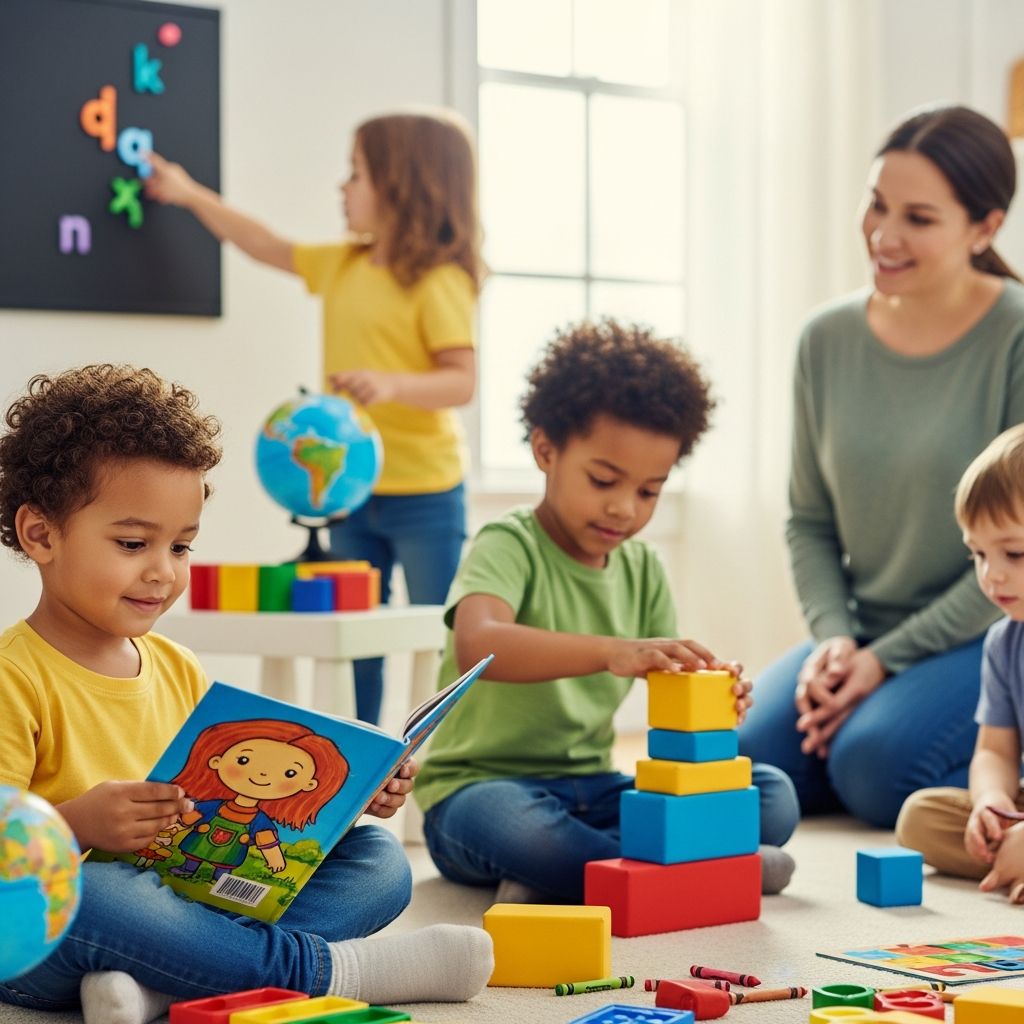
- Match pages to units on habitats, life cycles, or environmental topics to reinforce vocabulary and concepts.
- Invite students to color and then label parts of the scene (roots, trunk, branches, leaves, clouds, mountains) for integrated science and literacy practice.
- Use group murals where each child colors one piece of a big habitat puzzle, then assemble it for a bulletin board display.
Connecting Coloring to Outdoor Experiences
The most powerful use of nature coloring pages is as a bridge between indoor art time and real-world exploration. Children remember far more when they color a scene, then see a similar plant or animal outside soon afterward.
- Color a simple bird or leaf page, then go on a short walk to spot similar shapes and colors in your neighborhood or yard.
- After a visit to the beach, zoo, or park, offer pages related to what you saw so kids can “retell” the experience in color.
- Create a seasonal binder where each section (spring, summer, fall, winter) includes both coloring pages and a few photos from family outings.
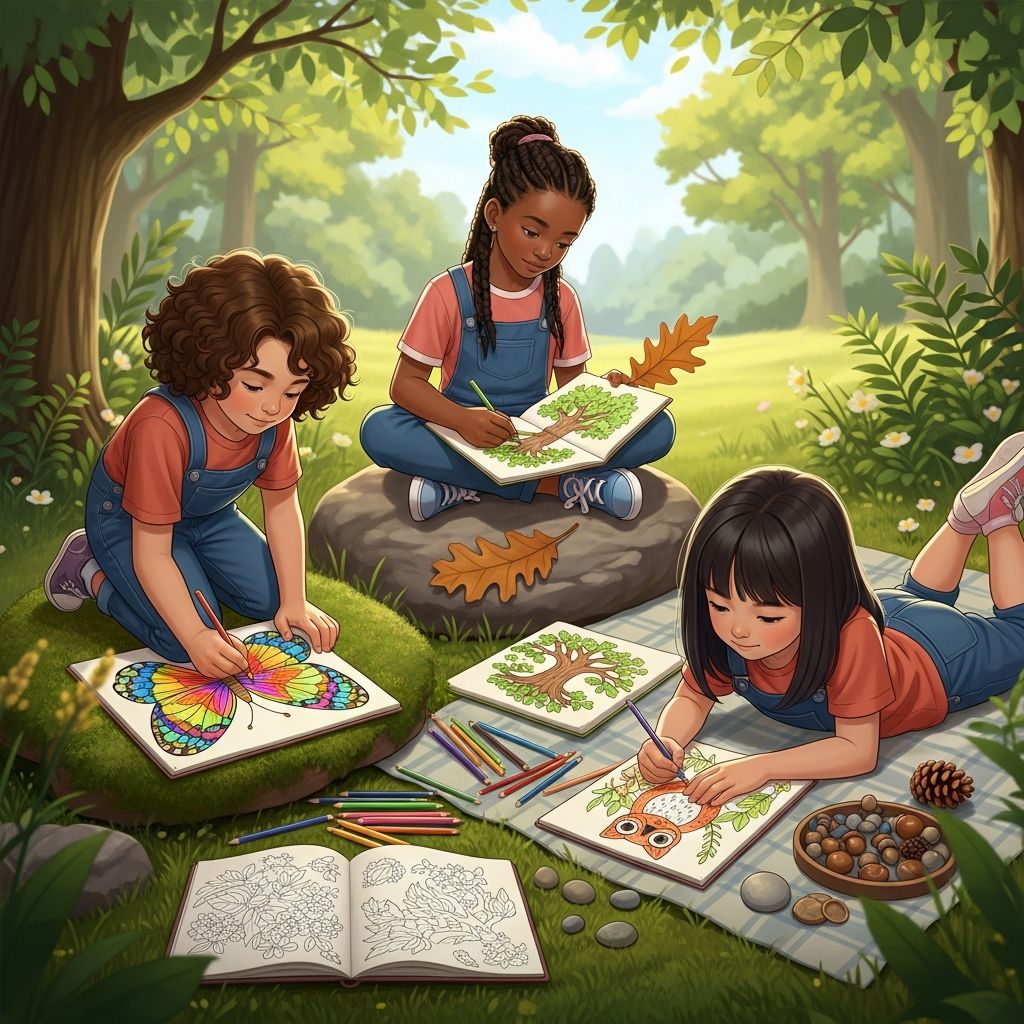
- Encourage kids to sketch or color from life using a leaf, flower, or rock as a reference next to their page.
Eco-Friendly Tips for Coloring Fans
Since nature coloring pages celebrate the planet, it makes sense to handle supplies in a way that respects the environment as well. Simple choices about paper, printing, and reuse can reduce waste while still giving kids plenty to create with.
- Print multiple small images on a single page when possible, especially for younger kids who fill pages quickly.
- Use both sides of paper for drawing and coloring, or turn finished pages into greeting cards, bookmarks, or simple collages.
- Save scraps of partially used paper for cutting and pasting projects instead of throwing them away.
- Choose sturdy, long-lasting coloring tools so broken or dried-out supplies end up in the trash less often.
Simple Nature Coloring Activity Ideas
When you are ready to move beyond single pages, try themed mini-projects that stretch over a few days. These small “series” help children see connections between different animals, plants, and places.
- Backyard safari book: Print a few simple animal and insect pages, fold them into a booklet, and let your child color one per day, adding a made-up fact or story under each picture.
- Four seasons wall: Choose one tree or landscape image and print it four times; color each one as a different season and display them in order on the wall.
- Ocean zone poster: Color different sea creatures that live near the surface, in the middle, and deep in the ocean, then glue them on a large blue sheet in “layers.”
- Pollinator parade: Color bees, butterflies, birds, and flowers, then string them together into a banner to celebrate how living things help plants grow.
Frequently Asked Questions
How often should kids use coloring pages?
There is no strict rule; many families find that a few short sessions a week strike a good balance with free drawing, outdoor play, and other activities. The priority is to keep coloring as a relaxing choice, not a chore or a reward that children must “earn.”
Can coloring pages limit creativity?
Coloring pages only restrict creativity when adults insist on “correct” colors or perfect technique. When children are free to choose colors, add their own details, and drift into imaginative stories while they color, pages can actually amplify creativity.
What if my child scribbles quickly and walks away?
Quick scribbling is a normal stage, especially for toddlers and preschoolers; it shows they are exploring motion and texture more than neatness. Instead of correcting them, offer a mix of blank paper and simple pages, and celebrate even brief engagement as practice for future focus.
Are digital coloring apps as good as paper pages?
Digital coloring can be fun, but paper-based coloring usually offers richer fine motor benefits because it requires real grip strength and pressure control. Many families use both, favoring physical pages when they want screen-free time or deeper, hands-on practice.
What supplies are best for beginners?
For young children, thick crayons or triangular pencils that are easy to hold are often the most comfortable starting point. As kids grow, add thin colored pencils and a few washable markers so they can experiment with finer details and bolder colors.
Bringing It All Together
Nature coloring pages may look simple, but they quietly combine art, science, emotional growth, and environmental awareness in one low-cost activity. With a small stack of pages and a handful of crayons, families and teachers can nurture calmer minds, stronger hands, and curious hearts that notice and care about the world outside the window.