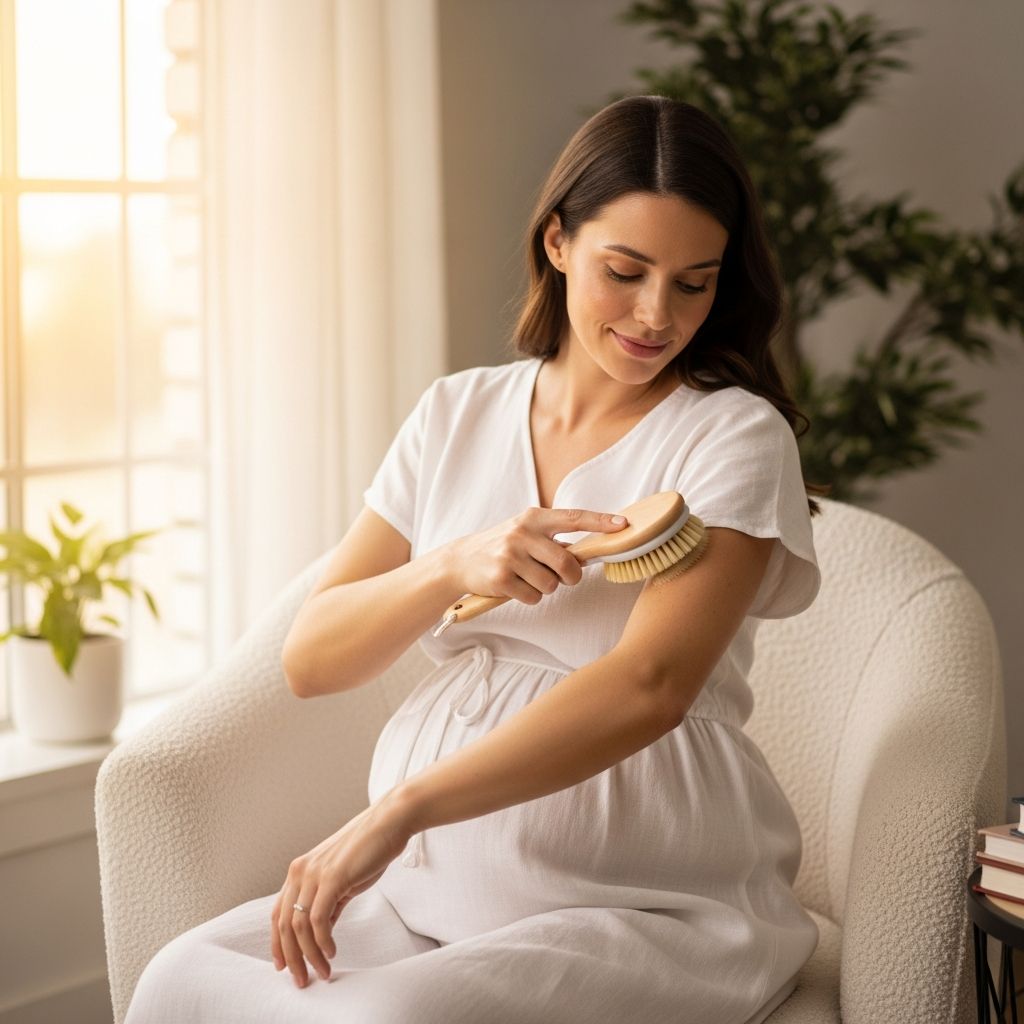
Understanding Natural Skin Brushing During Pregnancy
Pregnancy transforms your body in remarkable ways, and your skin experiences significant changes during this transformative period. While many expectant mothers focus on prenatal vitamins and stretching routines, one often-overlooked self-care practice can profoundly impact skin health and overall comfort: natural bristle brushing. This ancient technique, grounded in wellness traditions across cultures, has gained renewed attention from modern healthcare practitioners and expectant mothers seeking holistic approaches to body care.
Natural bristle brushing is a straightforward practice that involves using a brush with natural fibers to gently massage the skin in specific directional patterns. Unlike synthetic brushes, natural bristles create an ideal texture for stimulating the skin without causing unnecessary irritation. The technique takes only five to ten minutes and can be seamlessly incorporated into your existing shower routine, making it both accessible and practical for busy expectant mothers navigating pregnancy’s physical and emotional demands.
How Natural Bristle Brushing Supports Your Body’s Detoxification Systems
One of the most significant benefits of natural bristle brushing during pregnancy relates to lymphatic system activation. Your lymphatic system functions as your body’s natural waste-removal mechanism, working continuously to eliminate toxins, excess fluid, and metabolic byproducts. During pregnancy, your lymphatic system becomes even more critical as your body manages increased fluid volumes and supports both your health and your developing baby’s needs.
When you engage in natural bristle brushing, the gentle mechanical stimulation encourages lymph fluid to move more efficiently through vessels and nodes. This enhanced lymphatic flow has cascading benefits: your body can more effectively remove accumulated toxins, reduce water retention that causes uncomfortable swelling in the legs and feet, and support immune function when your body is working particularly hard to maintain wellness during pregnancy. The key to maximizing this benefit lies in brushing in the correct direction—always moving toward your heart and toward the nearest major lymph node drainage areas, which ensures you’re working with your body’s natural fluid flow rather than against it.
Circulation Enhancement and Reduction of Pregnancy Swelling
Many expectant mothers experience sluggish circulation as pregnancy progresses, particularly in the lower extremities. This reduced circulation contributes to fluid accumulation in the legs, ankles, and feet—a phenomenon commonly called pregnancy-related edema or “cankles.” While some degree of swelling is a normal part of pregnancy, excessive swelling can cause discomfort and limit mobility during a time when staying active is beneficial.
Natural bristle brushing directly addresses circulatory challenges by stimulating blood flow to the skin and underlying tissues. As you brush, the mechanical action encourages blood vessels to dilate slightly, improving oxygen delivery to cells and tissues. Enhanced circulation means better nutrient transport to skin cells and improved removal of metabolic waste products. Many pregnant women report noticeable reductions in leg and ankle swelling within weeks of establishing a consistent brushing routine, allowing them to remain more comfortable and active throughout their pregnancy.
Skin Texture Transformation and Natural Exfoliation
Pregnancy hormone fluctuations often result in uneven skin texture, dryness, sensitivity, and the development of stretch marks. Additionally, the body naturally sheds dead skin cells continuously, and during pregnancy, this cellular turnover can sometimes feel accelerated due to hormonal changes. Dead skin cell accumulation can make your complexion appear dull, uneven, and less vibrant—exactly when many women hope to maintain a healthy glow during pregnancy photos and special occasions.
Natural bristle brushing provides gentle exfoliation by removing accumulated dead skin cells from the outer layer of your skin. This process reveals fresher, healthier-looking skin beneath, naturally enhancing your complexion’s radiance. Unlike chemical exfoliants or harsh scrubs that may irritate pregnancy-sensitive skin, natural bristle brushing offers a gentler alternative that still delivers visible results. The exfoliation benefit becomes even more pronounced when you follow brushing with a warm shower, which softens and washes away loosened skin cells, leaving your skin feeling remarkably smooth.
Nervous System Regulation and Stress Reduction
The physiological stress of pregnancy—combined with anticipatory anxiety about labor, delivery, and parenthood—can leave expectant mothers feeling emotionally overwhelmed. Research in occupational therapy and neuroscience has demonstrated that gentle, rhythmic skin stimulation activates the parasympathetic nervous system, essentially signaling your brain to shift from a state of tension and alertness into a state of calm and restoration.
When you engage in natural bristle brushing with intention and mindfulness, the repetitive, gentle motion works as a form of self-massage that promotes relaxation throughout your entire system. The practice stimulates endorphin release—your body’s natural feel-good chemicals—which simultaneously reduces stress hormones like cortisol. This calming effect provides particular value during pregnancy, when anxiety management becomes increasingly important for both maternal wellbeing and fetal development. Many expectant mothers describe natural bristle brushing as a meditative practice that allows them to connect with their changing body, reduce anxiety, and cultivate gratitude for the extraordinary transformation occurring within them.
Addressing Appearance Concerns: Cellulite and Stretch Marks
While cellulite and stretch marks are natural aspects of pregnancy and postpartum recovery, many women experience emotional distress about these visible changes. Natural bristle brushing cannot completely prevent these changes—which are largely determined by genetics, skin elasticity, and hormonal factors—but it can meaningfully reduce their appearance and severity.
The improved circulation and lymphatic drainage stimulated by brushing help skin cells receive optimal nutrient supply and waste removal, supporting skin resilience and elasticity. Better-nourished skin maintains higher collagen and elastin levels, which translates to improved texture and reduced visibility of cellulite dimpling. Additionally, the exfoliation benefit helps maintain uniform skin texture, making any existing stretch marks or cellulite less visually prominent. When combined with consistent moisturization and hydration, natural bristle brushing represents one of the most evidence-supported non-invasive approaches to managing these common pregnancy-related concerns.
Selecting the Right Brush for Pregnancy
Not all brushes are created equal, and choosing an appropriate tool is essential for both effectiveness and safety. The ideal brush for pregnancy features natural bristles—typically boar hair, bamboo fibers, or other plant-based materials—that provide sufficient firmness to stimulate skin without causing irritation or pain.
Avoid brushes with synthetic bristles, which often feel harsh and scratchy against sensitive pregnancy skin. Similarly, steer clear of brushes marketed as having “extra firm” or “stiff” bristles, as these can cause unnecessary irritation, redness, or even microscopic skin damage. If you’re uncertain about a brush’s suitability, a good rule of thumb involves testing it on a sensitive area of your body—the inside of your wrist or forearm—and ensuring the sensation feels pleasant and comfortable rather than painful or irritating.
Visit natural health stores, wellness retailers, or pregnancy-focused shops where staff can help you select an appropriate brush. Many quality brushes last several years with proper care, making the investment relatively modest compared to the consistent benefits they provide throughout your pregnancy and postpartum period.
Step-by-Step Protocol for Pregnancy-Safe Brushing
Establishing the correct brushing technique ensures you maximize benefits while prioritizing safety for both you and your developing baby. The following protocol represents evidence-based best practices adapted specifically for pregnancy.
Begin with your feet and work systematically upward. Starting at the soles of your feet, use long, flowing strokes that move from your feet toward your knees, emphasizing upward directional movement. This directional pattern aligns with your body’s natural lymphatic flow and blood circulation patterns. Continue from your knees to your thighs, and from your thighs toward your hip area. This lower-body focus addresses the areas where many pregnant women experience the most noticeable swelling and circulatory sluggishness.
Progress to your torso with modified technique. When you reach your abdomen, transition to gentle clockwise circular strokes. This pattern mirrors the path of your colon, naturally supporting digestive function and elimination—particularly important during pregnancy when constipation frequently becomes problematic. Keep pressure exceptionally light on your abdominal area, and if any strokes feel uncomfortable, skip abdominal brushing entirely. Brush your lower back with upward strokes, moving from your lower spine toward your shoulder area.
Complete the pattern with arm and neck brushing. Move to your arms, brushing from your wrists toward your shoulders in long upward strokes. For your neck, use downward strokes, which follows the natural direction of lymphatic drainage in this sensitive area. Avoid brushing directly over your breasts, as the sensitive breast tissue during pregnancy requires extra care and protection.
Maintain appropriate pressure throughout. Never apply aggressive pressure. Your brushing should feel like a pleasant massage rather than aggressive scrubbing. Light to moderate pressure proves entirely sufficient for stimulating lymphatic drainage and achieving exfoliation benefits. If you experience any discomfort, reduce pressure further or discontinue brushing in sensitive areas entirely.
Timing matters for optimal results. Perform your brushing session immediately before showering or bathing. The warm water that follows helps open pores, soften remaining dead skin cells, and wash away loosened debris, leaving your skin feeling exceptionally smooth and clean. The entire process typically takes five to ten minutes, making it convenient to incorporate into your existing shower routine.
Post-Brushing Skincare Rituals
What you do after brushing significantly amplifies the practice’s benefits. Immediately following your brushing session, step into a warm shower. The warm water serves multiple purposes: it opens your pores fully, softens and rinses away dead skin cells dislodged by brushing, and prepares your skin to absorb subsequent skincare products optimally.
After cleansing in the shower, apply a rich, nourishing moisturizer to your still-damp skin. This timing is crucial because damp skin absorbs hydration far more effectively than completely dry skin. Choose a pregnancy-safe moisturizer—ideally fragrance-free or scented with pregnancy-approved essential oils—that addresses your specific skin concerns. If you have areas of particular dryness or sensitivity, consider using heavier creams or oils in those zones.
Some practitioners recommend applying diluted essential oils after brushing, which can enhance both the physical and emotional benefits of the practice. If you choose this route, ensure oils are substantially diluted (typically 2-3% concentration) to account for pregnancy-heightened skin sensitivity. Always consult your healthcare provider before using essential oils during pregnancy, as some oils are contraindicated in pregnancy.
Safety Considerations and When to Avoid Brushing
While natural bristle brushing proves safe for most pregnant women, certain situations warrant caution or avoidance. Always consult with your obstetrician, midwife, or primary healthcare provider before initiating a brushing practice, particularly if you have any of the following conditions: active skin infections or conditions like chicken pox, open wounds or significant skin irritation, a history of blood clots or circulatory disorders, or any pregnancy complications that your healthcare provider has identified.
If you brushed regularly before pregnancy, you’re very likely fine continuing the practice, but informing your healthcare provider remains prudent. Additionally, if you develop any concerning symptoms while brushing—such as increased pain, redness, swelling, or unusual sensations—discontinue the practice and discuss your experience with your healthcare provider.
Individual preferences and comfort levels vary significantly during pregnancy. Some women find abdominal brushing uncomfortable or feel anxious about stimulating their abdomen during early pregnancy. If this describes you, simply skip abdominal brushing and focus on legs, arms, and other areas. The practice remains beneficial even when modified to suit your personal comfort and preferences.
Establishing Sustainable Practice Habits
Like any self-care ritual, natural bristle brushing delivers maximum benefits when practiced consistently rather than sporadically. Most practitioners recommend daily brushing, though even three to four times weekly provides noticeable benefits. To establish this habit successfully, integrate brushing into an existing routine—ideally your morning or evening shower sequence.
A practical strategy involves placing your brush in a visible location in your bathroom. Many women hang their brush on a small hook near the shower, creating a visual reminder that prompts consistent practice. This simple environmental cue transforms brushing from something you remember occasionally into an automatic part of your daily routine.
Consider framing brushing as a meaningful ritual rather than mere grooming. Many pregnant women find value in using this five-minute practice as a meditation moment—a time to pause, breathe deeply, express gratitude for their body’s capabilities, and consciously connect with their developing baby. This mindset transforms brushing from a rote task into a nourishing self-care practice that delivers both physical and emotional benefits.
Frequently Asked Questions About Pregnancy Brushing
Q: Is dry brushing safe throughout all stages of pregnancy?
A: Natural bristle brushing is generally safe throughout pregnancy when performed with appropriate gentleness and technique. However, always consult your healthcare provider, particularly if you have any pregnancy complications or underlying health conditions. If you practiced brushing before pregnancy with no issues, continuing during pregnancy is typically safe.
Q: How long does it take to notice visible skin improvements?
A: Many women notice improved skin smoothness and texture within the first week or two of consistent brushing, as dead skin cells are actively removed. More significant improvements in circulation, swelling reduction, and overall skin radiance typically become apparent within three to four weeks of daily practice.
Q: Can brushing help prevent or reduce existing stretch marks?
A: While brushing cannot completely prevent stretch marks—which are primarily determined by genetics and skin elasticity—it can support skin health, improve circulation, and maintain skin resilience, potentially reducing the severity or appearance of marks. Combined with consistent moisturization and hydration, brushing represents one of the most evidence-supported approaches to managing stretch mark concerns.
Q: What should I do if brushing causes discomfort or irritation?
A: If any area causes discomfort, immediately reduce pressure or skip that area entirely. For example, many women find abdominal brushing uncomfortable and simply bypass this step. Discomfort signals that you’re applying too much pressure or using an inappropriate brush. Discontinue and consult your healthcare provider if irritation persists.
Q: Can I continue brushing after pregnancy and during breastfeeding?
A: Yes, brushing remains beneficial postpartum, though you may want to avoid breast tissue stimulation during active breastfeeding. Many women find postpartum brushing particularly valuable for managing loose skin, supporting lymphatic drainage as swelling subsides, and maintaining the skin-health benefits established during pregnancy.
Q: How should I clean and maintain my natural bristle brush?
A: Rinse your brush under warm water after each use to remove dead skin cells and debris. Once weekly, soak the brush in warm water with a small amount of gentle cleanser, then rinse thoroughly and allow it to air dry completely. Proper maintenance ensures your brush remains hygienic and functional for several years.
References
- Dry Body Brushing For Healthy Glowing Skin During Pregnancy — Birth Bliss. 2024. https://www.birthbliss.ca/dry-body-brushing-for-healthy-glowing-skin-during-pregnancy/
- Dry Brushing and Pregnancy – Are You Missing Out? — My Baby’s Heartbeat Bear. 2024. https://www.mybabysheartbeatbear.com/blogs/pregnancy/dry-brushing-and-pregnancy-are-you-missing-out
- Pregnancy & Dry Brushing — Belly Bands. 2024. https://www.bellybands.com.au/blogs/news/pregnancy-dry-brushing
- Pregnancy & Dry Body Brushing — Stass & Co. 2024. https://stassandco.com/blogs/stass-co-blog/pregnancy-and-dry-brushing
- Top 5 Tips for Self Care During Pregnancy — Your Downtown Doula. 2024. https://yourdowntowndoula.com/top-5-tips-for-self-care-during-pregnancy/