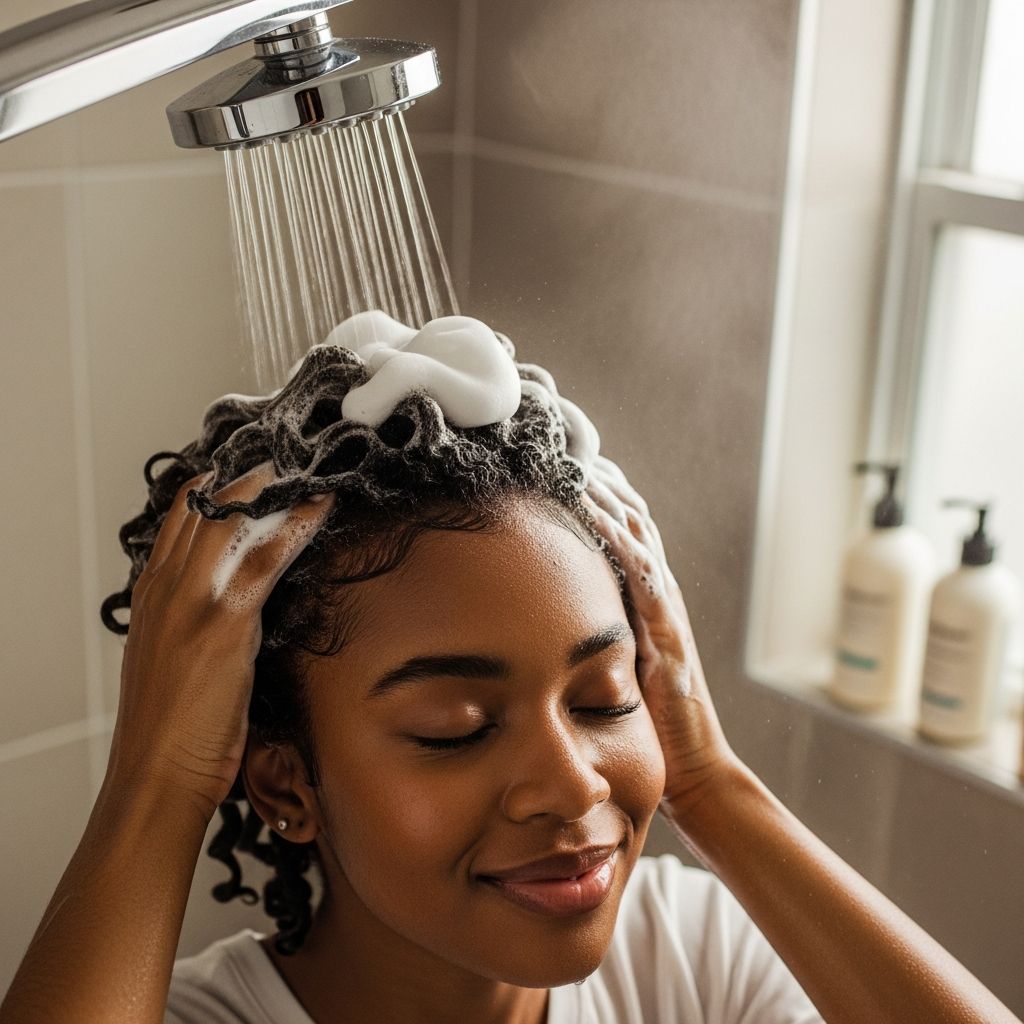
Transforming a simple hair washing session into a cherished ritual, wash day for natural hair stands as a powerful act of self-care and cultural affirmation. For many families, especially those with textured, curly, or coily locks, this routine goes beyond cleanliness—it’s a time to nurture strands, strengthen bonds, and instill pride in one’s natural beauty.
Understanding the Essence of Natural Hair Care
Natural hair, characterized by its kinky, curly, or wavy patterns, demands specific attention due to its unique structure. Unlike straight hair, textured strands tend to be more prone to dryness because the natural oils from the scalp struggle to travel down the hair shaft’s twists and turns. Regular wash days help combat this by replenishing moisture, removing buildup, and promoting scalp health.
Historically, embracing natural hair has been a journey of reclamation. In communities of color, shifting from chemical relaxers to au naturel textures symbolizes resistance against Eurocentric beauty standards. Today, wash day embodies this empowerment, turning what could be a chore into a celebratory event.
Preparing for a Successful Wash Day
Success starts with preparation. Gather essentials like sulfate-free shampoos, deep conditioners, oils, wide-tooth combs, microfiber towels, and sectioning clips. Set aside 2-4 hours in a well-lit, comfortable space. For families, involve children early to make it fun—play music, share stories, or turn it into a spa day.
- Tools needed: Wide-tooth comb, detangling brush, spray bottle for water, shower cap.
- Products: Pre-poo oil (coconut or jojoba), clarifying shampoo, moisturizing conditioner.
- Mindset: Patience and gentleness to minimize breakage.
Step-by-Step Wash Day Routine for Vibrant Curls
Follow this comprehensive guide tailored for all natural hair types, from 3A waves to 4C coils. Adapt based on your hair’s length and porosity.
Step 1: Pre-Poo Treatment for Protection
Begin with a pre-poo to shield hair from shampoo’s drying effects. Apply generous amounts of natural oil like coconut, tea tree, or argan from roots to tips. Let it sit for 20-30 minutes, or overnight for intense hydration. This step reduces hygral fatigue—the stress from water absorption and evaporation—and eases detangling.
Section hair into 4-8 parts using loose braids or twists to prevent tangles. Finger-detangle lightly while oiling, focusing on ends where breakage occurs most.
Step 2: Gentle Cleansing of Scalp and Strands
Wet hair thoroughly with lukewarm water—hot water strips oils, cold doesn’t cleanse well. Apply sulfate-free shampoo to the scalp only, massaging in circular motions to remove dirt, product buildup, and excess sebum. The suds will rinse down the lengths.
For deeper cleanses every 2-3 months, use a clarifying shampoo or bentonite clay mask to detoxify without harshness. Co-washing (conditioner-only) is ideal weekly for low-manipulation days, preserving moisture in delicate curls.
| Method | Best For | Frequency |
|---|---|---|
| Shampoo | Buildup removal | Every 1-2 weeks |
| Co-Wash | Moisture retention | Weekly |
| Clay Detox | Deep cleanse | Monthly |
Step 3: Deep Conditioning for Moisture Lock
Rinse shampoo and apply a thick deep conditioner generously, avoiding the scalp to prevent oiliness. Use heat from a shower cap or steamer for 20-45 minutes to open cuticles and maximize absorption. Detangle in sections with fingers or a comb, starting from ends upward.
Incorporate the LOC method post-rinse: Liquid (water/leave-in), Oil (sealing), Cream (moisturizer). This sequence traps hydration, combating the dryness common in textured hair.
Step 4: Styling and Drying with Care
Gently squeeze out excess water with a microfiber towel or old T-shirt—no rubbing. Apply styling products like gels or butters for twist-outs, braids, or puffs. Air-dry or diffuse on low heat to maintain curl pattern. Pineapple (loose high ponytail) overnight preserves styles.
Common Wash Day Challenges and Solutions
Wash day isn’t always smooth. Here’s how to tackle hurdles:
- Tangles: Always detangle wet with conditioner; sectioning is key.
- Shrinkage: Stretch gently with bands or plopping.
- Product Buildup: Clarify regularly; avoid heavy silicones.
- Time Crunch: Prep sections beforehand; batch similar routines.
For children, make it playful—use timers for games or rewards for sitting still. This builds positive associations with their natural texture.
The Cultural and Emotional Impact of Natural Hair Journeys
Wash day transcends hygiene; it’s a cultural cornerstone. For Black families, it’s a rite of passage where elders pass down techniques, fostering generational pride. Embracing coils challenges societal biases, boosting self-esteem in kids who once felt ‘different’.
Studies from health organizations note that positive hair affirmation correlates with mental well-being. Parents modeling self-love teach resilience against discrimination. Turn wash day into storytelling sessions about heritage icons with iconic afros.
Product Recommendations and Natural Alternatives
Opt for clean, natural ingredients. Sulfate-free shampoos with tea tree soothe scalps; shea butter creams hydrate deeply.
DIY options: Baking soda (1 tbsp in 1 cup water) for clarifying, followed by apple cider vinegar rinse (1 tbsp in 1 cup water) to balance pH and detangle. These are gentle, cost-effective for sensitive scalps.
Building Family Traditions Around Hair Care
Involve the whole household. Dads can lead detangling; siblings style playfully. Create ‘Hair Pride Days’ with themes—Afro puffs one week, Bantu knots the next. Document progress in journals or photos to track growth and health.
Educate on hair typing (1A-4C) using charts. Apps and communities offer support, but hands-on family time builds the deepest confidence.
Frequently Asked Questions
How often should I wash natural hair?
Every 1-2 weeks with shampoo; co-wash mid-week. Adjust for lifestyle and scalp needs.
Can I use hot water?
No—lukewarm opens cuticles gently without stripping moisture.
What’s the best way to detangle 4C hair?
Wet with conditioner, sectioned, fingers first, then wide-tooth comb.
Does pre-poo really make a difference?
Yes, it protects against manipulation stress and enhances moisture retention.
How do I handle kids’ wash day resistance?
Make it fun with games, music, and choices in styles or scents.
Long-Term Benefits of Consistent Routines
Adhering to thoughtful wash days yields longer, stronger hair with defined curls. Scalp health improves, reducing itchiness and flakiness. Emotionally, it cultivates identity pride, especially vital for young ones navigating diverse worlds. Consistency is key—track your regimen and tweak seasonally.
Expand beyond washing: Weekly protein treatments for strength, monthly trims for health. Join online forums for inspiration, but prioritize what works for your crown.
References
- Wash Day Routine For Natural Hair: A Step-By-Step Guide — Afam Concept. 2023. https://www.afamconcept.com/blogs/news/wash-day-routine-natural-hair
- Natural Hair Wash Day Routine – How To Wash Natural Hair — Reina Haircare. 2024. https://reinahaircare.com/blog/natural-hair-wash-day-routine-how-to-wash-natural-hair/
- EASIEST Wash Day Routine EVER! [no tears, natural hair] — TheChicNatural (YouTube). 2022-01-16. https://www.youtube.com/watch?v=Zwcd4l6fz38
- How to Wash Your Hair Without Shampoo — The Art of Simple. 2023. https://www.theartofsimple.net/how-to-clean-your-hair-without-shampoo/
- Back to Basics: How to Wash Your Natural Hair — CurlyNikki. 2024. https://www.curlynikki.com/how-to-wash-your-natural-hair.html
- Wash Day Routine for Natural Hair | Scalp Care, Growth — Shanique Buntyn (YouTube). 2025-12-28. https://www.youtube.com/watch?v=7DBxX5HHPUU&vl=en
- 3 Techniques for Washing Natural Hair in Sections — BGLH Marketplace. 2025-07. https://bglh-marketplace.com/2025/07/3-techniques-for-washing-natural-hair-in-sections/