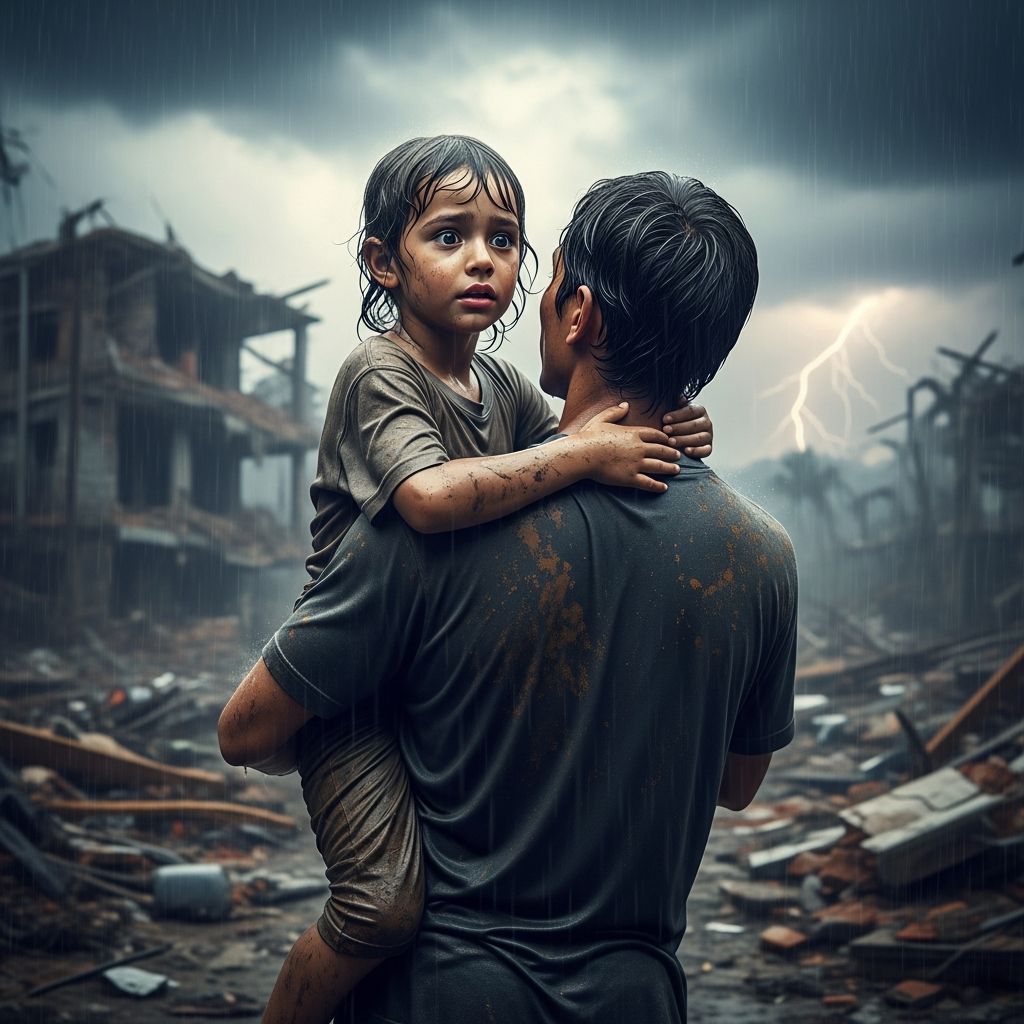
Natural disasters pose unique threats to children, who face heightened risks to their physical health, emotional stability, and educational progress due to their dependence on adults and developmental stages. This guide equips parents with comprehensive strategies for preparation, response, and recovery, drawing on evidence from high-credibility studies.
Why Children Face Greater Risks from Natural Events
Children experience disproportionate harm from natural disasters compared to adults. Their smaller bodies make them more susceptible to dehydration, injury, and environmental hazards like extreme heat or contaminated water. Very young children under 4 years old are particularly vulnerable, with higher mortality rates in events like floods and storms due to limited mobility and communication skills.
Globally, climate change exacerbates these dangers, projecting up to 175 million children affected by weather-related disasters in the next decade. Poor and developing-country children suffer most from malnutrition, diarrheal diseases, and disrupted medical access post-event. Mental health impacts include PTSD, anxiety, and behavioral changes, often persisting longer in kids than adults.
Key Types of Natural Disasters Affecting Families
Families must understand common threats to tailor preparations. Here’s an overview:
- Floods: Sudden inundations from heavy rains or dam failures, leading to drownings and waterborne illnesses in children.
- Hurricanes and Storms: High winds, storm surges, and tornadoes cause structural damage and power outages, isolating kids from aid.
- Earthquakes: Unpredictable shaking damages buildings; aftershocks prolong trauma, especially for school-age children.
- Wildfires: Fueled by droughts, these spread rapidly, exposing kids to smoke inhalation and evacuation chaos.
- Tsunamis and Volcanic Eruptions: Coastal or seismic events with rapid onset, requiring swift family coordination.
| Disaster Type | Primary Child Risks | Preparation Focus |
|---|---|---|
| Floods | Drowning, contamination | Elevation plans, water purification |
| Hurricanes | Wind injury, flooding | Boarding windows, evacuation routes |
| Earthquakes | Building collapse, aftershocks | Drop-cover-hold drills |
| Wildfires | Smoke, burns | Air filters, defensible space |
Building a Family Disaster Preparedness Plan
A robust family plan is the cornerstone of child protection. Start by identifying local risks through government alerts from agencies like FEMA or national meteorological services. Customize plans for each child’s age, needs, and any disabilities.
Essential Steps:
- Assemble a 72-hour emergency kit: Water (1 gallon per person/day), non-perishable food, medications, diapers/formula for infants, flashlights, batteries, whistles, and comfort items like stuffed animals.
- Create communication protocols: Designate out-of-area contacts; teach kids simple phone numbers and safe meeting spots.
- Secure home: Bolt furniture, install smoke detectors, elevate utilities in flood zones.
- Practice drills: Run monthly simulations for earthquakes (drop, cover, hold), fires (stop, drop, roll), and evacuations.
For multi-child households, assign roles: Older siblings help younger ones; parents model calm behavior to reduce panic.
Immediate Actions During a Disaster
When disaster strikes, prioritize child safety with swift, decisive actions. Stay informed via battery-powered radios for official updates, avoiding rumors.
- Evacuation: Move to higher ground during floods; shelter in interior rooms for storms. Carry kids if needed; never leave them behind.
- Shelter-in-Place: For earthquakes, get under sturdy tables; protect heads. In wildfires, seal rooms with wet towels against smoke.
- Separation Prevention: Use ID bracelets with parent contacts for young children; teach preschoolers ‘hug a tree’ if lost in wilderness.
Monitor for heat stress, dehydration, or injuries. Breastfeeding or formula continuity supports infant immunity amid disruptions.
Physical Health Protection Post-Disaster
Aftermath hazards like contaminated water cause diarrheal outbreaks, with children 3-4 times more likely to suffer malnutrition or low birth weights following events like hurricanes.
- Boil or treat water; use purification tablets.
- Ration food to children first; seek nutritional aid from relief organizations.
- Hygiene: Handwashing prevents 40% of child diarrheas; makeshift latrines away from water sources.
- Medical Access: Vaccinate against tetanus; treat cuts promptly to avoid infections.
Infants face 30-60% higher complication risks in utero or delivery post-storm; monitor pregnancies closely.
Addressing Emotional and Mental Health Needs
Children process trauma differently by age: Toddlers show clinginess, nightmares, tantrums; school-age kids withdraw or regress; teens may act out aggressively. Up to 52% experience severe impairment post-disaster.
Age-Tailored Support:
| Age Group | Common Reactions | Parental Strategies |
|---|---|---|
| 0-4 years | Fear, bedwetting, separation anxiety | Maintain routines, extra cuddles, simple explanations |
| 5-10 years | Guilt, concentration issues | Encourage drawing/talking, limit media exposure |
| 11+ years | Anger, risk-taking | Validate feelings, involve in recovery tasks |
Rebuild routines quickly: Same bedtimes, playtime. Watch for PTSD signs like flashbacks; seek professional help if persistent beyond 4 weeks. Caregiver stress amplifies child distress—prioritize parental self-care.
Safeguarding Education and Long-Term Development
Disasters disrupt schooling, with children losing months of learning and facing higher dropout risks. Damaged schools compound issues, increasing exposure to neglect or abuse.
- Enroll in temporary learning centers or online programs.
- Provide home-based activities: Reading, math games to prevent regression.
- Advocate for child-friendly recovery policies through parent groups.
Long-term, resilient kids rebound better; foster through community ties and skill-building.
Climate Change: Preparing for Intensified Threats
Rising disasters from climate shifts—stronger hurricanes, intense floods—demand adaptive measures. Children in vulnerable areas need climate-resilient homes, early warnings, and policy advocacy. Governments like the U.S. emphasize youth-inclusive planning.
Frequently Asked Questions (FAQs)
What should be in a child’s emergency kit?
Include age-specific items: Baby wipes/diapers for infants, games/books for older kids, plus universal essentials like water, food, flashlight, and medical supplies. Aim for 3 days’ supply.
How do I talk to kids about disasters without scaring them?
Use age-appropriate language: ‘A big storm is coming, but we have a plan to stay safe.’ Read books on weather; rehearse responses to build confidence.
What if my child shows trauma signs weeks later?
Monitor for sleep issues, withdrawal; consult pediatricians or counselors specializing in disaster response. Early intervention prevents chronic PTSD.
Are pets part of the family plan?
Yes—include leashes, food, carriers. Many shelters now allow pets; know alternatives.
How can schools prepare children?
Through drills, hazard education, and family-plan integration. Post-disaster, flexible grading aids catch-up.
Community and Long-Term Resilience Building
Beyond home, engage neighbors for mutual aid networks. Train in first aid/CPR; volunteer with child-focused orgs like Save the Children. Policy-wise, support infrastructure upgrades for schools/hospitals.
Resilience grows via empowerment: Teach kids basic survival skills, emotional regulation. Post-event debriefs strengthen family bonds, turning survival into growth.
References
- Impacts of Natural Disasters on Children — Carolyn Kousky, Future of Children. 2016-04-01. https://files.eric.ed.gov/fulltext/EJ1101425.pdf
- Children and Disasters: Understanding Vulnerability — IAEM. 2008-01-01. https://www.iaem.org/portals/25/documents/Children-and-Disasters-Understanding-Vulnerablity-2008.pdf
- Children’s Coping in Disasters: Developments, Challenges — PMC/NCBI. 2024-01-01. https://pmc.ncbi.nlm.nih.gov/articles/PMC12686008/
- Understanding the Impacts of Natural Disasters on Children — Society for Research in Child Development. 2023-01-01. https://www.srcd.org/research/understanding-impacts-natural-disasters-children
- Children and Families Disaster Resources — U.S. Department of Health and Human Services (ACF). 2025-01-01. https://acf.gov/ohsepr/disaster-human-services/children-and-youth/children-and-families