Parenting often involves guiding children through life’s lessons, but one of the most effective tools is stepping back to let natural consequences take the lead. These real-world results of a child’s actions teach invaluable skills like responsibility, emotional regulation, and foresight without the need for constant intervention. By allowing kids to experience outcomes directly tied to their choices, parents cultivate independence and long-term behavioral improvements.
Understanding Natural Consequences in Child Growth
Natural consequences occur when a child’s behavior leads to an outcome that naturally follows, without parental punishment or rescue. For instance, forgetting a jacket on a chilly day results in feeling cold, directly linking the action to discomfort. This approach contrasts with artificial rewards or penalties, promoting genuine understanding as children connect cause and effect in authentic settings.
Research in child development highlights how such experiences build neural pathways for decision-making. Children learn not just what to avoid, but why certain choices matter, fostering intrinsic motivation over external controls. Unlike imposed discipline, which can spark resistance, natural outcomes encourage self-reflection and reduce power struggles between parents and kids.
Core Advantages for Developing Resilience
- Cause-and-Effect Mastery: Kids grasp how actions yield results, like rough play leading to a toy breaking or diligent practice improving skills.
- Emotional Processing: Facing disappointment or frustration builds coping mechanisms, turning setbacks into growth opportunities.
- Independence Boost: Resolving issues independently enhances problem-solving and accountability.
These benefits extend to neurodiverse children, such as those with autism or ADHD, where natural feedback in real-life contexts strengthens social and communication skills. Parents report stronger family bonds when lectures give way to empathetic observation of these lessons.
Practical Scenarios in Daily Family Life
Implementing natural consequences starts with identifying safe, everyday situations. Here’s how they apply across common challenges:
Morning Routines and Preparedness
If a child dawdles during breakfast and misses the school bus, they walk or face a tardy slip. This teaches time management without nagging. Parents can follow up with empathy: “That must feel frustrating. What could we try tomorrow?” Such coaching reinforces learning without rescuing.
Homework and Academic Responsibilities
Forgetting assignments leads to classroom embarrassment or lower grades, motivating future preparation. The key is resisting the urge to intervene with teachers, allowing the child to own the outcome and plan improvements.
Household Chores and Belonging Care
Leaving toys out means they get stepped on or lost during cleanup. A messy room might limit playtime as finding items becomes hard. These outcomes highlight tidiness’s value naturally.
Social Interactions and Playtime
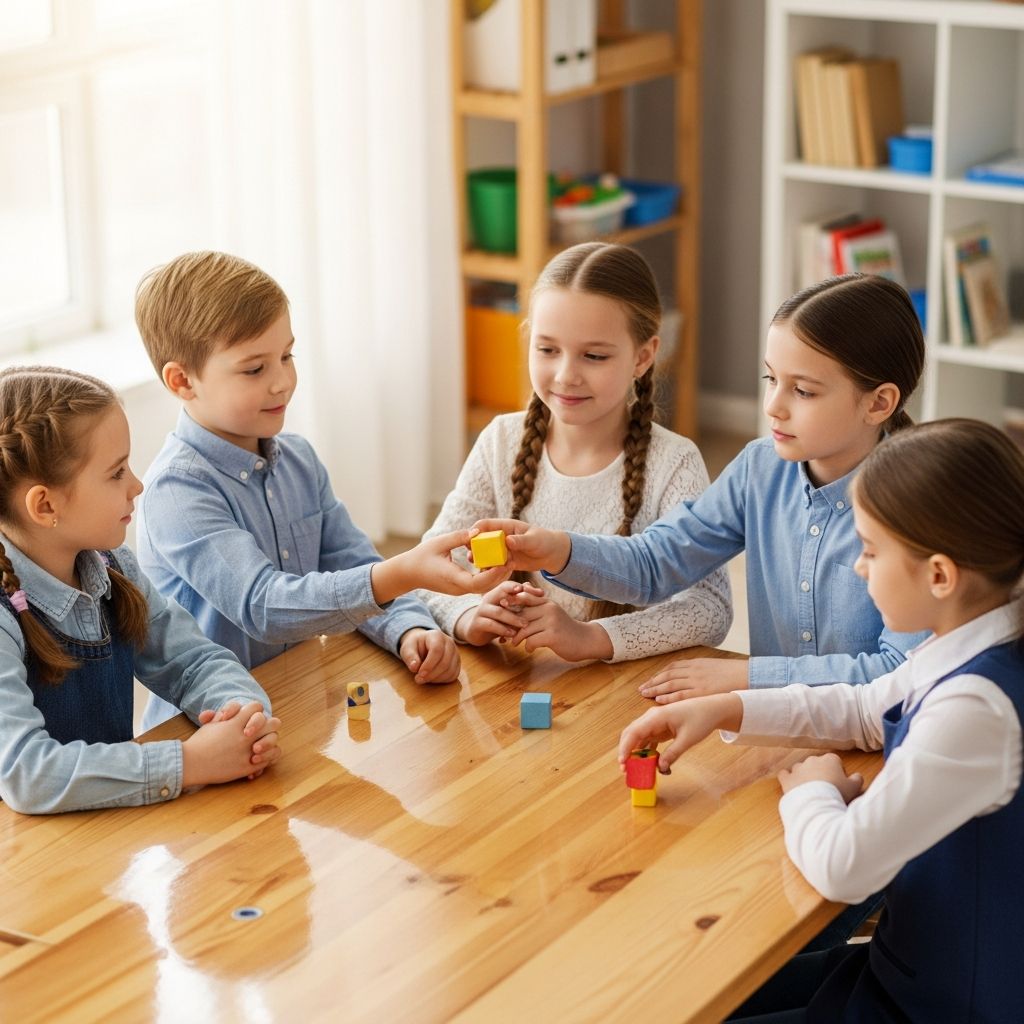
Excluding peers at recess often results in reciprocal isolation, teaching empathy through experience rather than lectures. Sharing toys promptly leads to smoother group play, rewarding positive behavior organically.
Outdoor and Health Choices
Not wearing a coat means shivering; skipping veggies at dinner might mean hunger later. Positive examples include clean feet from proper shoes or smooth games from waiting turns.
Comparing Natural vs. Other Discipline Methods
Natural consequences stand out for their realism and child-centered focus. The table below contrasts them with common alternatives:
| Approach | Description | Pros | Cons |
|---|---|---|---|
| Natural Consequences | Real-life outcomes of actions (e.g., cold from no jacket) | Builds independence, reduces struggles, long-term retention | Requires patience; not for unsafe situations |
| Artificial Rewards/Punishments | External incentives or penalties (e.g., stickers, timeouts) | Quick compliance | Creates dependency, escalates conflicts |
| Lectures/Nagging | Verbal warnings or repeated instructions | No immediate discomfort | Ineffective; kids tune out, no real learning |
This comparison shows natural methods excel in promoting sustainable change by tying lessons to intrinsic value.
Navigating Challenges and Safety Boundaries
Not all situations suit natural consequences—safety trumps all. If a behavior risks harm, like running into traffic, intervene immediately with logical alternatives, such as losing play privileges. Distinguish natural (inherent outcomes) from logical (parent-imposed but related) consequences.
Common pitfalls include over-rescuing, which breeds entitlement, or inconsistent application, diluting lessons. Start small, model empathy, and debrief post-event to maximize growth. For children with special needs, pair with ABA strategies for tailored effectiveness.
Long-Term Impacts on Maturity and Success
Children raised with natural consequences develop foresight, resilience, and agency. They anticipate outcomes, handle failures constructively, and form healthier relationships. Studies link such parenting to better emotional regulation and academic performance, as kids internalize responsibility early.
Teachable moments arise naturally: Discuss feelings after a setback, brainstorm solutions, and celebrate improved choices. This coaching mirrors sports training, preparing kids for real-world wins. Over time, families enjoy fewer battles and more harmony.
Frequently Asked Questions (FAQs)
What age is best for natural consequences?
From toddlerhood onward, when safe. Younger kids need more guidance; school-age children thrive with independence.
Does this work for kids with ADHD or autism?
Yes, highly effective in real contexts, improving social skills and responsibility when combined with empathy.
What if my child gets too upset?
Offer empathy without fixing: “I see you’re sad. Let’s think about next time.” This builds coping skills.
How do I avoid seeming uncaring?
Express love and support verbally while allowing outcomes. Consistency shows investment in their growth.
Can natural consequences backfire?
Rarely if safety-monitored. Adjust with logical ones for high-risk behaviors.
Steps to Integrate into Your Parenting
- Identify safe opportunities daily.
- Step back and observe empathetically.
- Debrief calmly: What happened? What now?
- Reinforce positives naturally.
- Track progress and adjust.
Embracing this method transforms parenting from directive to empowering, equipping kids for lifelong success.
References
- Why Your Kids Need to Experience Natural Consequences — iMOM. 2023-05-15. https://www.imom.com/why-kids-need-experience-natural-consequences/
- The Role of Natural Consequences in Teaching Behavior in ABA Therapy — Ambitions ABA. 2024-08-20. https://www.ambitionsaba.com/resources/the-role-of-natural-consequences-in-teaching-behavior-in-aba-therapy
- Why You Should Let Your Child Fail: The Benefits of Natural Consequences — Empowering Parents. 2023-11-10. https://www.empoweringparents.com/article/why-you-should-let-your-child-fail-the-benefits-of-natural-consequences/
- How Embracing Natural Consequences Changed My Parenting Style — The Everymom. 2024-02-28. https://theeverymom.com/how-i-embrace-natural-consequences-while-parenting/
- Consequences & Positive Child Behaviour — Raising Children Network (Australian Government-funded). 2025-01-12. https://raisingchildren.net.au/preschoolers/behaviour/rules-consequences/consequences
- Teaching Power of Consequences: Helping Kids Succeed — Love and Logic. 2024-06-05. https://www.loveandlogic.com/blogs/our-blog/teaching-power-of-consequences-helping-kids-succeed