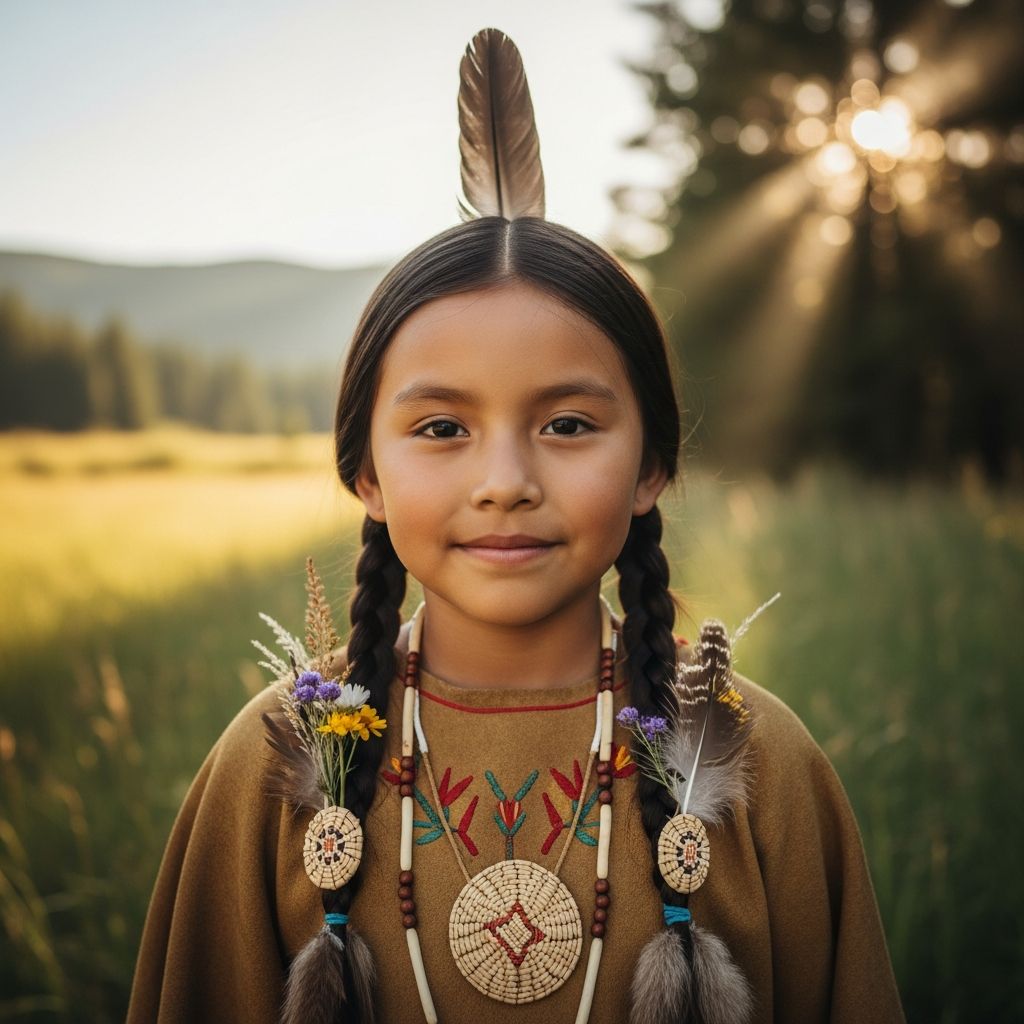
Native American girl names often carry deep ties to nature, community, spirituality, and family, making them a powerful source of inspiration for parents seeking a meaningful name. While these names are beautiful, they are also connected to living cultures and identities, so it is important to approach them with understanding and respect.
This guide offers an original, educational look at Native American-inspired girl names, including themes, examples, and thoughtful tips on choosing a name in a culturally sensitive way. It is meant as a starting point for learning, not a complete representation of any tribe or language.
Honoring Indigenous Cultures When Choosing a Name
Before falling in love with the sound of a particular name, it helps to understand that Native American communities are incredibly diverse, with hundreds of distinct tribes, languages, and naming traditions. Treating these names as a fashion trend can unintentionally disrespect that diversity.
- Many Indigenous names are closely tied to language, ceremony, or family lineage and may not be appropriate for general use.
- Some communities view traditional names as sacred, private, or reserved for members of the tribe.
- Listening to Indigenous voices, resources, and tribal guidance is one of the most important steps you can take if you are considering such a name.
If you do not have Native American ancestry, choosing a name from your own cultural background, or a more widely shared nature name, may be a more respectful option. If you do have Native roots, connecting directly with relatives, elders, or tribal offices can help you find a name that truly reflects your heritage.
Core Themes in Native American Girl Names
Across different tribes and languages, many girl names reflect recurring themes that speak to what communities cherish most. These themes can inspire you even if you ultimately choose a name from another language or culture.
- Nature and the Land: Rivers, mountains, wind, flowers, and seasons are common inspirations for names.
- Animals and Bird Life: Names associated with deer, butterflies, eagles, wolves, and other animals often honor qualities like grace, strength, or freedom.
- Spirituality and Inner Light: Many names relate to the soul, spirit, or inner power.
- Family and Birth Order: Some names reference being the first daughter, a cherished child, or a baby born at a particular phase of the moon.
Thinking about which of these themes resonate most with your family can help narrow down the kind of name you are drawn to, whether Indigenous or not.
Nature-Inspired Name Ideas and Their Appeal
Names connected to rivers, plants, and the sky can feel timeless and poetic. In many Native traditions, the land is not just scenery but a living relative, so nature-based names carry a sense of relationship and responsibility.
- Water-related names can evoke clarity, movement, or emotional depth.
- Flower and plant-inspired names may symbolize growth, beauty, and resilience.
- Sky and celestial themes connect a child with light, direction, or the passage of time.
If you appreciate these meanings, you might also consider names in your own heritage that reference oceans, forests, or stars, or pair an Indigenous-inspired middle name (chosen with guidance and respect) with a more familiar first name.
Spiritual and Character-Based Meanings
Beyond the physical world, many Native American girl names reference character traits, spiritual qualities, or inner strength. These meanings can be especially meaningful to parents who want a name that expresses values they hope to pass on.
- Names associated with “spirit,” “soul,” or “inner power” emphasize a connection to something greater than the individual.
- Names that mean “kind,” “brave,” “protected,” or “beloved” reflect hopes for the child’s future character.
- Some names carry a story of transformation, courage, or survival that families retell across generations.
While a name alone cannot determine a child’s path, choosing a name with intention can create a story that you share every time you explain its meaning.
Birth, Seasons, and Moon-Linked Names
Another beautiful thread in Indigenous naming traditions is the way some names anchor a child to a moment in time. References to the new moon, the first snow, or the arrival of spring are common themes in many cultures and can be found in some Native American names as well.
- A name might reflect the season in which the baby arrived, such as a word related to winter, harvest, or blossoming.
- Some girl names refer directly to the moon’s phases, such as a new moon or full moon.
- These names can give a child’s story a sense of timing and place, like a living timestamp that is carried for life.
If you are drawn to this idea, consider how your baby’s birth date, weather, or a special event around that time might inspire a name or a meaningful middle name.
Sample Native American Girl Name Inspirations
The examples below are for educational illustration only, showing the kinds of meanings Native American girl names may carry. Exact spellings, pronunciations, and usage can vary by tribe and language, and some names may have restrictions or cultural guidelines around them.
| Example Name Inspiration | General Theme | Illustrative Meaning | Possible Use |
|---|---|---|---|
| A nature-linked girl’s name | Water / Landscape | Associated with leaping water, waterfalls, or flowing rivers | For families who love rivers, lakes, or the feeling of movement and change |
| A moon-inspired girl’s name | Celestial / Time | Connected with the new moon, a coming moon, or night sky | For a baby born at night or during an important lunar phase |
| A flower or blossom name | Flora / Growth | Evokes blooming, beauty, or “eternal blossom” style meanings | For parents who want a gentle, graceful, yet strong-sounding name |
| An animal-related girl’s name | Animals / Traits | May reference a butterfly, deer, or bird, symbolizing agility or gentleness | For families who feel a deep kinship with a particular animal or its symbolism |
| A spirit-themed girl’s name | Spiritual / Inner Life | Linked to spirit, soul, or inner power | For parents who want to honor strength that comes from within |
Because each tribe has its own traditions and language rules, it is essential to verify the origin, meaning, and appropriate use of any specific name with a trustworthy, preferably Indigenous source.
Tips for Choosing a Respectful Native American-Inspired Name
If you are considering a Native American girl name, approaching the choice with humility and care demonstrates that you recognize the cultural significance behind it. The following steps can help you move thoughtfully through the process.
- Research the tribe and language of the name. Avoid treating all Native names as interchangeable; instead, learn specifically where a name comes from.
- Seek Indigenous perspectives. When possible, look for guidance from tribal members, tribal language resources, or official tribal websites.
- Learn the correct pronunciation. A name deserves to be spoken clearly and correctly, especially when it comes from a living language.
- Avoid sacred or ceremonial names. If there is any indication that a name has restricted or spiritual use, choose another option.
- Consider using Native names if you have heritage. If you are from that community, relatives or elders can guide you toward a name that fits your child and honors your lineage.
Remember that your child will carry this name into classrooms, workplaces, and online spaces. Choosing with care shows respect both for your child and for the people whose language the name comes from.
Naming Ideas That Blend Cultures
Many families today have blended backgrounds or wish to honor multiple cultures in their child’s name. A Native American girl name can sometimes be thoughtfully combined with names from other heritages in a way that feels balanced and meaningful.
- Use a Native name as a middle name if it comes from your own ancestry, paired with a first name from another culture you share.
- Choose a first name and middle name that both reference nature (for example, one from your heritage and one that is Indigenous, selected respectfully).
- Consider names that sound harmonious together when spoken aloud, so your child’s full name flows easily.
As you explore combinations, write them down, say them out loud, and imagine your child introducing herself in different phases of life. A name that works beautifully for a baby should also feel comfortable for a teenager and an adult.
Practical Checklist Before You Decide
Once you have a shortlist of possible names, a simple checklist can help you move from daydreaming to a final decision. This can be particularly helpful for partners who are trying to agree on a name they both love.
- Confirm the meaning and origin of each name from more than one source.
- Check pronunciation with audio clips, language guides, or tribal resources when possible.
- Consider how the name looks when written, including initials and nicknames.
- Think about how teachers and peers may respond; is the name likely to be respected and pronounced correctly once they learn it?
- Reflect on whether you feel prepared to answer questions about the name’s culture and meaning as your child grows up.
If you feel hesitant about any name’s cultural appropriateness, it is better to choose an alternative than to carry a worry that never quite goes away.
Frequently Asked Questions About Native American Girl Names
Can non-Native parents use Native American baby names?
There is no single answer that fits every situation, because each tribe and community may feel differently. Some Indigenous people discourage use of their traditional names by those outside the culture, while others may be open to it in certain circumstances. When in doubt, listen to Native voices, choose alternatives if you are unsure, and avoid names that are sacred, ceremonial, or clearly reserved for tribal members.
How can I find out what a Native American name really means?
Meanings found in casual baby name lists are often simplified or inaccurate. To get closer to a true understanding, look for resources created or endorsed by the specific tribe, such as language programs, cultural centers, or tribal government websites. Books and academic sources written in partnership with Indigenous communities, as well as direct guidance from tribal members, can also provide more reliable information.
Are Native American names all the same across tribes?
No. “Native American” is an umbrella term for many different nations, each with distinct languages, histories, and naming traditions. A name from one tribe may have no connection to another tribe, even if both names are used within what is now the United States. Treating these cultures as separate and unique is an important part of showing respect.
What if I want to honor Native heritage in the family?
If you or your child has Native ancestry, a meaningful step is to learn which specific tribe your family comes from and explore that community’s traditions. Reaching out to living relatives, attending cultural events (when appropriate), and asking about naming customs can help you find a name that truly belongs to your child’s heritage instead of picking one from a generic list.
Are there alternatives if I decide not to use a Native American name?
Absolutely. You can still honor your love for nature, strength, and storytelling by choosing names from your own cultural background that reference rivers, skies, animals, or beloved ancestors. You might also incorporate Indigenous-inspired themes into nursery decor, children’s books, or family traditions while supporting Native authors, artists, and organizations.
Final Thoughts on Choosing a Meaningful Name
Native American girl names can be rich in history, symbolism, and beauty, but they are also deeply connected to real communities and living languages. Approaching them with care allows you to appreciate their depth without turning them into a trend or costume.
Whether you ultimately choose an Indigenous name, a name from your own heritage, or a creative combination, the most important thing is the love, respect, and intention behind it. Your daughter’s name will be part of her story, and taking the time to choose thoughtfully is a powerful way to honor both her and the cultures that inspire you.