Every year, the third week of March brings heightened focus on a silent threat lurking in homes across America: accidental poisonings. National Poison Prevention Week 2026, observed from March 15 to 22, carries the timely theme “When the Unexpected Happens, Poison Help is Here for You.” This observance, rooted in a 1961 congressional act, aims to empower families with knowledge to avert tragedies and respond effectively when incidents occur. With over 2.4 million poison center calls annually—one every 15 seconds—preparation is not optional but essential. This comprehensive guide explores the history, risks, prevention tactics, and resources to fortify your home against these dangers.
Understanding the Roots and Relevance of National Poison Prevention Week
Enacted through Public Law 87-319 in 1961, National Poison Prevention Week (NPPW) emerged from growing concerns over childhood exposures to substances like flavored aspirin and household cleaners during the mid-20th century. President John F. Kennedy’s 1962 proclamation underscored the need for public education, marking a pivotal shift toward proactive safety measures. Today, hazards have evolved to include detergent pods, e-cigarette liquids, and button batteries, yet the mission remains unchanged: reduce preventable poisonings through awareness.
In 2026, poison centers nationwide unite for events, social media campaigns, and educational toolkits, emphasizing that 90% of poisonings occur at home. Organizations like the New Mexico Poison and Drug Information Center plan newsletters, radio PSAs, and campus events to amplify the message. Similarly, Iowa’s Poison Control Center promotes the free, 24/7 Poison Help hotline (1-800-222-1222), staffed by nurses, pharmacists, and physicians offering confidential advice in over 150 languages.
Why Poison Prevention Matters: Shocking Statistics and Real-World Impact
Poisoning stands as a leading cause of injury-related deaths in the U.S., surpassing fatalities from firearms or motor vehicle accidents. In 2022, U.S. poison centers fielded more than 2.4 million calls, with local centers like Upstate New York handling over 84,000 in 2024 alone. Children under 5 remain most vulnerable, accounting for a significant portion of exposures due to curiosity and exploration.
Common culprits include medications, cleaning products, cosmetics, and plants. Food poisoning, insect stings, and even invisible gases like carbon monoxide add to the tally. The Health Resources and Services Administration (HRSA) notes that community events during NPPW foster involvement at all ages, turning statistics into actionable prevention. By understanding these trends, families can prioritize high-risk areas.
| Common Poison Sources | Annual U.S. Calls (Est.) | Prevention Priority |
|---|---|---|
| Medications | ~40% | High |
| Cleaning Products | ~10% | High |
| Cosmetics/Personal Care | ~8% | Medium |
| Plants/Bites | ~5% | Medium |
| Carbon Monoxide | ~2% | High |
This table, derived from poison center data, highlights where to focus efforts for maximum impact.
Proven Strategies to Poison-Proof Your Living Spaces
Prevention hinges on simple, consistent habits. Start by programming 1-800-222-1222 into every phone—it’s free, nationwide, and available 24/7/365. Here’s a step-by-step approach:
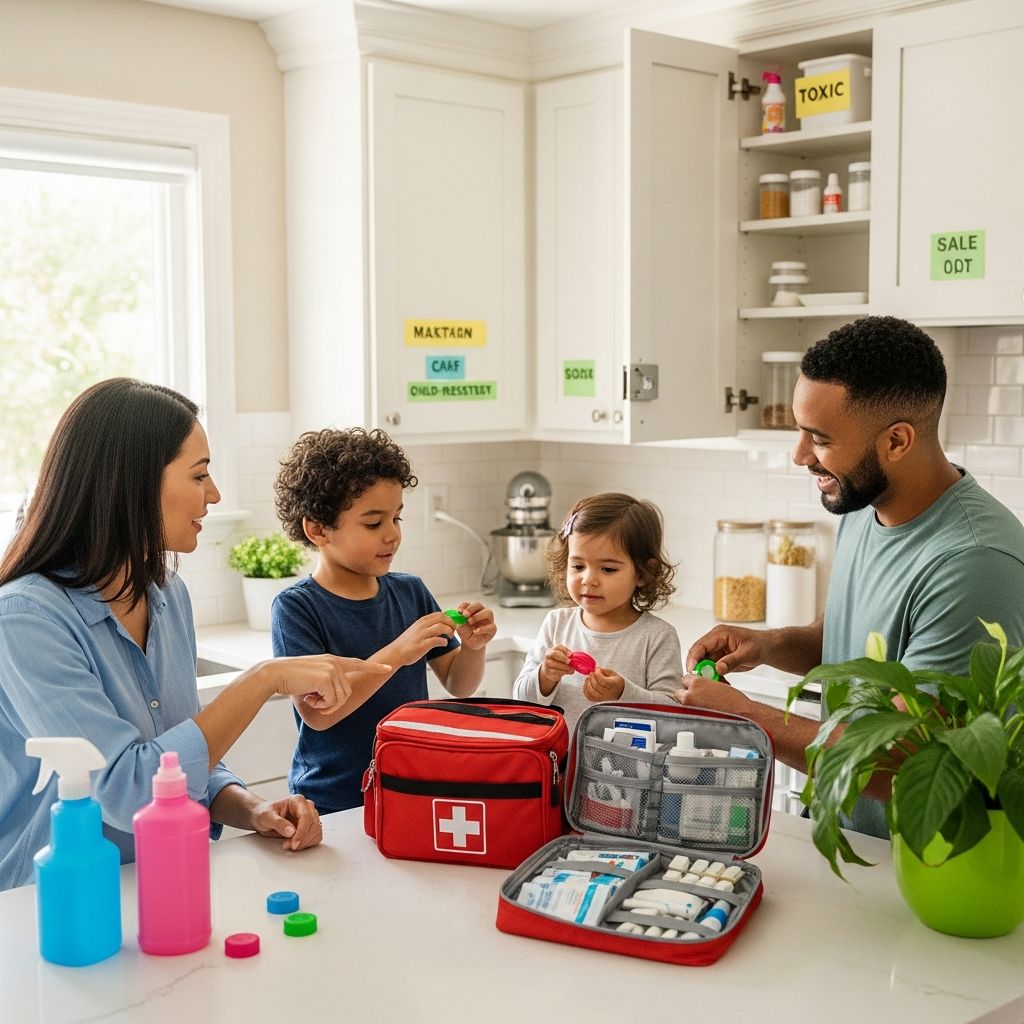
- Secure Storage First: Lock medications, cleaners, and chemicals in cabinets beyond children’s reach. Use childproof locks on doors and containers.
- Label Everything: Clearly mark all products, avoiding transfer to unmarked containers. Dispose of expired items properly.
- Out of Sight, Out of Mind: Never leave pills, vitamins, or liquids on counters post-use. “Put it away every time,” advises the American Cleaning Institute during NPPW.
- Supervise Young Explorers: Keep toddlers in sight during bath time or meals to prevent ingestion of soaps or batteries.
- Emergency Readiness: Post the Poison Help number visibly and teach older kids what to do in crises.
For invisible threats, install carbon monoxide and radon detectors, testing them monthly. Radon, a colorless gas, poses risks in certain regions—check your home’s status via free kits from state health departments.
Tailored Tips for Parents: Protecting Infants to Teens
Infants mouth everything, making small objects like button batteries lethal if swallowed—they burn esophageal tissue within hours. Store remotes and toys safely. Toddlers target colorful cleaners and laundry pods; opt for locked storage and FFP-compliant pods.
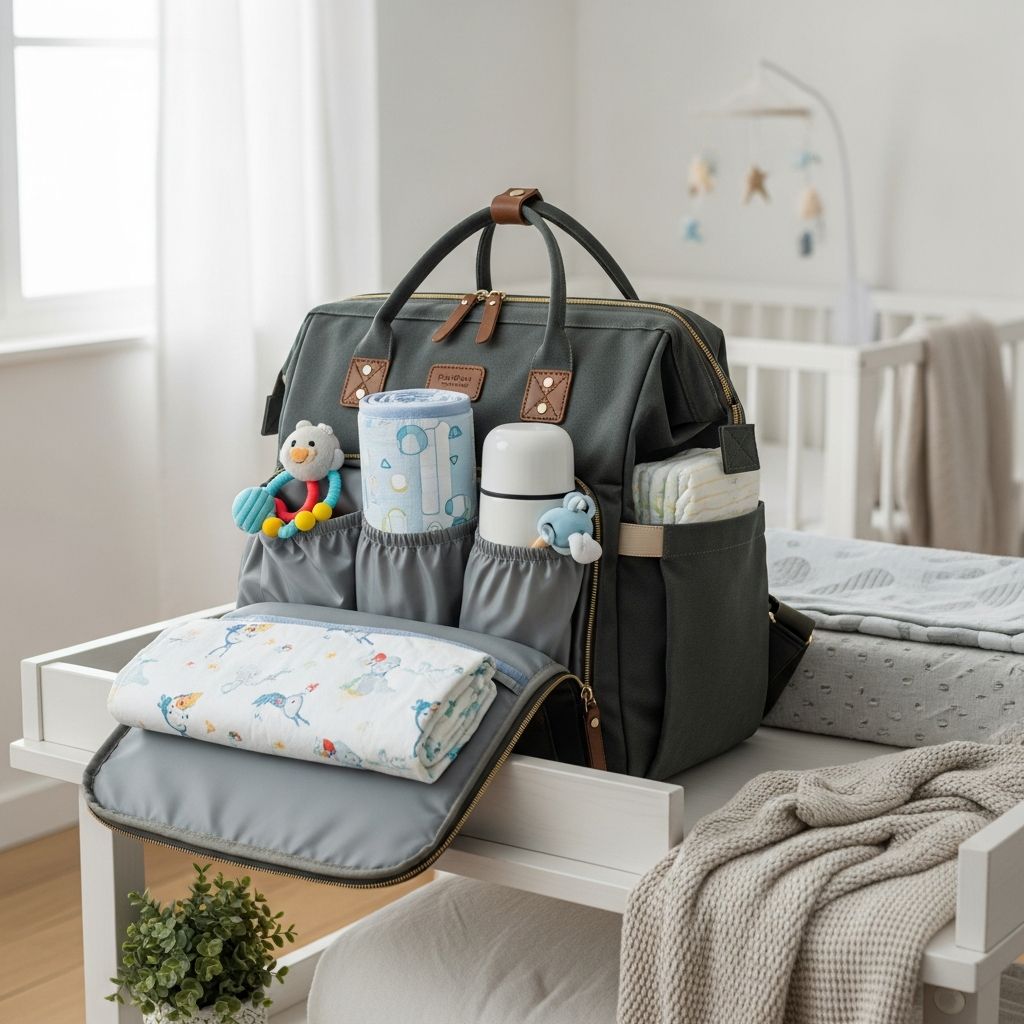
School-age kids face medication mix-ups—teach them to never share prescriptions. Teens encounter e-cigarettes and energy drinks; discuss risks openly. Expectant parents should audit nurseries early, removing toxic plants like lilies or philodendrons.
During pregnancy, avoid over-the-counter meds without consulting providers, and secure prenatal vitamins away from siblings. Grandparents, often caregivers, should update old medicine cabinets, discarding outdated prescriptions.
Leveraging Community Resources and Educational Tools
NPPW thrives on collaboration. Download toolkits from America’s Poison Centers for posters, activity books, and lesson plans tailored to K-12 students. New Mexico offers Diné-language PSAs and brain games for adults. HRSA provides templates for press releases and social graphics to amplify local events.
Order free magnets, stickers, and brochures from regional centers to distribute at schools or workplaces. Partner with libraries, pediatricians, and faith groups for workshops. Social media blasts with #NPPW2026 can reach thousands—share daily tips like “Read labels before use”.
Responding Swiftly: What to Do in a Poison Emergency
If exposure happens, act fast but calmly. Call 1-800-222-1222 immediately—do not induce vomiting unless instructed, as it can worsen harm. Provide details: substance, amount, time ingested, age/weight of victim, and symptoms.
For skin/eye contact, rinse with water. If unconscious or seizing, call 911 first. Poison experts guide without needing location, ensuring rapid, tailored advice. Post-exposure, follow up with medical care if advised.
Building Long-Term Habits Beyond the Week
NPPW ignites conversations, but safety endures year-round. Conduct monthly home audits, involve kids in “safety hunts,” and review labels seasonally. Schools can integrate poison awareness into health curricula using free downloads. Workplaces benefit from overdose training via apps like Naloxone resources.
Track progress: Families reducing exposures by 20% through storage upgrades see fewer incidents. Advocacy matters—support policies for child-resistant packaging and labeling standards.
Frequently Asked Questions About Poison Prevention
What is the Poison Help hotline number?
The national number is 1-800-222-1222, connecting you to local experts 24/7 for free, confidential help.
When is National Poison Prevention Week 2026?
March 15-22, 2026, with the theme “When the Unexpected Happens, Poison Help is Here for You”.
Are household cleaners a big risk for kids?
Yes, they cause about 10% of calls; always store locked and diluted only as directed.
Should I make someone vomit after poisoning?
No—call Poison Help first; vomiting can cause more damage.
How can I get free prevention materials?
Contact your local poison center or download from sites like poison.org.
Empowering Your Family for a Safer Tomorrow
National Poison Prevention Week 2026 is more than an event—it’s a call to vigilance. By adopting these strategies, accessing resources, and using the Poison Help lifeline, families minimize risks and build resilience. Start today: save the number, audit your home, and share knowledge. Safety is a shared responsibility, yielding healthier futures.
References
- National Poison Prevention Week — Iowa Poison Control Center. 2026. https://www.iowapoison.org/prevention/national-poison-prevention-week
- National Poison Prevention Week — UNM Health Sciences Center. 2026. https://hsc.unm.edu/poison/poison-prevention/national-poison-prevention-week/
- National Poison Prevention Week — America’s Poison Centers. 2026. https://www.poison.org/articles/poison-prevention-week
- Poison Prevention Week — Health Resources and Services Administration (HRSA). 2026. https://poisonhelp.hrsa.gov/what-you-can-do/poison-prevention-week
- National Poison Prevention Week | Upstate New York Poison Center — Upstate Medical University. 2026. https://www.upstate.edu/poison/community/poison-prevention-week.php
- Prevent Poisoning and Drug Overdose — National Safety Council. 2026. https://www.nsc.org/community-safety/safety-topics/other-poisons/poison-prevention-home