Lactation massage serves as a powerful, natural technique for breastfeeding mothers seeking to optimize milk production and alleviate common challenges like engorgement and clogged ducts. By stimulating breast tissue, it promotes hormone release and improves circulation, leading to smoother feedings and greater maternal comfort.
Understanding the Science Behind Lactation Massage
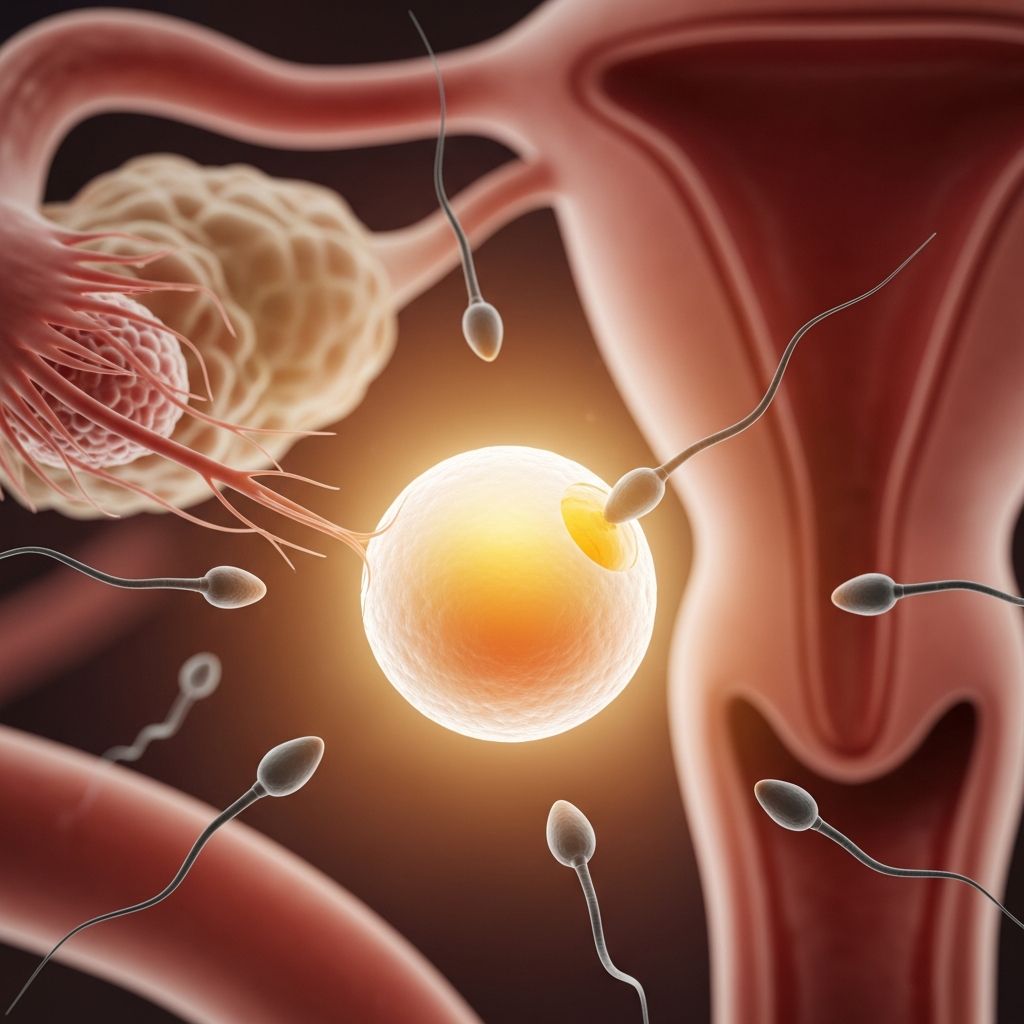
The foundation of lactation massage lies in its ability to trigger key physiological responses in the body. When mothers perform gentle manipulations on their breasts, it activates the release of oxytocin and prolactin—two critical hormones for milk synthesis and ejection. Oxytocin causes myoepithelial cells around milk alveoli to contract, pushing milk through ducts toward the nipple, known as the let-down reflex. Prolactin, meanwhile, stimulates ongoing milk production in the mammary glands.
Research demonstrates that tactile stimulation from massage elevates these hormone levels, particularly in the early postpartum period when supply is establishing. One study found that breast massage significantly boosted expressed milk volume in mothers of NICU infants, highlighting its role in enhancing output. Additionally, improved blood flow and lymphatic drainage reduce fluid buildup, preventing complications that hinder feeding.
Beyond hormones, massage familiarizes mothers with their breast anatomy, building confidence and self-efficacy in handling lactation issues. This psychological boost reduces anxiety, fostering a positive breastfeeding experience.
Key Benefits for Breastfeeding Mothers
Lactation massage addresses multiple breastfeeding hurdles, making it a versatile tool in a mother’s routine. Here are the primary advantages:
- Increased Milk Production: Regular massage stimulates prolactin receptors, accelerating lactation onset and sustaining supply. Studies show it can increase production rapidly compared to other methods.
- Relief from Engorgement: Post-delivery, breasts fill with blood and milk, causing hardness and pain. Massage softens tissue, eases discomfort, and facilitates latching.
- Clearing Clogged Ducts: Infrequent feeding leads to milk stasis and blockages. Targeted massage dislodges buildup, restoring flow and averting escalation to mastitis.
- Mastitis Prevention and Management: By unclogging ducts early, massage reduces inflammation risks, including feverish symptoms.
- Pain Reduction and Better Latch: Softened breasts and nipples improve baby attachment, minimizing soreness and ensuring effective feeds.
- Enhanced Bonding and Relaxation: Oxytocin release promotes emotional connection and uterine recovery.
Clinical evidence supports these outcomes. A four-week intervention combining breast massage with acupressure and proper latching significantly raised milk production (p=0.00). Such non-drug approaches empower mothers with accessible solutions.
Step-by-Step Guide to Effective Techniques
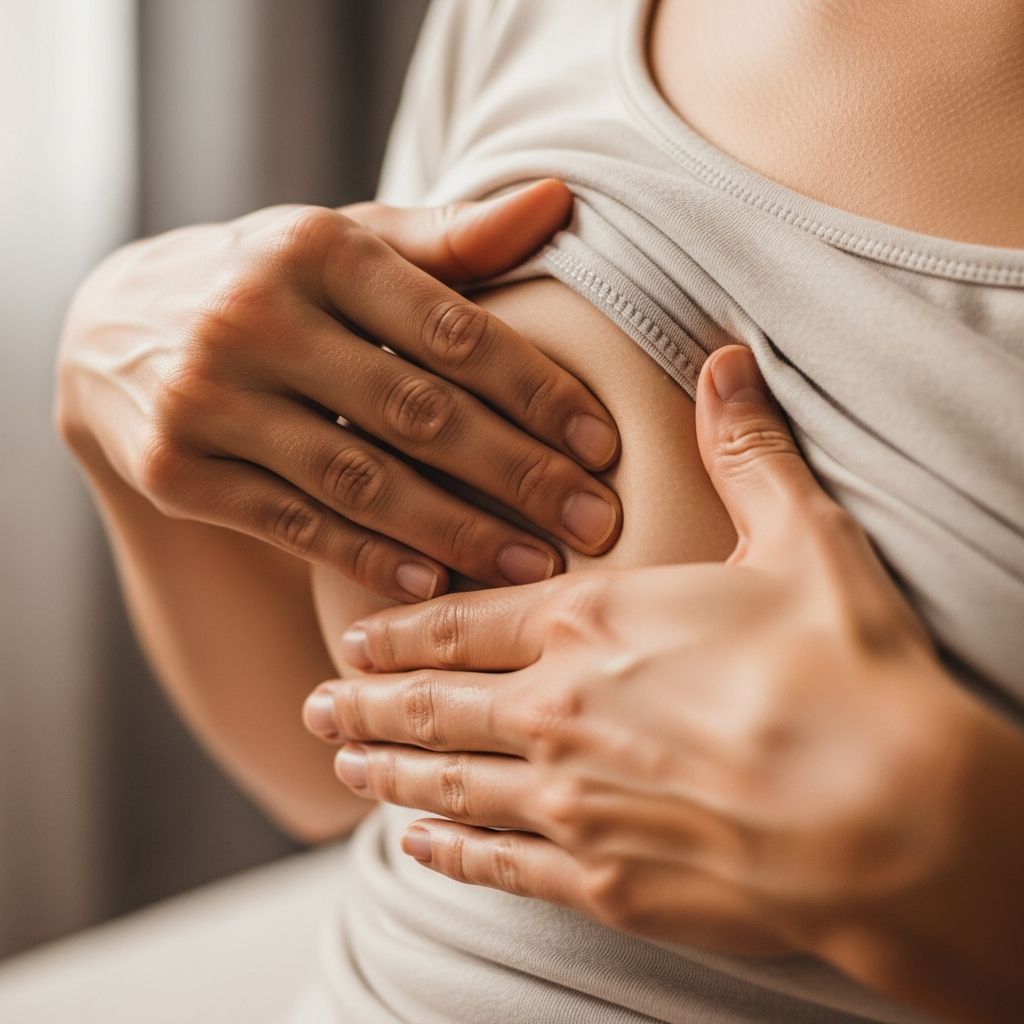
Mastering lactation massage requires a systematic approach. Always wash hands, use a safe oil like coconut or lanolin if desired, and work in a relaxed position. Perform before, during, or after feeds/pumping for best results. Sessions last 10-20 minutes per breast, 2-3 times daily.
- Warm Compress Prep: Apply a warm towel for 5 minutes to promote circulation.
- Effleurage Strokes: Use light, sweeping motions from outer breast toward nipple with fingertips or palm.
- Circular Motions: Gently circle around the breast, focusing on tender areas to release tension.
- Duct Drainage: Press lightly along ducts (imaginary lines from armpit to nipple) to move milk forward.
- Kneading: Softly knead fuller areas like the outer quadrants to break up clogs.
- Nipple Rolls: Roll nipple base gently between thumb and finger to stimulate let-down.
- End with Expression: Follow with hand expression or pumping for complete emptying.
For clogged ducts, focus pressure on the hard lump, massaging toward the nipple until milk flows. Consistency over 2-12 weeks yields optimal results for issues like swelling or blockages. If pain persists, consult a professional.
Innovative Tools to Simplify Your Routine
| Tool Type | Benefits | Best For |
|---|---|---|
| Manual Rollers | Vibrating bumps target ducts; portable; hand-free option | Clogs, engorgement, daily use |
| Therapy Balls | Precise pressure; ergonomic grip; oxytocin boost | Low supply, pain relief |
| Electric Massagers | Automated vibrations; time-saving; multiple speeds | Busy moms, mastitis prevention |
| Hands-Only | Free; customizable; builds familiarity | Beginners, on-the-go |
Lactation massagers with textured surfaces mimic effective hand techniques without fatigue. Use before nursing to maximize let-down and milk transfer. Combine with pumping for superior drainage, amplifying supply signals to the body.
Integrating Massage into a Holistic Lactation Plan
While potent, lactation massage shines within a broader strategy. Pair it with:
- Frequent nursing or pumping (8-12 times daily) to demand-driven supply.
- Proper latch assessment via lactation consultant.
- Hydration and nutrition: 13 cups water, calorie surplus with galactagogues like oats.
- Rest and stress management to sustain oxytocin.
- Back acupressure for added hormone stimulation.
Track progress with output logs. If supply lags, rule out tongue-tie or medications. Professional guidance ensures safety, especially with infections.
Real Mom Stories: Transformations Through Massage
Many mothers report life-changing results. Sarah, a new mom, cleared persistent clogs in days using a roller, doubling her sessions’ yield. Emily avoided mastitis by daily routines, noting softer breasts and happier feeds. These anecdotes align with research: massage not only fixes issues but prevents them, boosting duration and satisfaction.
Potential Risks and When to Seek Help
Generally safe, massage risks bruising if too aggressive. Stop if sharp pain, redness, or pus appears—signs of infection needing antibiotics. Premature babies or implants warrant doctor approval. Always prioritize gentle, upward strokes away from the heart.
Frequently Asked Questions
How often should I do lactation massage?
2-3 times daily, 10-20 minutes per session, ideally around feeds for hormonal synergy.
Can lactation massage increase milk supply immediately?
Improvements often start within days; studies show rapid onset with consistent use.
Is it safe during mastitis?
Yes, for early stages to unclog; combine with medical care for full-blown cases.
What if I have breast implants?
Use lighter pressure; consult your surgeon first to avoid complications.
Do I need a special tool?
Hands work well initially; tools enhance efficiency for clogs or fatigue.
References
- Rev Up Your Milk Supply with a Lactation Stimulation Massage — Earthy Ruby. 2023. https://earthyruby.com/rev-up-your-milk-supply-with-a-lactation-stimulation-massage/
- The role of breast massage in low milk supply — Lactamo. 2023. https://lactamo.com/blogs/hcp/role-of-breast-massage-in-low-milk-supply
- Lactation Massage for Increasing Breast Milk Production — Journal of Quantitative Public Health. 2023. https://jqph.org/index.php/JQPH/article/view/168
- Back Acupressure, Baby Positioning and Latching, and Breast Massage — NIH PMC. 2024. https://pmc.ncbi.nlm.nih.gov/articles/PMC12666091/
- 5 Reasons Why Every Breastfeeding Mom Needs a Lactation Massage Roller — La Vie Mom. 2023. https://www.laviemom.com/blogs/resources/5-reasons-why-every-breastfeeding-mom-needs-a-lactation-massage-roller
- The Right Way to Perform Lactation Massage — Siloam Hospitals. 2023. https://www.siloamhospitals.com/en/informasi-siloam/artikel/lactation-massage-methods
- Lactation Massager Guide for Mothers — Momcozy. 2023. https://es.momcozy.com/blogs/breastfeeding/lactation-massager-guide-for-mothers