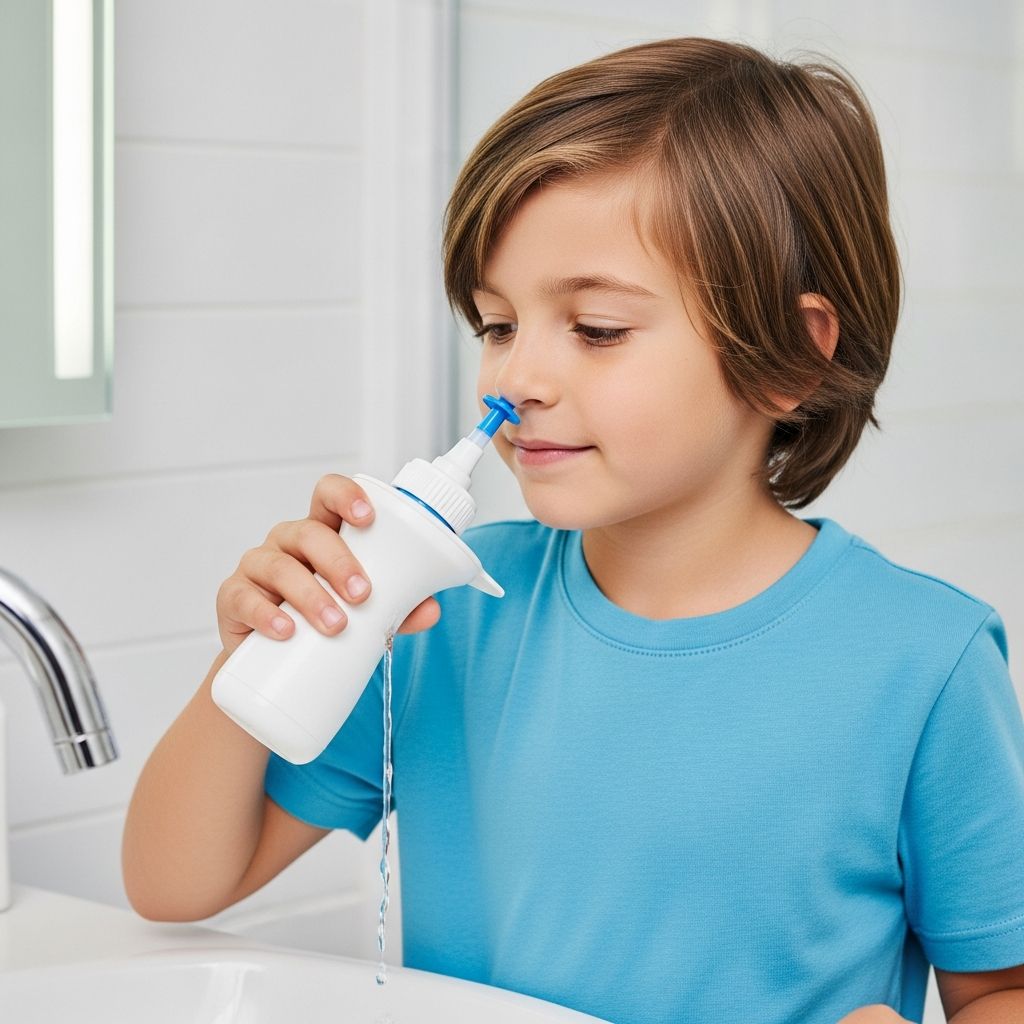
Nasal rinsing, using devices like neti pots or squeeze bottles with saline solution, clears mucus, allergens, and irritants from children’s nasal passages, providing relief from congestion associated with colds, allergies, and sinus conditions.
Understanding Nasal Irrigation and Its Role in Pediatric Care
Nasal irrigation involves flushing the nasal cavities with a saltwater solution to remove trapped particles and thin mucus. This practice, rooted in ancient traditions, has gained modern validation through clinical studies showing its efficacy in reducing symptoms of respiratory issues in children. For young patients, it serves as a non-medication option to improve breathing and sleep quality during allergy seasons or infections.
The process mimics the body’s natural cleansing mechanism, where cilia—tiny hair-like structures—move debris out. When congested, these cilia struggle, leading to prolonged discomfort. Irrigation restores this function, potentially shortening illness duration and decreasing reliance on over-the-counter drugs.
Key Benefits Backed by Research
Clinical evidence supports nasal rinsing as an effective tool for pediatric respiratory health. A study on children with chronic rhinosinusitis (CRS) found that daily irrigation led to symptom resolution in 65.9% of cases after six weeks, with high parental compliance over 95%. Long-term follow-up revealed 70.4% of parents reporting complete relief, and many reused the method for recurrences, reducing healthcare visits.
- Symptom Reduction: Up to 70% improvement in chronic sinusitis symptoms, including nasal obstruction and post-nasal drip.
- Allergy Management: Clears pollen and dust, easing seasonal allergic rhinitis.
- Infection Prevention: Fewer sinus infections with regular use, as it removes bacteria-harboring mucus.
- Post-Surgery Aid: Approved by doctors for recovery, promoting faster healing.
- Quality of Life Boost: Significant improvements in sinonasal surveys for chronic cases.
For acute colds, evidence is less robust but shows comfort gains with minimal side effects, making it worth trying for severe congestion.
Age Guidelines: When Is It Appropriate for Kids?
Age is a critical factor in determining suitability. Children under 4 years should avoid neti pots due to anatomical differences and tolerance issues. Some as young as 2 may use gentler devices like bulb syringes if recommended by a pediatrician.
Older children (4+) can use irrigation under supervision, ideally with pediatric ENT approval. Positioning and cooperation are key; toddlers often resist, risking injury. Studies confirm good tolerance in cooperative kids, with parents often underestimating their ability.
| Age Group | Recommended Devices | Supervision Level | Notes |
|---|---|---|---|
| Under 2 years | Bulb syringe/saline drops | Full adult | Consult pediatrician; avoid full rinses |
| 2-4 years | Squeeze bottles (low volume) | Full adult | Pediatrician approval required |
| 5+ years | Neti pot/sinus rinse kits | Supervised initially | Teach proper technique |
Essential Safety Protocols to Prevent Risks
Improper use poses infection risks, including rare but severe cases from contaminated water, such as amoeba-related encephalitis. The FDA mandates distilled, sterile, or boiled-and-cooled water to eliminate pathogens.
Cleaning devices after each use prevents bacterial buildup. Air-dry thoroughly to avoid mold.
Water Preparation Steps
- Select distilled, sterile, or previously boiled tap water (cooled to lukewarm).
- Mix with FDA-approved saline packets for correct osmolarity, preventing irritation.
- Avoid plain tap water, which may harbor parasites.
Contraindications and Red Flags
Skip irrigation if your child has:
- Ear infections or eustachian tube issues.
- Bilateral nasal blockage.
- Recent nasal surgery/trauma.
- Active nosebleeds.
- Severe septal deviation.
Consult a doctor for pregnancy, acute fevers, worsening symptoms, or headaches post-use.
Step-by-Step Guide for Safe Pediatric Use
1. **Consult Professional:** Get pediatrician or ENT clearance.
2. **Prepare Solution:** Use 240mL lukewarm saline (1 packet per bottle).
3. **Position Child:** Over sink, head tilted 45 degrees, chin down. Secure with towel if wiggly.
4. **Insert Gently:** One nostril, pour slowly; solution exits opposite nostril/mouth. Breathe through mouth.
5. **Repeat Other Side:** Switch nostrils.
6. **Frequency:** 1-2 times daily; reduce if irritation occurs.
Improvement typically appears in 3-5 days. Premixed kits like NeilMed ensure consistency.
Choosing the Right Tools for Young Users
Neti pots suit older kids; smaller squeeze bottles or syringes work for younger ones. Battery-operated devices offer gentle pulsing but require cleaning.
Opt for child-sized volumes (60-120mL) to avoid overwhelming small passages.
Common Challenges and Solutions
Resistance: Make it fun with games or demos. Start with drops.
Irritation: Check solution temperature/osmolarity; limit frequency.
No Improvement: Reassess with doctor; may need meds.
Long-Term Management Strategies
For chronic issues like CRS or allergies, integrate irrigation into routines. Studies show sustained benefits, with 55.6% recurrence but effective re-treatment. Combine with humidity, avoidance, and meds for atopy (common in 66% of CRS kids).
Monitor for asthma/GERD comorbidities.
Frequently Asked Questions
Can children under 4 use neti pots?
No, avoid full neti pots; use drops or syringes with doctor approval.
How often should kids do nasal rinses?
1-2 times daily max, monitoring for irritation.
What if tap water is used by mistake?
Rare but serious risks; always boil or use sterile.
Does it work for allergies?
Yes, clears allergens effectively.
When to stop and see a doctor?
If fever, bleeding, or worsening occurs.
References
- Neti Pot Safety Tips: Essential Steps for Safe Nasal Irrigation — Sleep and Sinus Centers. 2023. https://sleepandsinuscenters.com/blog/neti-pot-safety-tips-essential-steps-for-safe-nasal-irrigation
- Is Rinsing Your Sinuses With Neti Pots Safe? — U.S. Food and Drug Administration (FDA). 2023-10-12. https://www.fda.gov/consumers/consumer-updates/rinsing-your-sinuses-neti-pots-safe
- Is nasal irrigation safe or even effective in kids? — The Pediatrician Mom. 2023. https://www.thepediatricianmom.com/blog/nasal-irrigation-in-kids
- Long-term Outcome of Once Daily Nasal Irrigation for the Treatment… — National Center for Biotechnology Information (PMC). 2015-03-27. https://pmc.ncbi.nlm.nih.gov/articles/PMC4395460/
- Nasal Irrigation — Michael Rothschild, MD (kids-ent.com). Accessed 2023. http://www.kids-ent.com/pediatricent/Irrigation/index.html
- Are Sinus Rinses Safe and Effective? — Kelsey-Seybold Clinic. 2023. https://www.kelsey-seybold.com/your-health-resources/blog/are-nasal-rinses-safe