Opioid overdoses represent a growing threat to communities, affecting people of all ages, including youth. **Naloxone**, commonly known as **Narcan**, is a critical medication that rapidly reverses these life-threatening events by restoring normal breathing. As a parent, understanding this tool can equip you to respond effectively in emergencies, potentially saving your child or someone else’s life.
Understanding the Opioid Crisis Impact on Families
The opioid epidemic has escalated, with substances like fentanyl contaminating street drugs and even appearing in counterfeit pills accessible to teens. Parents must recognize that overdoses can occur from prescription painkillers, heroin, or illicit synthetics mixed into other drugs like cocaine. Naloxone targets opioids specifically, blocking their depressive effects on the brain’s respiratory centers.
Fentanyl, a potent synthetic opioid, has driven many recent overdoses due to its strength—often 50 times more powerful than heroin—making quick intervention essential. Families face risks not just from addiction but accidental exposure, underscoring naloxone’s role as a household essential akin to a fire extinguisher.
How Naloxone Functions as an Overdose Antidote
**Naloxone** acts as an opioid antagonist, binding to the same brain receptors as opioids but without activating them, thereby displacing the drugs and halting overdose symptoms. This action swiftly counters slowed or stopped breathing, the primary cause of death in overdoses, often within 2-3 minutes.
It proves ineffective against non-opioid overdoses, such as those from stimulants, ensuring safe use even in uncertainty. For individuals without opioids in their system, naloxone causes no harm, making it ideal for bystanders.
- Binds to mu-opioid receptors: Prevents further opioid attachment.
- Restores breathing: Critical within minutes of administration.
- Short duration: Effects last 30-90 minutes, necessitating follow-up care.
Recognizing Signs of an Opioid Overdose
Early detection saves lives. Look for these hallmark symptoms, which can progress rapidly:
| Symptom | Description |
|---|---|
| Unresponsive | Person does not wake to shouts or shakes. |
| Breathing issues | Slow, shallow, or absent breaths; blue lips or nails. |
| Pinpoint pupils | Extremely small pupils, even in dim light. |
| Gurgling sounds | Noisy breathing from airway obstruction. |
If suspected, act immediately—hesitation can be fatal. Opioids suppress the central nervous system, leading to hypoxia if untreated.
Step-by-Step Guide to Administering Naloxone at Home
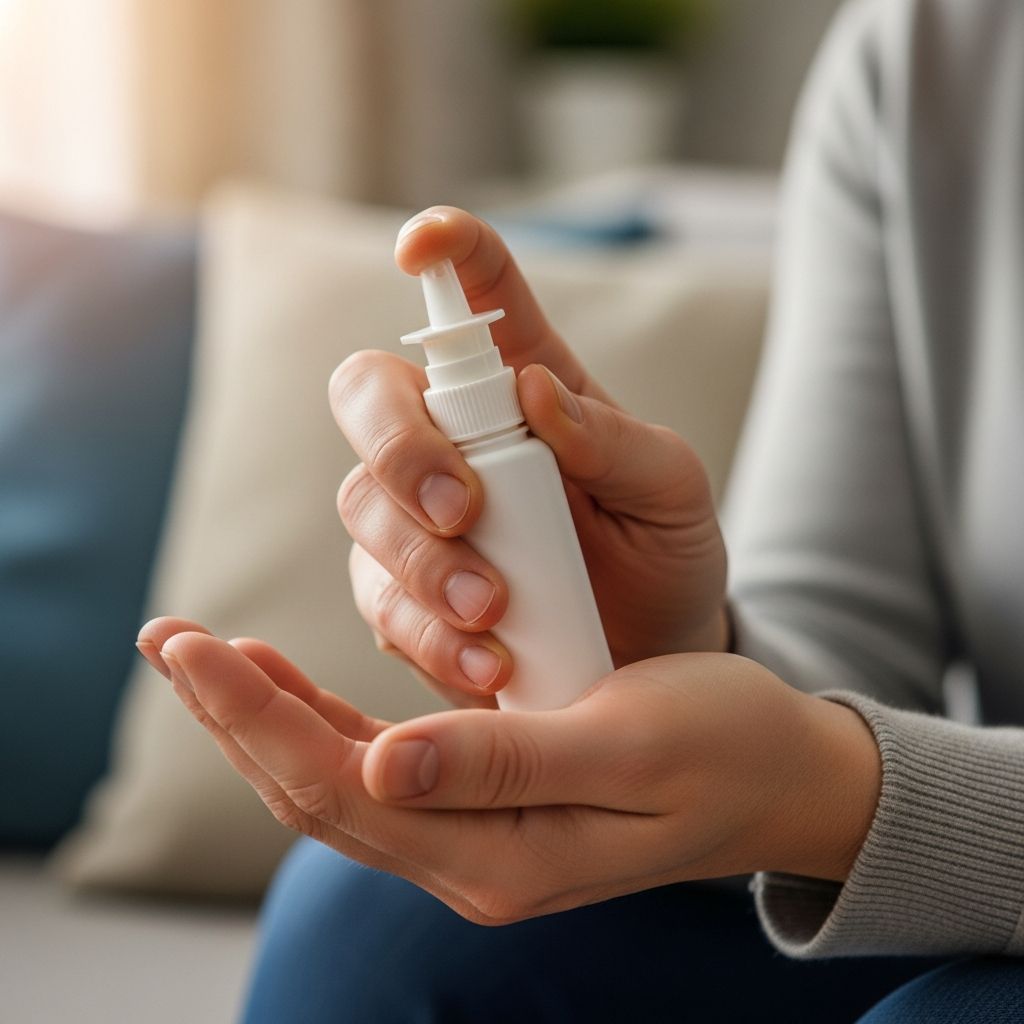
Naloxone comes as a **nasal spray** (e.g., Narcan) or **injectable**, both user-friendly for non-medical users. Here’s how to use the nasal spray, the most common OTC form:
- Call 911 first or have someone do so—naloxone is a bridge to professional help.
- Ensure airway access: Place person on back, tilt head back.
- Spray into one nostril: Remove device, press plunger firmly.
- Wait 2-3 minutes; if no response, give second dose in other nostril.
- Monitor: Turn on side (recovery position) to prevent choking.
- Stay until paramedics arrive; additional doses may be needed for strong opioids like fentanyl.
For injectables, follow package instructions: Intramuscular in thigh or arm. Practice with trainer kits available from pharmacies.
Safety Profile and Common Side Effects
Naloxone’s safety is unmatched—it’s non-addictive and safe for children, pregnant individuals, and those without opioids. Potential effects in opioid-dependent users include withdrawal symptoms like nausea, sweating, or agitation, which are temporary and preferable to death.
- No risk of overdose from naloxone itself.
- Good Samaritan laws in most states protect rescuers from liability.
- Always seek emergency care post-administration, as opioids may outlast naloxone.
Accessing Naloxone: Availability and Cost
Since 2023, naloxone nasal spray is **over-the-counter** nationwide, no prescription needed. Find it at pharmacies, community centers, or via free programs from health departments. Prices vary, but generic versions cost $20-50 for two-dose packs; insurance often covers it.
Parents can request it during routine pediatric visits or opioid prescriptions for family members. Stock it in medicine cabinets, cars, and schools—many districts now distribute it.
Integrating Naloxone into Family Emergency Plans
Treat naloxone like an EpiPen for allergies: Discuss with teens, store visibly, and train household members. Role-play scenarios to build confidence. Combine with education on drug risks, lockboxes for meds, and open conversations about peer pressure.
Post-overdose, connect to treatment: SAMHSA’s helpline offers 24/7 support for substance use disorders. Naloxone reverses acute events but doesn’t address addiction—link survivors to rehab.
Real-World Impact and Statistics
Naloxone has reversed millions of overdoses, with community programs reducing fatalities by up to 50% in high-risk areas. In 2024, widespread OTC access correlated with declining youth overdose deaths. Parents’ preparedness directly correlates with survival rates.
Frequently Asked Questions (FAQs)
What if naloxone doesn’t work right away?
Administer a second dose after 2-3 minutes and continue monitoring. Call 911 immediately, as stronger opioids like fentanyl may require more.
Can children use naloxone?
Yes, it’s safe for all ages, with dosing based on product instructions. Pediatric overdoses from fentanyl-laced pills are rising.
Does naloxone get someone high or addicted?
No, it only reverses opioids and has no abuse potential.
How long does naloxone protection last?
30-90 minutes; hence, professional medical follow-up is mandatory.
Where can parents get free naloxone?
Local health departments, needle exchanges, or SAMHSA resources provide it at no cost.
Empowering Parents for a Safer Future
By keeping naloxone accessible and mastering its use, parents become first responders in the opioid crisis. Pair it with prevention—monitor online pill purchases, educate on fentanyl test strips, and foster trust for early intervention. Your readiness can turn tragedy into recovery.
References
- 5 Things to Know About Naloxone — Centers for Disease Control and Prevention. 2024. https://www.cdc.gov/overdose-prevention/reversing-overdose/about-naloxone.html
- Naloxone: Frequently Asked Questions — Allegan Area Health. 2023. https://www.aahealth.org/behavioral-health/prevention-and-education/naloxone-frequently-asked-questions
- How Can Over-the-Counter Naloxone Prevent Opioid Overdose — Yale Medicine. 2024-08-26. https://www.yalemedicine.org/news/naloxone-narcan-prevent-opioid-overdose-deaths
- How naloxone reverses opioid overdoses — MedlinePlus Magazine. 2023. https://magazine.medlineplus.gov/article/how-naloxone-reverses-opioid-overdoses-and-why-its-important-to-have-on-hand
- Naloxone DrugFacts — National Institute on Drug Abuse (NIDA). 2024-01-17. https://nida.nih.gov/publications/drugfacts/naloxone
- Understanding Naloxone — National Harm Reduction Coalition. 2023. https://harmreduction.org/issues/overdose-prevention/overview/overdose-basics/understanding-naloxone/
- NARCAN® Nasal Spray — Narcan.com. 2025. https://narcan.com/en/
- National Helpline — SAMHSA. 2024. https://www.samhsa.gov/find-help/helplines/national-helpline