Mushrooms can be nutritious additions to family meals, but they can also be dangerous if children eat the wrong kind or handle them unsafely. This guide helps parents understand how to use store-bought mushrooms safely, how to protect kids from wild mushrooms, and what to do if a child eats an unknown mushroom.
Why Mushrooms Matter in a Childs World
Children encounter mushrooms in multiple ways: on dinner plates, in the backyard, in parks, and sometimes in products marketed to adults. Understanding these different contexts helps parents manage both the benefits and risks.
- At home, mushrooms show up in pizza, pasta, stir-fries, soups, and salads.
- Outdoors, mushrooms appear in lawns, playgrounds, forests, and even potted plants.
- Older kids and teens may hear about mushrooms used as supplements or for their mind-altering effects, often without accurate safety information.
Because kids are naturally curious and often explore the world with their mouths, mushrooms deserve special attention in any child-safety plan.
Nutritional Benefits of Cooked, Store-Bought Mushrooms
Common culinary mushrooms purchased from reputable stores can be healthy parts of a balanced diet when appropriately cooked and served to children old enough to handle them. These mushrooms are grown under controlled conditions and are selected for safety and edibility.
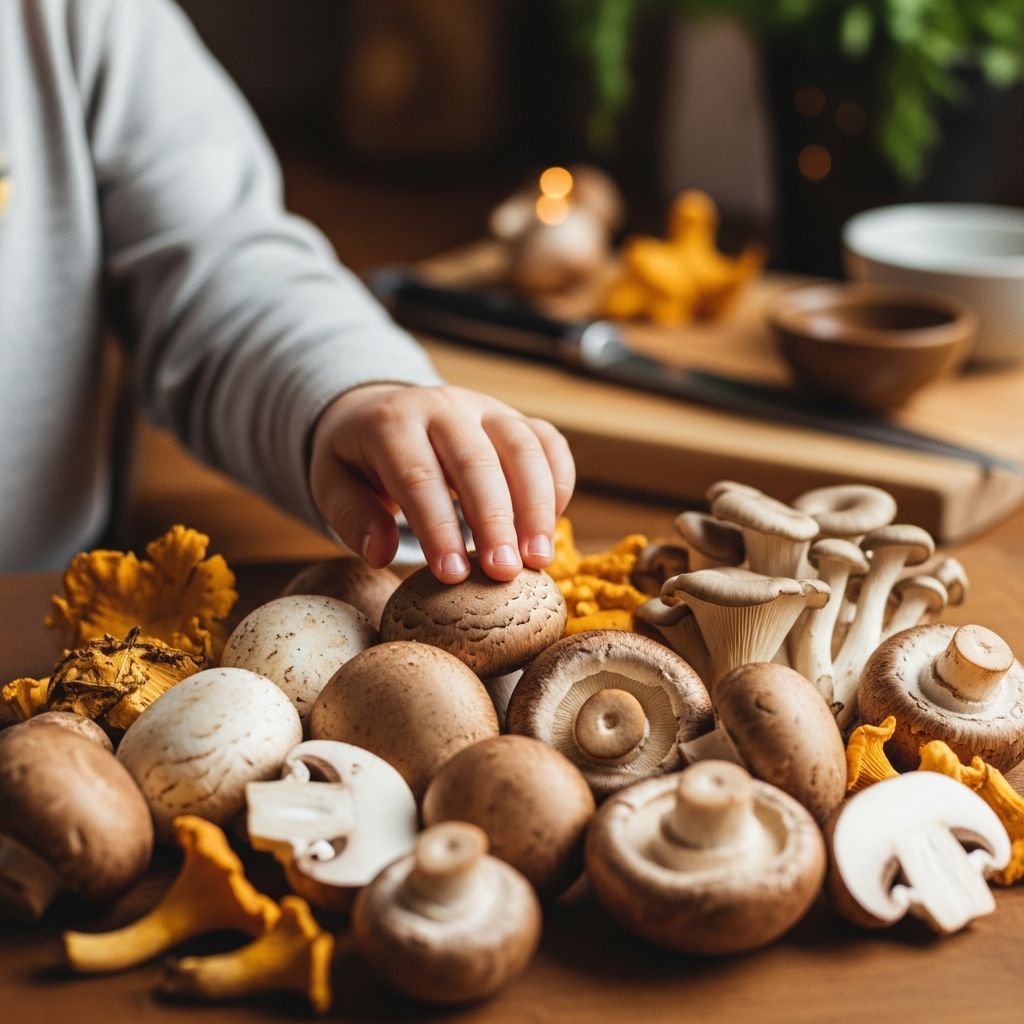
Typical store-bought varieties include white button, cremini, portobello, shiitake, and oyster mushrooms. When fully cooked, they can offer:
- Vitamins and minerals: Mushrooms contain B vitamins, selenium, copper, and small amounts of other essential nutrients.
- Fiber and plant compounds: Their fiber and bioactive compounds may support healthy digestion and immune function.
- Low-calorie, savory flavor: Their umami taste can make vegetable dishes more appealing to some children.
These benefits only apply to mushrooms that are clearly identified as edible, commercially sold, and properly stored and cooked.
When Can Children Start Eating Mushrooms?
There is no single universal age recommendation for introducing mushrooms, but several practical considerations can guide parents. Young children have sensitive digestive systems and may have difficulty chewing or digesting certain foods, including mushrooms.
Before serving mushrooms, parents should consider:
- Chewing ability: Children must be capable of chewing soft pieces safely to reduce choking risk.
- Digestive readiness: Start with small amounts of well-cooked, finely chopped mushrooms mixed into other familiar foods.
- Allergy and intolerance risk: Introduce mushrooms as a new food on a day when you can watch for any unusual reactions.
Because developmental readiness varies, any schedule for introducing mushrooms should be tailored to the childs age, medical history, and the advice of a healthcare professional.
Safe Handling and Cooking of Edible Mushrooms
Even safe, store-bought mushrooms require proper handling to reduce the risk of foodborne illness. Mushrooms grow close to soil and organic matter, making cleanliness and correct cooking important.
Practical Kitchen Tips for Parents
- Buy mushrooms that look fresh, firm, and free of slime or strong odors.
- Store them in the refrigerator and use them within a few days for best quality.
- Rinse quickly under cool running water just before use and pat dry, or wipe with a clean, damp cloth.
- Cook thoroughly until mushrooms are hot all the way through and have released much of their moisture, which improves texture and safety.
- Avoid serving raw mushrooms to young children, as cooking can help make them easier to digest and may reduce certain naturally occurring compounds.
Parents should always discard mushrooms that appear spoiled, discolored, slimy, or have an off smell, as these may increase the risk of stomach upset or food poisoning.
Why Wild Mushrooms Are Especially Dangerous for Kids
Wild mushrooms are among the most common causes of severe, preventable poisonings related to fungi. Many poisonous mushrooms look similar to edible ones, making visual identification extremely unreliable for nonexperts.
Children are at higher risk for harm from wild mushrooms because:
- They are closer to the ground and more likely to pick or touch fungi while playing.
- They may put objects in their mouths without asking an adult.
- Even small exposures can be dangerous due to their smaller body size.
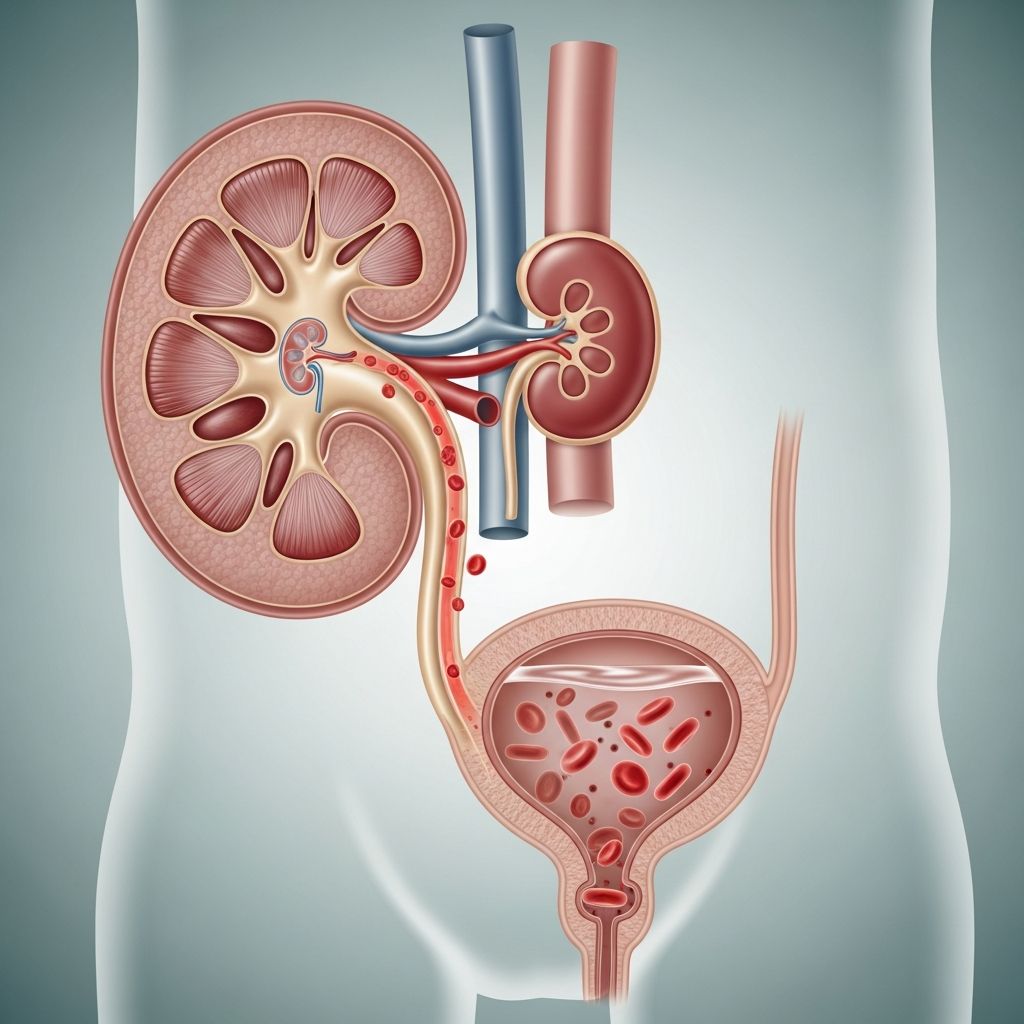
Some toxic mushrooms can cause life-threatening liver or kidney damage, sometimes with symptoms that appear only hours after ingestion, making delayed recognition particularly dangerous.
Common Myths About Mushroom Safety
Wellmeaning advice about mushrooms often relies on myths and folklore rather than science. Relying on these myths can lead to tragic mistakes, especially when children are involved.
| Myth | Why It Is Unsafe | Safer Approach |
|---|---|---|
| “If animals eat it, it must be safe for people.” | Many species affect humans differently from animals; some toxins may not harm wildlife but can severely injure people. | Never use animal behavior as proof of safety; only eat mushrooms from reliable commercial sources. |
| “Poisonous mushrooms taste or smell bad.” | Several deadly species have mild or pleasant flavors and smells, so taste and odor are not reliable signs. | Assume any unverified mushroom could be dangerous, no matter how it smells or looks. |
| “Cooking or drying removes all toxins.” | Some mushroom toxins remain harmful despite boiling, frying, or drying. | Do not attempt to “fix” a wild mushroom with cooking; avoid it instead. |
| “If others ate the same mushroom and feel fine, it’s safe.” | Symptoms can be delayed, and different people may react differently to the same toxin. | Seek expert help immediately if anyone eats an unknown mushroom, especially a child. |
Parents should teach children that mushrooms found outdoors are never snacks and must always be left alone unless an expert is present and gives explicit permission.
Home, Yard, and Playground Safety Strategies
Because mushrooms can grow quickly after rain, parents and caregivers benefit from routine checks around areas where children play. Removing potential hazards before kids encounter them is one of the most effective prevention strategies.
Outdoor Safety Checklist
- Inspect lawns, garden beds, mulch, and shaded corners after wet weather.
- Promptly remove and dispose of visible mushrooms in sealed bags where children and pets cannot reach them.
- Explain to children, in age-appropriate language, that mushrooms growing outside are not food.
- Supervise young children closely in parks and wooded areas, especially in damp seasons.
These simple routines help reduce the chance of a child picking, tasting, or handling a dangerous mushroom while unsupervised.
Talking to Kids About Mushroom Safety
Clear, calm communication can empower children to make safer choices around mushrooms. The goal is to teach respect for nature without creating unnecessary fear.
Parents can emphasize messages such as:
- “Only grown-ups decide which foods are safe to eat.”
- “Never eat plants, berries, or mushrooms you find outside.”
- “If you see an interesting mushroom, show an adult instead of touching it.”
For older children, parents can explain that even experts sometimes struggle to distinguish safe and unsafe wild mushrooms, underscoring why household rules are so strict.
Special Concern: Mushroom Supplements and “Edibles”
In recent years, a wide range of mushroom-based products—including capsules, powders, gummies, chocolates, and drinks—have appeared in stores and online. Some are marketed as wellness products, while others contain substances that can alter mood or perception.
Parents should be especially cautious about:
- Unregulated products: Many mushroom supplements and edibles are not subject to the strict testing applied to medications and may contain undisclosed or variable ingredients.
- Look-alike candies and snacks: Some products resemble ordinary treats, increasing the risk of accidental ingestion by children who cannot read or understand labels.
- Hallucinogenic mushrooms: Products made with certain species can cause severe psychological and physical effects, which are particularly dangerous for young people.
All mushroom supplements, recreational mushroom products, and unfamiliar mushroom foods should be stored in child-resistant containers, out of sight and reach, just like medications and household chemicals.
Warning Signs of Possible Mushroom Poisoning
Symptoms of mushroom poisoning vary depending on the species, the amount eaten, and the child’s age and health. Some symptoms appear quickly, while others may not show up until hours later.
Possible Early Symptoms
- Nausea, vomiting, or stomach cramps
- Diarrhea or unusual abdominal pain
- Excessive drooling or sweating
- Dizziness, confusion, or unusual drowsiness
- Headache or general weakness
Some of the most dangerous mushrooms cause an initial period of stomach upset, followed by a brief improvement, and then serious organ damage. Parents should never assume a child is “out of danger” just because early symptoms have eased.
What to Do if a Child Eats an Unknown Mushroom
A fast, calm response is essential if a child has possibly eaten a wild or unidentified mushroom. Do not wait for symptoms to appear before seeking guidance.
Step-by-Step Emergency Actions
- Remove any remaining mushroom from the child’s mouth, if safe to do so, and gently rinse their mouth with water.
- Keep a sample of the mushroom, including any remaining pieces and similar mushrooms from the area, in a paper bag or clean container for identification.
- Contact local emergency services or a poison information center immediately for advice tailored to your region and the child’s situation.
- Do not attempt home remedies such as inducing vomiting, giving salt water, or using herbal treatments unless directed by medical professionals.
- Monitor the child closely for any changes in behavior, breathing, skin color, or consciousness while waiting for medical help.
Medical teams may request information such as the child’s age and weight, when the mushroom was eaten, what it looked like, and what symptoms have occurred. Providing the mushroom sample can help specialists narrow down possible toxins.
Balancing Safety and Enjoyment of Mushrooms
With informed, cautious practices, families can enjoy flavorful, store-bought mushrooms while minimizing risk. The key is to draw a clear line between controlled, known foods and unpredictable wild or unregulated products.
- Use only mushrooms from trusted commercial sources in family meals.
- Prepare mushrooms by washing, trimming, and cooking them thoroughly, especially for young children.
- Teach children never to eat outdoor mushrooms and to ask an adult before trying new foods.
- Keep mushroom supplements and products intended for adults locked away from children.
By combining education, supervision, and safe food practices, parents can protect children from mushroom-related hazards while still introducing them to a variety of nutritious foods.
Frequently Asked Questions About Mushrooms and Kids
Are all store-bought mushrooms safe for children?
Mushrooms sold through reputable grocery stores are selected for human consumption, but they should still be handled carefully. Children should eat them only when they are fresh, properly stored, thoroughly cooked, and served in age-appropriate textures and portions.
Can my child eat mushrooms raw?
While some people eat raw mushrooms, cooking is generally safer for children because it softens the texture, improves digestibility, and may reduce certain naturally occurring substances. Offering raw mushrooms to young children also increases choking risk, so cooked preparations are typically preferred.
Is it safe to let kids help cook with mushrooms?
Supervised kitchen tasks involving mushrooms—such as washing, tearing soft pieces, or sprinkling cooked slices on pizza—can be fun and educational. Parents should handle sharp knives, hot pans, and stovetops themselves, and remind children that raw mushrooms are not for snacking unless an adult says they are ready to eat.
What if my child only licked or nibbled a wild mushroom?
Even a small taste can be concerning, especially if the mushroom species is unknown. Parents should still contact a medical professional or poison information service for guidance, describe the exposure clearly, and save a sample of the mushroom whenever possible.
How can I tell if a mushroom in my yard is poisonous?
There is no simple, reliable home test to tell safe and unsafe mushrooms apart. Many toxic species closely resemble edible ones, and only trained experts can identify them accurately. The safest assumption for families is that any wild mushroom could be dangerous and should be removed from children’s play areas.