Your body is packed with powerful helpers called muscles. They let you jump, smile, blink, run, breathe, and even keep your heart beating while you sleep. This guide explains what muscles are, the different kinds you have, how they grow, and what you can do to keep them strong and healthy.
What Are Muscles?
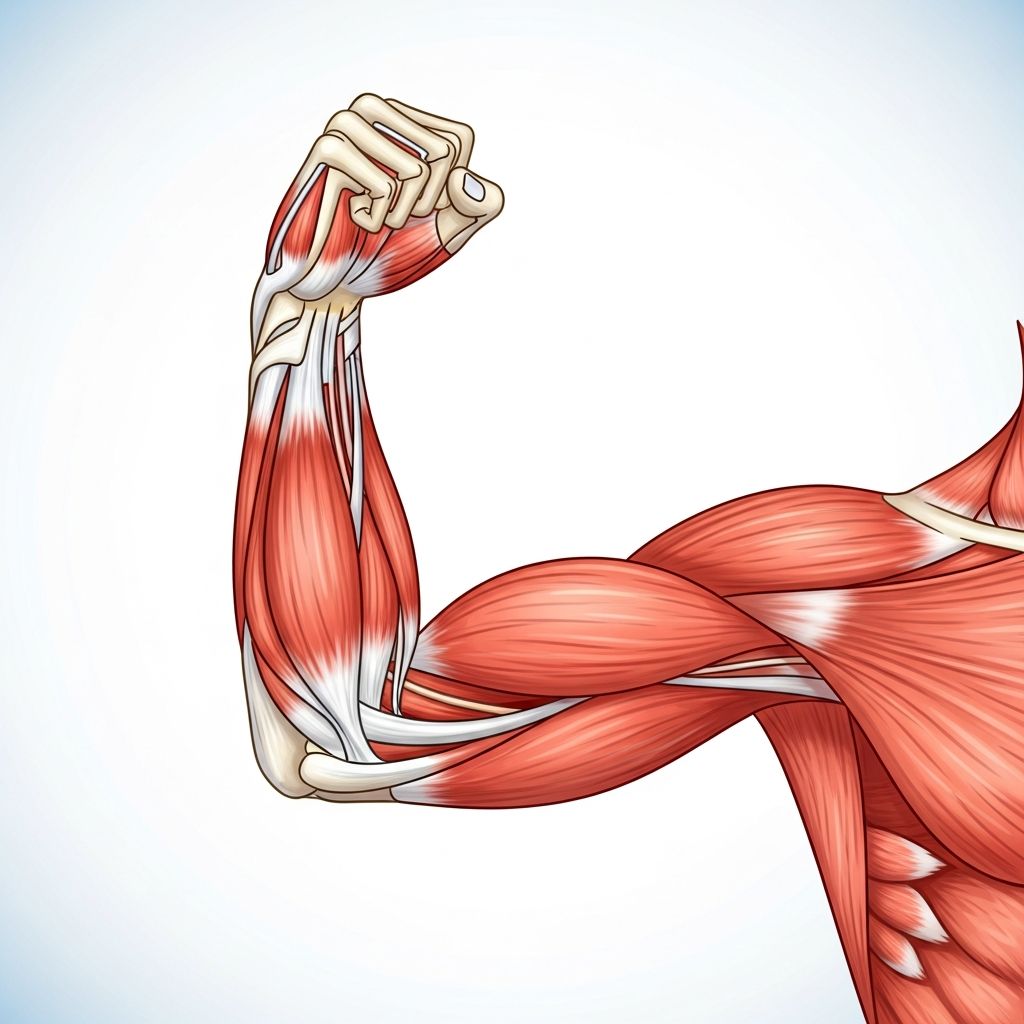
Muscles are special body tissues that can shorten (contract) and relax. When they shorten, they pull on bones or other body parts and make movement happen. Skeletal muscle is the largest tissue type in your body by mass and is essential for posture, movement, and breathing.
- Made of fibers: Each muscle is built from thousands of tiny, stretchy fibers bundled together.
- Controlled by nerves: Nerves send electrical signals that tell muscles when to contract or relax.
- Powered by food and oxygen: Muscles use nutrients from food and oxygen from your blood to work.
Without muscles, you would not be able to stand up, hold a pencil, talk, or even breathe on your own.
The Three Main Types of Muscles
Your body has three major types of muscles. Each has a special job and works in a different way.
| Muscle Type | Where It Is Found | Under Your Control? | Main Job |
|---|---|---|---|
| Skeletal muscle | Attached to bones by tendons | Yes – you move it on purpose | Moves your body: walking, jumping, lifting, smiling |
| Smooth muscle | Walls of organs like stomach, intestines, blood vessels | No – works automatically | Moves food, controls blood flow, helps digestion |
| Cardiac muscle | Only in your heart | No – always working | Pumps blood around your body, 24/7 |
Skeletal Muscles: The Movers You Control
Skeletal muscles attach to your bones and let you move on purpose: throw a ball, wave at a friend, or kick a soccer ball. They are sometimes called voluntary muscles because you decide when to use them.
- Examples: biceps in your arms, quadriceps in your thighs, calf muscles in your lower legs.
- Work in pairs: Often one muscle pulls while the opposite muscle relaxes to make smooth movement.
- Support posture: Back and core muscles keep you upright.
Smooth Muscles: Quiet Helpers Inside
Smooth muscles line the walls of your internal organs and work without you thinking about them. They are called involuntary muscles because they are controlled automatically by your nervous system.
- In your stomach and intestines, they squeeze and wave to push food along during digestion.
- In your blood vessels, they tighten or relax to control blood pressure and blood flow.
- In your airways, they help control how wide your breathing tubes are.
Cardiac Muscle: Your Heart’s Never-Ending Worker
Cardiac muscle is a special type of muscle that exists only in your heart. Like smooth muscle, you do not control it on purpose.
- Contracts in a steady rhythm to pump blood.
- Responds to signals from your brain and hormones to beat faster when you run or slower when you rest.
- Works your whole life without getting tired.
How Muscles and Bones Team Up
Muscles do not move you alone. They work together with your bones and joints in a system often called the musculoskeletal system.
- Tendons connect muscles to bones.
- When a muscle contracts, it pulls on the bone, causing movement at a joint.
- Muscles also help protect joints by keeping them stable and aligned.
Healthy muscles are important for healthy bones. When muscles pull on bones during activities like running or jumping, they help bones grow stronger through mechanical and chemical signals.
How Muscles Help You Grow and Learn New Skills
As you grow, your muscles become stronger and better at working with your brain. From early childhood into the teen years, muscle size and coordination change a lot.
Big Movements vs. Small Movements
Movements that use your muscles are often grouped into two kinds:
- Gross motor skills: Big movements using large muscles in your arms, legs, and trunk, such as rolling, crawling, walking, running, jumping, or skipping.
- Fine motor skills: Smaller, more detailed movements using the small muscles in your hands and wrists, like writing, buttoning a shirt, or using scissors.
These skills improve as both your muscles and your nervous system develop and practice working together.
Muscle Growth During Childhood
Muscles grow as your body grows. During childhood and the teen years, skeletal muscles increase in size and strength.
- From about ages 5 to 15, leg muscle volume increases several times over as children grow taller and heavier.
- Childhood is a critical time to build healthy muscle mass that supports good body composition and activity later in life.
- Muscle growth happens when the body makes more muscle proteins than it breaks down.
Inside each muscle fiber, tiny cell parts build new proteins. Special muscle stem cells can add extra nuclei to fibers so the fibers can grow longer and thicker during growth spurts.
Strength in Kids: More Than Just Big Muscles
Adults often think strength training only means making muscles larger. In children, strength gains usually come first from the nervous system learning to use muscles better, not from big increases in muscle size.
How Kids Get Stronger
- Muscle learning: With practice, nerves send signals to muscles faster and more efficiently, so you can move more powerfully and smoothly.
- Better coordination: Your brain learns how to make groups of muscles work together for skills like kicking, throwing, or gymnastics.
- Stretch reflex changes: As you train, your muscles and tendons adjust so you can move faster without your body stopping you too early for protection.
Because children’s bones and bodies are still developing, increases in muscle size are usually smaller until puberty. Strength gains mostly come from improved nerve-muscle communication and skill practice.
Why Healthy Muscles Matter
Strong, well-developed muscles do far more than help you win a race. They are important for your health today and in the future.
- Movement and play: Let you run, jump, climb, and enjoy sports and games.
- Posture and balance: Keep your body upright and steady so you do not fall easily.
- Breathing and circulation: Muscles in your chest help you breathe; your heart muscle pumps blood.
- Metabolism: Skeletal muscle is a major site for using and storing energy and helps control blood sugar levels.
- Bone health: Active muscles pull on bones and help them become stronger, which is important for growth and for preventing problems later in life.
Keeping Your Muscles Strong and Safe
Kids can build strong, healthy muscles with simple daily habits. Expert guidelines suggest that children and teens should be active regularly for good health.
Move Every Day
- Children ages 3–5 should be physically active throughout the day through play.
- Kids and teens ages 6–17 should aim for at least 60 minutes of moderate-to-vigorous activity daily.
That activity should include:
- Aerobic activities (like running, biking, or fast walking) most days.
- Muscle-strengthening activities (like climbing, bodyweight exercises, or gymnastics) on at least 3 days per week.
- Bone-strengthening activities (like jumping, hopping, or sports with running and quick changes in direction) on at least 3 days per week.
Eat to Feed Your Muscles
Food provides the building blocks your muscles need to grow and repair. Muscle growth in children depends on getting enough energy and protein, along with vitamins and minerals.
- Protein-rich foods: Lean meats, fish, eggs, beans, lentils, nuts, seeds, dairy, and soy foods support muscle protein synthesis.
- Carbohydrates: Whole grains, fruits, and vegetables give muscles energy for activity.
- Healthy fats: Nuts, seeds, avocados, and healthy oils support overall growth.
- Fluids: Water helps muscles work well and prevents cramps.
Animal proteins, like milk proteins, are especially rich in essential amino acids that can strongly stimulate muscle protein building in growing bodies.
Rest and Recovery
Muscles need time to recover after you use them hard.
- Sleep is when your body repairs tissues and builds new muscle proteins.
- Rest days or lighter days help prevent overuse injuries.
- Mixing different activities uses different muscle groups and gives others a break.
When Muscles Need Extra Help
Most kids’ muscles grow and strengthen as they age, but sometimes muscles may be weaker or feel very floppy.
Low Muscle Tone
Low muscle tone (also called hypotonia) means muscles feel softer or more floppy and may not resist movement as strongly as usual.
- Children may feel like they are “slipping” when picked up.
- They may have trouble sitting, standing, or keeping good posture for long periods.
- Motor skills like walking or running can be delayed.
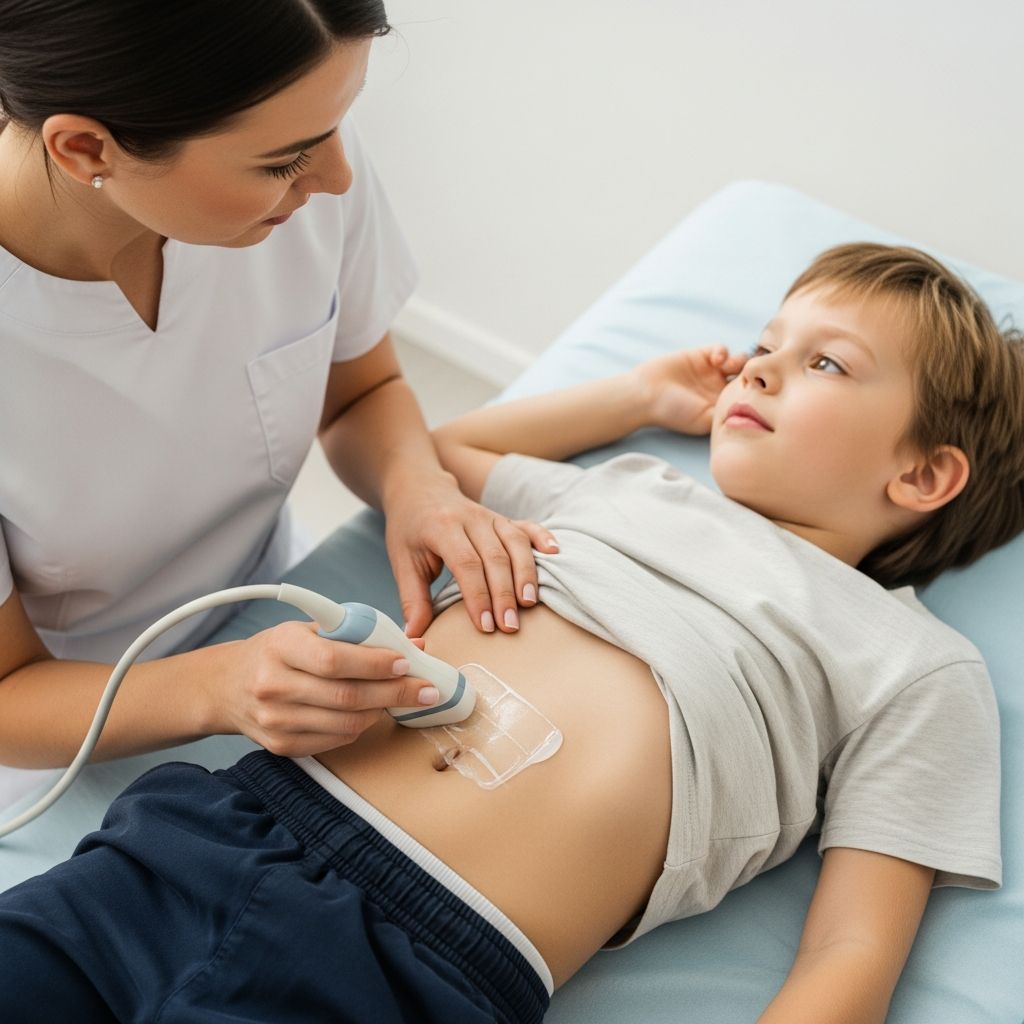
Low tone can have different causes. If parents or caregivers are concerned about a child’s muscle strength or development, health professionals can check for problems and may suggest physical or occupational therapy.
Fun Ways for Kids to Use Their Muscles
You do not need a gym to build strong muscles. Many fun activities naturally exercise different muscle groups.
- Playground fun: Climbing ladders, monkey bars, and swinging use arm, shoulder, and core muscles.
- Sports and games: Soccer, basketball, swimming, dancing, and martial arts challenge leg and core muscles and improve coordination.
- Around the house: Helping carry groceries, raking leaves, or gardening can build strength safely when supervised.
- Creative movement: Obstacle courses, animal walks (bear crawls, crab walks), and jumping games work the whole body.
Remember that proper technique, appropriate difficulty for age, and adult supervision make muscle-strengthening activities safer for kids.
Kid-Friendly Muscle FAQ
How many muscles does the human body have?
Adults have hundreds of individual muscles working together. Scientists usually count more than 600 separate skeletal muscles, plus smooth and cardiac muscles that are part of organs.
Why do my muscles sometimes feel sore after exercise?
After trying a new or hard activity, tiny changes happen in muscle fibers. Your body repairs these and makes the muscles stronger. This can cause mild soreness for a day or two, which usually goes away on its own with rest, hydration, and gentle movement.
Can kids lift weights?
Some strength activities, including light resistance or bodyweight exercises, can be safe for kids if they are well supervised, use proper technique, and use weights that are not too heavy. Health organizations recommend that muscle-strengthening activities be part of children’s weekly physical activity, but heavy lifting programs should always be guided by professionals.
Do muscles turn into fat if I stop exercising?
No. Muscle and fat are different types of tissue. If you move less and eat more than your body needs, you may lose some muscle and gain fat, but one tissue does not literally change into the other.
How fast do muscles grow in kids?
During childhood and especially around puberty, muscle size and strength can increase quickly, but the speed is different for every child. From ages 5 to 15, research shows that leg muscle volume can increase several times as children grow taller and heavier.
References
- Childhood muscle growth: Reference curves for lower leg muscle volumes in typically developing children and children with cerebral palsy — Handsfield et al., Proceedings of the National Academy of Sciences (PNAS). 2024-10-08. https://www.pnas.org/doi/10.1073/pnas.2416660122
- Muscle growth in children — L. S. F. C. S. et al., Nestlé Nutrition Institute. 2023-01-01. https://www.nestlenutrition-institute.org/publication-series/muscle-growth-children
- Strengthening children’s muscles — Johns Hopkins Aramco Healthcare. 2021-06-01. https://www.jhah.com/en/news-events/news-articles/strengthening-children-s-muscles
- Children’s developmental milestones: Gross and fine motor skills — Brown University Health. 2022-05-10. https://www.brownhealth.org/be-well/childrens-developmental-milestones-gross-and-fine-motor-skills
- Gross motor skills — Cleveland Clinic. 2022-11-15. https://my.clevelandclinic.org/health/articles/gross-motor-skills
- Child Activity: An Overview — U.S. Centers for Disease Control and Prevention (CDC). 2024-05-01. https://www.cdc.gov/physical-activity-basics/guidelines/children.html
- Kids Health Info: Low muscle tone — The Royal Children’s Hospital Melbourne. 2021-09-01. https://www.rch.org.au/kidsinfo/fact_sheets/Low_muscle_tone/